

Command Ctrl Info. Sys. and Network-Centric Warfare


BREAKING NEWS
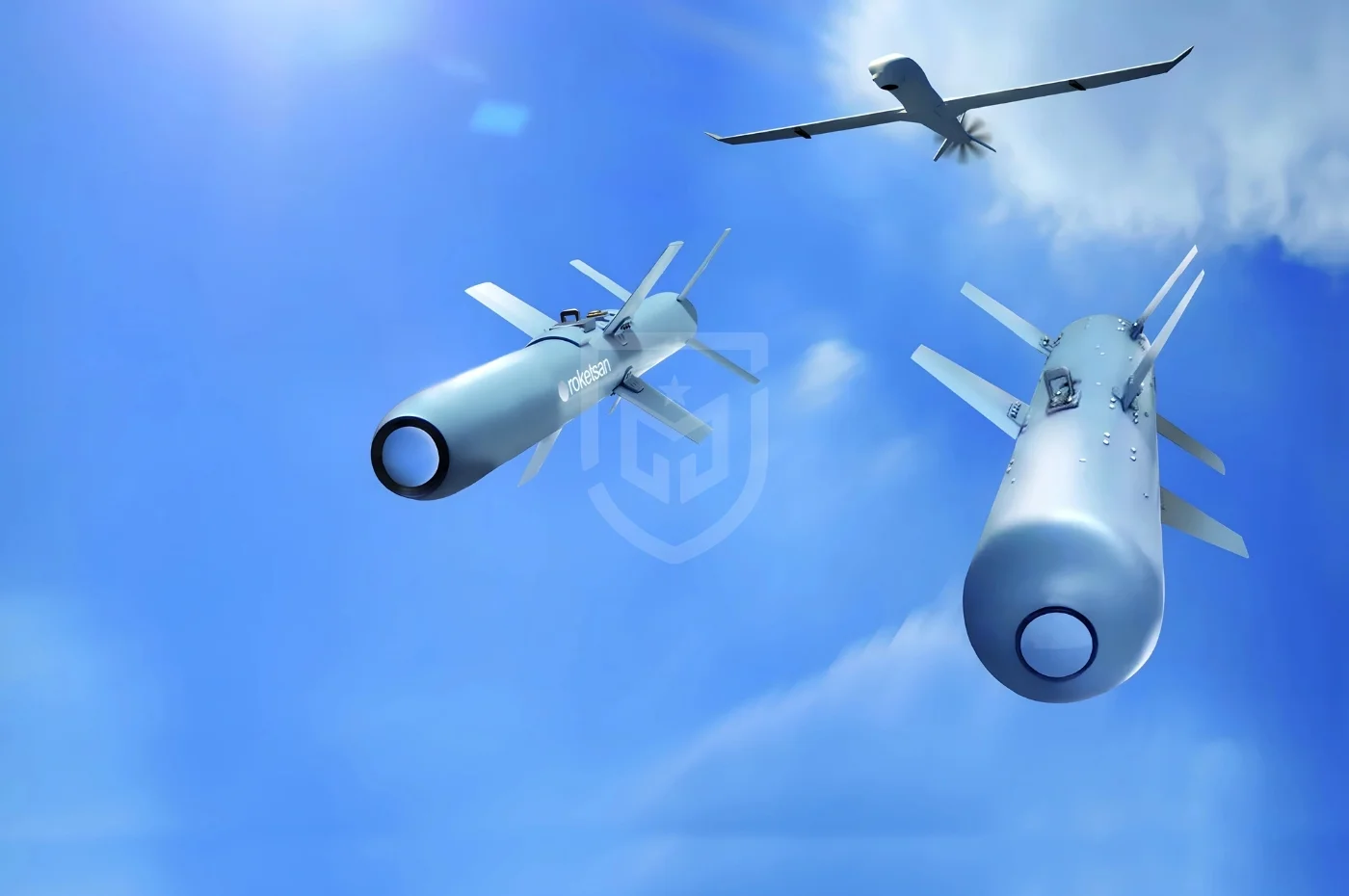
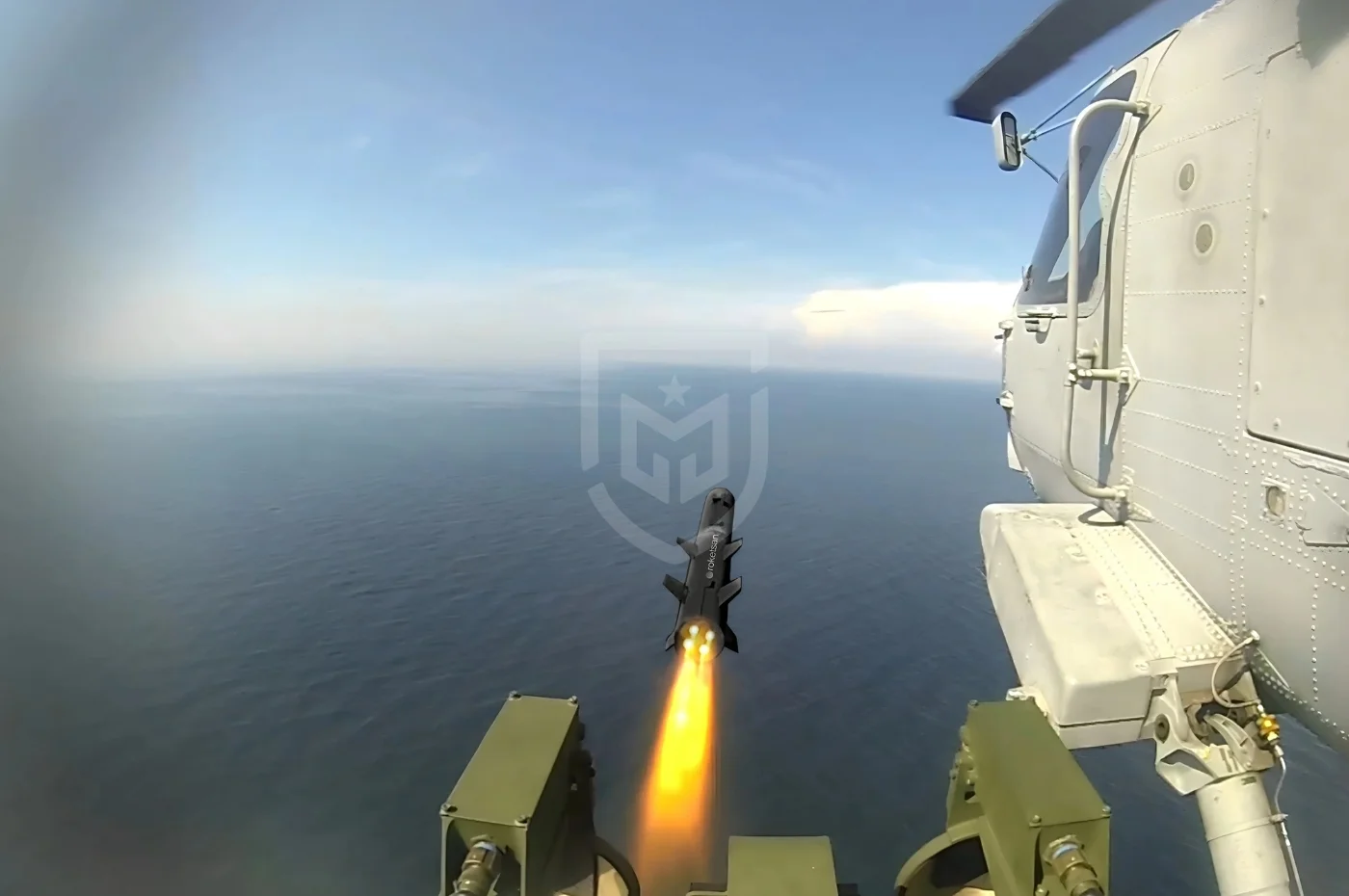
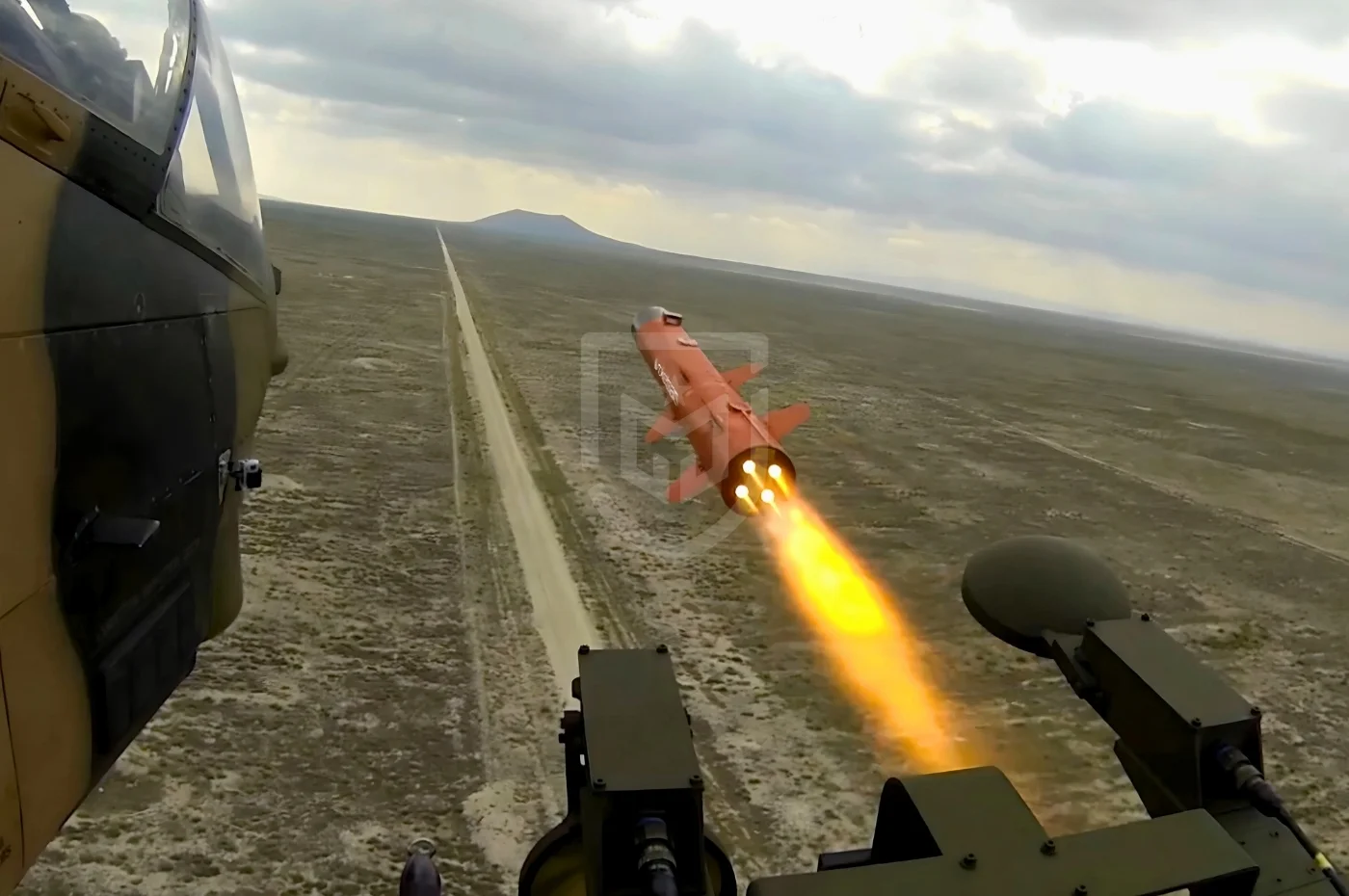
MAM-L was developed to overcome the size and weight limitations associated with traditional air-to-ground munitions when integrated onto UAV platforms. It is derived from ROKETSAN’s 70 mm laser-guided rocket technology base but redesigned as a rocketless, air-launched smart munition optimized for glide-based delivery.
Operational Purpose and Role
The primary operational roles of MAM-L include:
Its modular warhead structure allows it to be tailored for specific mission profiles, ranging from armored target neutralization to anti-personnel and structure destruction.
Doctrine and Concept of Employment
MAM-L is closely integrated into the MALE-class UAV doctrine. Platforms such as the Bayraktar TB2 and the ANKA combine ISR and strike capability within a single operational loop:
This sensor-to-shooter integration enables rapid engagement cycles and reduces dependence on external strike assets.
System Architecture
MAM-L consists of three main components:
The munition does not use a rocket motor; instead, it relies on altitude and release parameters to achieve glide range. Target designation can be provided by the launch platform or an external laser designator.
In network-centric operations, MAM-L-equipped UAVs operate in coordination with:
Detailed data link architecture specifics are not fully disclosed publicly.
Accuracy and Engagement Process
Although the exact Circular Error Probable (CEP) value is not publicly disclosed, semi-active laser guidance typically enables sub-meter precision under optimal conditions.
Engagement sequence:
The maximum stated operational range is approximately 15 km, depending on altitude and release conditions.
Warhead Options
MAM-L features modular warhead configurations:
Available fuze options include impact and proximity fuzes.
Survivability and Operational Advantages
Limitations
Operational Use and Export
MAM-L is in active service with the Turkish Armed Forces. It has also been observed in operational use in various conflict zones where Turkish-origin UAV systems have been exported. Exact inventory numbers and export munition configurations are not fully disclosed publicly.
Detailed Technical Specifications
Dimensions and Weight
Propulsion
Performance
Guidance
Warhead Options
Platform Compatibility
Electronic Warfare Considerations
Specific ECCM features are not publicly disclosed. Laser guidance is inherently resistant to RF jamming but vulnerable to physical obscurants such as smoke or dust.
Frequently Asked Questions
What is MAM-L used for?
What is the maximum range of MAM-L?
What targets can it engage?
Is MAM-L GPS-guided?
How accurate is it?
What are its equivalents?
Sources




The cookies used on our website are used to provide you with a better user experience and to improve our website. You can manage your cookie preferences from the options below.