Command Ctrl Info. Sys. and Network-Centric Warfare


BREAKING NEWS
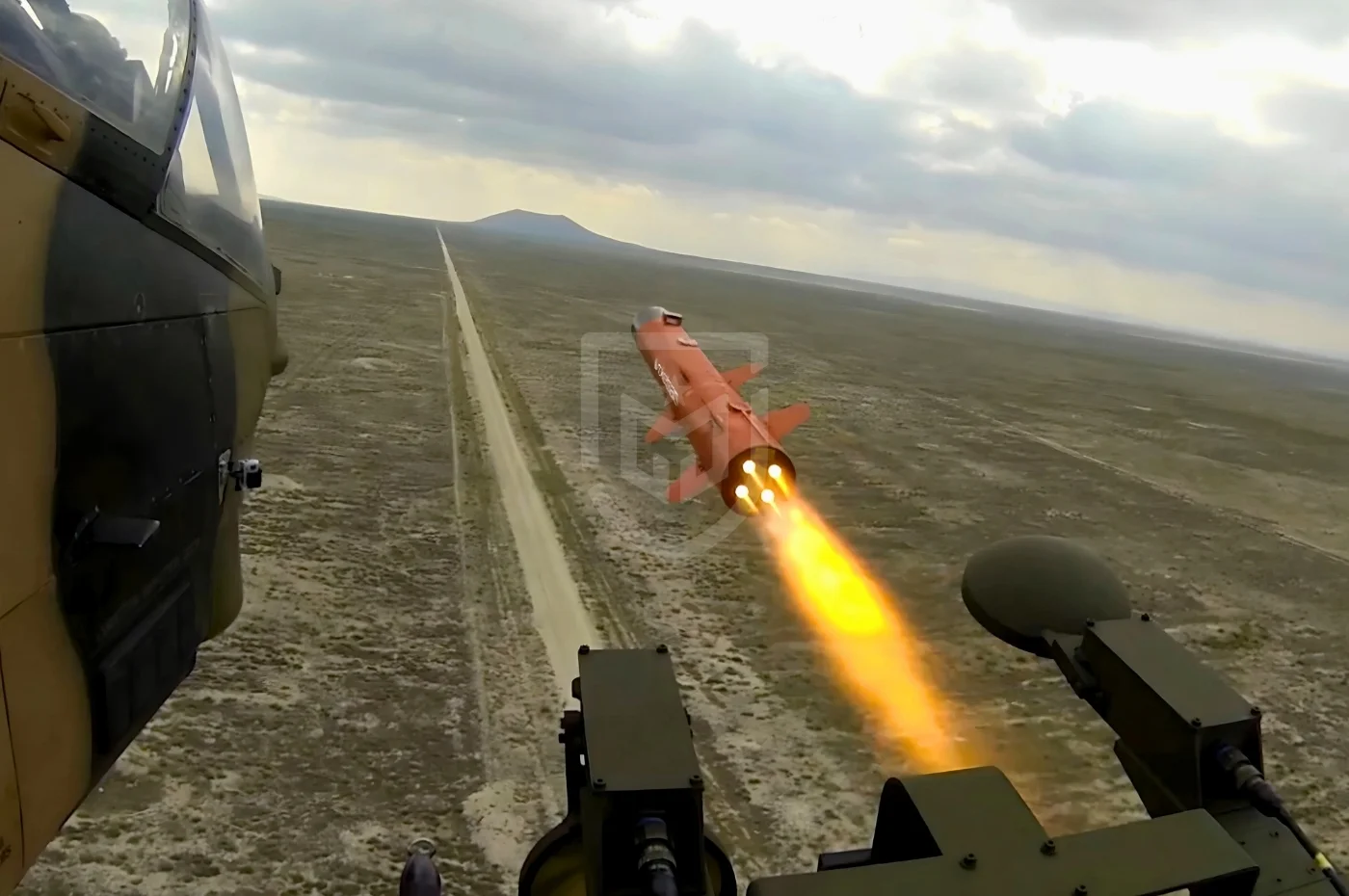
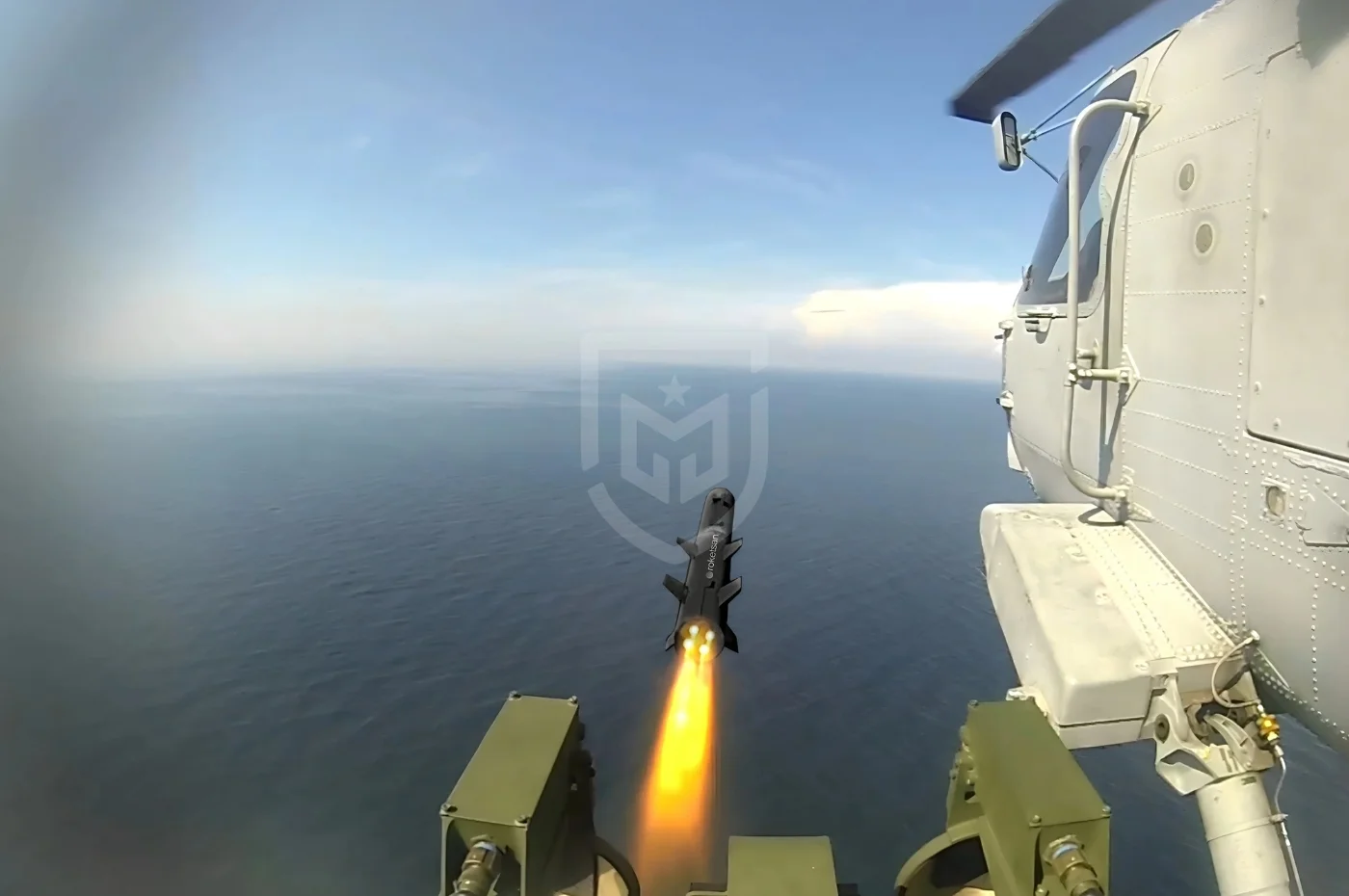
The UMTAS Long-Range Anti-Tank Missile System is engineered to counter armored threats in modern high-intensity conflict scenarios. Primarily designed for rotary-wing platforms, it can also be integrated onto fixed-wing aircraft, ground vehicles, and naval platforms.
Operational Purpose and Role
UMTAS is intended to neutralize:
When deployed from an attack helicopter, the missile enables stand-off engagement capability, reducing platform exposure to enemy air defense systems. This significantly enhances survivability during close air support and deep strike missions.
Doctrine and Concept of Use
UMTAS is designed for integration into network-enabled combat environments. It supports two primary engagement modes:
Fire-and-Forget Mode
Once locked onto a target before launch, the missile autonomously tracks and engages without further operator input.
Fire-and-Update Mode
Through its RF data link, the operator can update target coordinates mid-flight. This allows:
The missile supports both direct attack and top-attack profiles. The top-attack mode is particularly effective against main battle tanks, targeting weaker upper armor sections.
System Architecture
The UMTAS system consists of:
The Imaging Infrared (IIR) seeker provides high-resolution thermal imaging, improving target discrimination and resistance to common countermeasures. The RF data link ensures two-way communication between missile and launch platform during flight.
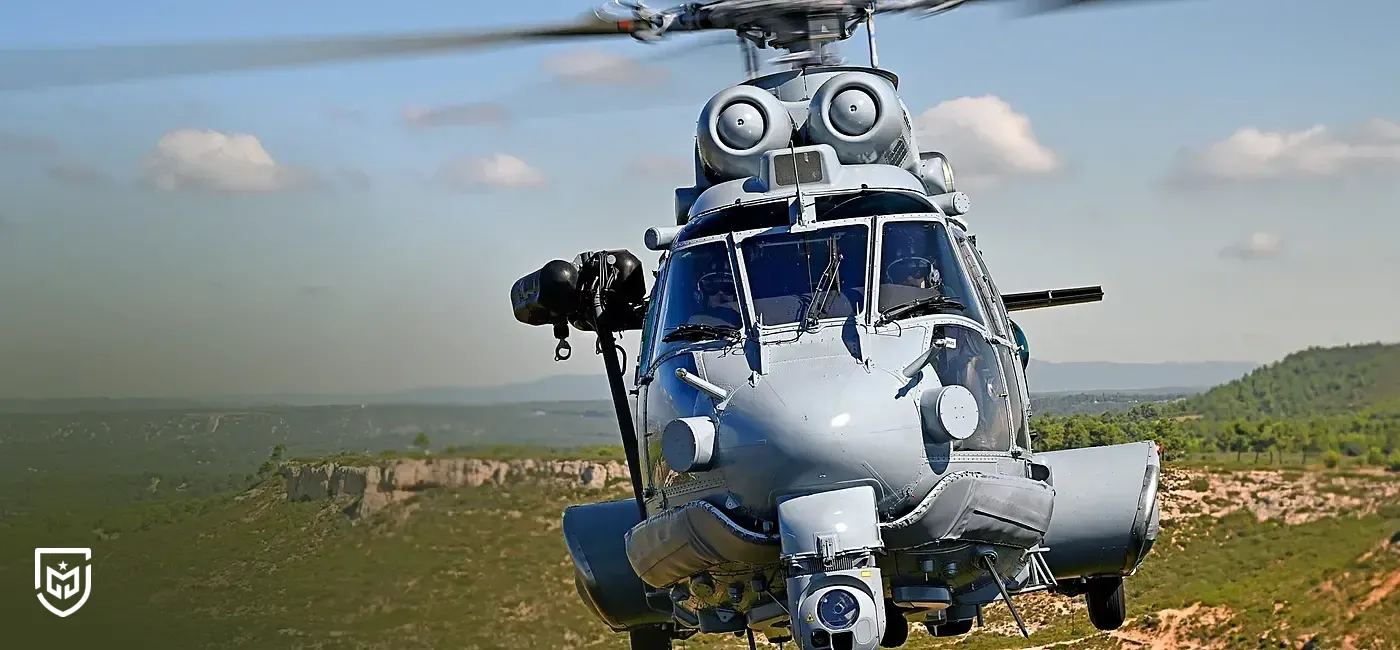
UMTAS is operationally integrated on the T129 ATAK attack helicopter and is adaptable for other air and land platforms.
Survivability and Safety Features
The missile incorporates:
The fire-and-update capability allows operators to modify engagement parameters or abort missions in response to emerging threats.
Advantages Against Modern Threats
Limitations
Variants
The UMTAS family includes variants with different warhead options, including tandem anti-tank, high-explosive fragmentation, and thermobaric configurations. A lighter derivative system, OMTAS, exists as a separate product line for ground-based applications.
Detailed Technical Specifications
Dimensions and Weight
Performance
Detailed flight speed and reaction time parameters are not fully disclosed in public sources.
Seeker and Guidance
Exact detection range and discrimination algorithms are not publicly disclosed.
Warhead Options
The tandem configuration is specifically designed to defeat explosive reactive armor before main charge detonation.
Integration and Interface
Electronic Warfare Resistance
The IIR seeker inherently provides resistance against laser jamming. Detailed anti-jamming capabilities of the RF link are not publicly available.
Frequently Asked Questions
What is UMTAS used for?
What is the maximum range of UMTAS?
Can UMTAS engage moving targets?
Is UMTAS effective at night?
Is UMTAS mobile or fixed?
How does it compare to similar systems?
Sources




The cookies used on our website are used to provide you with a better user experience and to improve our website. You can manage your cookie preferences from the options below.