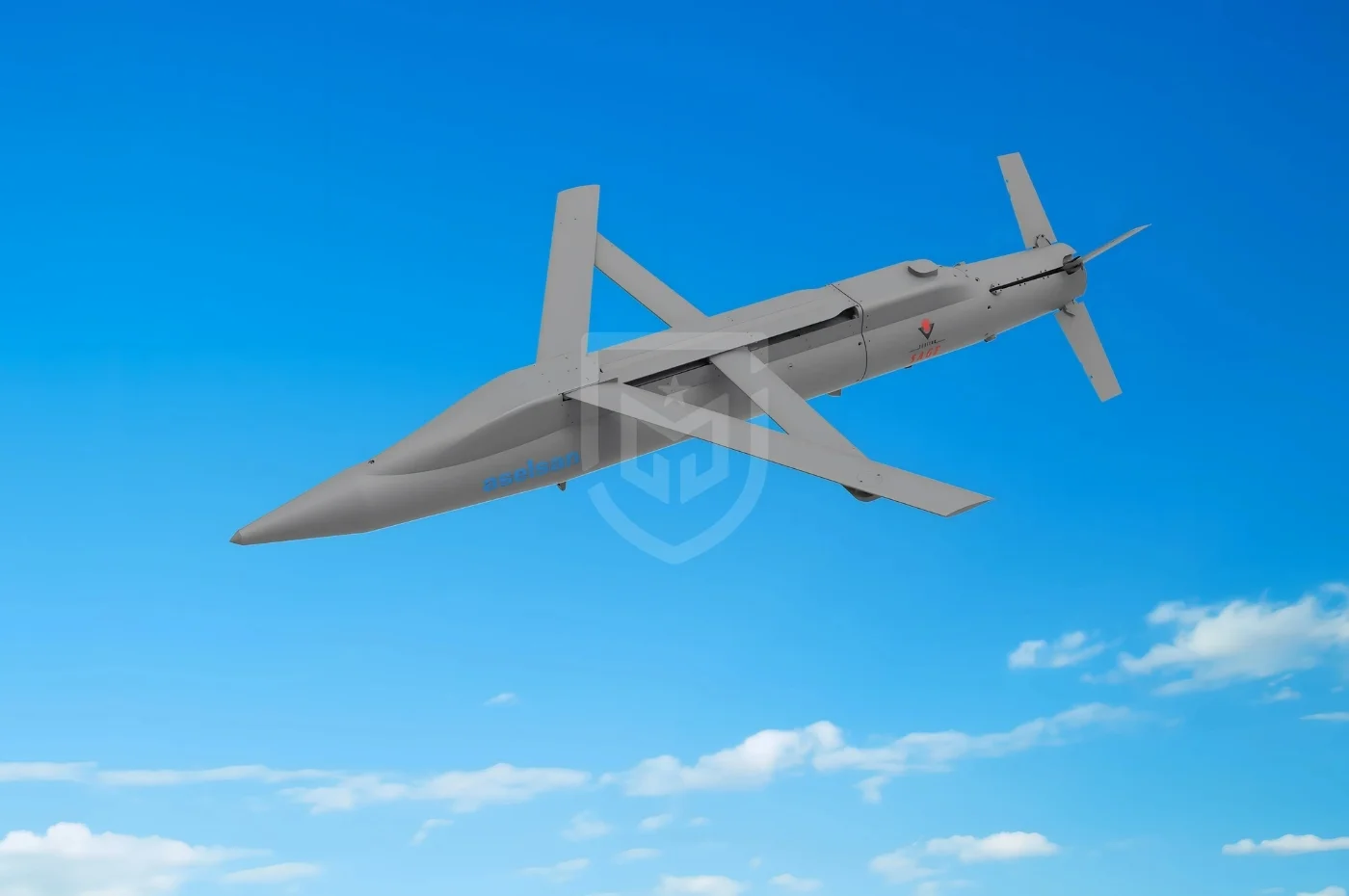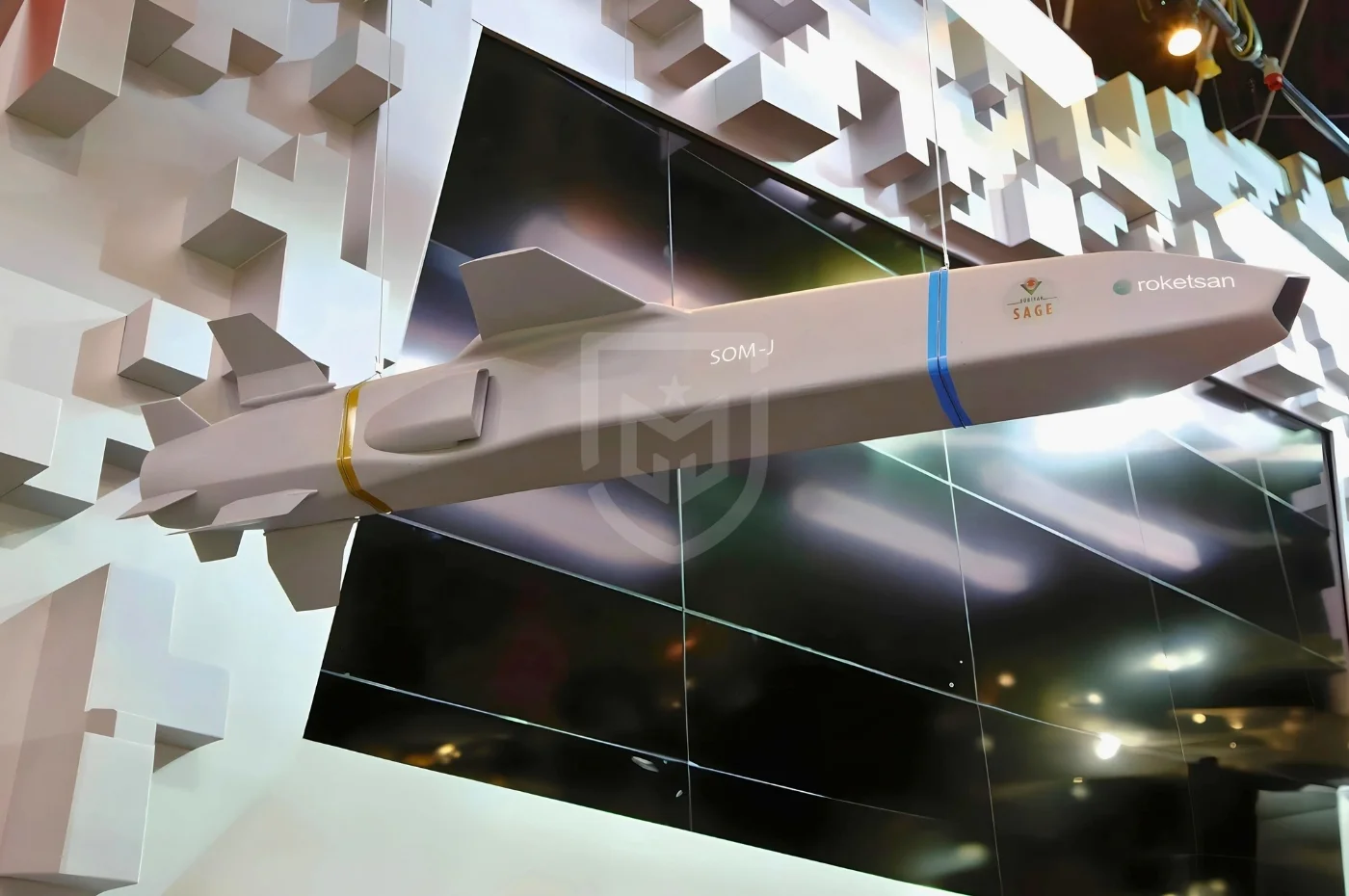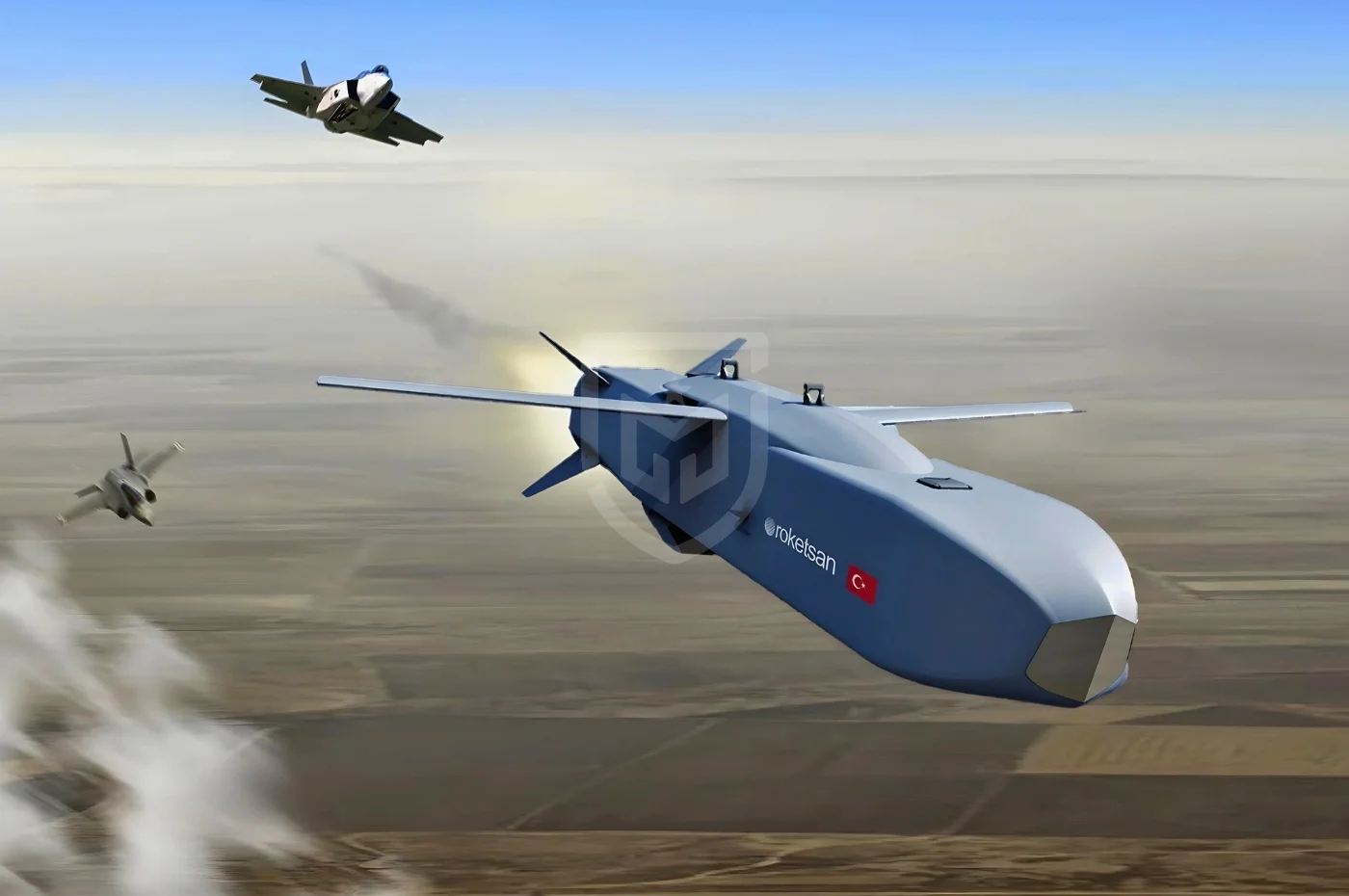
The Miniature Bomb (MB) was developed to address modern air warfare requirements, particularly stand-off precision strike operations against hardened and high-value targets. In today’s layered and networked air defense environments, aircraft survivability is critical. MB’s foldable wing architecture enables long-range glide capability when released from high altitude, allowing the launch platform to remain outside enemy air defense envelopes.
Operational Role and Mission Profile
MB is primarily designed for:
- Precision strike against hardened and reinforced targets
- Neutralization of high-value fixed infrastructure such as command centers and ammunition depots
- Controlled, low-collateral damage strikes in urban or sensitive environments
At 139 kg, MB belongs to the lightweight precision munition class, enabling aircraft to carry more weapons per sortie, significantly increasing operational efficiency and target servicing capacity.
Doctrine and Concept of Use
MB supports:
- Stand-off strike doctrine
- Post-SEAD/DEAD precision engagements
- Multi-target deep strike missions
The Multiple Carriage Rack allows four MB units on a single hardpoint. With two stations configured, an aircraft can carry eight bombs, enabling engagement of eight separate targets in one sortie. This dramatically enhances sortie efficiency and reduces operational exposure time.
System Architecture
MB consists of three primary subsystems:
Guidance and Navigation
- GPS-supported guidance
- INS (Inertial Navigation System)
- The dual-layer navigation architecture provides resilience against GNSS disruption, with INS ensuring continued trajectory calculation in degraded GPS conditions.
Aerodynamic Structure
- Deployable wing mechanism
- High glide ratio
- This configuration significantly increases stand-off range and energy efficiency.
Warhead
- Penetrator-type nose design
- Optimized for hardened targets
- Designed to defeat reinforced concrete and similar fortified structures.
Survivability and Threat Environment
When released from 40,000 ft (≈12,200 m), MB can achieve approximately 100 km of glide range. This enables aircraft to remain outside most short- and medium-range air defense systems.
The system offers a Circular Error Probable (CEP) of less than 15 meters. However, detailed public information regarding anti-jam GNSS capability or advanced terminal seekers is not disclosed.
Advantages Against Modern Threats
Advantages:
- Long stand-off range
- Multi-target capability per sortie
- Lightweight design
- Hardened target penetration capability
Limitations:
- Publicly known configuration is GPS/INS-based
- No publicly confirmed active terminal seeker
- In-flight retargeting or data-link capability not publicly disclosed
Detailed Technical Specifications
Dimensions and Weight
- Weight: 139 kg
- Length: 180 cm
- Diameter: 17 cm
Performance
- Maximum glide range: ~100 km (55 nautical miles)
- Penetrative effective range: 55 km
- Maximum release altitude: 40,000 ft (~12,200 m)
- CEP: < 15 m
Guidance System
- GPS-supported guidance
- Inertial Navigation System (INS)
- Mid-course inertial navigation
- Terminal guidance details not publicly disclosed
Warhead
- Penetrator-type nose structure
- Designed for reinforced concrete targets
- Explosive composition and penetration depth are not publicly disclosed
Carriage and Integration
- Four units per station via Multiple Carriage Rack
- Up to eight units on two stations
- Specific aircraft integrations are not publicly detailed, though conceptually compatible with F-16 class fighter aircraft
Electronic Warfare Resilience
- INS redundancy provides limited resilience against GPS denial
- Anti-jam performance specifications not publicly disclosed
Logistics and Operation
- Airbase-operated munition
- Maintenance cycle and personnel requirements not publicly disclosed
Frequently Asked Questions
What is the Miniature Bomb used for?
- MB is designed for long-range precision air-to-ground strike missions, particularly against hardened and high-value fixed targets.
What is its maximum range?
- Its maximum glide range is approximately 100 km. The penetrative effective range is stated as 55 km.
What types of targets can it defeat?
- MB is optimized for reinforced concrete structures, ammunition depots, command facilities, and other hardened infrastructure.
How many targets can be engaged in one sortie?
- An aircraft configured with two stations can carry up to eight MB units, allowing engagement of eight separate targets in a single sortie.
Can it engage moving targets?
- Based on publicly available information, MB uses GPS/INS guidance. There is no confirmed public information indicating an active terminal seeker for moving target engagement.
What are its international equivalents?
Comparable systems include:
- GBU-39 Small Diameter Bomb produced by Boeing
- Small Diameter Bomb family developed by Saab
MB competes in the lightweight stand-off precision strike category with emphasis on multi-carriage and hardened target capability.
Sources

- ASELSAN official product materials
- TÜBİTAK SAGE public munition catalogs
- Turkish Presidency of Defence Industries (SSB) public disclosures
- Open-source defense industry publications