Operational Purpose and Role
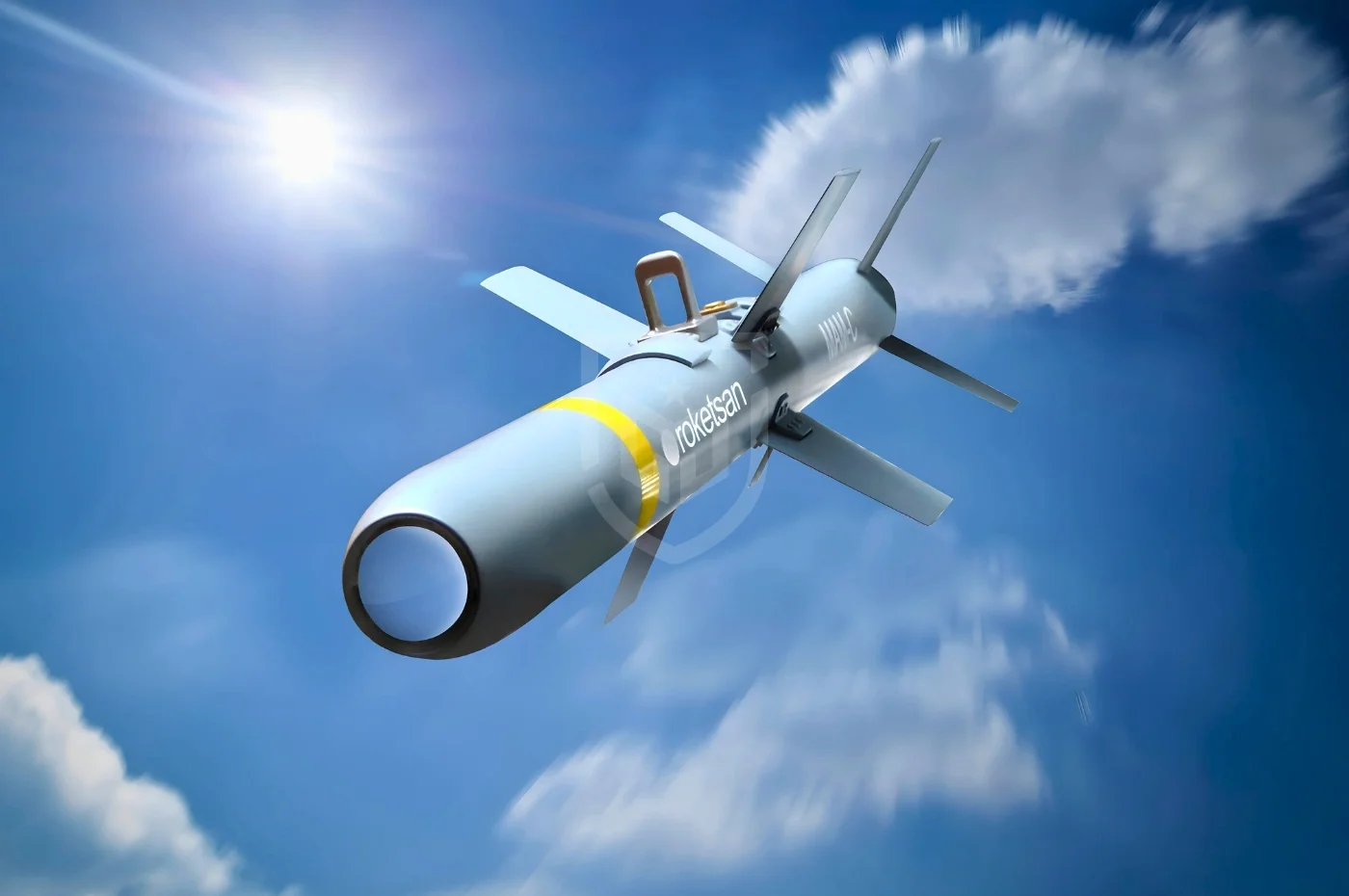
MAM-C was designed to provide precision-guided strike capability to platforms with limited payload capacity. Unlike heavier air-to-ground missiles, it enables small and medium UAVs to carry multiple munitions without compromising endurance.
Its primary mission roles include:
- Precision strike against tactical ground targets
- Counter-insurgency and asymmetric warfare operations
- Close air support in low-intensity conflict zones
- High-accuracy, low-collateral damage engagements
The system allows UAVs to conduct surveillance, target designation, and strike within a single sortie.
Doctrine and Concept of Operations
MAM-C operates under a laser-designated air-to-ground engagement doctrine:
- Target detection via EO/IR sensor
- Laser designation by onboard targeting system
- Munition release
- Semi-active laser homing to the designated point
Because the guidance relies on reflected laser energy, the operator retains control over the engagement until impact. Compared to heavier variants like MAM-L, MAM-C provides a more controlled and lower-yield effect, reducing collateral damage in urban or sensitive environments.
System Architecture
Although a standalone munition, MAM-C functions within an integrated strike ecosystem.
Munition Components:
- Semi-active laser seeker
- Guidance and control unit
- Aerodynamic control surfaces
- Multi-purpose warhead
Platform Requirements:
- Electro-optical/infrared (EO/IR) targeting system
- Laser designator
- Mission computer integration
- Data link with ground control station
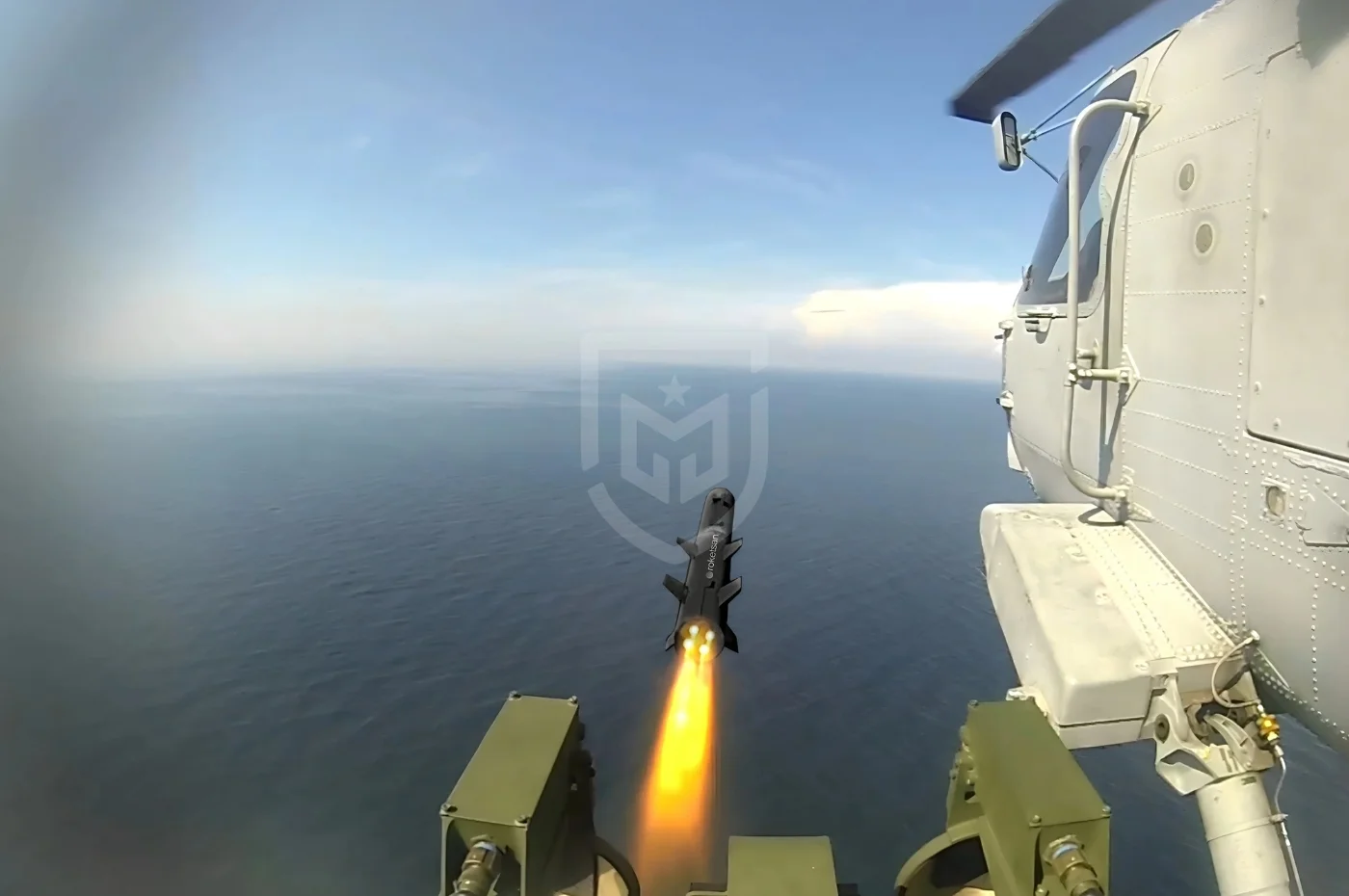
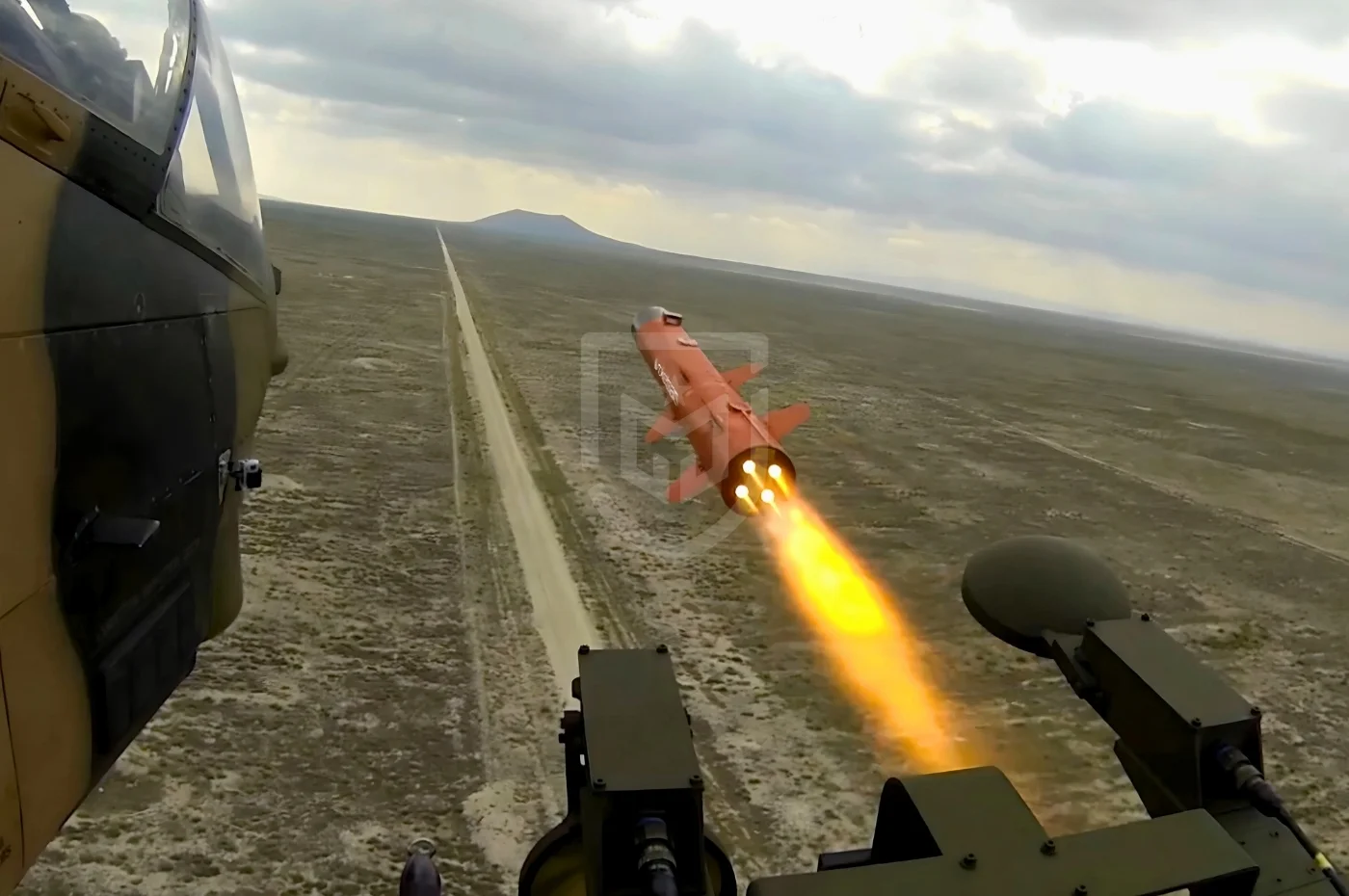
It is publicly known to be integrated on UAV platforms such as those produced by Baykar, including the Bayraktar TB2.
Survivability and Protection Approach
MAM-C does not emit active radar signals, reducing its detectability in electronic warfare environments. Its small physical size also lowers radar cross-section compared to larger guided missiles.
However:
- Laser guidance can be affected by adverse weather (fog, heavy rain, smoke).
- Advanced laser warning or countermeasure systems may degrade effectiveness.
The survivability of the system largely depends on the survivability of the carrier UAV.
Accuracy and Engagement Process
- Maximum range: ~8 km (depending on release altitude and platform speed)
- Guidance: Semi-active laser homing
- Impact accuracy: Sub-meter class (exact CEP not publicly disclosed)
- Engagement timeline: Short, depending on release conditions
The engagement cycle is efficient due to integrated ISR and strike capability on the same platform.
Advantages Against Modern Threats
Advantages:
- Extremely lightweight
- Enables multiple munition carriage
- Cost-effective solution
- Low collateral damage potential
- Suitable for persistent UAV operations
Limitations:
- Not optimized for heavily armored main battle tanks
- Weather-dependent guidance
- Requires continuous laser designation until impact
Variants and Family
MAM-C is part of the MAM munition family, which includes:
MAM-C is the lightest member, optimized for smaller UAV payload classes.
Detailed Technical Specifications
Dimensions and Weight
- Diameter: 70 mm
- Length: ~970 mm
- Weight: ~6.5 kg
Performance
- Maximum effective range: ~8 km
- Release altitude: Platform-dependent (exact values not publicly disclosed)
- Flight profile: Glide trajectory after release
Guidance and Control
- Guidance type: Semi-active laser seeker
- Terminal phase: Laser spot homing
- Fire control: Integrated with aircraft mission computer
Warhead
- Type: Multi-purpose
- Effects: Fragmentation, armor-piercing capability against light armor, incendiary effect
- Heavy armor penetration: Not publicly disclosed
Integration
- UAV platforms
- Light attack aircraft
- Compatible with laser designation systems
Electronic Warfare Resistance
- Passive guidance (no RF emission)
- Resistance to RF jamming inherent
- Laser countermeasure resistance: Not publicly disclosed
Frequently Asked Questions
What is MAM-C used for?
- It is used for precision air-to-ground strikes from UAVs and light aircraft, primarily against lightly armored vehicles and personnel targets.
What is the range of MAM-C?
- The effective range is approximately 8 km, depending on launch altitude and speed.
What types of targets can it engage?
- Light armored vehicles
- Unarmored vehicles
- Personnel
- Tactical infrastructure
It is not primarily intended for main battle tank destruction.
Is MAM-C mobile or fixed?
- It is an air-launched munition. Its mobility depends entirely on the carrier aircraft.
How many targets can it engage simultaneously?
- Each munition engages one target. Multiple simultaneous engagements depend on the number carried by the platform.
How does it compare to similar systems?
- Compared to heavier guided munitions, MAM-C prioritizes lightweight design, cost efficiency, and compatibility with smaller UAVs.
Sources
- Roketsan official product catalog – MAM-C
- Roketsan press releases
- Turkish defense industry public briefings
- International defense exhibition materials