
Command Ctrl Info. Sys. and Network-Centric Warfare


BREAKING NEWS
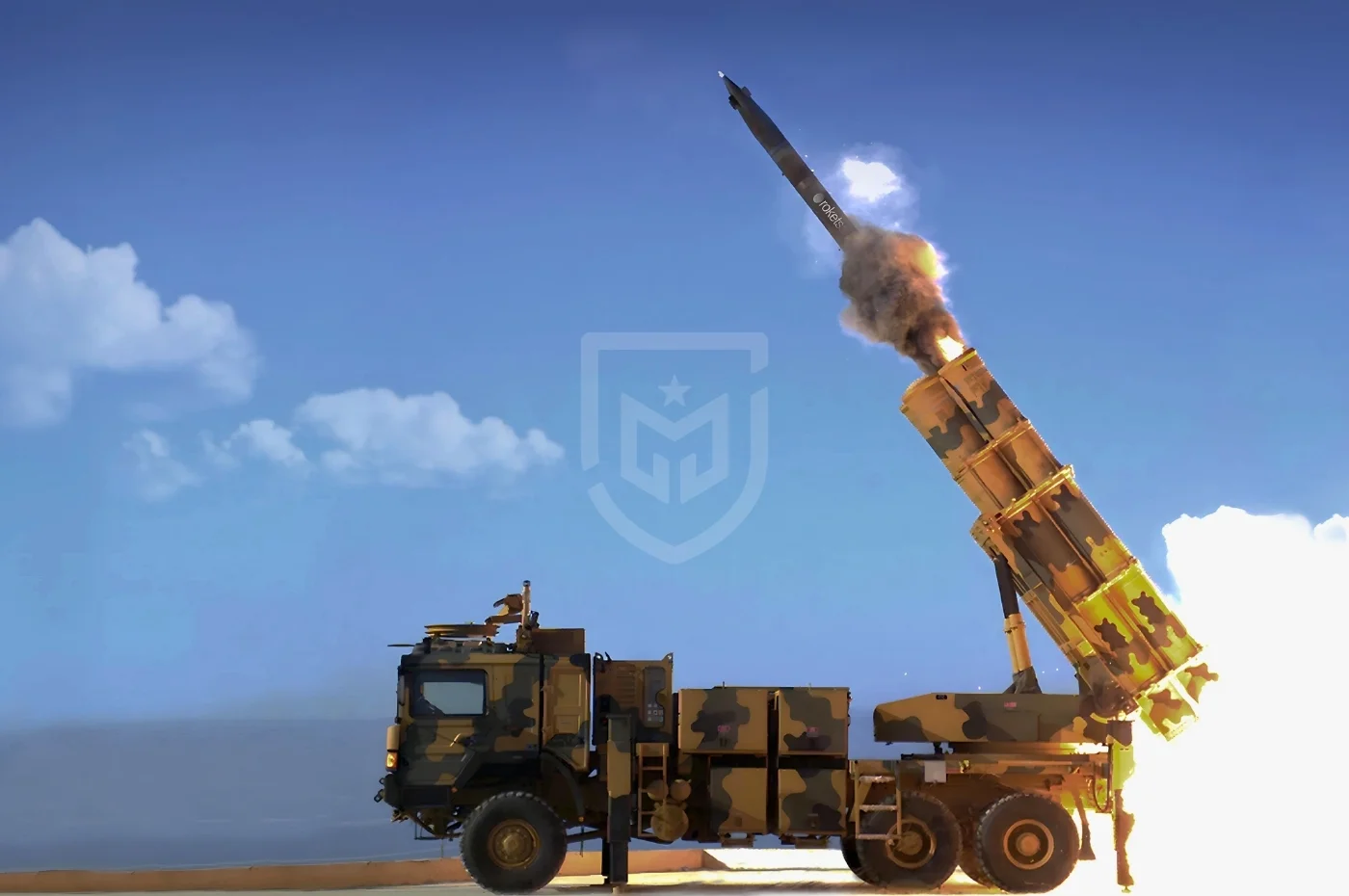
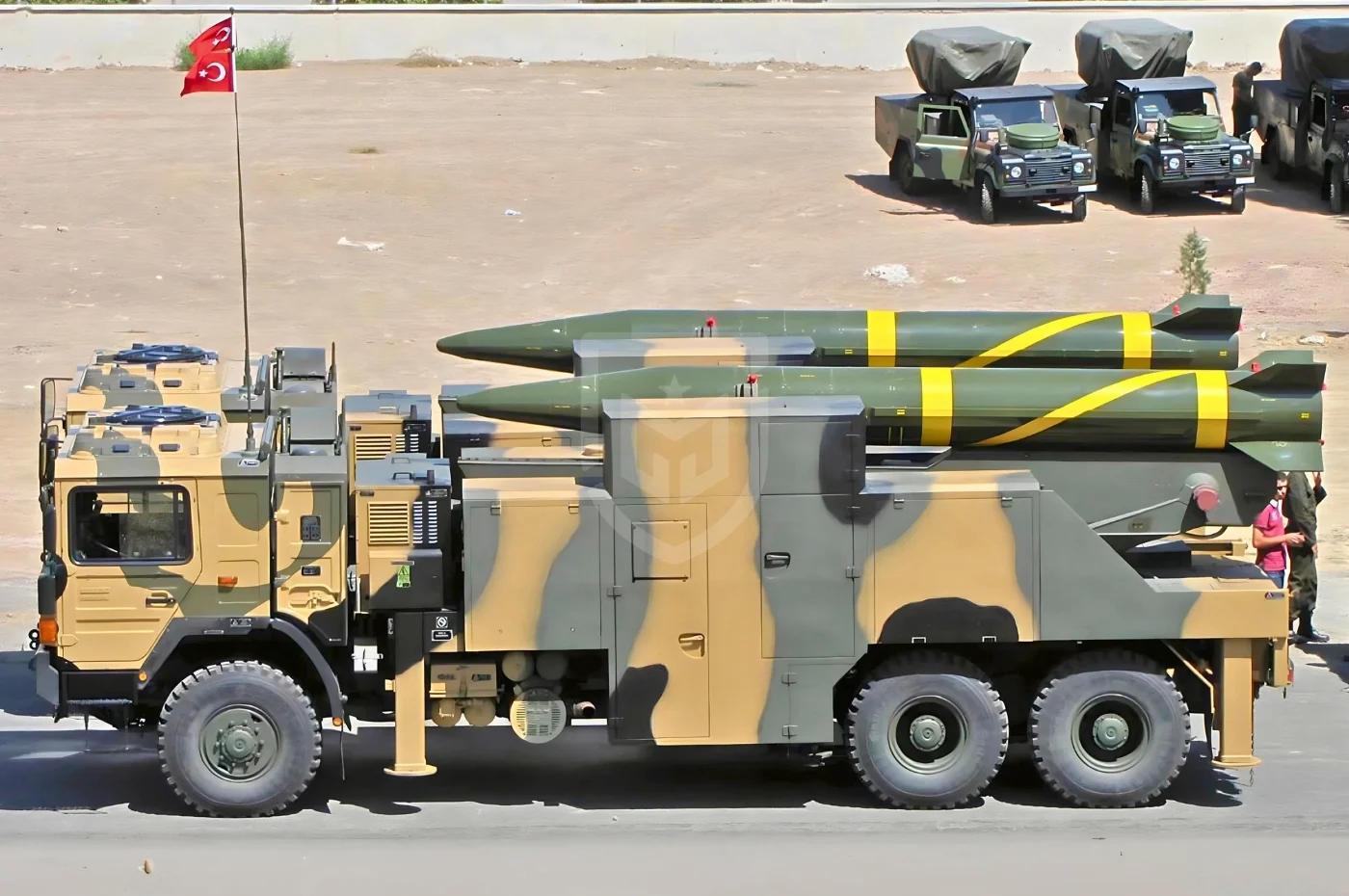
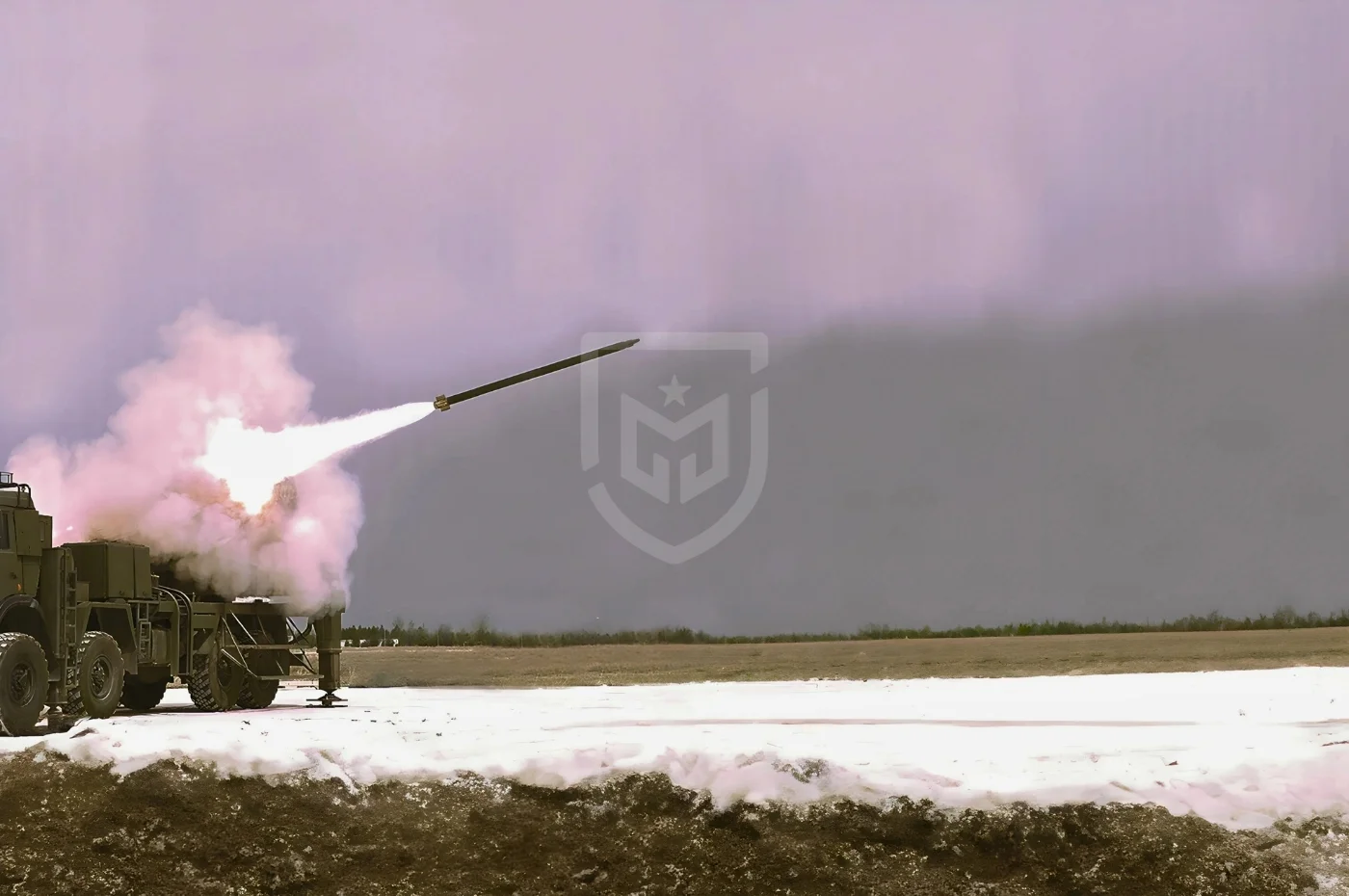
The TRG-300 KAPLAN represents the evolution of conventional multiple launch rocket systems into the precision-strike domain. While traditional unguided rockets emphasize area saturation, TRG-300 integrates advanced guidance technology to deliver pinpoint accuracy at extended ranges. This significantly enhances effectiveness while reducing ammunition expenditure and unintended damage.
Operational Role and Mission Profile
The primary mission of TRG-300 is deep precision strike at the tactical and operational levels. It is designed to neutralize:
With a range envelope between 90 km (Block-II) and 120 km (Block-III), the system enables engagement of targets well beyond frontline contact zones.
Doctrine and Concept of Employment
TRG-300 is deployed from mobile multiple launch rocket platforms. Target coordinates are uploaded into the fire control system prior to launch. After launch, the rocket navigates using an Inertial Navigation System supported by satellite positioning.
Its operational concepts include:
The system supports shoot-and-scoot tactics due to its integration with mobile launcher platforms.
System Architecture
TRG-300 consists of:
The guidance system maintains navigation through inertial systems if GNSS signals are degraded. However, detailed performance parameters under heavy electronic warfare conditions are not publicly disclosed.
Accuracy and Engagement Process
Both Block-II and Block-III variants feature a CEP of ≤10 meters.
Engagement sequence:
The proximity fuze option increases effectiveness against personnel and lightly protected targets.
Survivability and Modern Threat Environment
Survivability is achieved primarily through:
The rocket follows a ballistic trajectory and does not include an onboard self-defense system. Therefore, employment against layered integrated air defense networks requires operational planning.
Variants
Block-II
Block-III
Optimized for extended range
The reduced warhead weight in Block-III allows for increased maximum range.
Detailed Technical Specifications
Dimensions and Weight
Rocket length is not fully disclosed in open sources.
Propulsion
Maximum velocity and burn duration are not publicly disclosed.
Performance
Guidance and Control
Warhead
Command and Control Integration
TRG-300 integrates with modern digital fire control systems and can operate within network-centric warfare environments depending on launcher configuration.
Electronic Warfare Resistance
The navigation system is designed to resist GNSS jamming. Specific ECCM performance metrics are not publicly available.
Frequently Asked Questions
What is TRG-300 KAPLAN used for?
What is its maximum range?
What types of targets can it destroy?
How accurate is it?
Is it mobile?
What are its equivalents?
Comparable systems include:
TRG-300 stands out in the 300 mm class with heavy warhead options and extended range capability.
Sources




The cookies used on our website are used to provide you with a better user experience and to improve our website. You can manage your cookie preferences from the options below.