
Command Ctrl Info. Sys. and Network-Centric Warfare


BREAKING NEWS
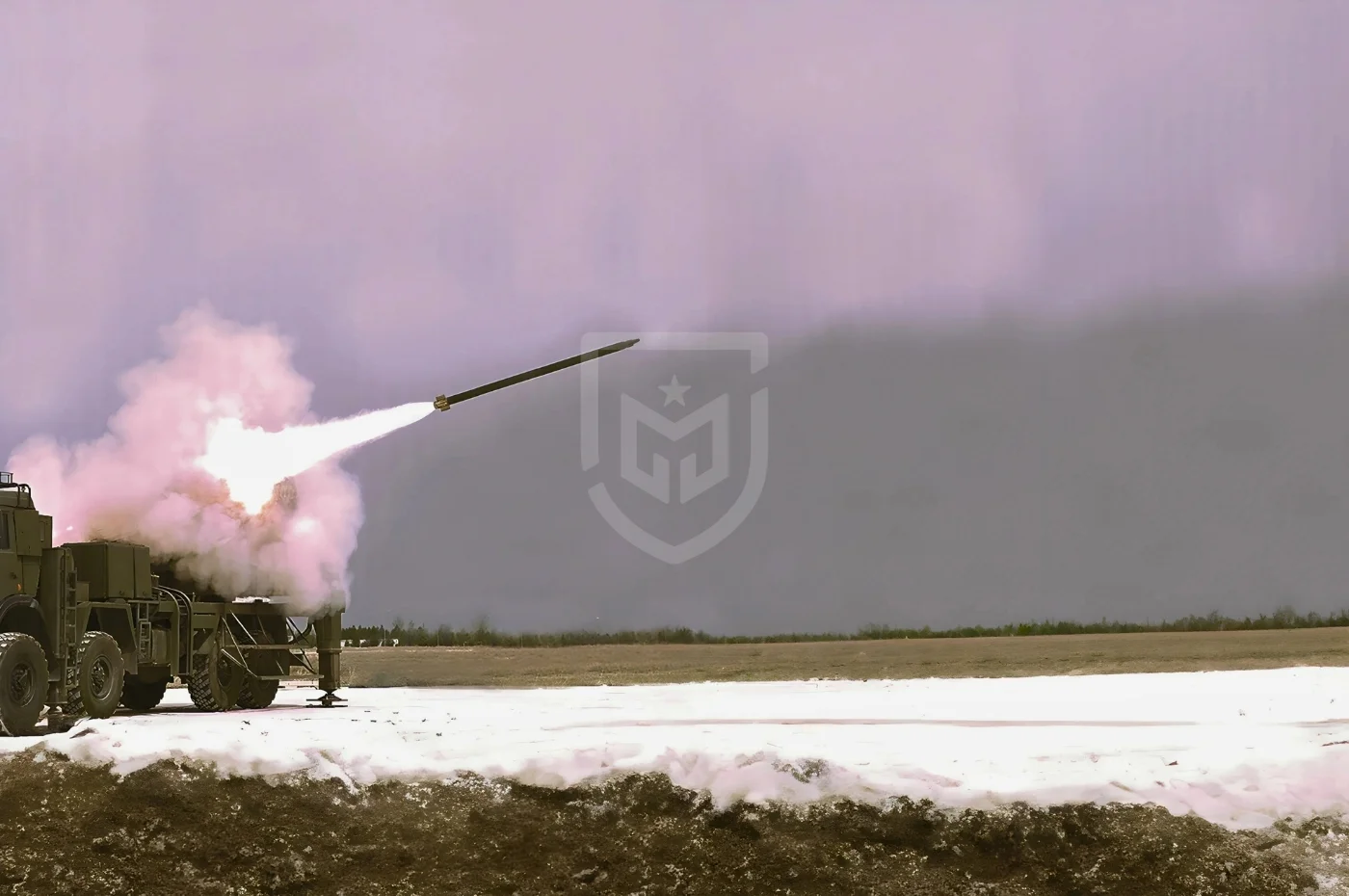
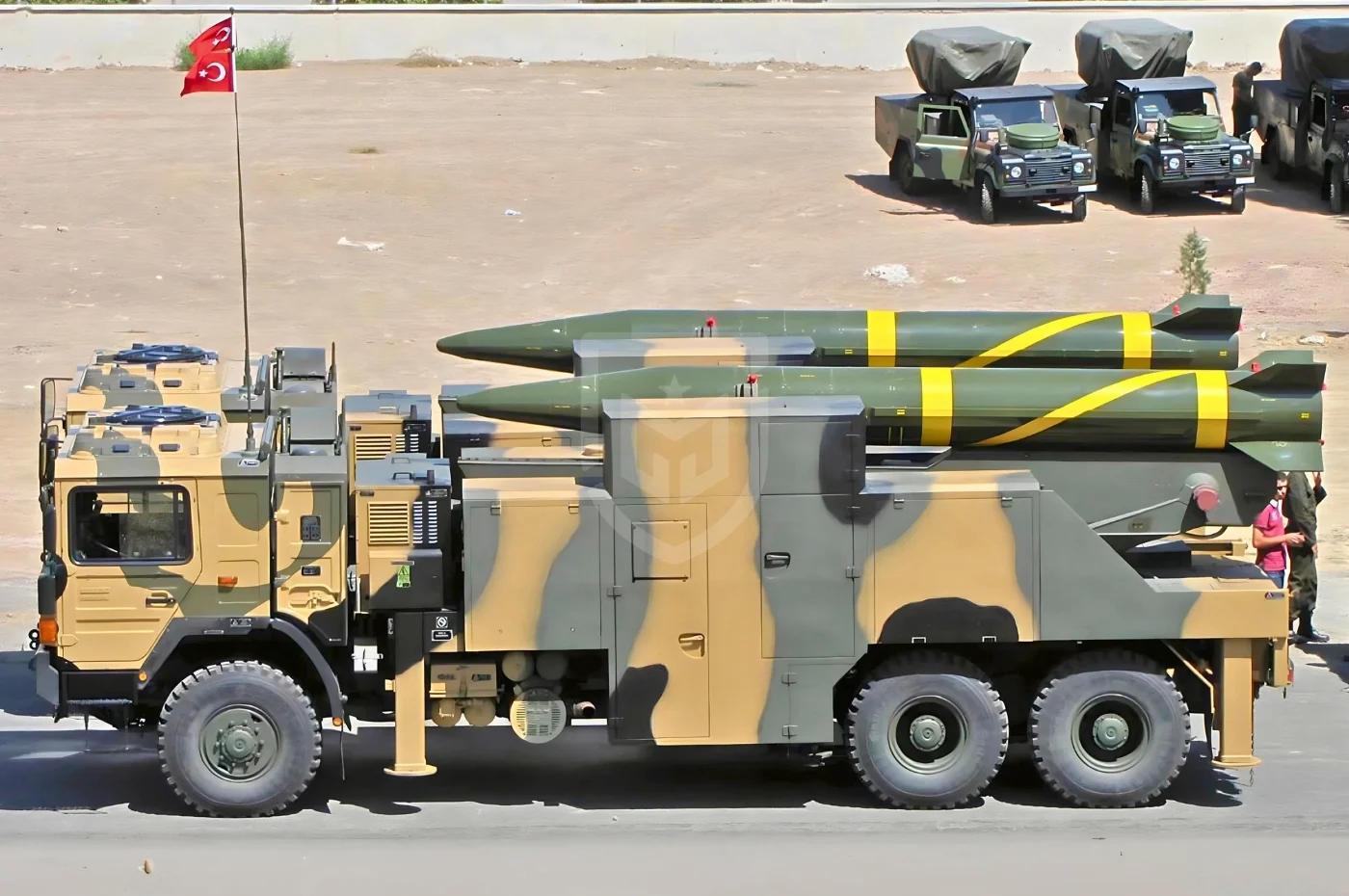
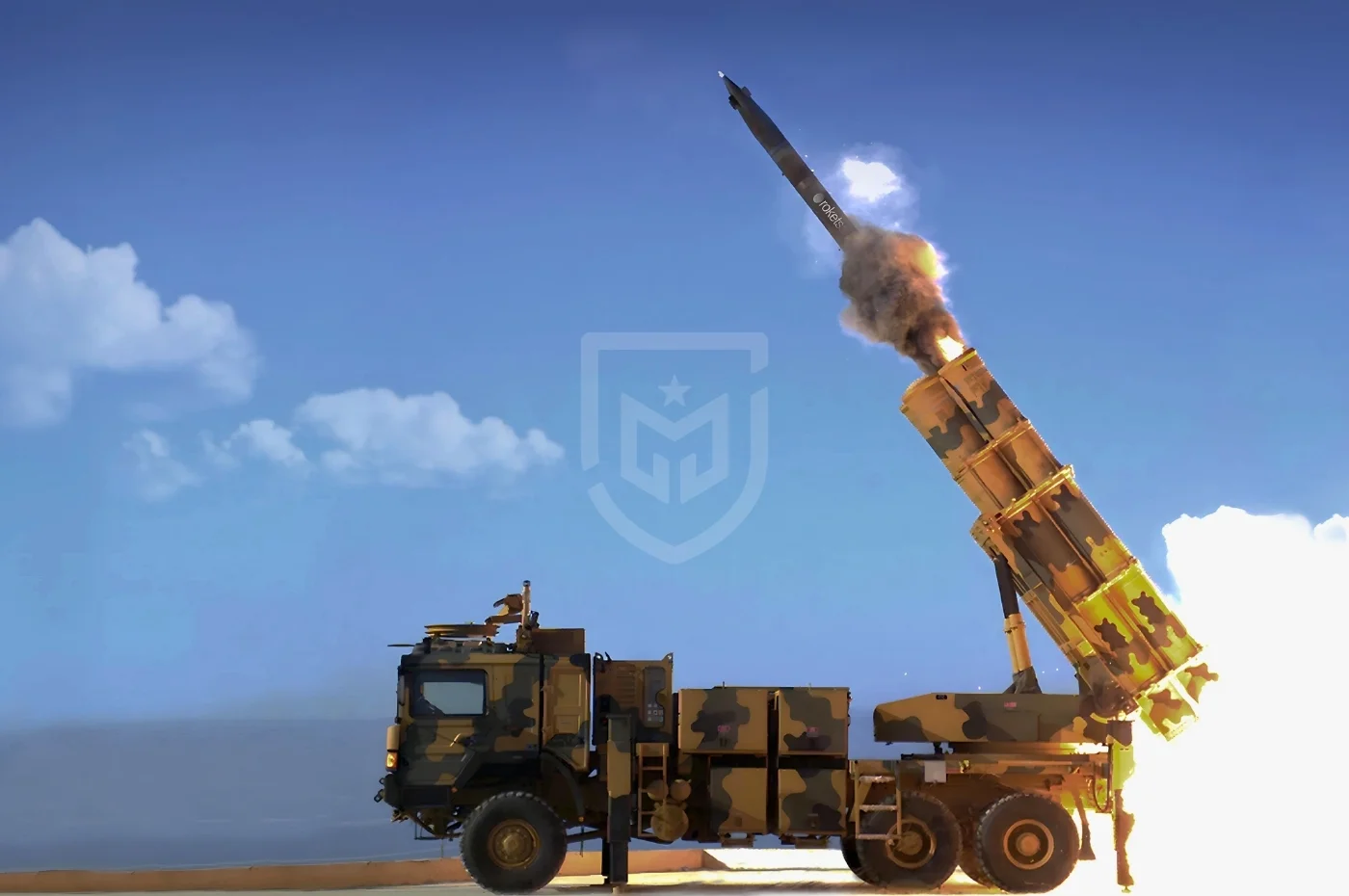
The TRG-122 represents the evolution of conventional 122 mm multiple launch rocket system munitions into a precision-strike capability. While traditional 122 mm rockets are primarily used for area suppression, the TRG-122 introduces guided flight correction, transforming the role from saturation fire to precision engagement.
Operational Purpose and Role
The primary mission of the TRG-122 is to provide precise, rapid, and cost-effective fire support at the tactical level. It is particularly effective against:
By combining rapid launch capability with guided accuracy, the system supports maneuver brigades operating in dynamic and time-sensitive battlefield environments.
Doctrine and Concept of Use
The TRG-122 is designed for integration with existing 122 mm multiple launch rocket systems in service. This allows armed forces to upgrade firepower precision without replacing their launcher infrastructure.
Doctrinally, it supports:
Before launch, target coordinates are uploaded into the fire control system. During flight, the rocket performs trajectory corrections using its INS and GNSS-supported guidance unit. In GNSS-denied environments, the inertial navigation system allows continued guidance with reduced but sustained accuracy.
System Architecture
The TRG-122 consists of:
Unlike purely ballistic rockets, the TRG-122 actively corrects its trajectory during flight using control surfaces actuated by electromechanical systems.
Accuracy and Engagement Process
The publicly stated Circular Error Probable (CEP) is ≤ 20 meters. This level of precision significantly enhances effectiveness against coordinate-defined targets.
The engagement sequence typically includes:
The 13.5 kg fragmentation warhead provides an effective lethal radius of at least 40 meters.
Survivability and Modern Threat Environment
Advantages:
Limitations:
Variants and Configurations
Publicly available information regarding block upgrades or export-specific variants is limited. Different warhead configurations may exist, but detailed specifications are not publicly disclosed.
Detailed Technical Specifications
Dimensions and Weight
Propulsion System
Performance
Guidance and Control
Warhead
Command and Control Integration
Electronic Warfare Considerations
Mobility and Deployment
Personnel and Operation
Frequently Asked Questions
What is the TRG-122 used for?
What is its maximum range?
How accurate is the TRG-122?
What types of targets can it engage?
Is it mobile?
How does it compare to unguided 122 mm rockets?
Sources




The cookies used on our website are used to provide you with a better user experience and to improve our website. You can manage your cookie preferences from the options below.