Command Ctrl Info. Sys. and Network-Centric Warfare


BREAKING NEWS
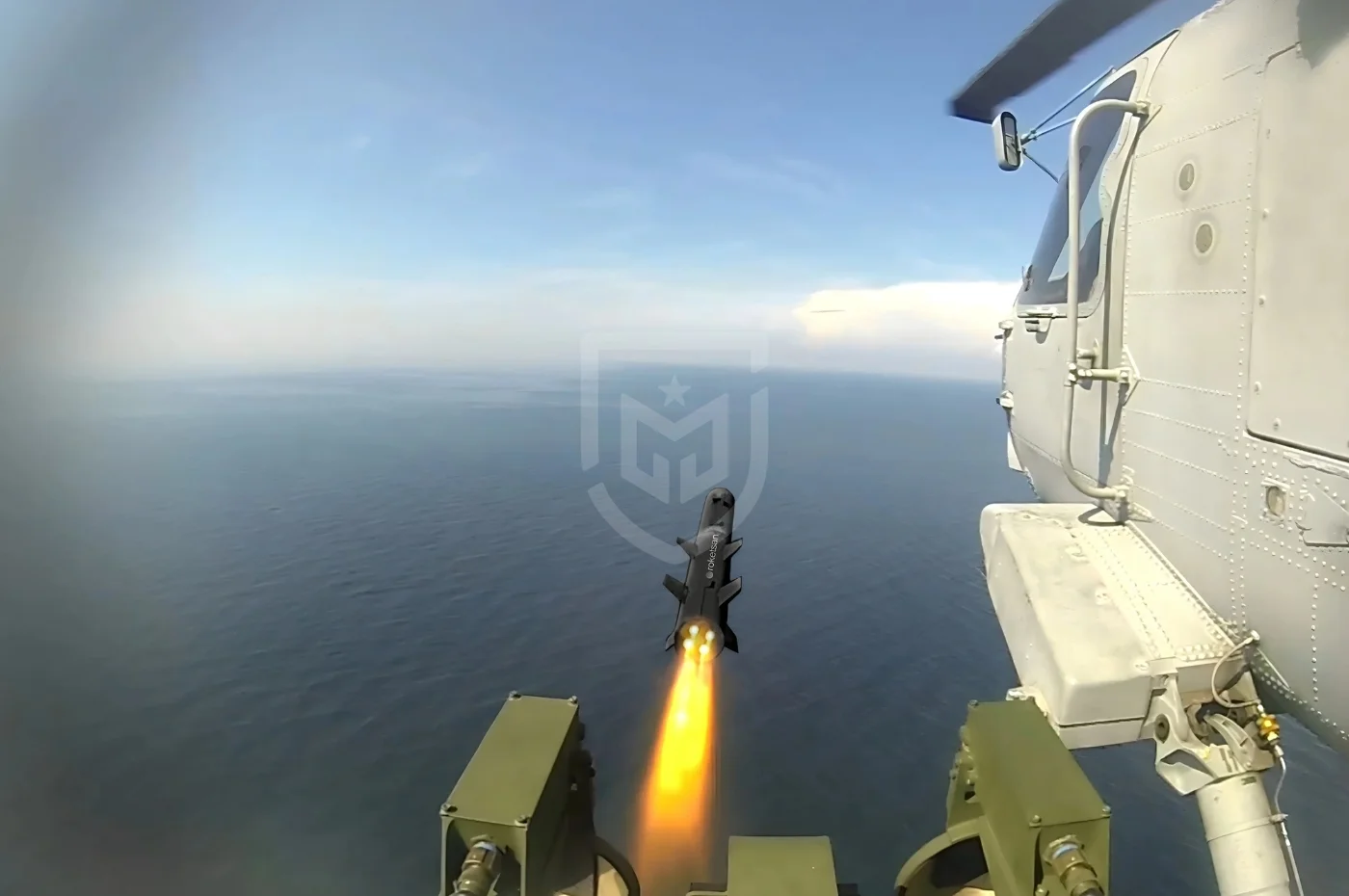
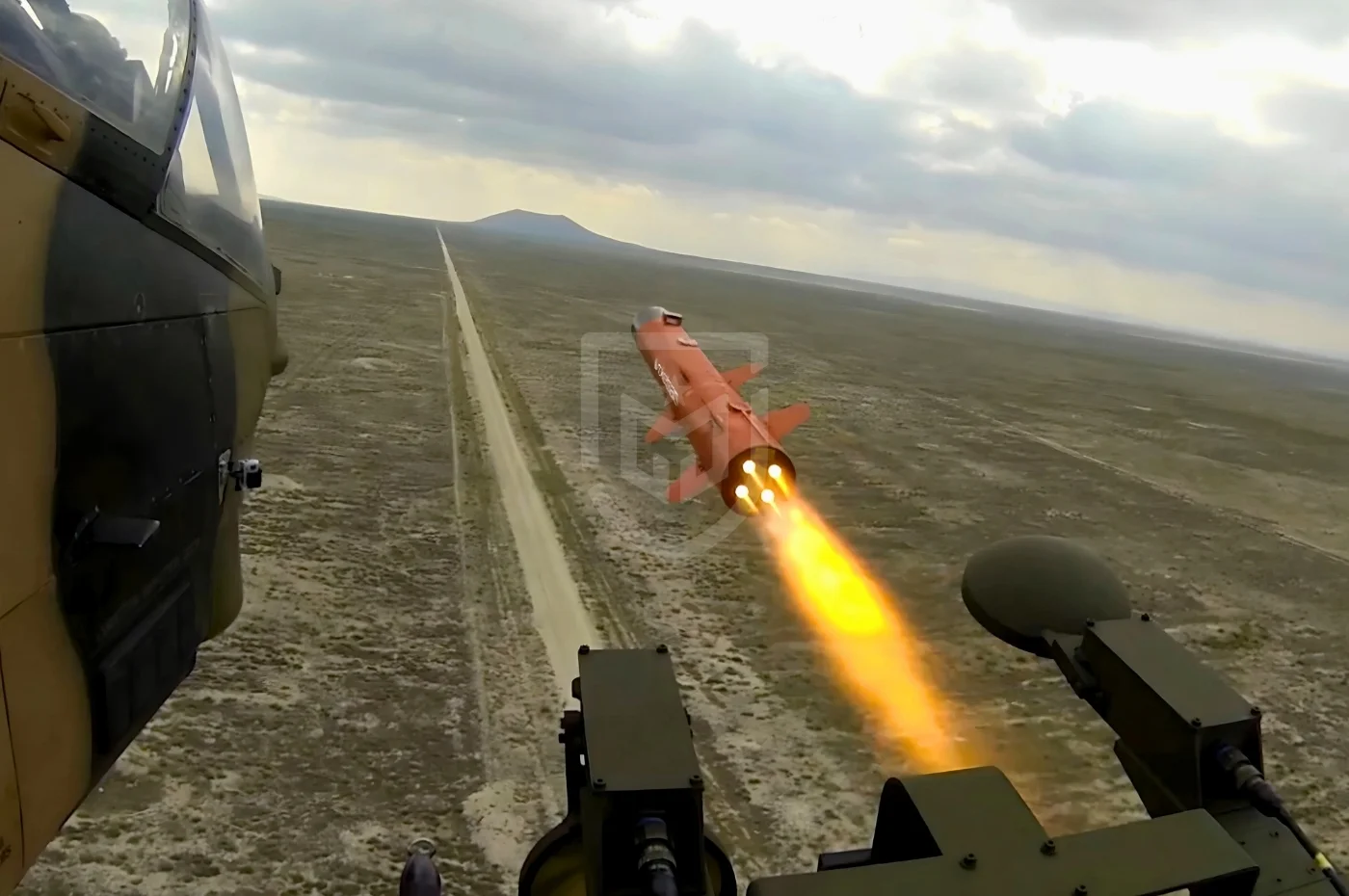
L-UMTAS was developed to provide precision, stand-off anti-armor capability from airborne platforms in modern battlefield conditions. Optimized primarily for attack helicopters, the system enables engagement of heavily armored targets at extended ranges while maintaining platform survivability.
Operational Purpose and Role
The primary role of L-UMTAS is long-range destruction of armored vehicles, including:
With an operational range of up to 8 km, the missile allows launch platforms to remain outside many short-range air defense envelopes, increasing survivability in contested environments.
Doctrine and Concept of Use
L-UMTAS is designed to operate within a network-centric warfare framework. Target detection is typically performed by the host platform’s electro-optical/infrared (EO/IR) targeting systems, followed by laser designation.
Engagement sequence:
The lock-on after launch capability enhances tactical flexibility, allowing operators to adjust target priority or refine designation during missile flight.
Platform Architecture and Integration
L-UMTAS is compliant with the MIL-STD-1760 interface standard, ensuring compatibility with NATO-standard aircraft weapon systems.
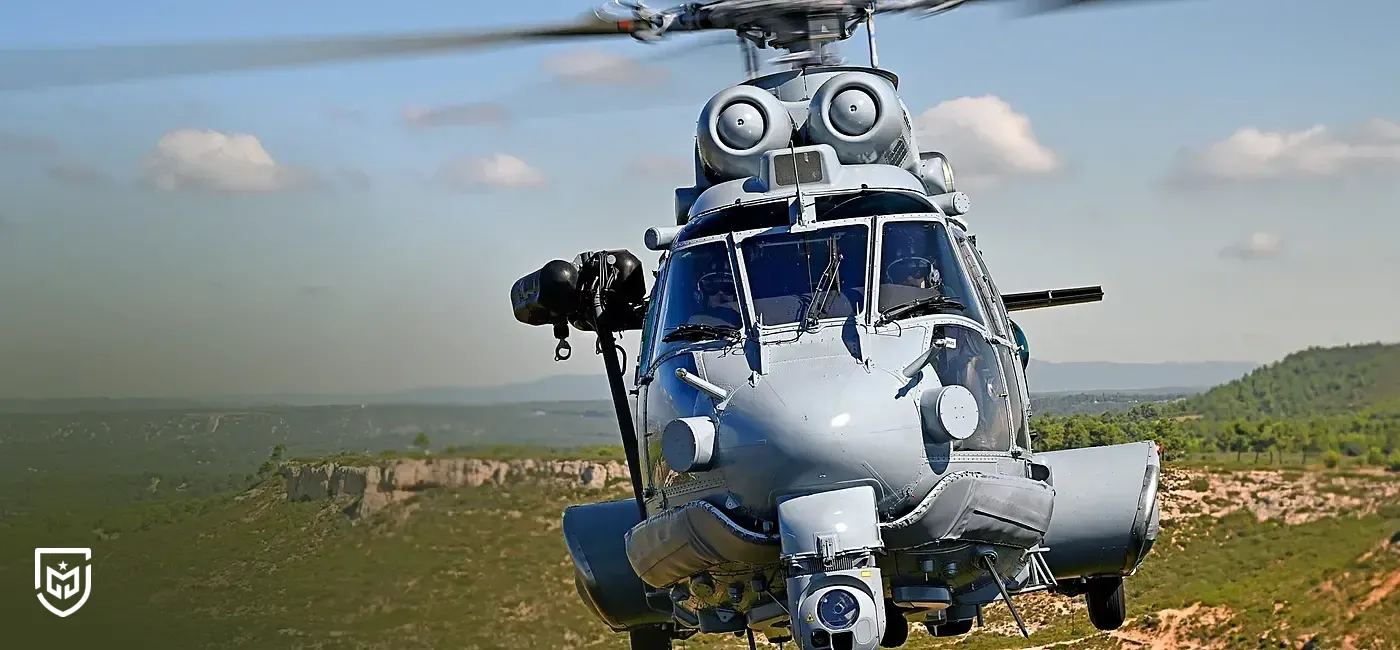
Confirmed integrations include:
Potential or conceptual integrations:
Naval platforms
Survivability and Safety
The missile incorporates insensitive munition characteristics to improve operational safety:
The tandem warhead configuration is specifically designed to defeat explosive reactive armor (ERA).
Performance Against Modern Threats
Advantages:
Limitations:
As a semi-active laser-guided system, it requires laser designation during the engagement phase. Environmental factors such as heavy smoke, fog, or counter-laser measures may reduce effectiveness.
Variants
IIR seeker variants (Imaging Infrared) – publicly known but with limited disclosed specifications
Detailed Technical Specifications
Dimensions and Weight
Range
Guidance System
Warhead
Exact penetration values are not publicly disclosed.
Propulsion
Launcher Configurations
Command, Control and Interfaces
Electronic Warfare Considerations
Since L-UMTAS relies on laser guidance rather than RF-based tracking, it is inherently less vulnerable to traditional radio-frequency jamming. Detailed ECCM capabilities are not publicly disclosed.
Operational Use
L-UMTAS is in service with the Turkish Armed Forces, particularly integrated on T129 ATAK helicopters. Publicly available information confirms operational deployment, while detailed export customer data remains limited.
Frequently Asked Questions
What is L-UMTAS used for?
What is the range of L-UMTAS?
What types of targets can it engage?
Can it operate at night?
How many targets can it engage simultaneously?
What are its main equivalents?
Comparable systems include:
L-UMTAS offers Türkiye an indigenous precision anti-armor capability integrated with national platforms.
Sources



The cookies used on our website are used to provide you with a better user experience and to improve our website. You can manage your cookie preferences from the options below.