Operational Purpose and Role
OMTAS is designed to engage:
- Main Battle Tanks (MBTs)
- Armored Personnel Carriers (APCs)
- Infantry Fighting Vehicles (IFVs)
- Fortified positions
- Low-speed, low-altitude targets (within capability limits)
Its primary mission is to provide mechanized infantry and armored units with an organic medium-range precision anti-armor capability. It fills the operational gap between short-range shoulder-fired systems and long-range heavy anti-tank missile platforms.
Doctrine and Concept of Employment
Unlike legacy SACLOS-guided systems, OMTAS employs an Imaging Infrared (IIR) seeker, allowing autonomous terminal guidance.
The system supports:
- Fire-and-Forget
- Fire-and-Update
- Lock-On Before Launch (LOBL)
- Lock-On After Launch (LOAL)
- Mid-course target update
- Target re-designation during flight
- Top-Attack mode
- Direct-Attack mode
This enables:
- Engagement from behind cover
- Reduced operator exposure
- Improved survivability in high-threat environments
- Flexibility in complex terrain and urban warfare
System Architecture
OMTAS consists of three primary components:
Missile
- Imaging Infrared (IIR) seeker
- RF data link receiver/transmitter
- Tandem anti-tank warhead
- Solid-fuel rocket motor
- Aerodynamic control surfaces
Fire Control Unit
- Thermal sight
- Daylight camera
- Target tracking algorithms
- Integrated control interface
Launcher Platform
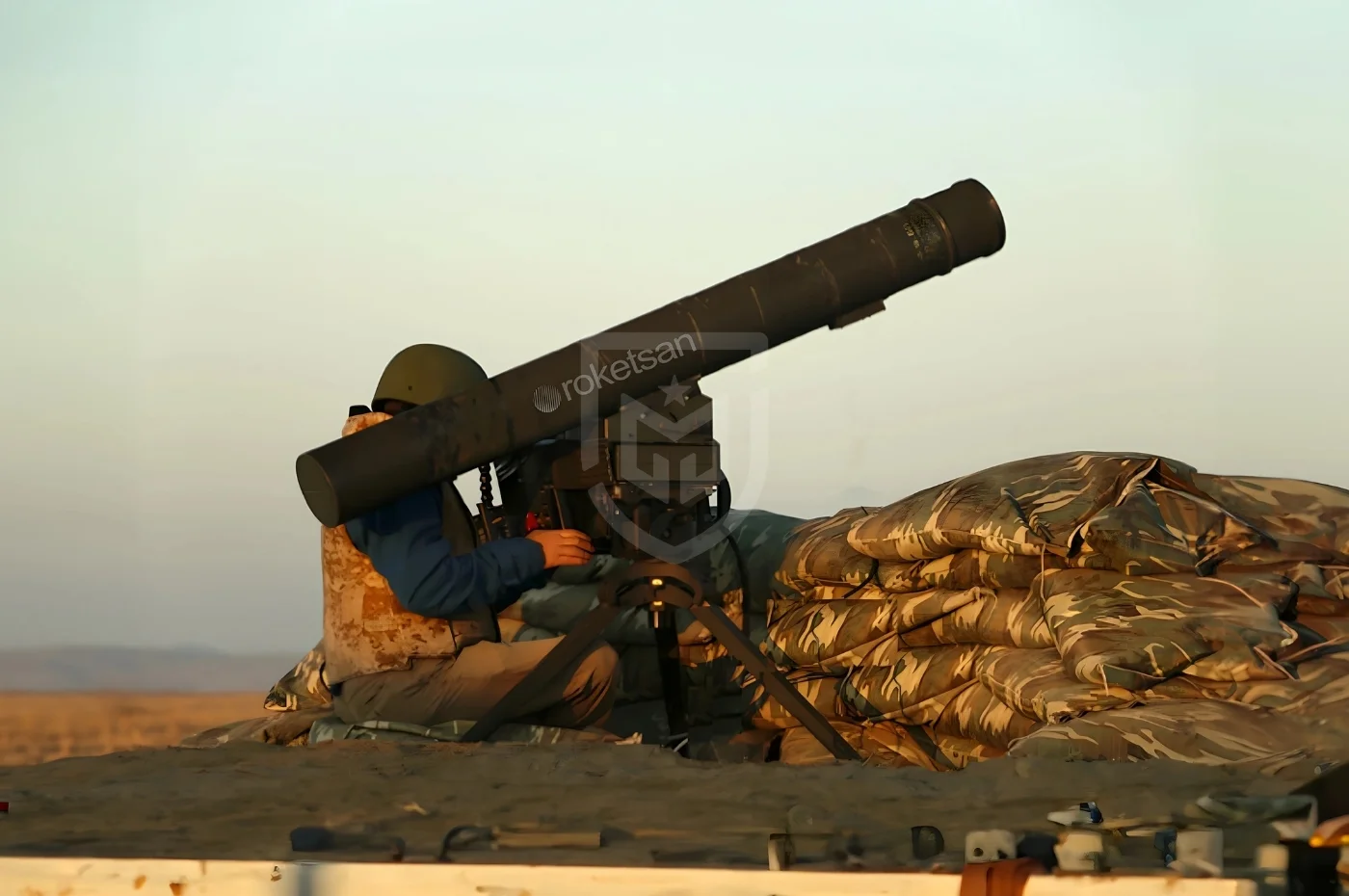
- Tripod-based portable system
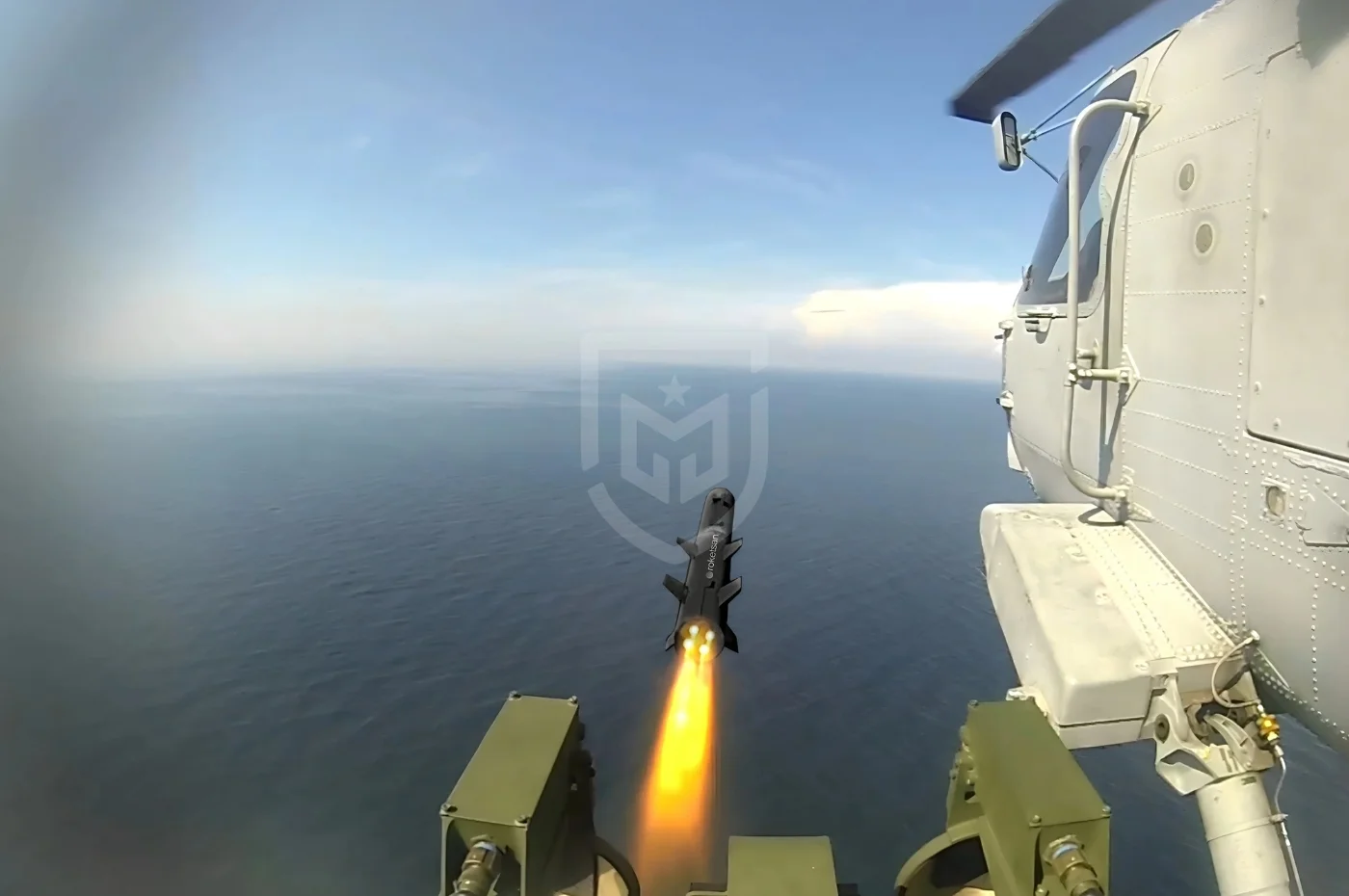
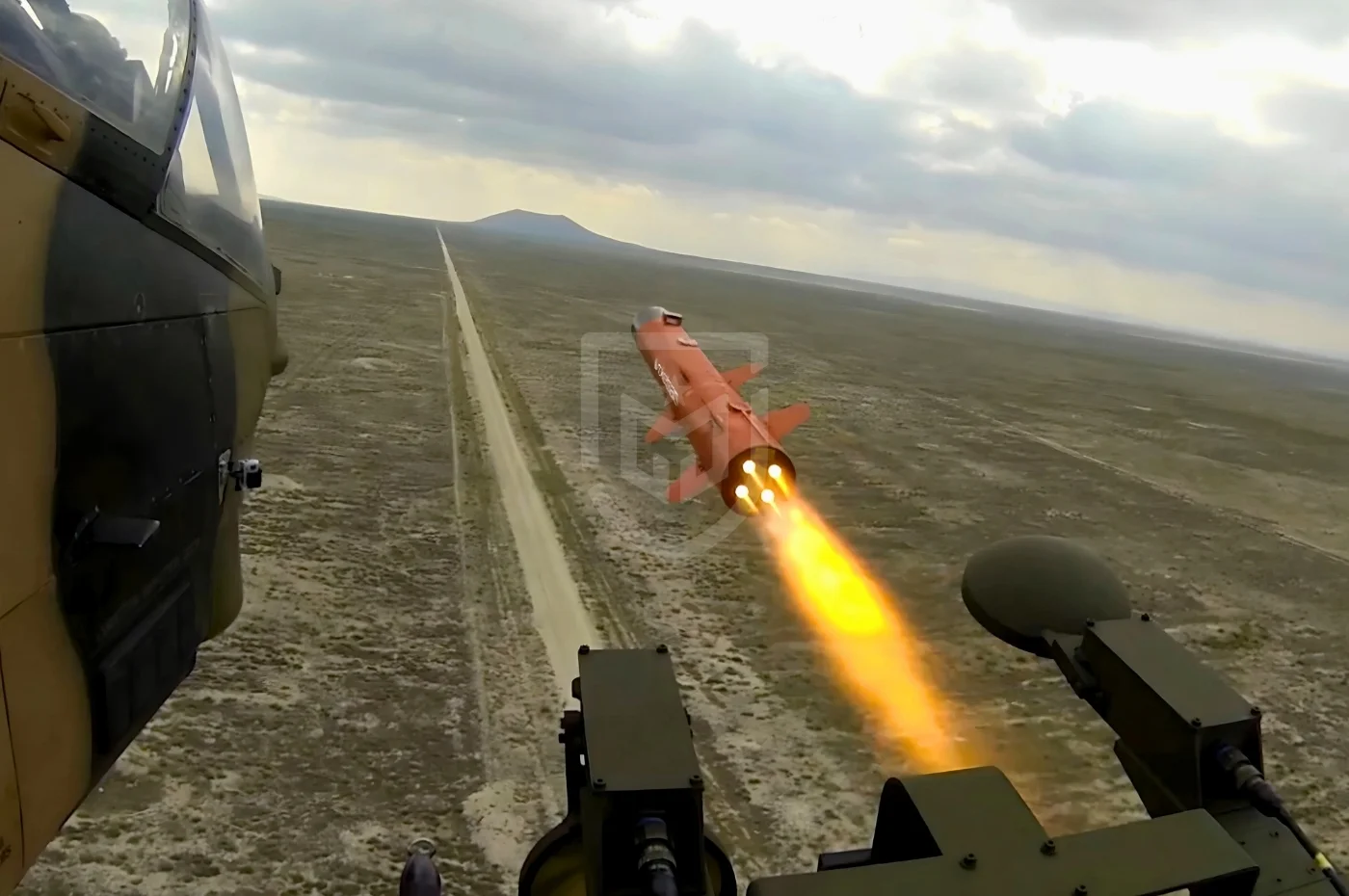
- Vehicle-mounted integration (open/closed turret configurations)
Guidance and Seeker Technology
The IIR seeker allows the missile to:
- Acquire thermal image of the target
- Track based on heat signature and shape recognition
- Maintain resistance against certain electronic countermeasures
The RF data link enables:
- Real-time target updates
- Engagement abortion
- Switching to alternate targets mid-flight
This significantly increases tactical flexibility compared to traditional wire-guided systems.
Warhead and Lethality
Available warhead options (publicly disclosed):
- Tandem HEAT (Anti-Tank)
- High-Explosive Fragmentation
- Thermobaric
The tandem configuration is designed to neutralize ERA before penetrating the main armor.
Exact armor penetration values are not publicly disclosed.
Survivability and Safety
- Insensitive munition design
- Resistance to bullet impact and fuel fire
- Reduced operator exposure due to fire-and-forget capability
- Capability to launch from defilade positions
Integration and Ecosystem
OMTAS can be integrated onto:
- Armored combat vehicles
- Tactical wheeled armored platforms
- Static defensive positions
It forms part of Türkiye’s layered anti-armor capability alongside short- and long-range systems developed domestically.
Advantages Against Modern Threats
Advantages:
- IIR autonomous seeker
- RF data link flexibility
- Top-attack capability
- Day/night operational capability
- Tandem warhead for ERA-equipped tanks
Limitations:
- 4 km range limits engagement depth compared to long-range ATGMs
- Detailed performance against modern active protection systems (APS) is not publicly disclosed
- Network-centric warfare integration details are limited in public sources
Detailed Technical Specifications
Dimensions and Weight
- Diameter: 160 mm
- Length: 1.8 meters
- Total weight (missile + launch tube): approx. 35 kg
Range
- Minimum: 200 meters
- Maximum: 4 kilometers
Guidance System
- Imaging Infrared (IIR) seeker
- RF data link
- Fire-and-Forget
- Fire-and-Update
Attack Modes
Warhead Types
- Tandem HEAT
- Thermobaric
- Fragmentation
Armor penetration figures are not publicly disclosed.
Deployment
- Tripod portable configuration
- Vehicle-mounted turret integration
- Capable of firing from covered positions
Personnel Requirement
- Typically operated by a two-person team. Official doctrinal personnel structure is not publicly detailed.
Frequently Asked Questions
What is OMTAS used for?
- OMTAS is used to destroy armored vehicles, especially modern main battle tanks, at medium ranges up to 4 km.
What is the maximum range of OMTAS?
- The maximum operational range is 4 kilometers, with a minimum engagement distance of approximately 200 meters.
Can it defeat modern tanks with reactive armor?
- Yes. Its tandem HEAT warhead is designed to defeat explosive reactive armor before penetrating the main armor layer.
Does it have fire-and-forget capability?
- Yes. Thanks to its Imaging Infrared seeker, the missile can autonomously track and engage the target after launch.
Can OMTAS be integrated onto vehicles?
- Yes. It can be mounted on armored platforms with open or enclosed turret systems.
Does it support top-attack mode?
- Yes. It can engage targets using a top-attack trajectory to strike weaker upper armor sections.
Sources
- Roketsan official product page
- Roketsan technical brochures
- Presidency of Defense Industries (SSB) public releases
- International defense exhibition materials