Command Ctrl Info. Sys. and Network-Centric Warfare


BREAKING NEWS
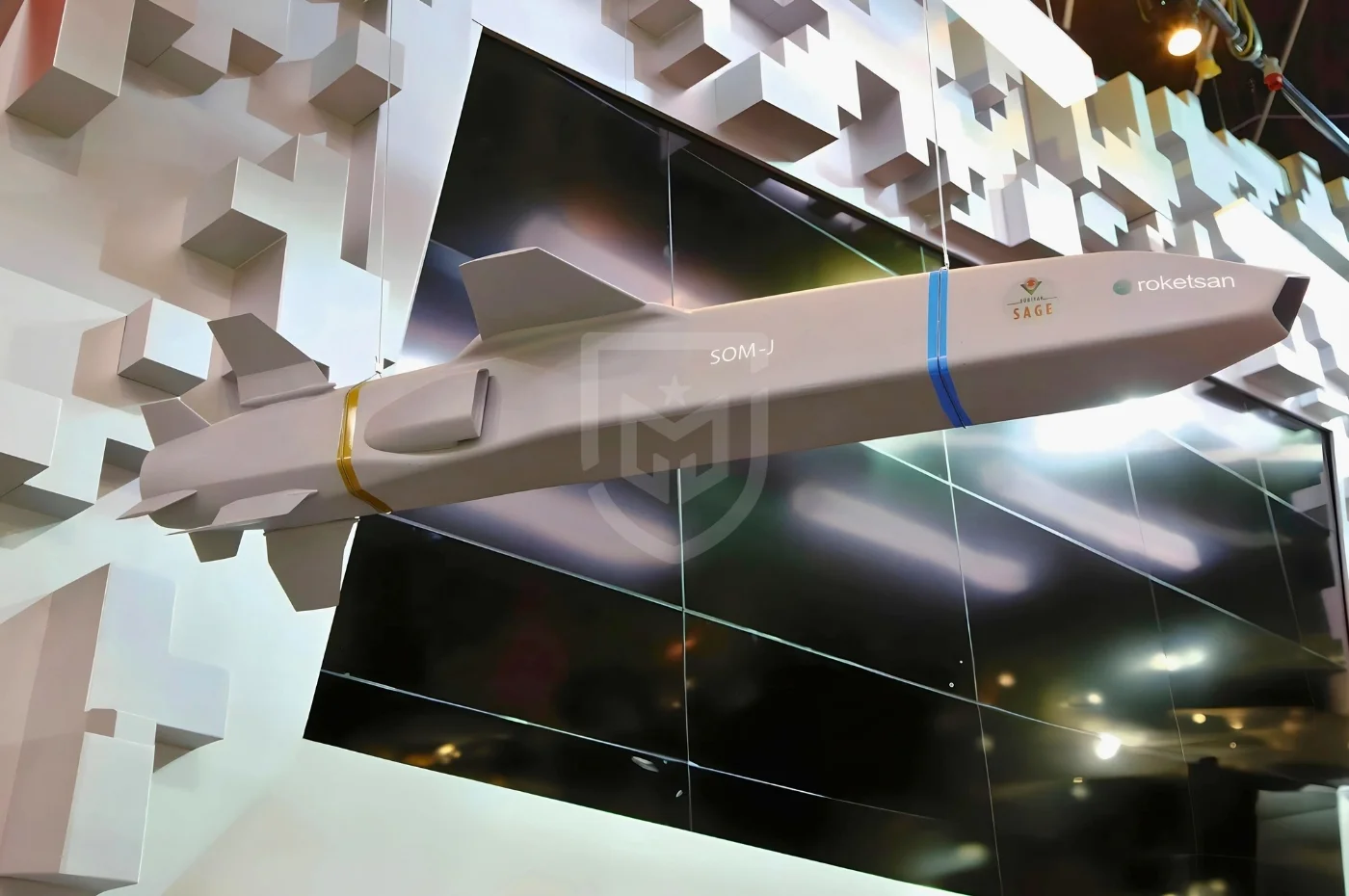
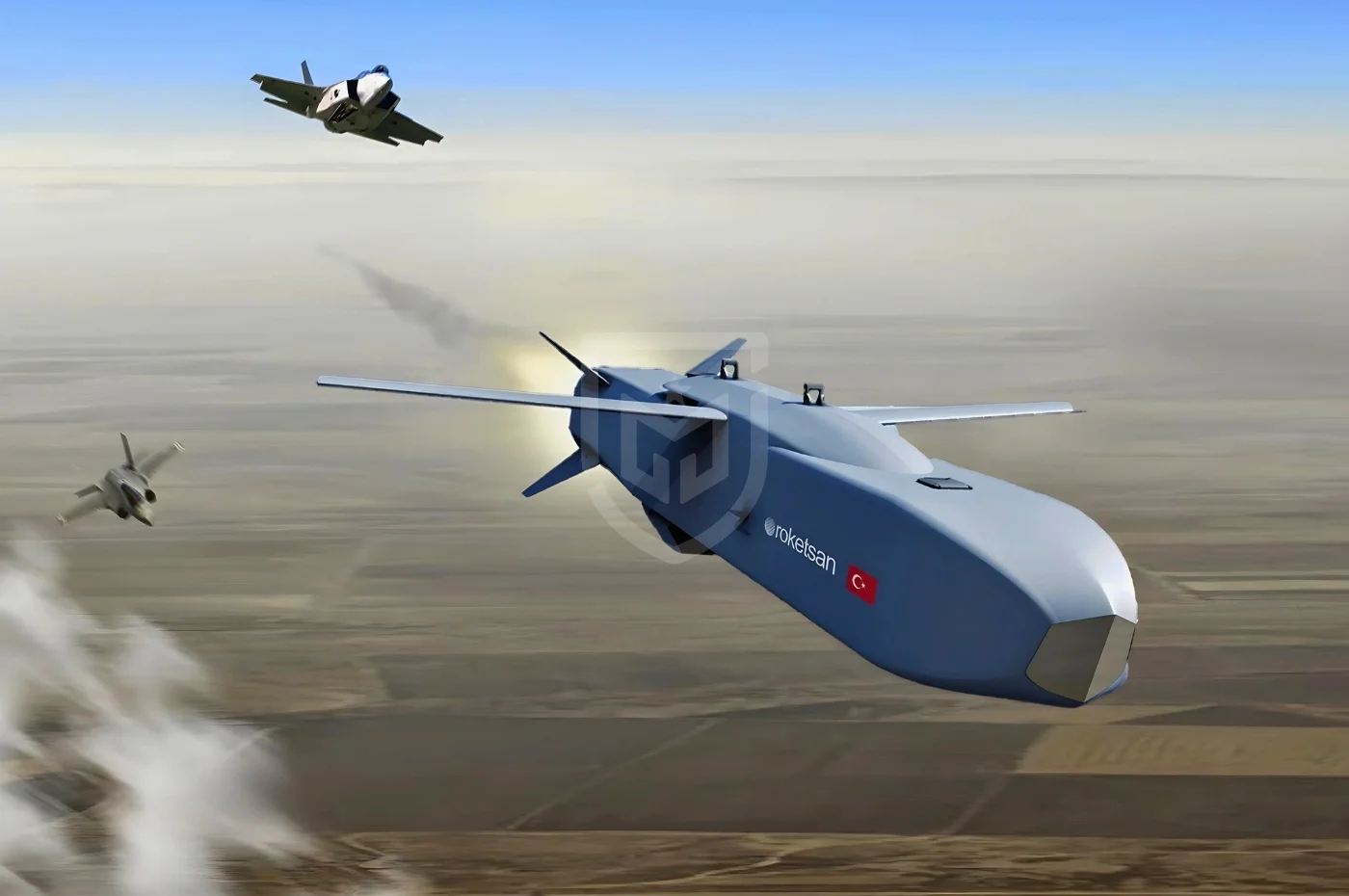
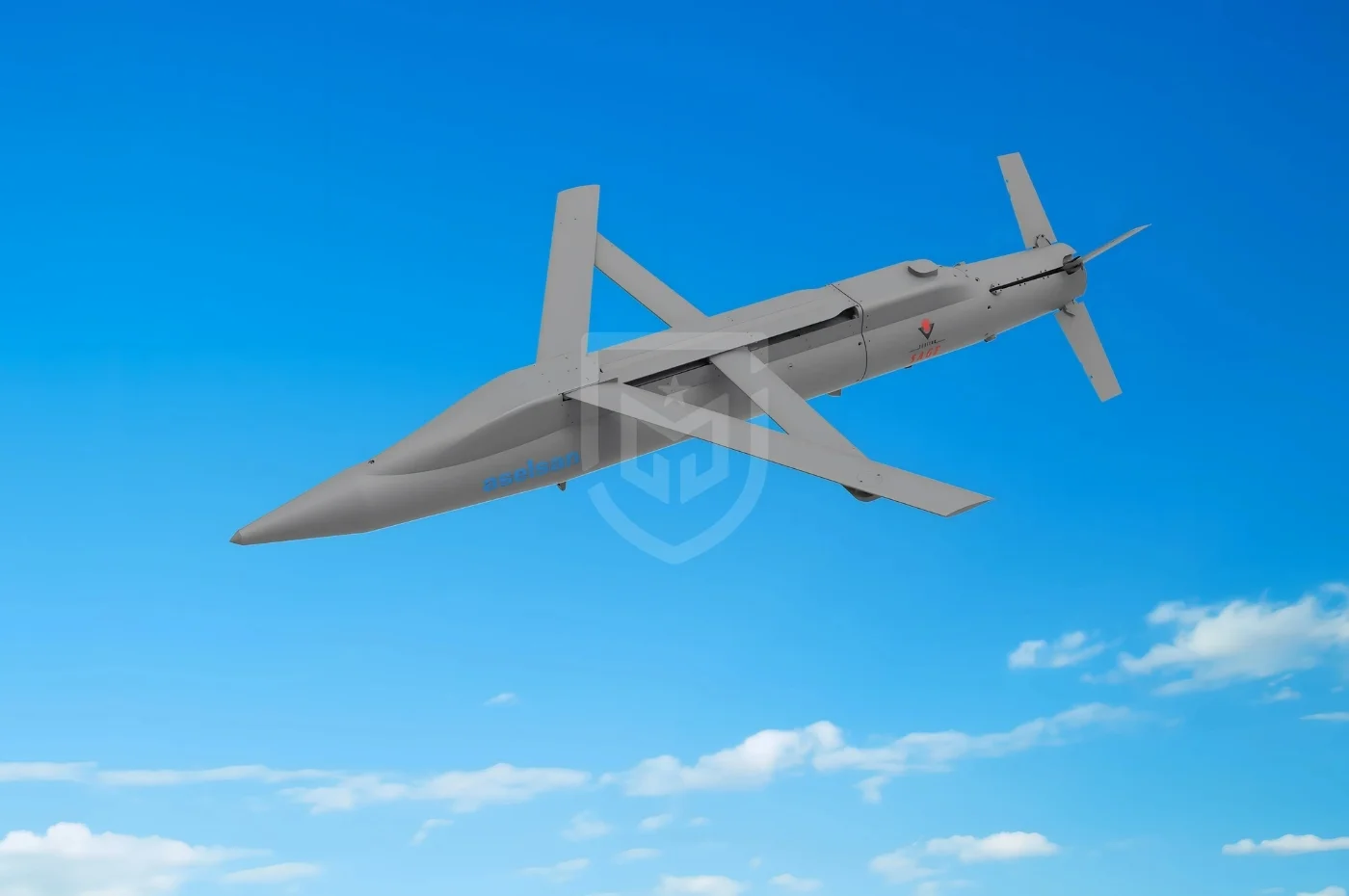
SOM-J is a compact derivative of Türkiye’s indigenous SOM cruise missile family, engineered to meet fifth-generation aircraft internal bay constraints while preserving long-range strike performance. As a stand-off munition, it enables the launch platform to strike strategic targets from outside the effective range of advanced integrated air defense systems (IADS).
Operational Purpose and Role
The primary mission of SOM-J is deep precision strike against high-value, time-sensitive, and heavily protected targets. These include:
Within modern air combat doctrine, suppression and destruction of enemy air defenses (SEAD/DEAD) are critical in the early phases of conflict. SOM-J contributes to this mission set through low observability, terrain-following flight, and autonomous navigation.
Doctrine and Concept of Operations
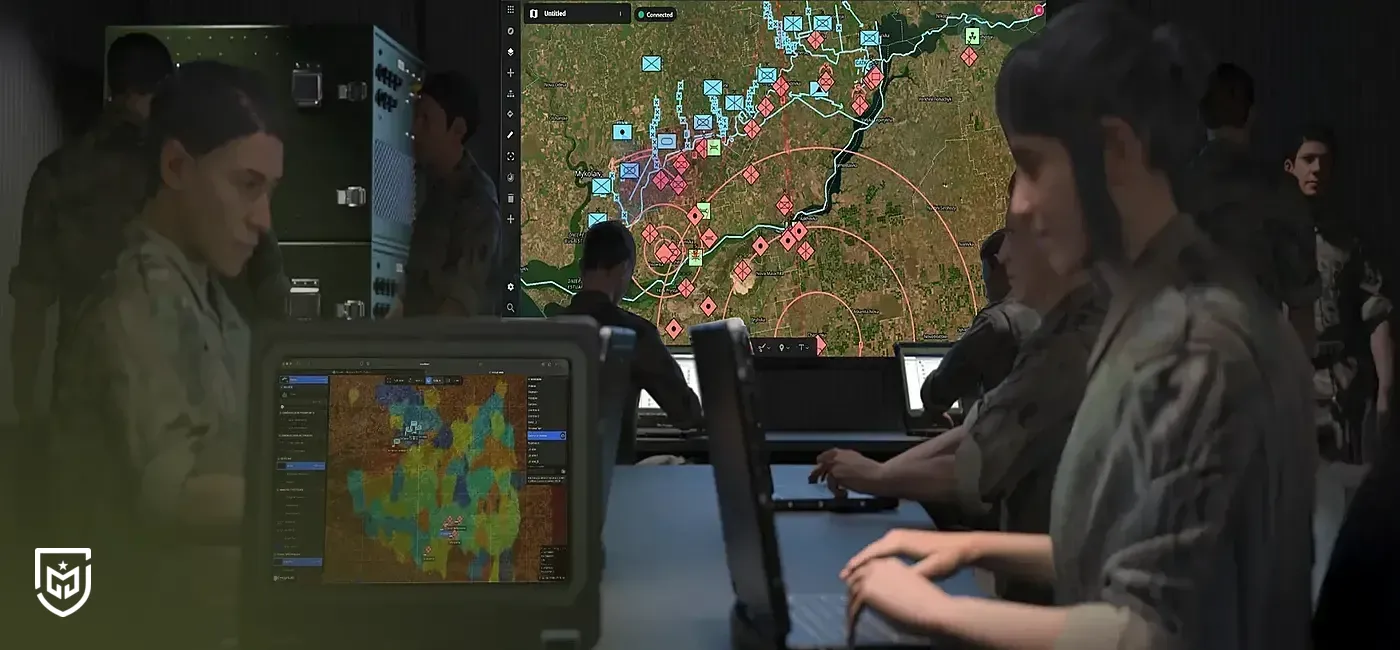
SOM-J is designed for network-centric warfare environments. Pre-planned mission data can be updated in-flight via data link, allowing dynamic retargeting and engagement of opportunity targets. This capability is particularly relevant in fluid, high-intensity operational theaters.
For the F-35, the missile’s compact form allows internal carriage, preserving the aircraft’s low observable profile. This makes SOM-J especially suited for stealth strike missions against defended airspace.
System Architecture
The missile architecture consists of four primary subsystems:
Navigation and Midcourse Guidance
Terminal Seeker
Warhead Section
Aircraft Interface
Survivability and Low Observability
SOM-J incorporates multiple survivability features:
Detailed electronic counter-countermeasure parameters are not publicly disclosed.
Advantages Against Modern Threats
A key limitation is its subsonic cruise speed, which does not eliminate interception risk against advanced layered air defense networks. However, low observability and flight profile mitigate this risk.
Integration and Ecosystem
SOM-J shares common mission planning infrastructure with other SOM family members. Integration efforts have included cooperation with Lockheed Martin for F-35 compatibility, while national integration work has supported F-16 platforms.
Detailed Technical Specifications
Dimensions and Weight
Performance
Guidance and Navigation
Seeker
Warhead
Command, Control and Data Link
Electronic Warfare Resilience
Deployment and Operational Use
Frequently Asked Questions
What is SOM-J used for?
What is its maximum range?
Can it engage moving targets?
Is it compatible with the F-35?
How does it survive in contested airspace?
What are its international equivalents?
Sources




The cookies used on our website are used to provide you with a better user experience and to improve our website. You can manage your cookie preferences from the options below.