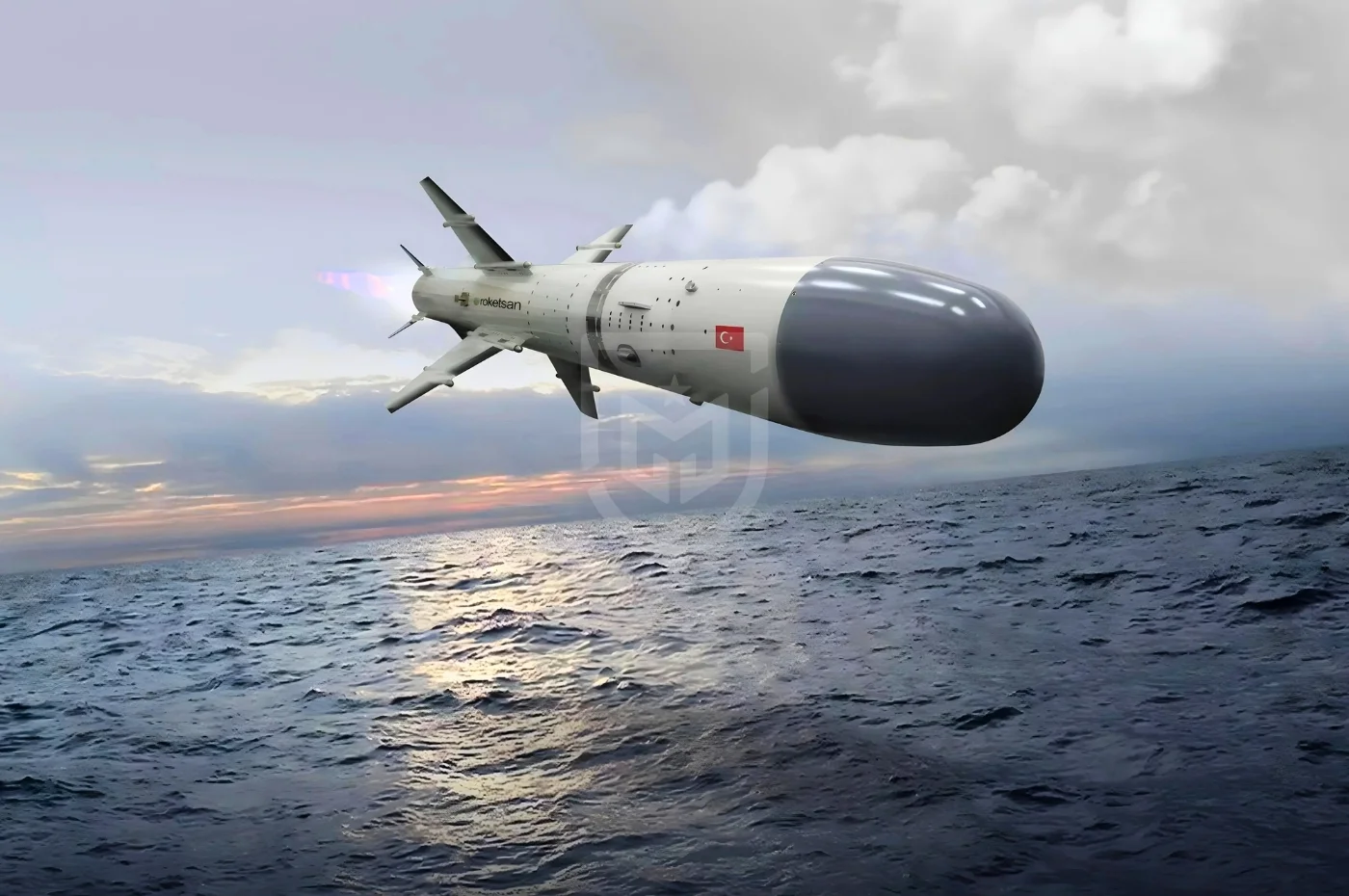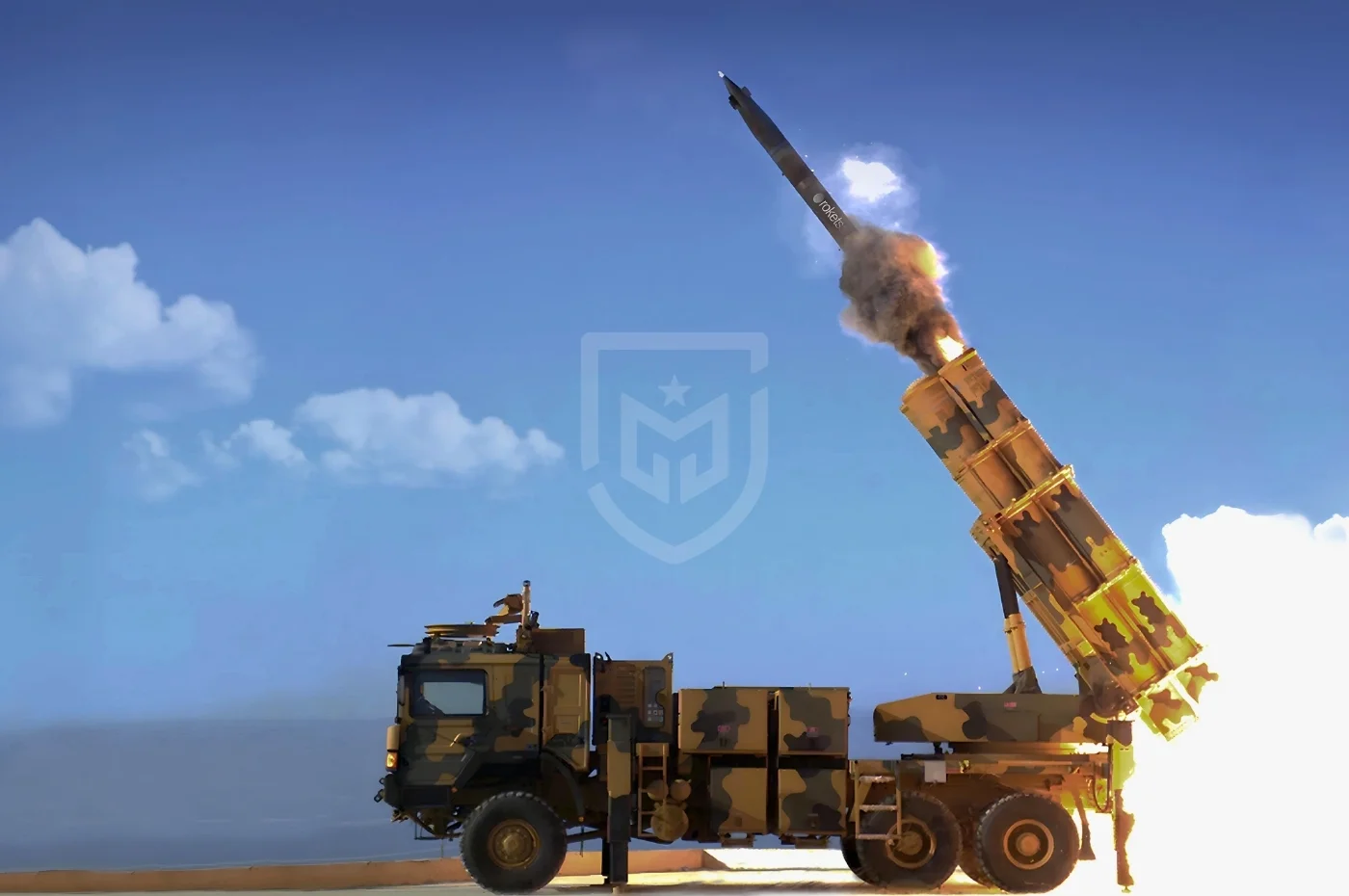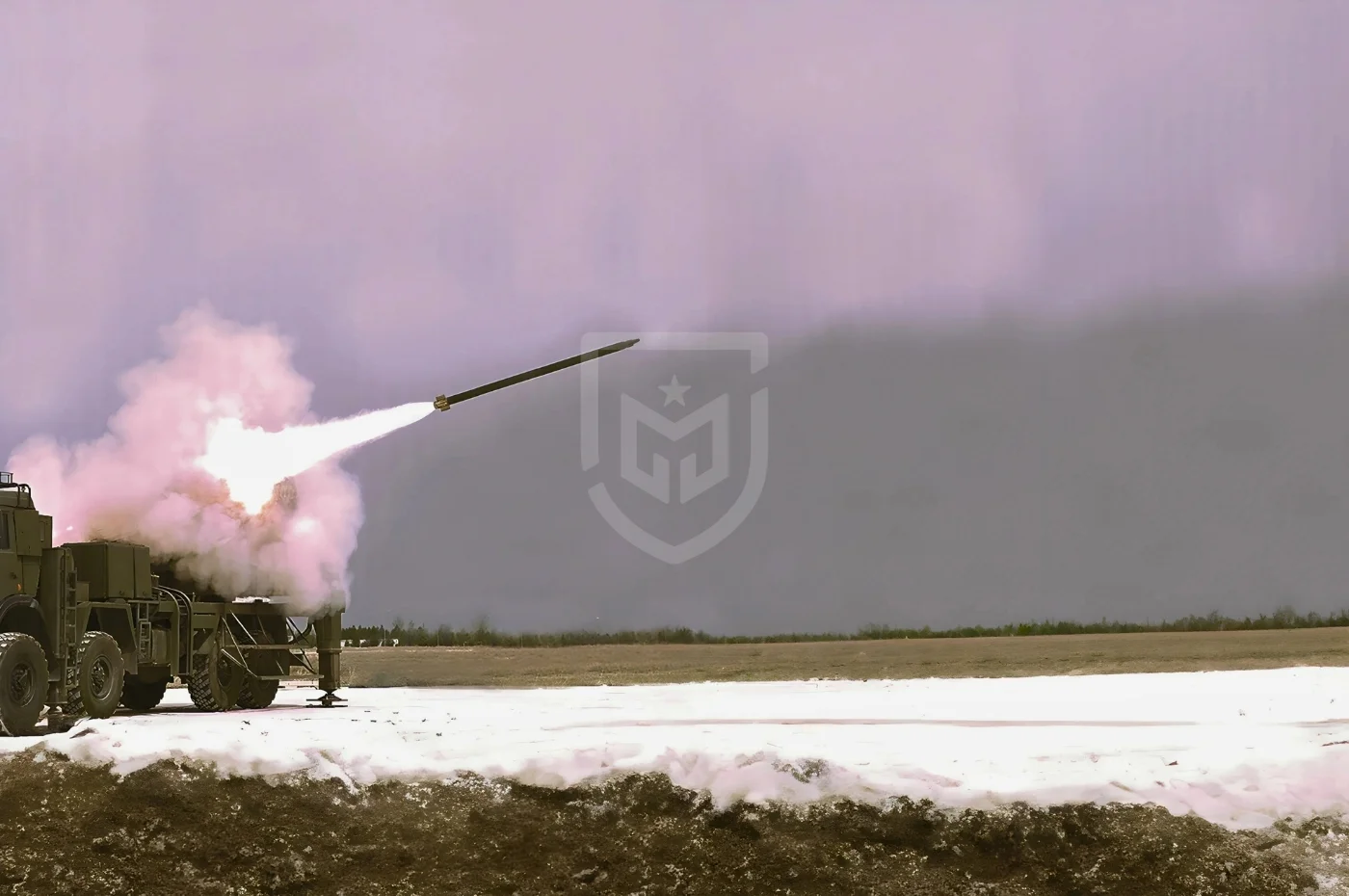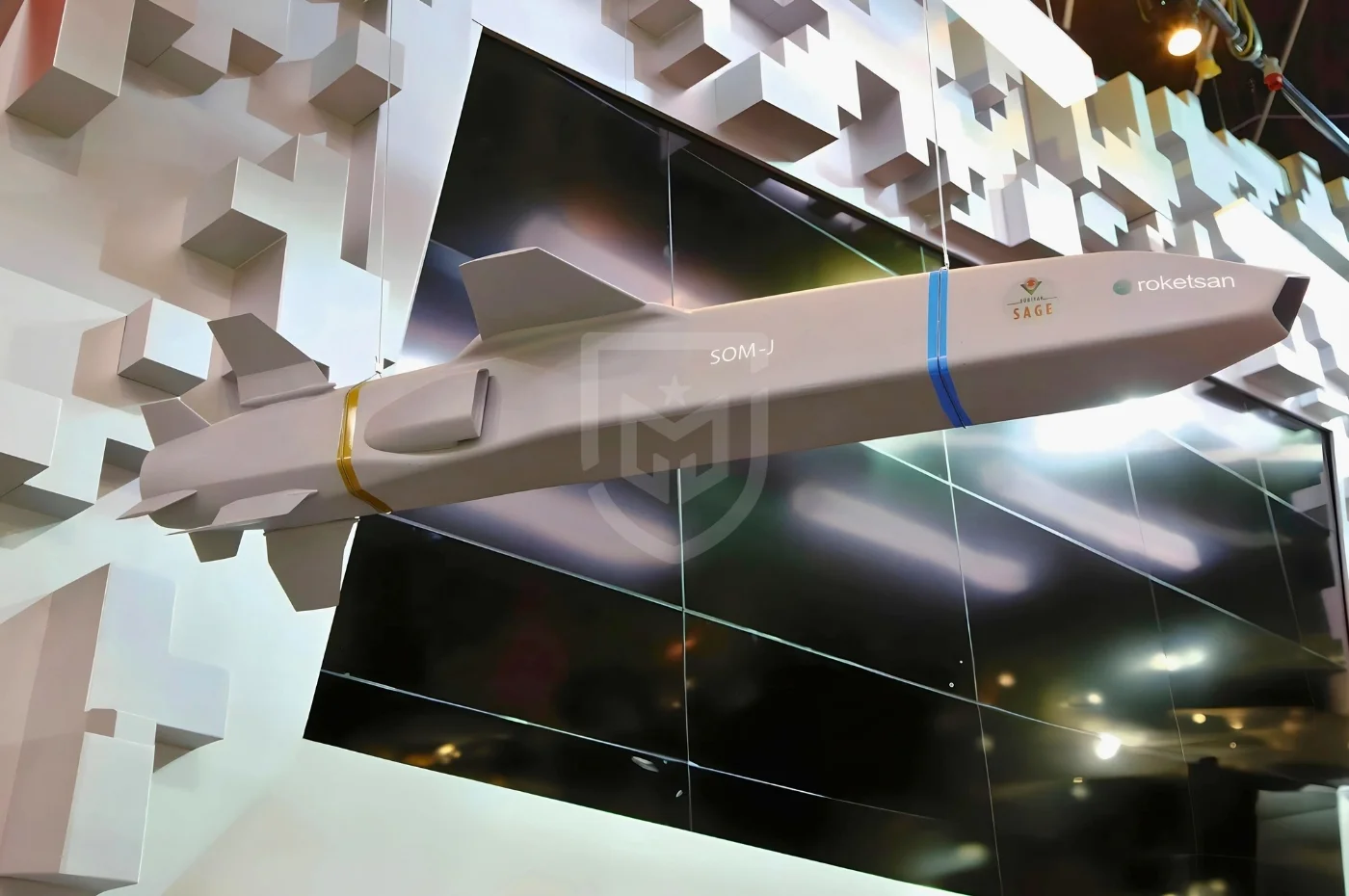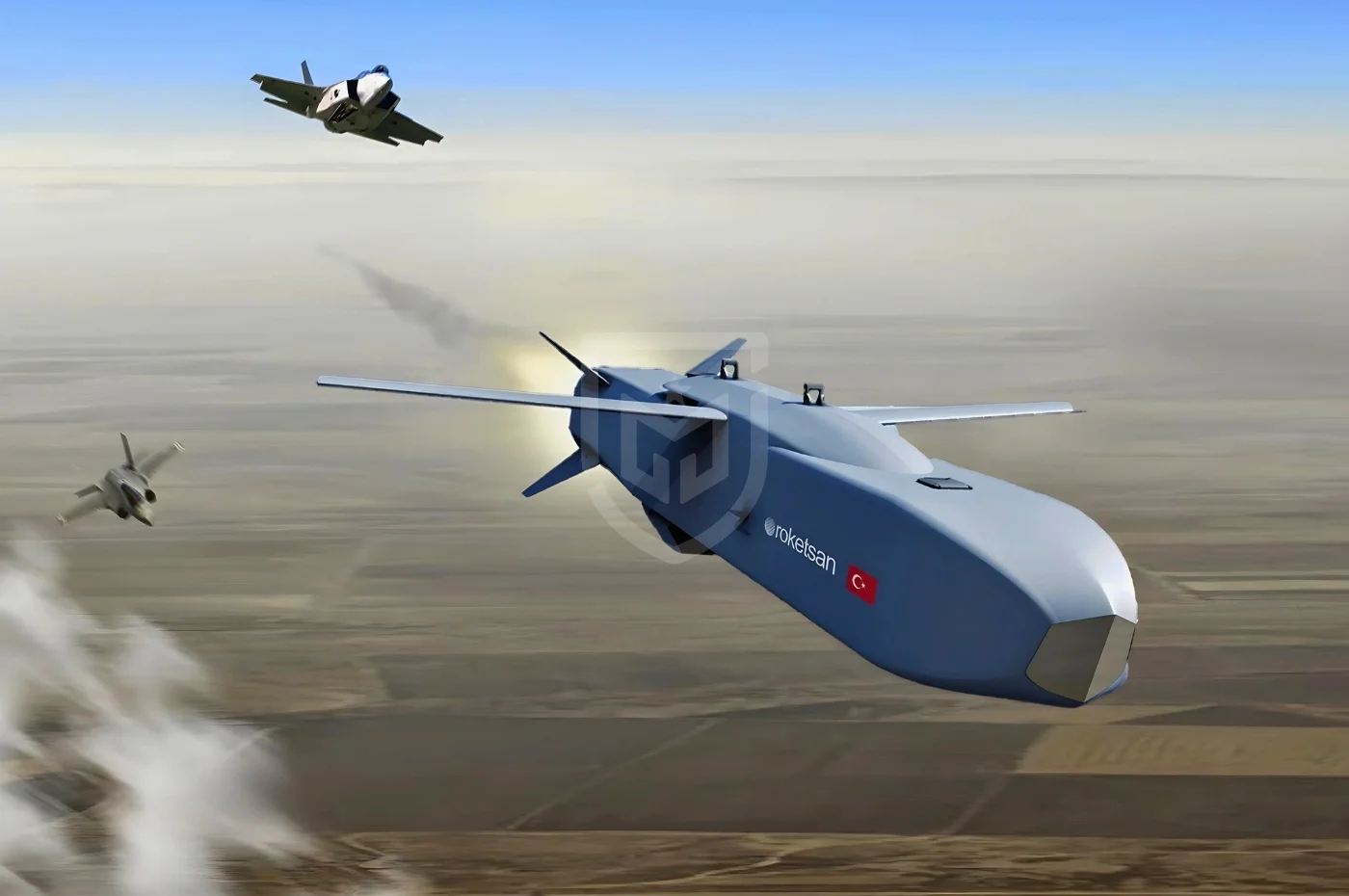
ATMACA is a surface-to-surface guided anti-ship missile designed to neutralize hostile surface combatants at long standoff ranges. In modern naval warfare doctrine, anti-ship missiles are core components of sea control and anti-access/area denial (A2/AD) strategies.
The system supports:
- Open-sea dominance
- Littoral defense
- Naval power projection
- Task force deterrence and protection
Its development significantly reduces foreign dependency and ensures full operational sovereignty for Türkiye’s naval platforms.
Doctrine and Concept of Operations
ATMACA is designed for network-centric warfare environments. Unlike legacy fire-and-forget missiles, it incorporates advanced mid-course control capabilities:
- Pre-launch mission planning
- In-flight target updates via data link
- Mission abort capability
- Re-attack functionality
- Alternate target engagement
These features provide flexibility in contested electronic warfare environments and against maneuvering naval targets.
System Architecture
The ATMACA weapon system consists of four primary components:
Missile Body
- Turbojet-powered cruise missile
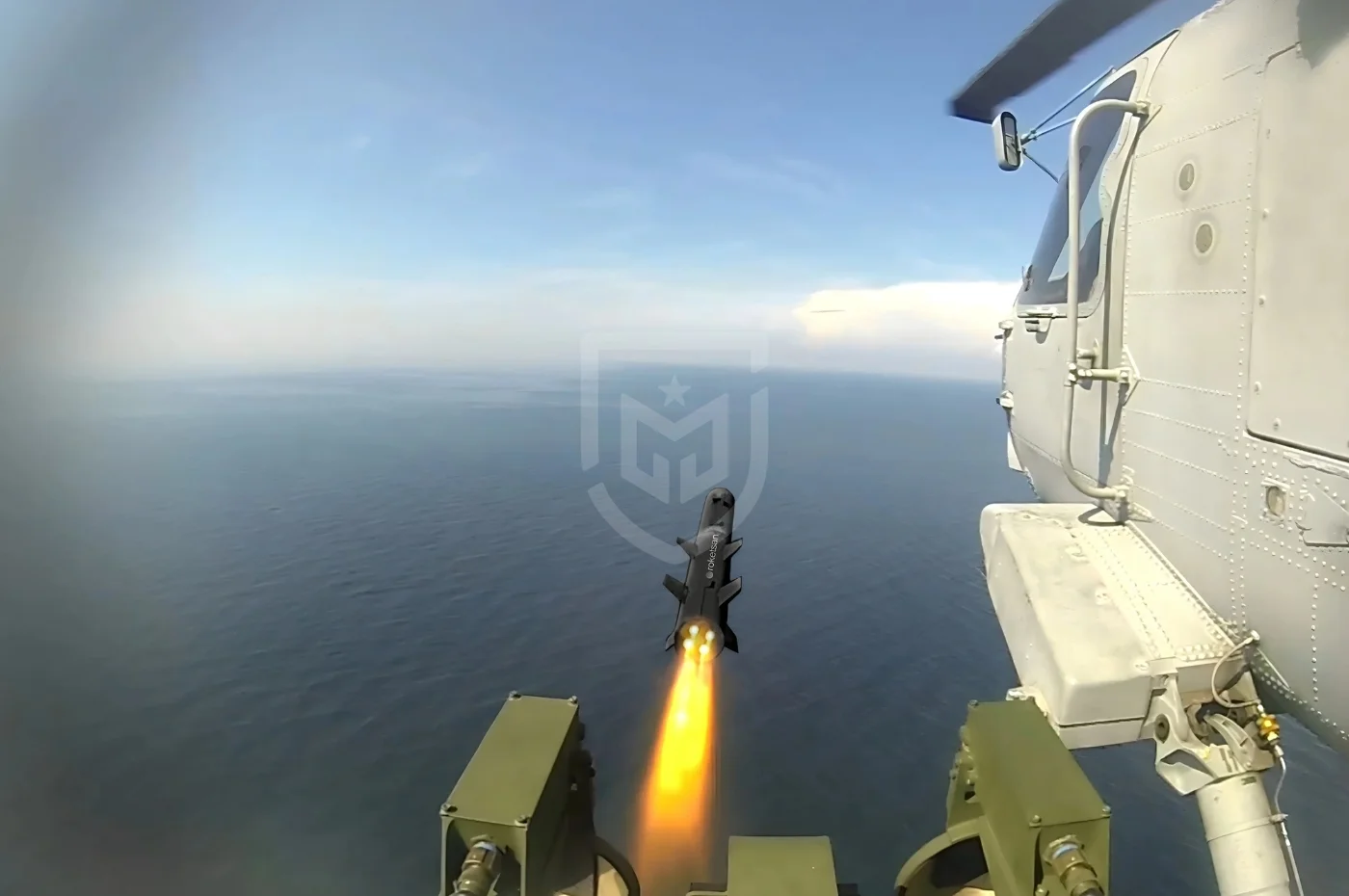
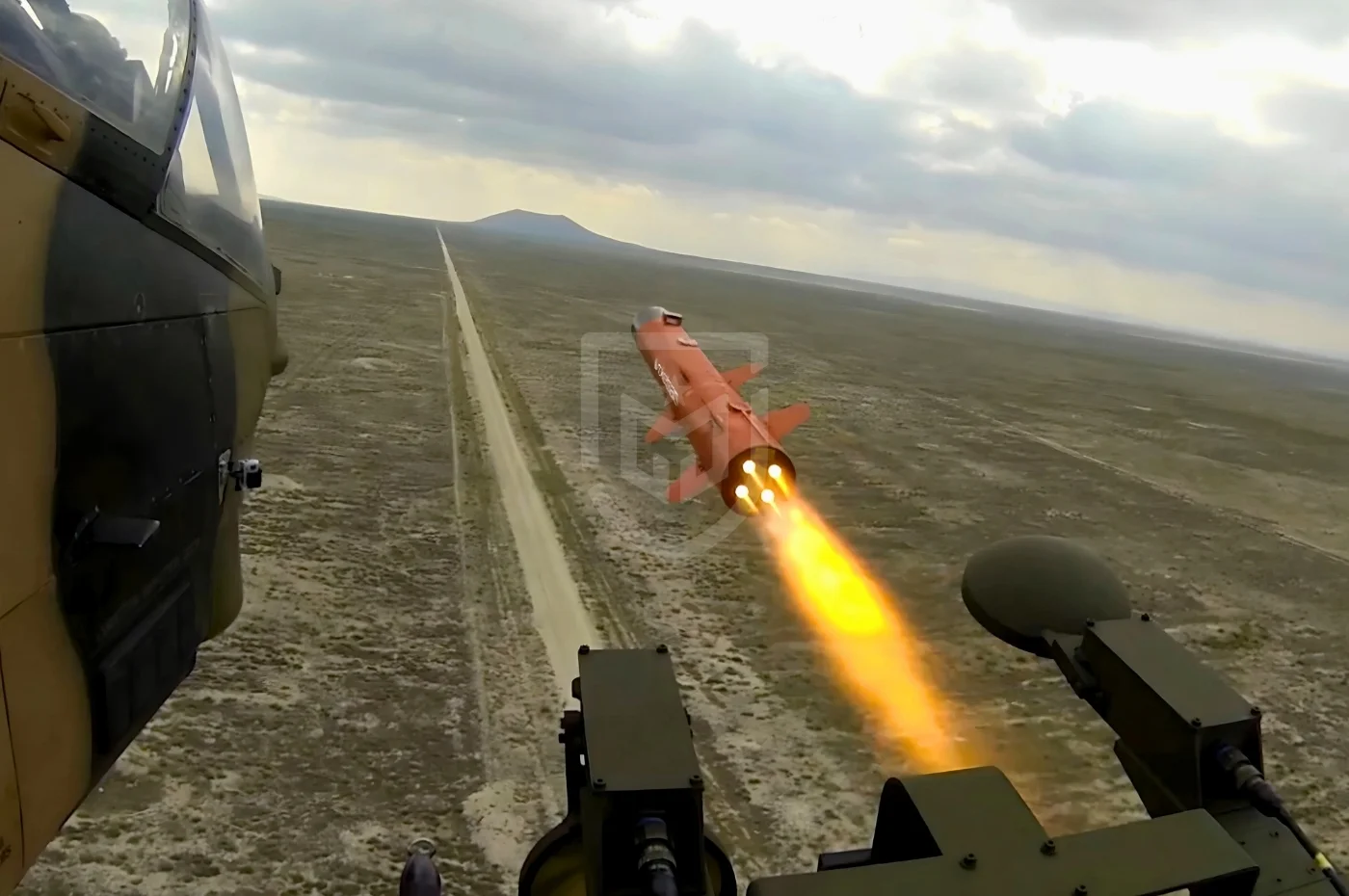
- Solid-propellant booster for initial launch
- Low radar cross-section design
- Sea-skimming flight profile
Guidance and Navigation
- INS (Inertial Navigation System)
- GNSS (Global Navigation Satellite System)
- Radar and barometric altimeters
- Terrain-referenced navigation (public technical details limited)
Terminal Seeker
- Active RF radar seeker
- Developed by ASELSAN
- Designed with ECCM resilience
Command & Control and Data Link
- Two-way data link
- Integration with ship combat management systems
- Network-enabled engagement
Survivability and Countermeasure Resistance
ATMACA’s survivability is based on:
- Low-altitude sea-skimming trajectory
- Terminal-phase evasive maneuvers
- Reduced radar signature
- Electronic counter-countermeasure capability
- Resistant active radar seeker
This configuration increases survivability against modern naval air defense systems and CIWS layers.
Performance and Engagement Process
Typical engagement sequence:
- Target detection via ship sensors or external network
- Mission planning and route programming
- Launch with booster separation
- Mid-course navigation via INS/GNSS
- Terminal active radar lock-on
- Warhead detonation upon impact
With a range exceeding 220 km, ATMACA allows engagement well beyond visual and radar horizon limitations of many adversary vessels.
Integration and Ecosystem
ATMACA is being integrated into multiple Turkish Naval Forces platforms, including:
- Ada-class corvettes
- I-class frigates
- Modernized Barbaros-class frigates
- Future TF-2000 destroyers (planned)
Publicly confirmed integration platform details remain partially undisclosed.
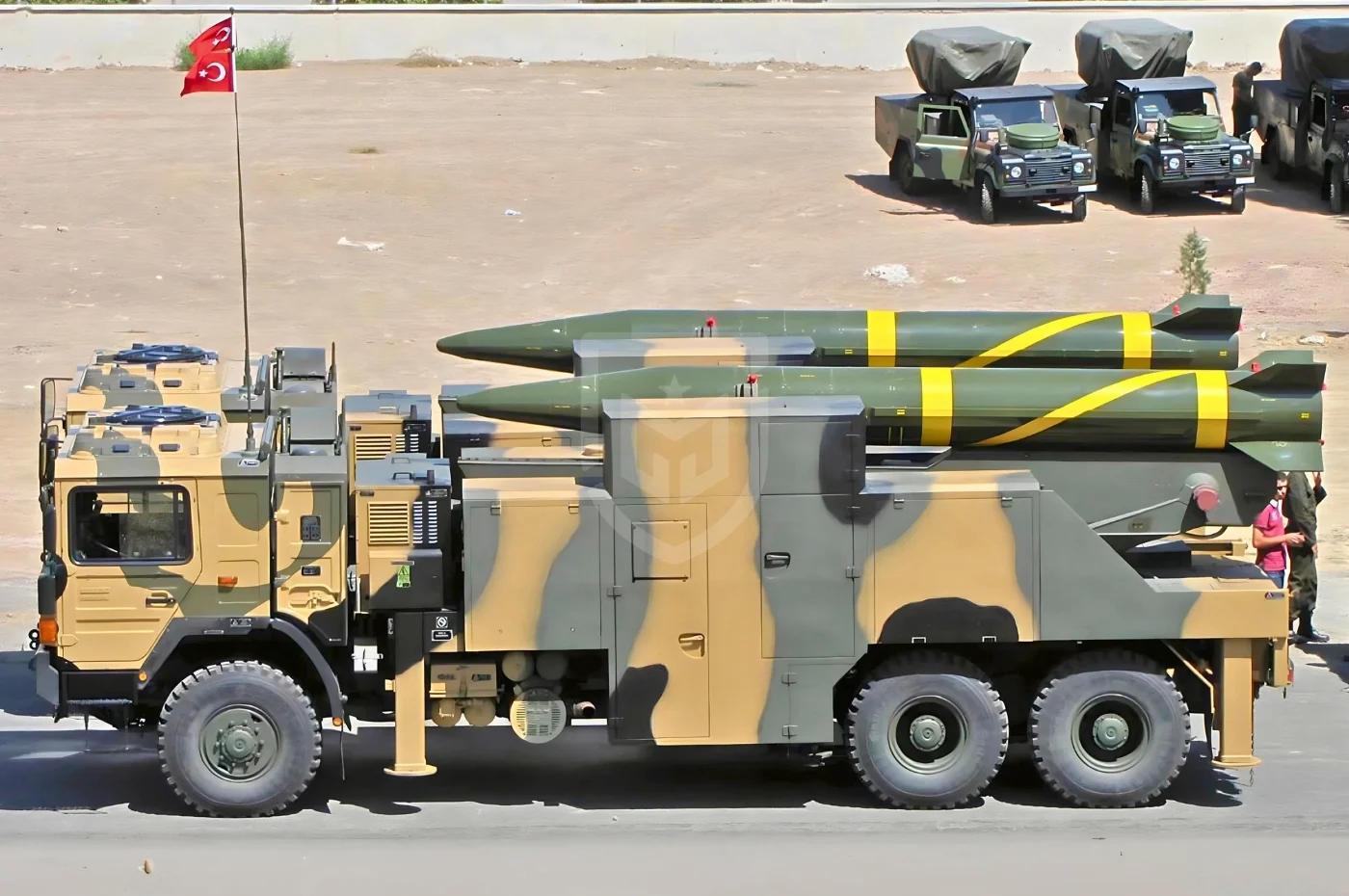
A land-based coastal defense version has also been developed.
Advantages Against Modern Threats
- Network-centric warfare compatibility
- High localization rate
- Longer range compared to baseline Harpoon variants
- Data link-enabled flexible engagement
- Transition to fully indigenous engine production
Limitations:
- Subsonic cruise speed
- Exact simultaneous engagement capacity not publicly disclosed
Detailed Technical Specifications
Dimensions and Weight
- Length: 4.3 – 5.2 meters
- Weight: Less than 750 kg
Propulsion System
- Current engine: Safran TR40 turbojet
- Planned replacement: Kale Arge KTJ-3200 indigenous turbojet
Solid-propellant booster for launch phase.
Performance
- Range: 220+ km
- Flight Profile: Sea-skimming
- Speed: Subsonic (exact Mach value not publicly disclosed)
Sensors and Seeker
- Active RF radar seeker
- INS + GNSS mid-course navigation
- Radar altimeter
Warhead
- Type: High-explosive, fragmentation and penetration effect
- Weight: 220 kg
Command & Control
- Two-way data link
- Mission abort and re-attack capability
Electronic Warfare Resilience
- ECCM-equipped seeker
- Detailed parameters not publicly available
Deployment
- Ship-launched configuration
- Land-based coastal defense variant
Frequently Asked Questions
What is ATMACA used for?
- ATMACA is designed to destroy enemy surface vessels at long range, supporting naval dominance and deterrence missions.
What is its maximum range?
- Its publicly stated range exceeds 220 km. The exact maximum range has not been officially disclosed.
What types of targets can it engage?
- It is effective against frigates, corvettes, amphibious ships, logistics vessels, and other radar-signature-emitting surface platforms.
How does it differ from Harpoon?
- ATMACA offers extended range, two-way data link capability, higher localization, and enhanced operational flexibility compared to earlier Harpoon variants.
Is it mobile?
- Yes. It is deployed from naval platforms and also exists in a land-based coastal defense configuration.
How many targets can it engage simultaneously?
- Multiple missile launches are possible; however, simultaneous engagement capacity per platform is not publicly disclosed.
What improvements are expected in Block-2?
- Public details remain limited, but enhancements in electronic warfare resistance and capability expansion are anticipated.
Sources
- ROKETSAN official product publications
- ASELSAN official releases
- Turkish Naval Forces public announcements
- Presidency of Defence Industries (SSB) statements
- Public test firing press releases (2019–2021)