


Tactical Field Comm. Sys. and Radios


BREAKING NEWS
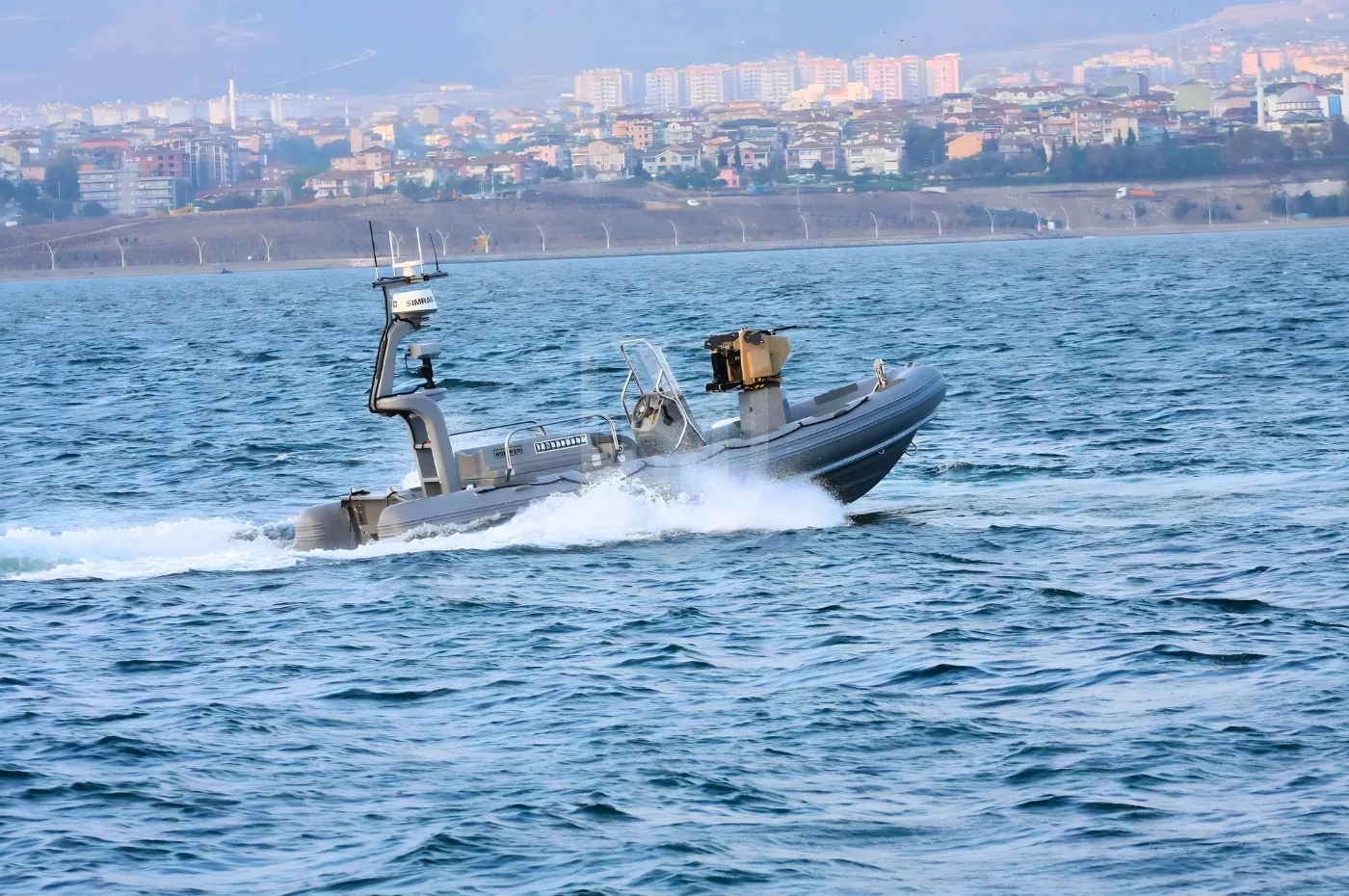
The LEVENT USV has been developed to address increasingly complex maritime security challenges, particularly in littoral waters, ports, naval bases, and strategic maritime chokepoints. Modern asymmetric threats—such as fast attack craft, small explosive-laden boats, sabotage attempts, and coordinated multi-domain attacks—require persistent surveillance and rapid response without exposing personnel to unnecessary risk. LEVENT fulfills this operational requirement by acting as a forward-deployed, unmanned security node.
Operational Purpose and Role
LEVENT’s primary mission is to conduct:
It can operate independently or as part of a larger naval task group, extending the situational awareness perimeter of mother ships or coastal command centers.
Doctrine and Concept of Operations
Within modern network-centric naval doctrine, unmanned surface systems are employed to:
LEVENT integrates into this doctrine by functioning as a mobile forward security asset. It can patrol autonomously within predefined routes or be remotely directed to investigate suspicious contacts. In a naval base defense scenario, multiple LEVENT units can create a distributed protective ring around critical infrastructure.
Platform Architecture
The system is built on a high-mobility RHIB (Rigid Hull Inflatable Boat) platform, offering:
Its architecture consists of three primary layers:
Sensor Layer
Command and Control Layer
Effector Layer
Weapon configuration depends on mission requirements.
Autonomy and Control Modes
LEVENT supports three operational modes:
This hybrid capability allows dynamic transition between control modes during missions. For example, the platform may operate manned in harbor transit and switch to unmanned mode in high-threat zones.
Survivability and Protection Philosophy
LEVENT’s survivability approach is based on:
Rather than relying primarily on heavy armor protection, the system minimizes risk by removing personnel from direct exposure. Specific ballistic protection details are not publicly disclosed.
Advantages and Limitations Against Modern Threats
Advantages
Limitations
Detailed Technical Specifications
Dimensions and Weight
Exact dimensions and displacement values have not been publicly disclosed. The system is based on a RHIB-class hull platform.
Propulsion System
Battery capacity and hybrid propulsion details are not publicly available.
Performance
Full operational range (in nautical miles) has not been publicly disclosed.
Sensors
Radar integration details are not publicly confirmed.
Armament and Effectors
Remote weapon station stabilization features depend on configuration.
Command and Control
Mobility and Deployment
Personnel requirements vary by operational mode. In unmanned mode, control is conducted remotely from the operator station.
Frequently Asked Questions
What is LEVENT USV used for?
What is the maximum speed of LEVENT?
What types of threats can it counter?
LEVENT is effective against:
It contributes to layered defense and early response strategies.
Is LEVENT fully autonomous?
Is it armed?
Is it mobile or fixed?
Can it operate with other unmanned systems?
How does it compare to similar systems?
Sources




The cookies used on our website are used to provide you with a better user experience and to improve our website. You can manage your cookie preferences from the options below.