Command Ctrl Info. Sys. and Network-Centric Warfare


BREAKING NEWS
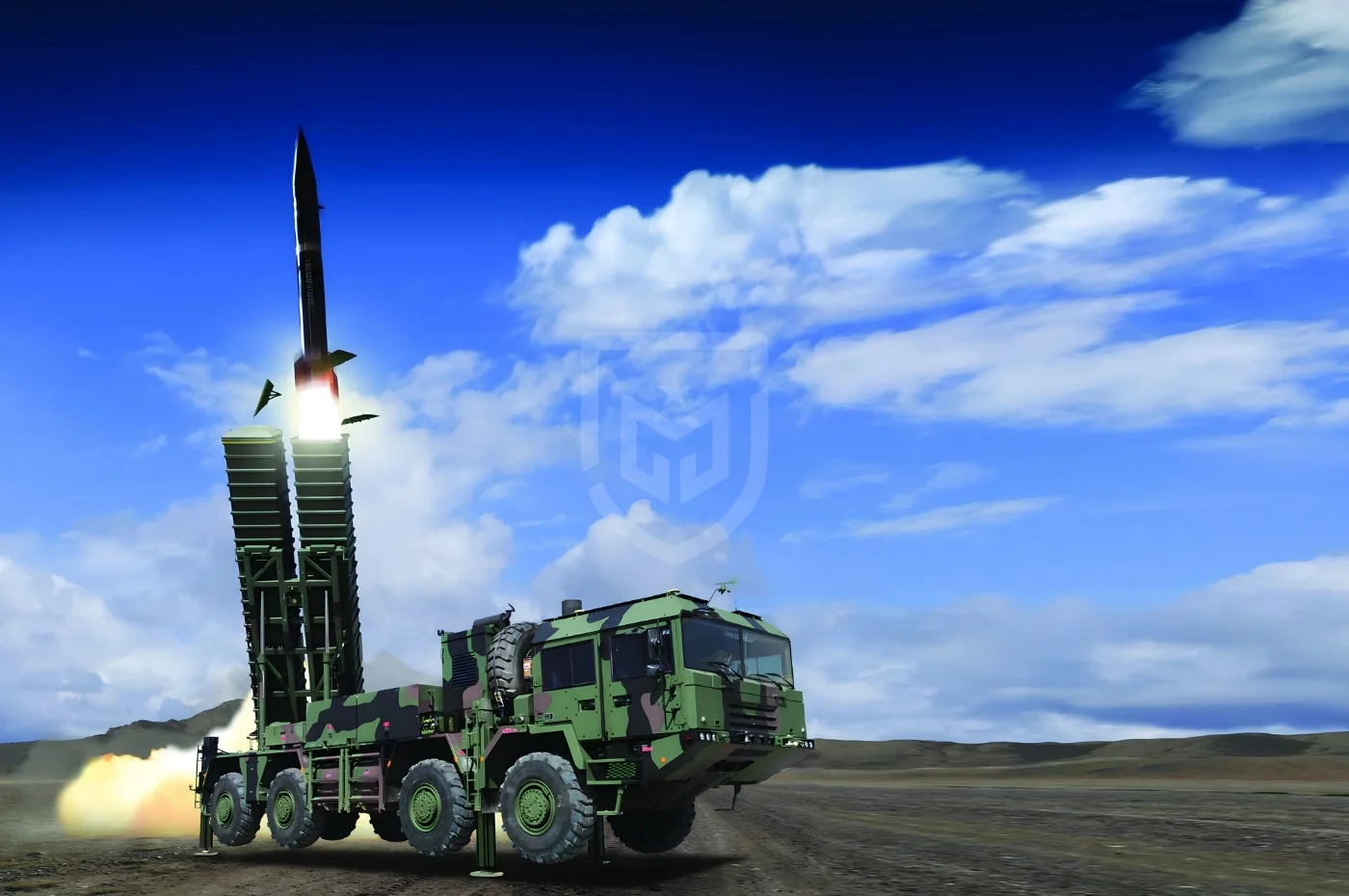
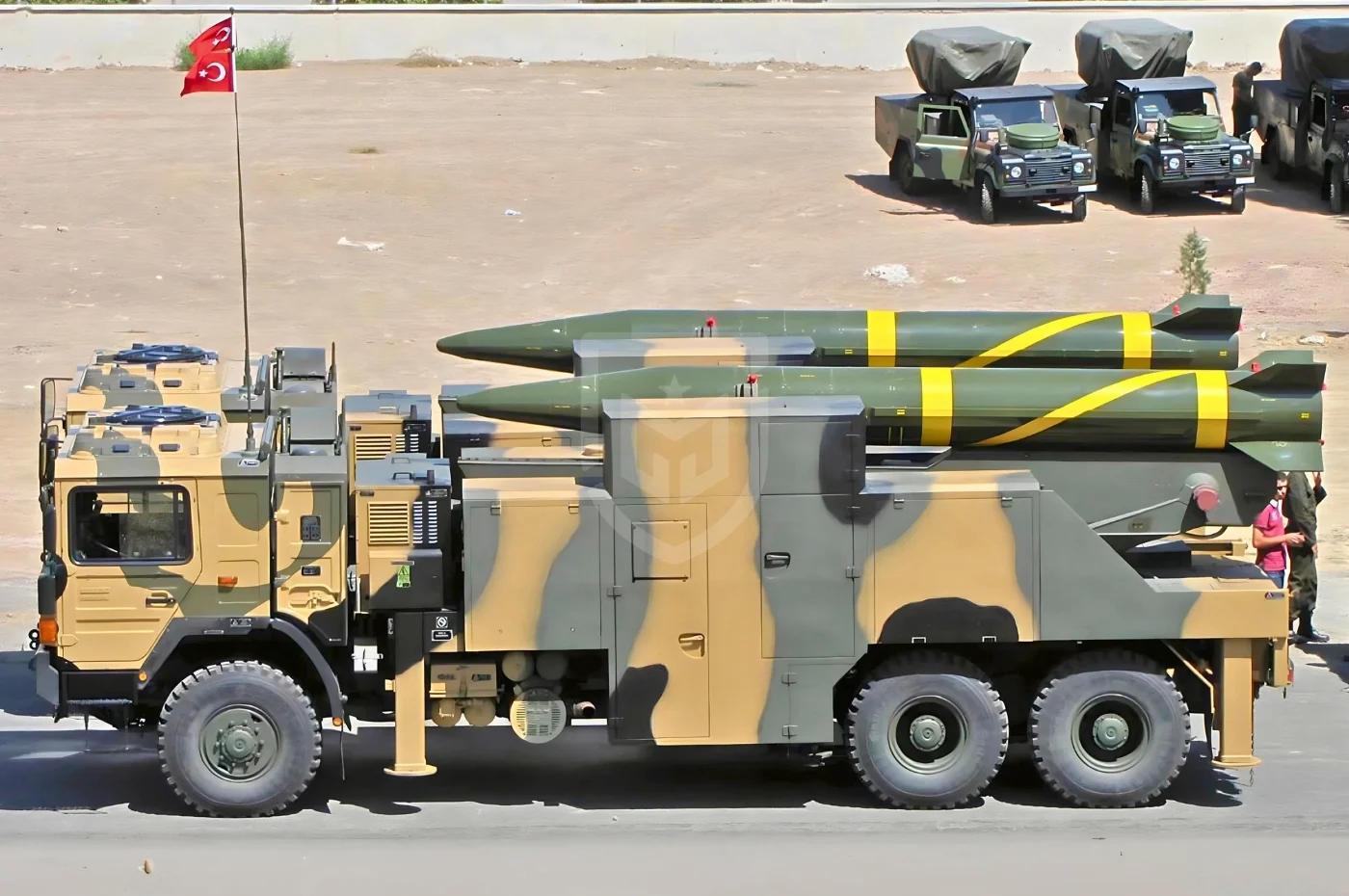
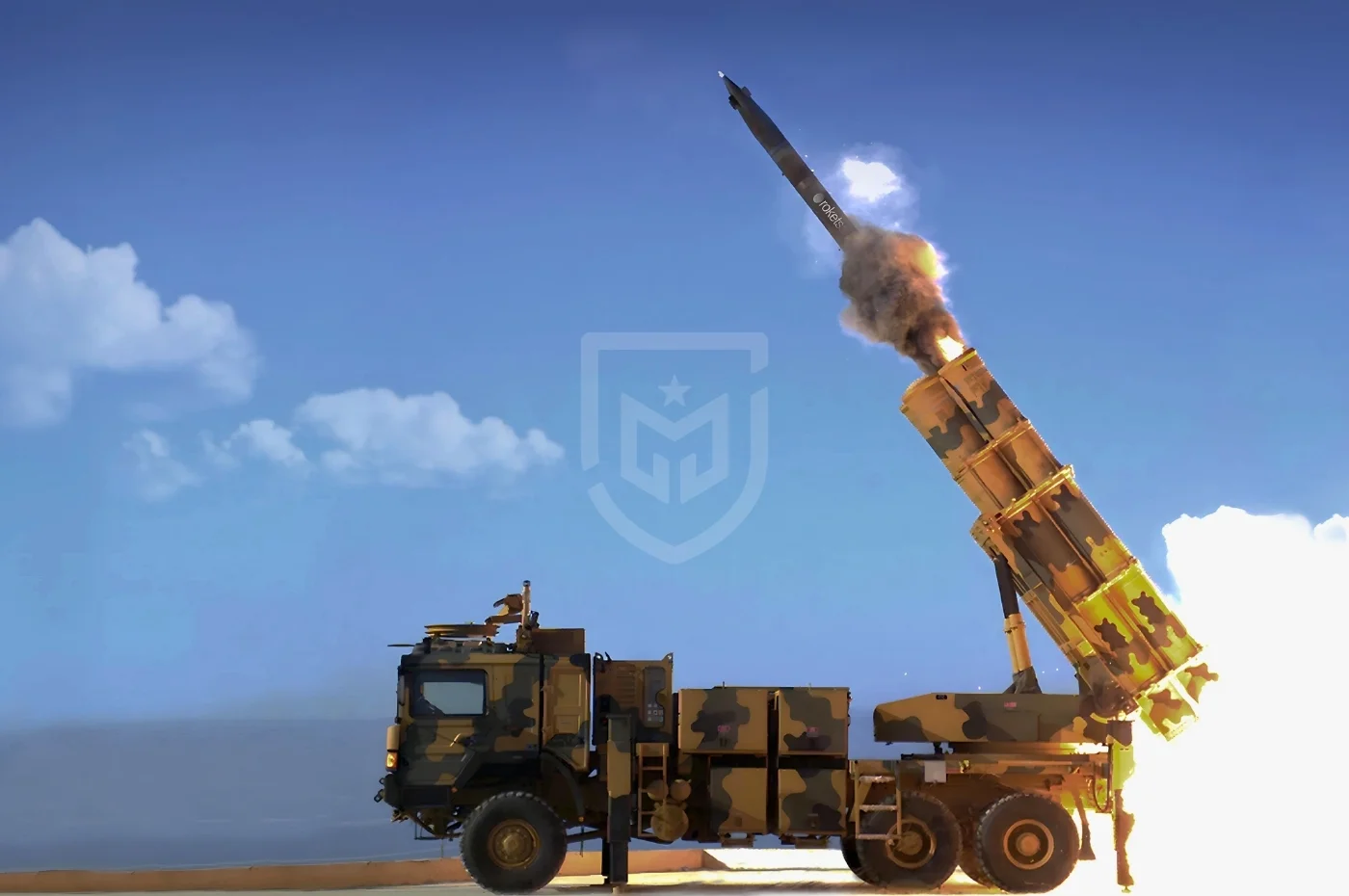
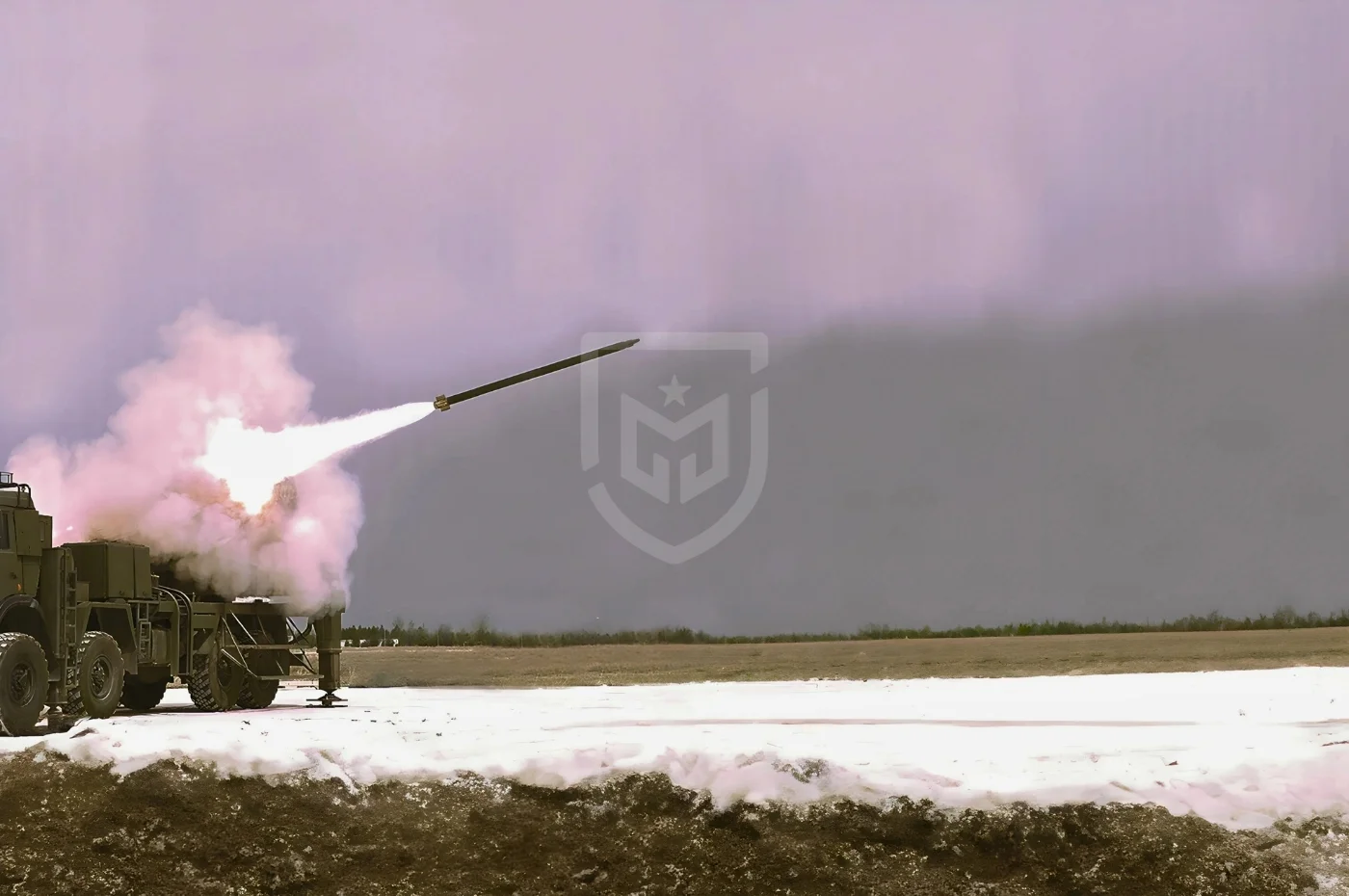
The BORA Tactical Ballistic Missile System is designed to deliver precision strike capability against high-value targets located deep behind enemy lines. It fills the operational gap between conventional artillery systems and long-range strategic ballistic missiles, offering corps- and army-level commanders an organic deep-strike solution.
Operational Purpose and Role
BORA’s primary mission is to neutralize high-priority targets such as:
With a maximum range of 280 km, the system enables operational-level shaping of the battlefield before or during major maneuver operations. It supports joint operations by degrading enemy air defense and command networks, thus facilitating air superiority and ground force advancement.
Doctrine and Concept of Use
Unlike conventional artillery, BORA provides:
The system is typically employed for:
It is particularly suited for time-sensitive targets when rapid, accurate response is required.
System Architecture
The BORA system consists of three core components:
The missile incorporates an Inertial Navigation System (INS/ANS) supported by satellite navigation (GNSS – KKS/GLONASS). During flight, hydraulic-controlled aerodynamic control surfaces and thrust-assisted steering ensure stability and trajectory correction.
Target coordinates are digitally loaded prior to launch, and mission planning is conducted via the integrated fire control system. The system is compatible with network-centric warfare environments.
Survivability and Protection
BORA’s survivability concept is based on:
Specific details regarding launcher armor protection levels and electronic protection suites are not publicly disclosed.
Accuracy and Engagement Process
According to publicly available data:
The engagement sequence typically includes:
Advantages Against Modern Threats
Limitations:
Variants and Export Version
The export version of BORA is designated as KHAN. It is compliant with international export control regimes and remains below the 300 km threshold. Publicly available information indicates limited export disclosures, and specific user configurations are not fully open-source.
Detailed Technical Specifications
Dimensions and Weight
Propulsion System
Range
Warhead
Guidance and Navigation
Terminal seeker specifications are not publicly disclosed.
Control Mechanism
Launch Platform
Deployment time and reload duration are not publicly disclosed.
Electronic Warfare Resistance
The missile retains navigation capability through INS in case of GNSS jamming. Detailed electronic counter-countermeasure (ECCM) capabilities are not publicly available.
Frequently Asked Questions
What is the BORA missile used for?
What is the maximum range of BORA?
What types of targets can it engage?
How accurate is BORA?
Is the system mobile?
Can it be intercepted by missile defense systems?
What is the difference between BORA and KHAN?
Sources




The cookies used on our website are used to provide you with a better user experience and to improve our website. You can manage your cookie preferences from the options below.