BREAKING NEWS
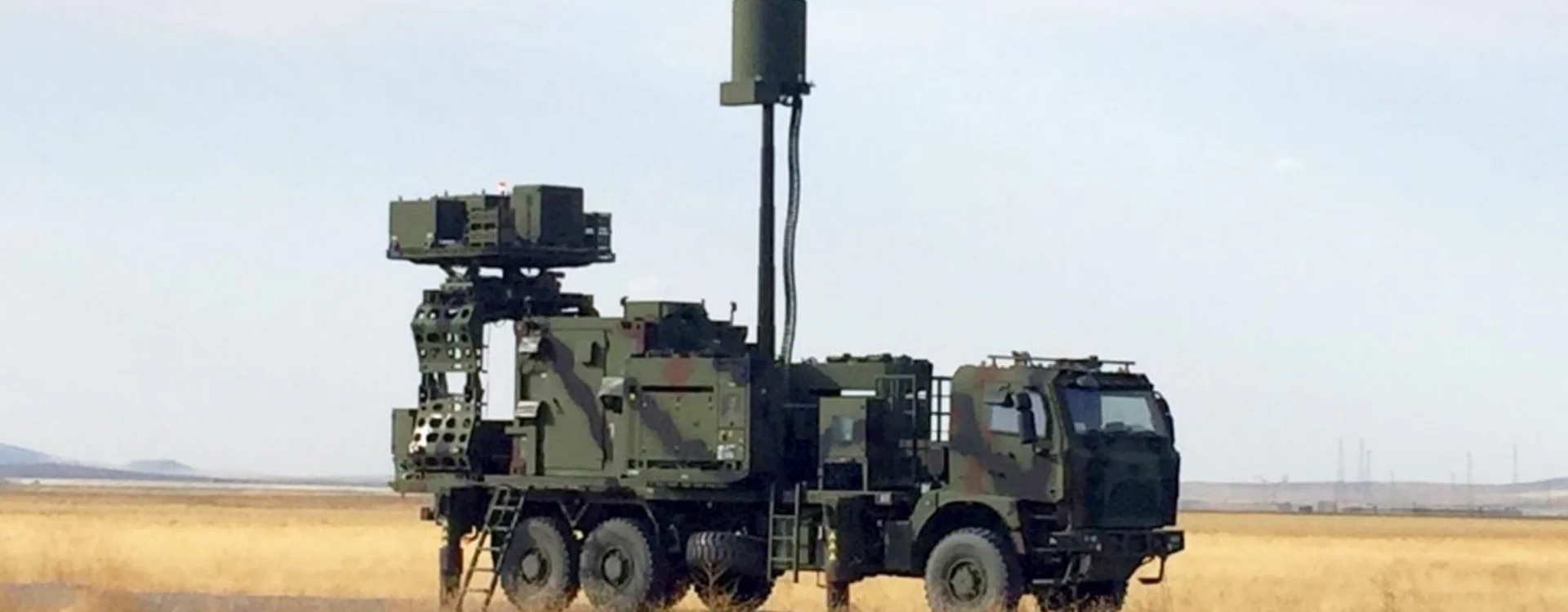
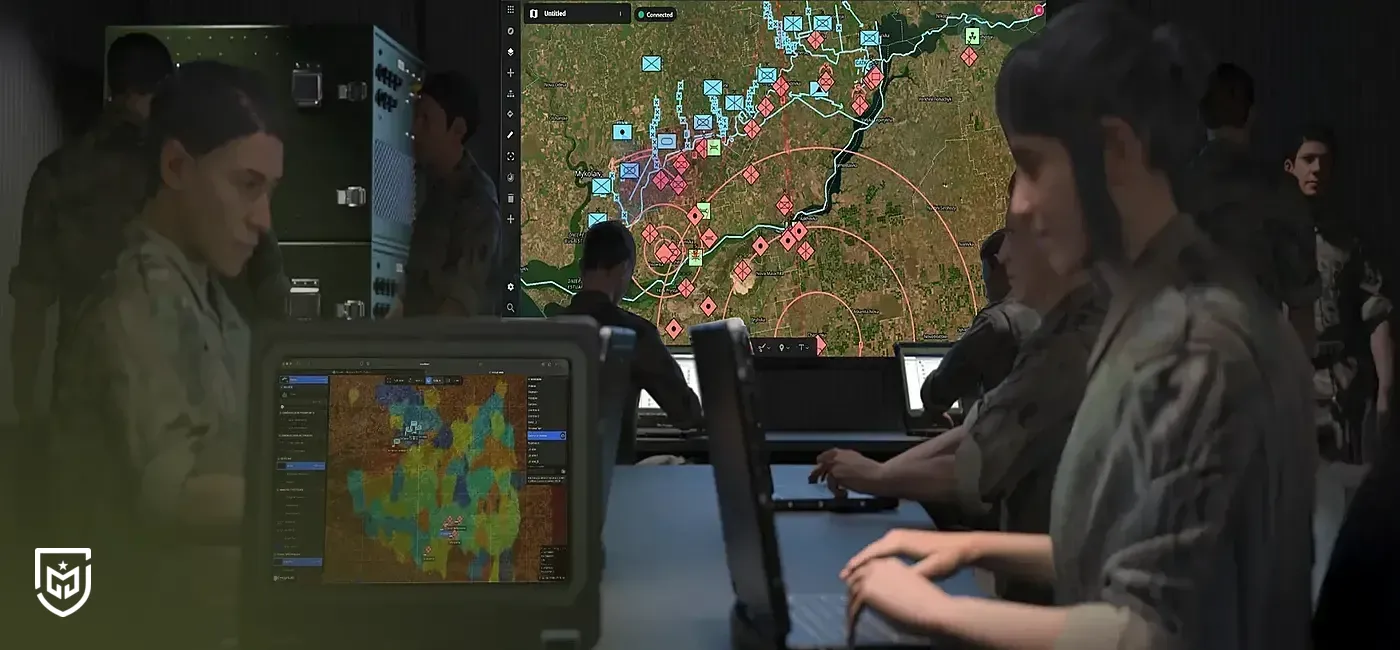
Electronic warfare is considered one of the most critical areas of modern military technology. Today, wars are fought not only with tanks, fighter jets and missiles, but also through radar systems, communication networks, signal jamming technologies and digital operations. Electronic warfare systems are used to disrupt enemy communication infrastructure, neutralize radar systems and disable defense networks. For this reason, armies that achieve electronic superiority gain a major strategic advantage in modern conflicts.
Communication systems are vital in modern military operations. Coordination between field units, air assets and command centers depends heavily on electronic communication networks. Electronic warfare systems can target these networks and weaken the enemy’s ability to coordinate. An army whose communication systems are disrupted can suffer a serious loss of operational capability.
Radar systems are among the most important targets of electronic warfare. Modern fighter jets, air defense systems and missile platforms rely on radar technologies. Electronic warfare tools can jam radar signals and make target detection more difficult. This allows fighter jets or unmanned aerial vehicles to complete missions without being easily detected by enemy radar. Especially when used together with stealth technologies, electronic warfare systems provide a major advantage in air operations.
Electronic attack systems are developed to interfere directly with enemy electronic infrastructure. These systems perform tasks such as radar jamming, GPS signal disruption and blocking data communication. Since many modern missile systems rely on satellite and radar data, electronic jamming technologies play a critical role in defense.
Electronic warfare is used not only for attack but also for defense. Electronic support systems can detect enemy radars, communication signals and missile guidance systems. This allows threats to be analyzed early and countermeasures to be taken. As a result, the effectiveness of air defense systems increases significantly.
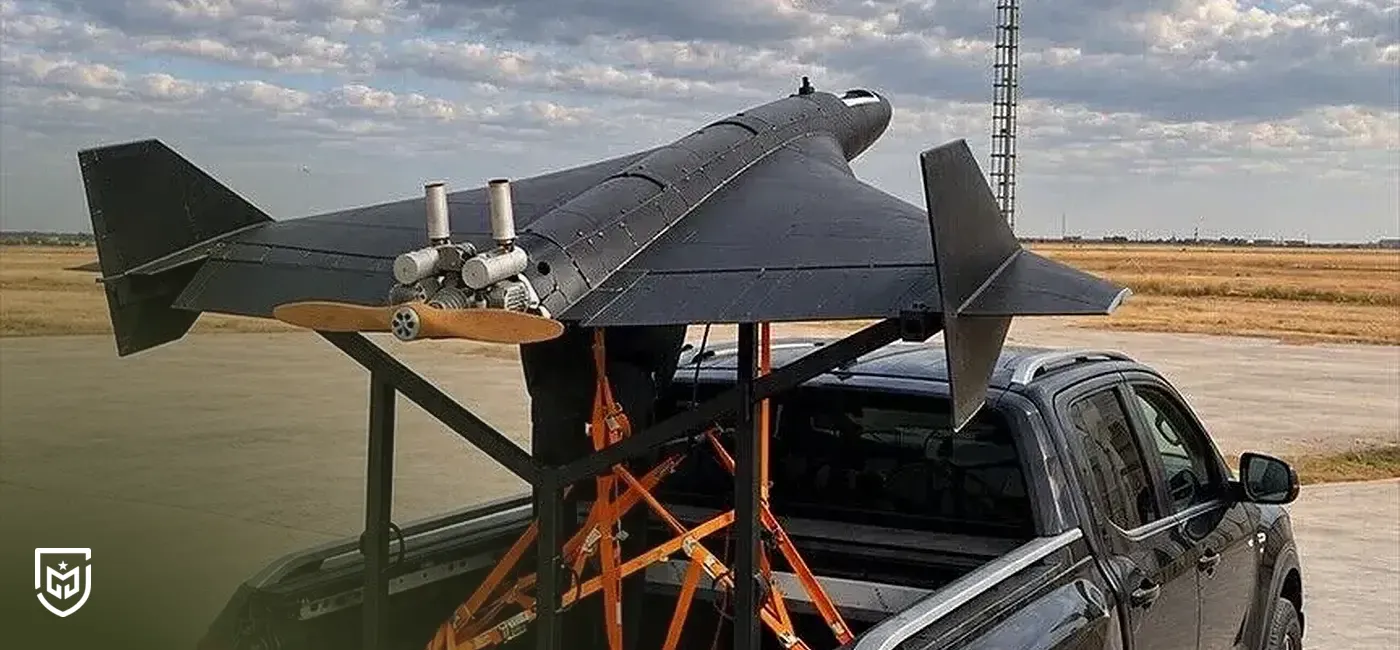
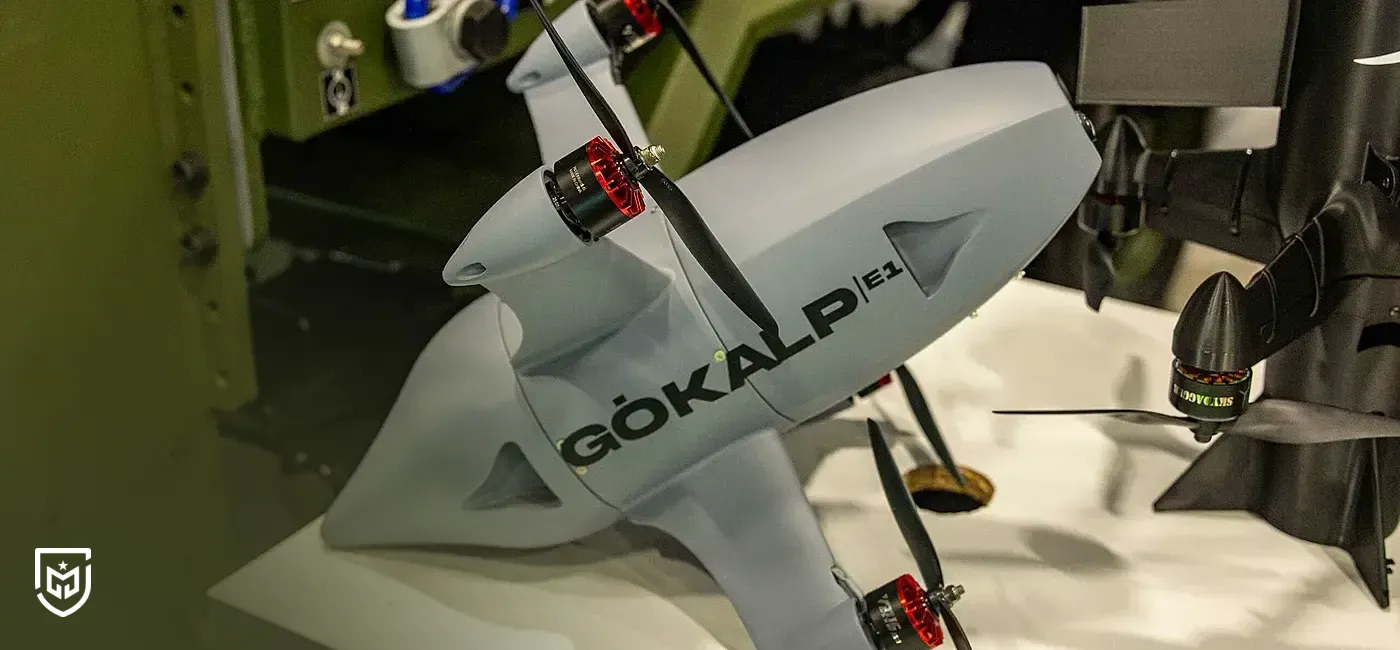
Unmanned aerial vehicles and modern drone technologies are also heavily affected by electronic warfare systems. Many UAVs operate through GPS and data links, so signal jamming attacks can prevent these vehicles from completing their missions. For this reason, electronic protection technologies are becoming increasingly important in next-generation drone systems.
The connection between cyber warfare technologies and electronic warfare is also becoming stronger. Modern armies must protect not only physical radar systems but also digital network infrastructure. Cyberattacks supported by electronic warfare systems can target enemy communication centers and data systems. Therefore, electronic warfare is now seen as a key part of both battlefield operations and digital warfare.
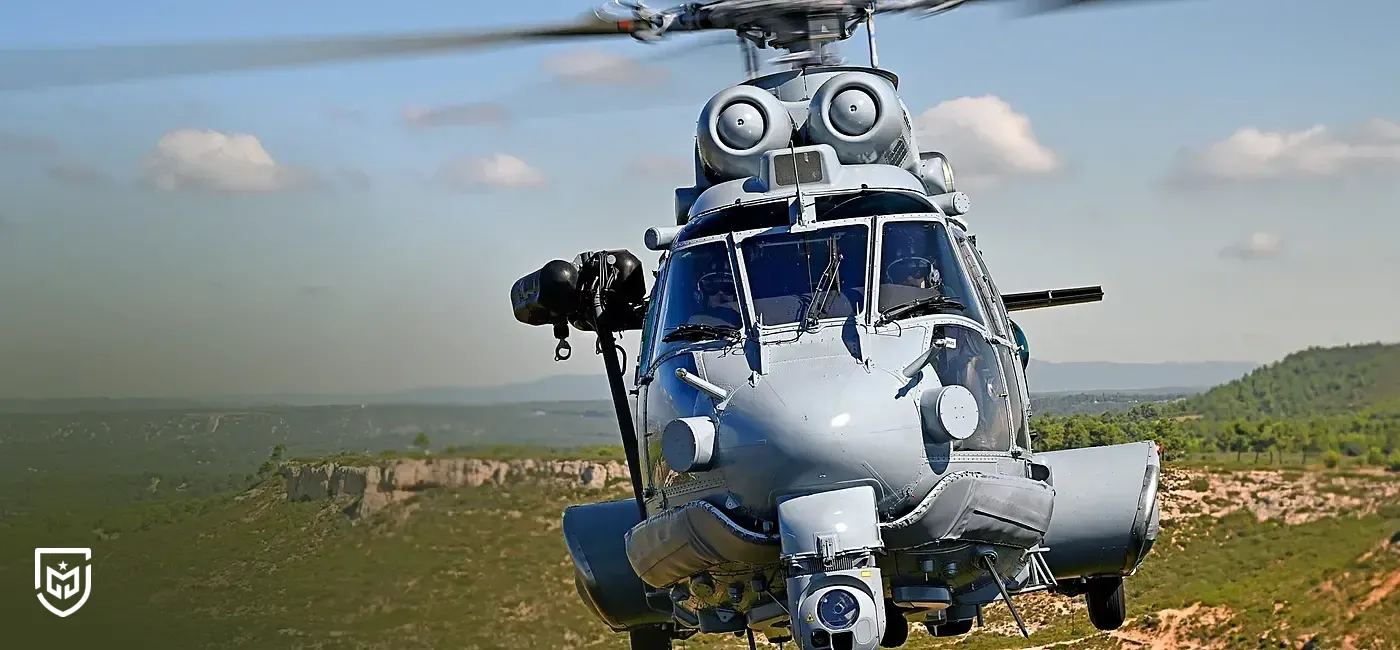
Electronic warfare systems carry strategic value for naval and air forces. Modern warships and fighter aircraft are equipped with advanced electronic protection systems. Technologies that reduce radar visibility, electronic countermeasure systems and automatic threat analysis solutions are among the essential components of modern defense platforms.
In the future, AI-supported electronic warfare systems are expected to become more widespread. Autonomous signal analysis platforms, advanced radar jamming technologies and rapid data processing systems will shape the warfare concepts of tomorrow. For this reason, electronic warfare will continue to remain one of the most critical strategic investment areas for modern armies.


The cookies used on our website are used to provide you with a better user experience and to improve our website. You can manage your cookie preferences from the options below.




 Süheyla Yıldız