BREAKING NEWS
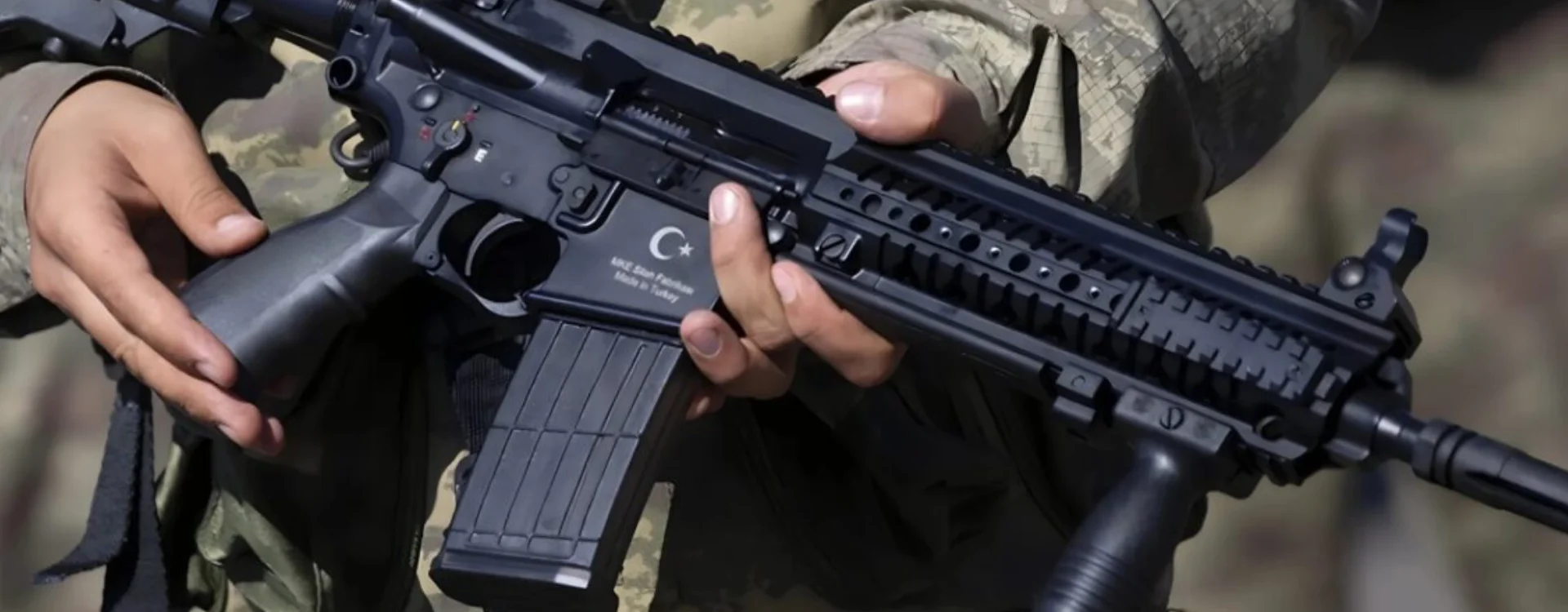
Weapon systems are classified according to their mission, operational environment, platform, method of engagement and technological capabilities. Modern armed forces no longer rely on a single type of weapon; instead, they invest in integrated systems capable of operating across land, air, sea, space and cyber domains. Today, a weapon system is not simply a platform that fires ammunition. It is a comprehensive network consisting of sensors, radars, communication infrastructure, command-and-control software, precision munitions and logistical support. This integrated approach enables military forces to conduct coordinated operations in increasingly complex operational environments.
In modern warfare, the effectiveness of a weapon system is measured by far more than its firepower. Accuracy, range, mobility, target detection capability, electronic resilience, interoperability and logistical sustainability have become essential performance indicators. As a result, two systems designed for similar missions may demonstrate significantly different operational capabilities depending on the technologies they incorporate.
The most common classification method groups weapon systems according to their operational platform. Under this approach, systems are divided into land, air, naval, space-supported and cyber-enabled categories. Each platform is designed to perform specific military missions while employing technologies tailored to its operational environment.
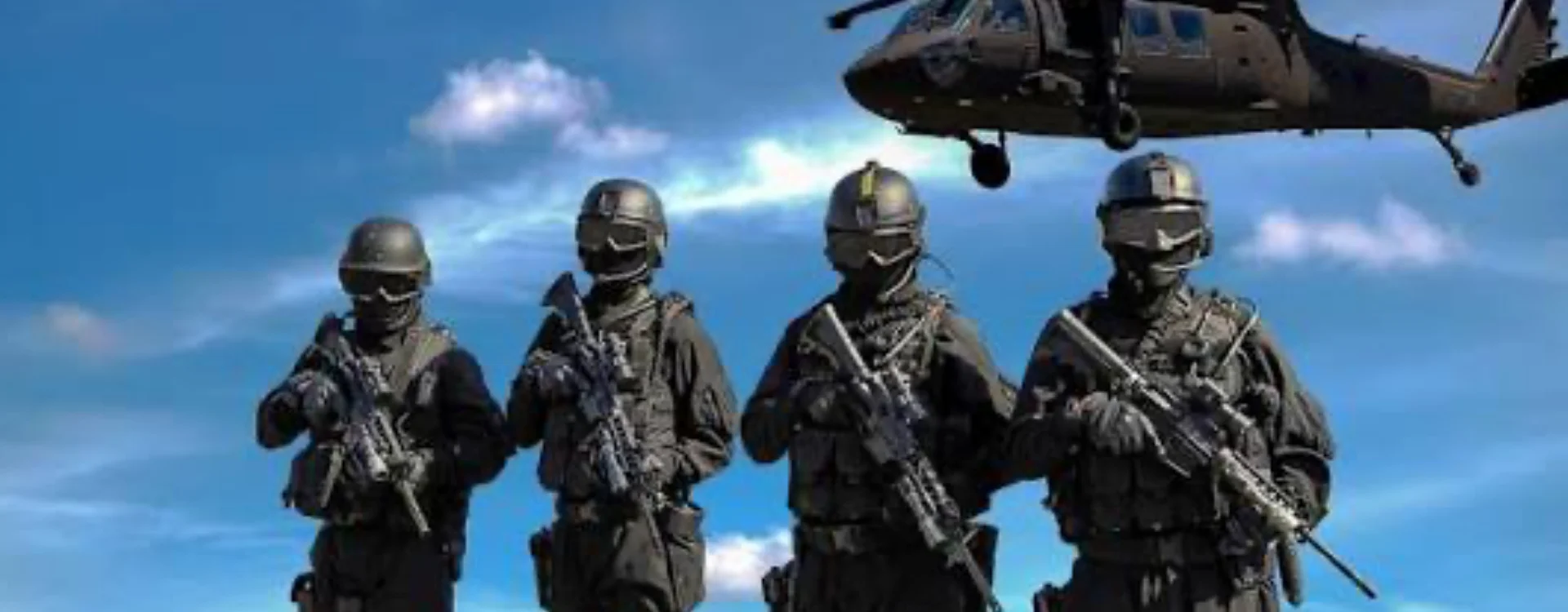
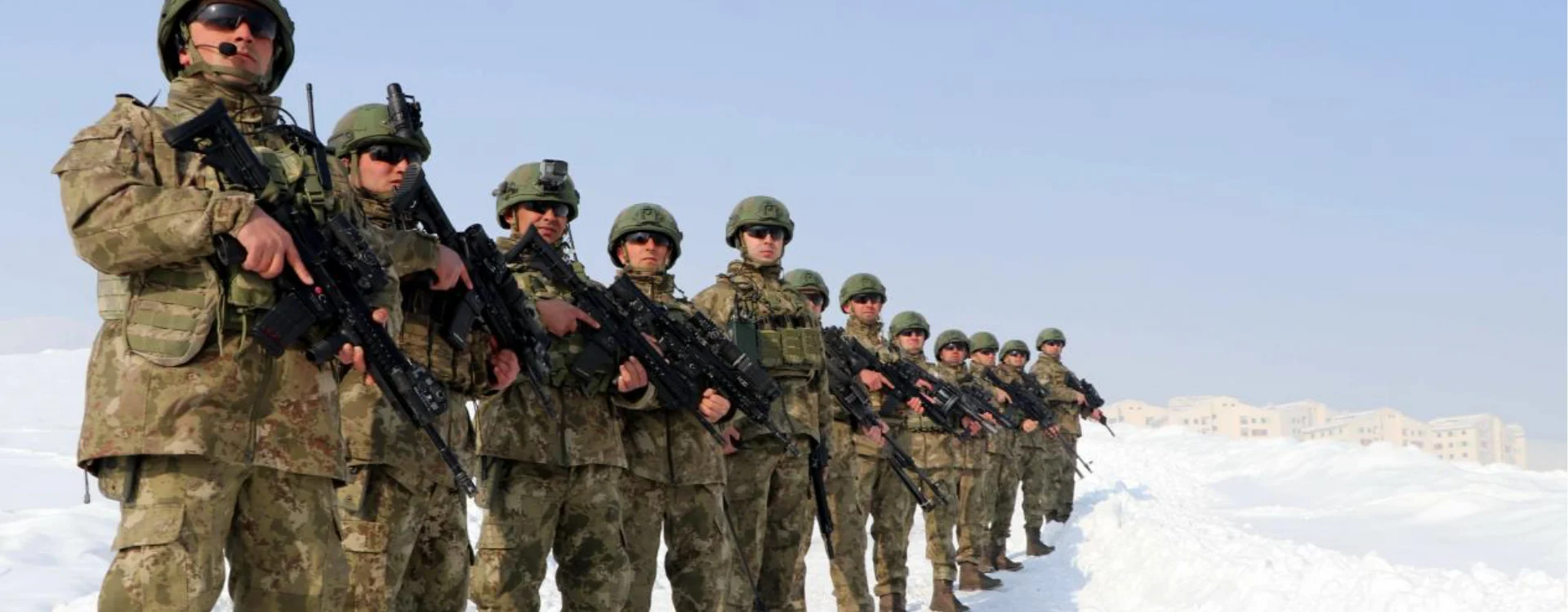
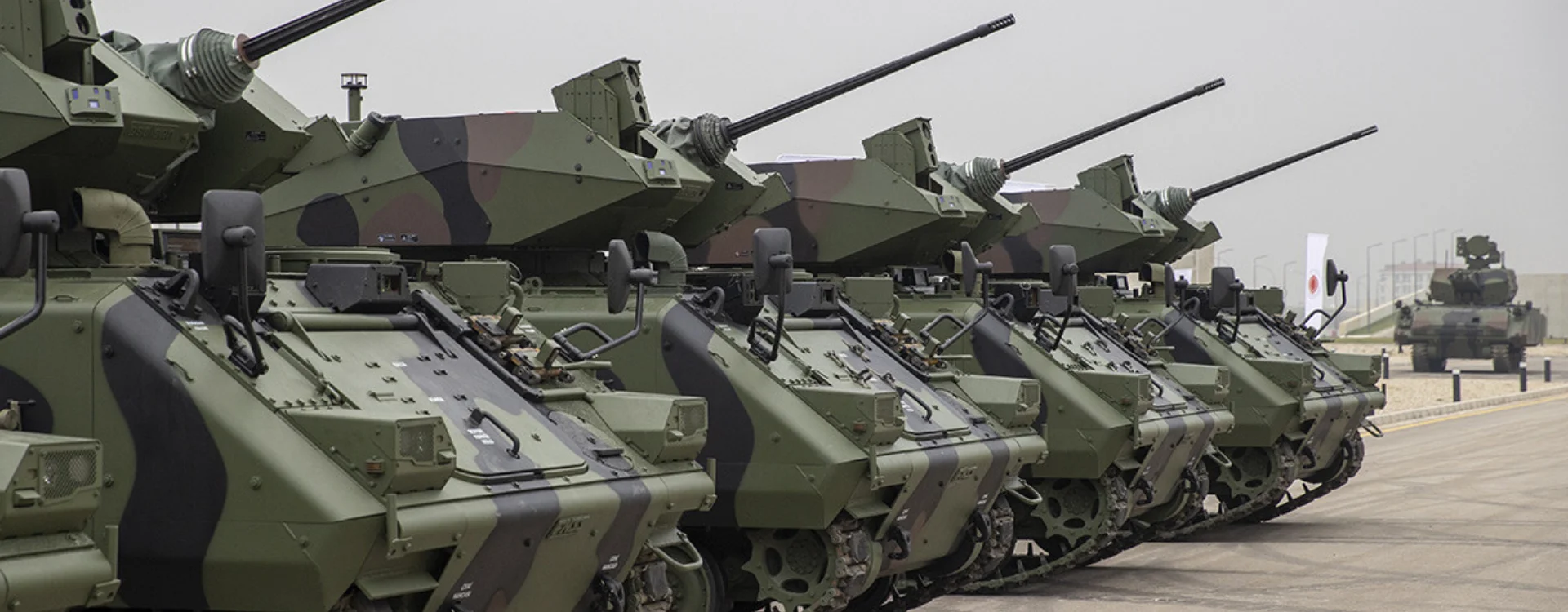
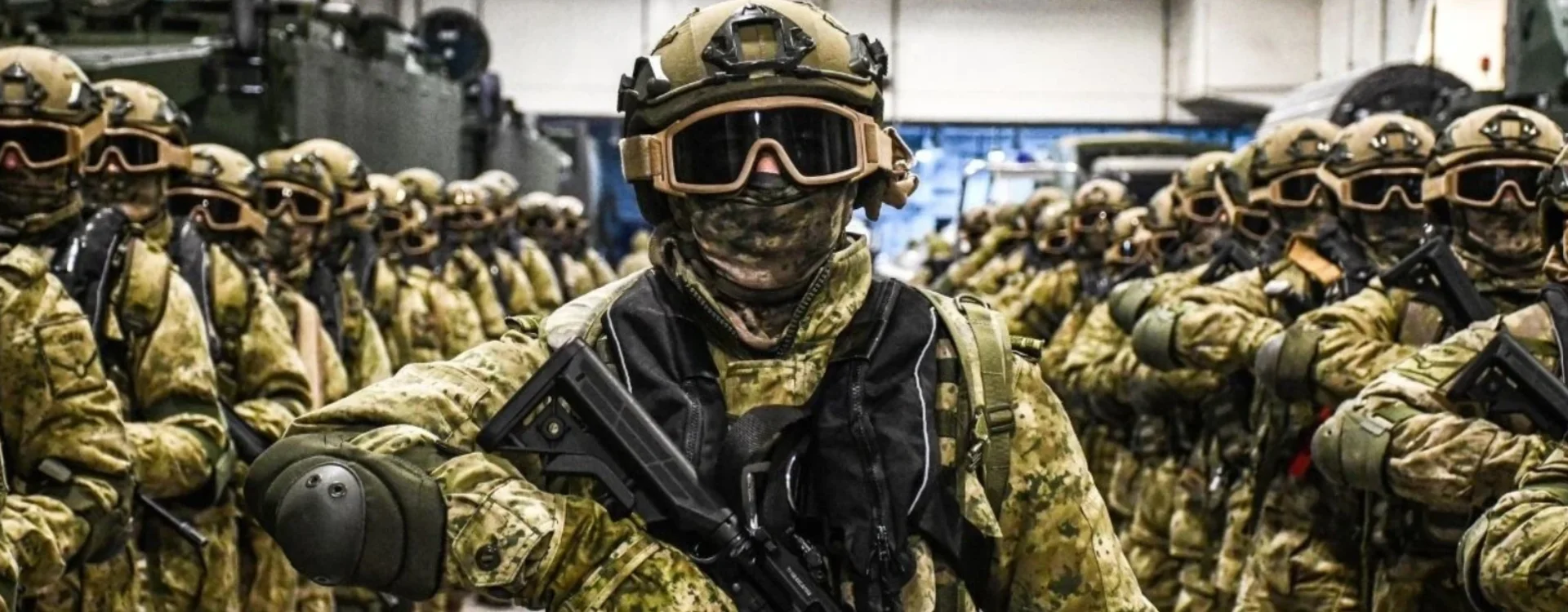
Land weapon systems represent the largest category within most military inventories. This group includes main battle tanks, armored personnel carriers, infantry fighting vehicles, self-propelled artillery, multiple rocket launch systems, mortars, anti-tank weapons, air defense systems and infantry weapons. Modern land forces also employ unmanned ground vehicles, reconnaissance robots and remotely operated weapon stations to improve mobility, battlefield awareness and operational efficiency.
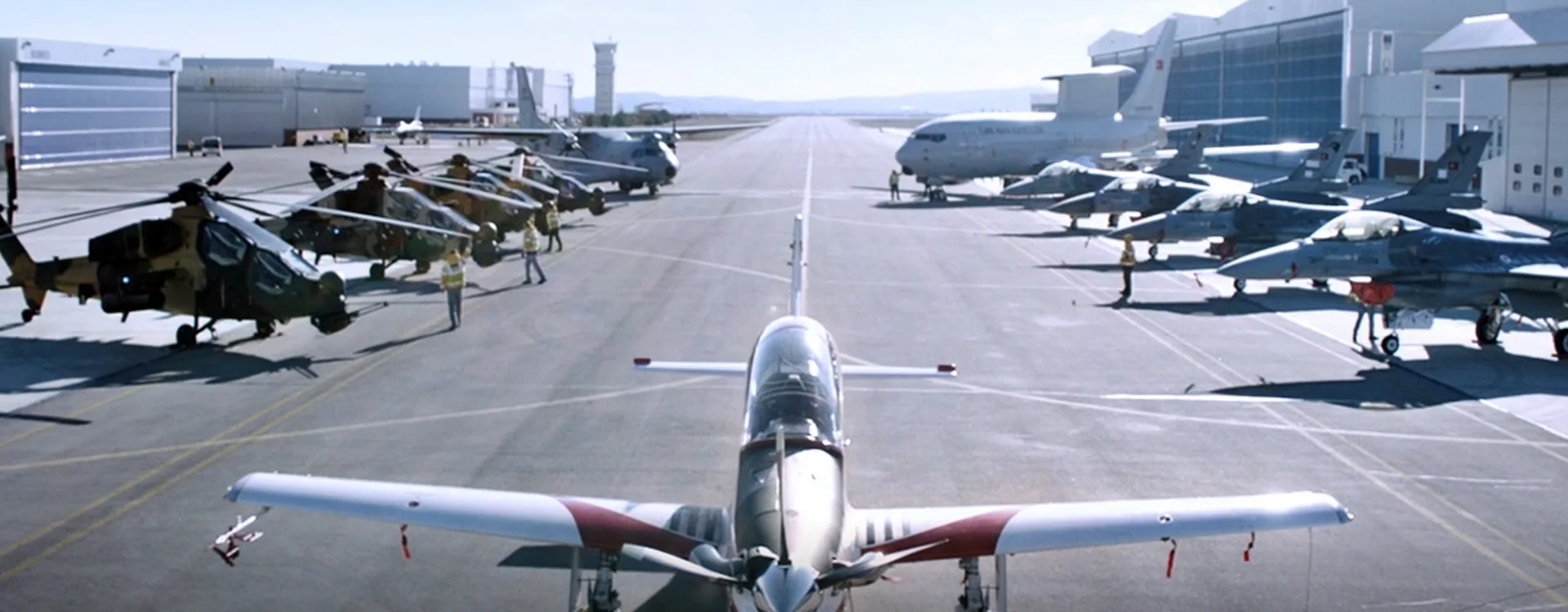
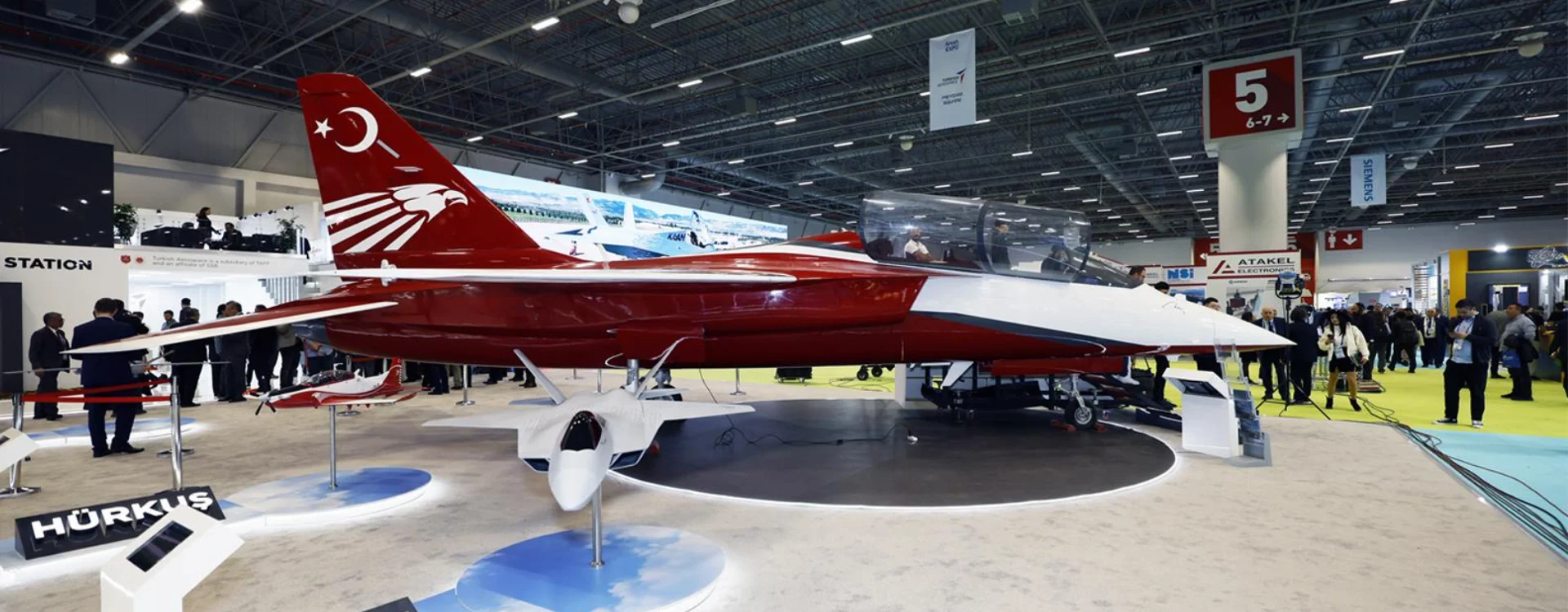
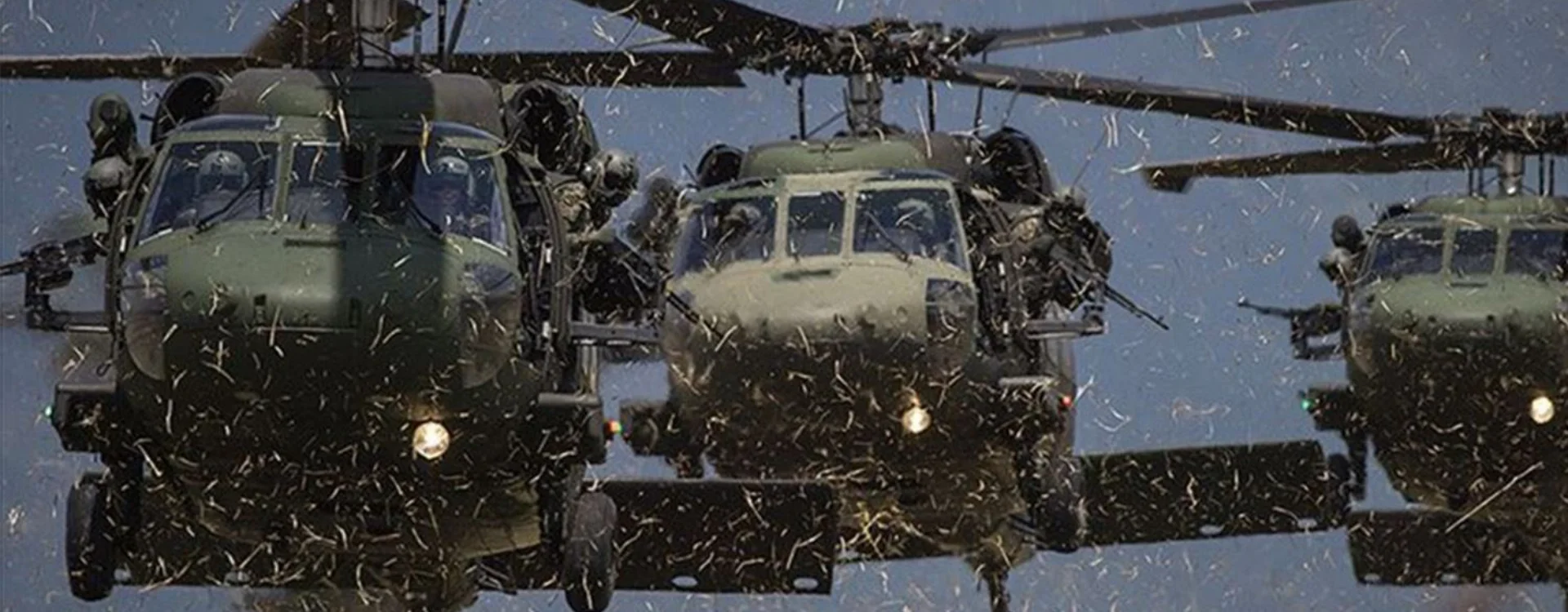
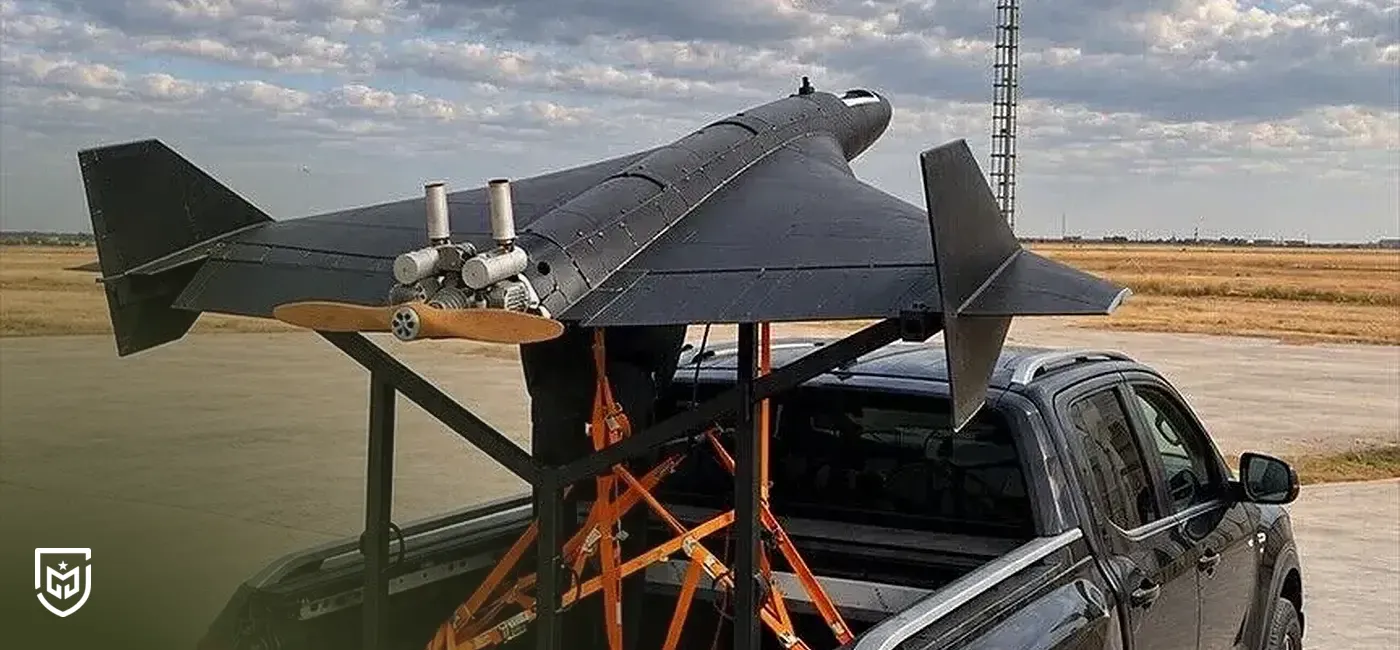
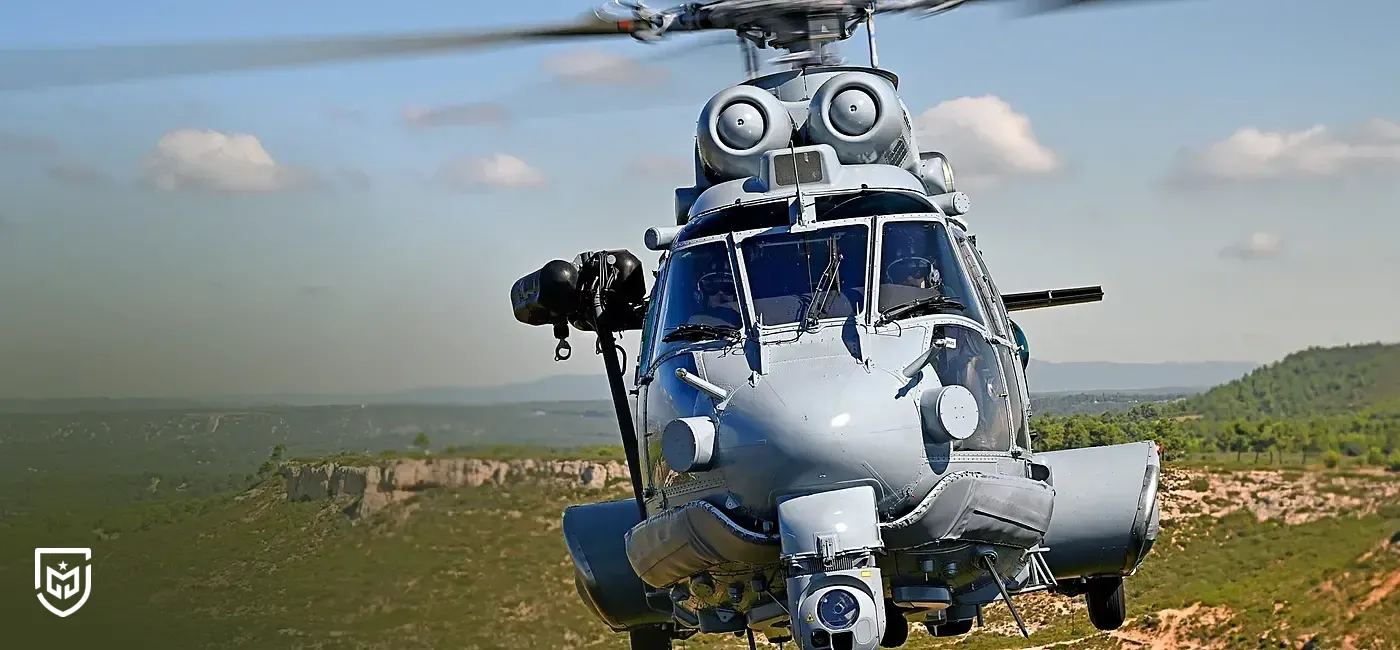
Air weapon systems are developed to establish air superiority and support both ground and naval operations. Fighter aircraft, attack helicopters, transport aircraft, airborne early warning and control platforms, unmanned aerial vehicles and integrated air defense systems all fall within this category. Advanced avionics, radar technologies, electronic warfare equipment and precision-guided munitions play critical roles in maximizing the effectiveness of modern air forces.
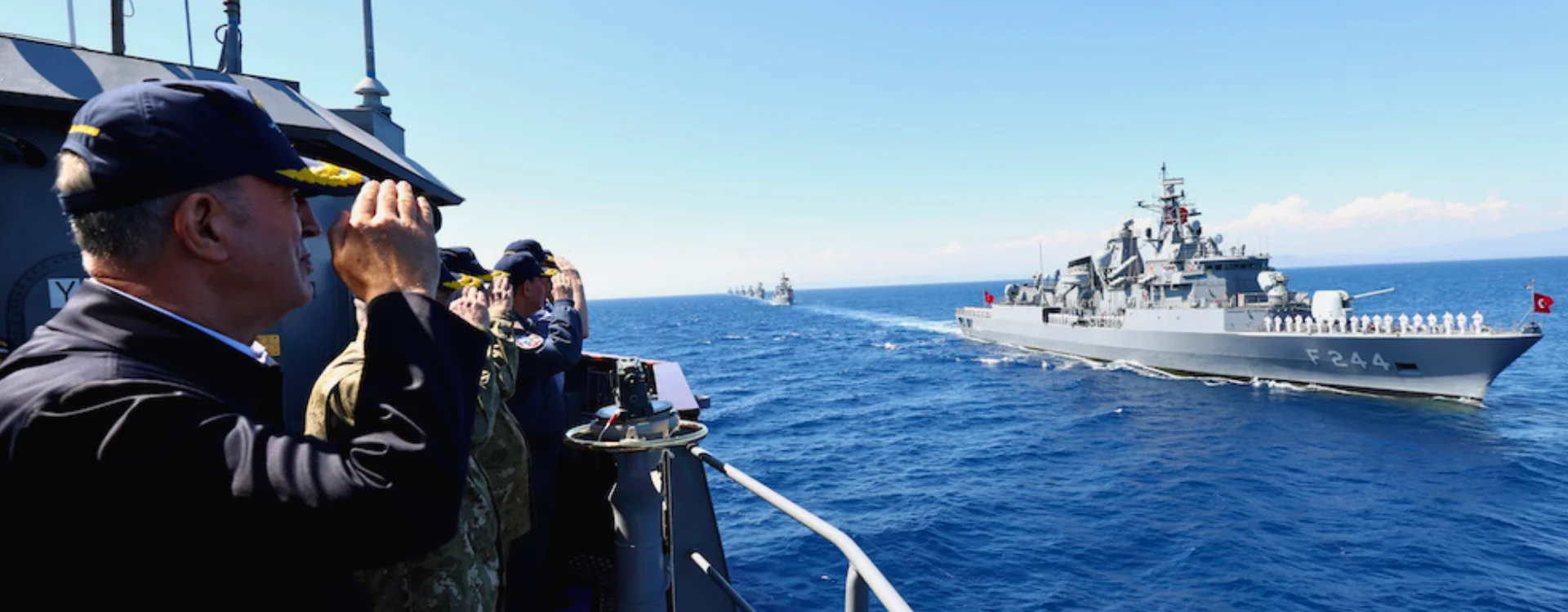
Naval weapon systems are designed to secure maritime interests and project military power across the world's oceans. Frigates, destroyers, corvettes, submarines, fast attack craft, amphibious assault ships, aircraft carriers, torpedoes, anti-ship missiles and close-in weapon systems form the backbone of naval capabilities. These platforms integrate sonar, radar, electronic warfare technologies and sophisticated combat management systems to operate effectively in maritime environments.
Weapon systems are also classified according to their effective range. Short-range, medium-range and long-range systems are developed for different operational requirements. Missile systems, in particular, are categorized based on range, flight profile, guidance method and intended mission. Selecting the appropriate range capability is essential for achieving operational objectives while maintaining strategic flexibility.
Another important classification method is based on munition type. Conventional ammunition, precision-guided munitions, guided bombs, ballistic missiles, cruise missiles, rockets, torpedoes and specialized electronic-effect weapons are all designed for distinct military missions. Modern precision-guided weapons significantly improve targeting accuracy while reducing ammunition consumption and minimizing unintended damage.
Weapon systems may also be categorized according to their operational purpose. Offensive systems are intended to neutralize enemy targets, while defensive systems protect military forces and critical infrastructure. Other categories include reconnaissance, surveillance, electronic warfare, air defense, missile defense, anti-submarine warfare and logistical support systems. Radar installations, command centers and communication networks may not directly engage targets, yet they remain indispensable components of integrated military operations.
Modern armed forces place considerable emphasis on guidance technologies. Laser guidance, satellite-assisted navigation, inertial navigation systems, infrared seekers, radar guidance and electro-optical targeting systems are employed across a wide variety of modern weapons. These technologies greatly increase targeting precision, improve mission effectiveness and enhance operational reliability under challenging combat conditions.
Weapon systems are further classified according to their mobility. Fixed installations protect strategic locations such as military bases and critical infrastructure, while mobile systems can be rapidly deployed across land, air or sea. Portable systems provide infantry units with greater operational flexibility and are particularly valuable in rapidly changing tactical environments.
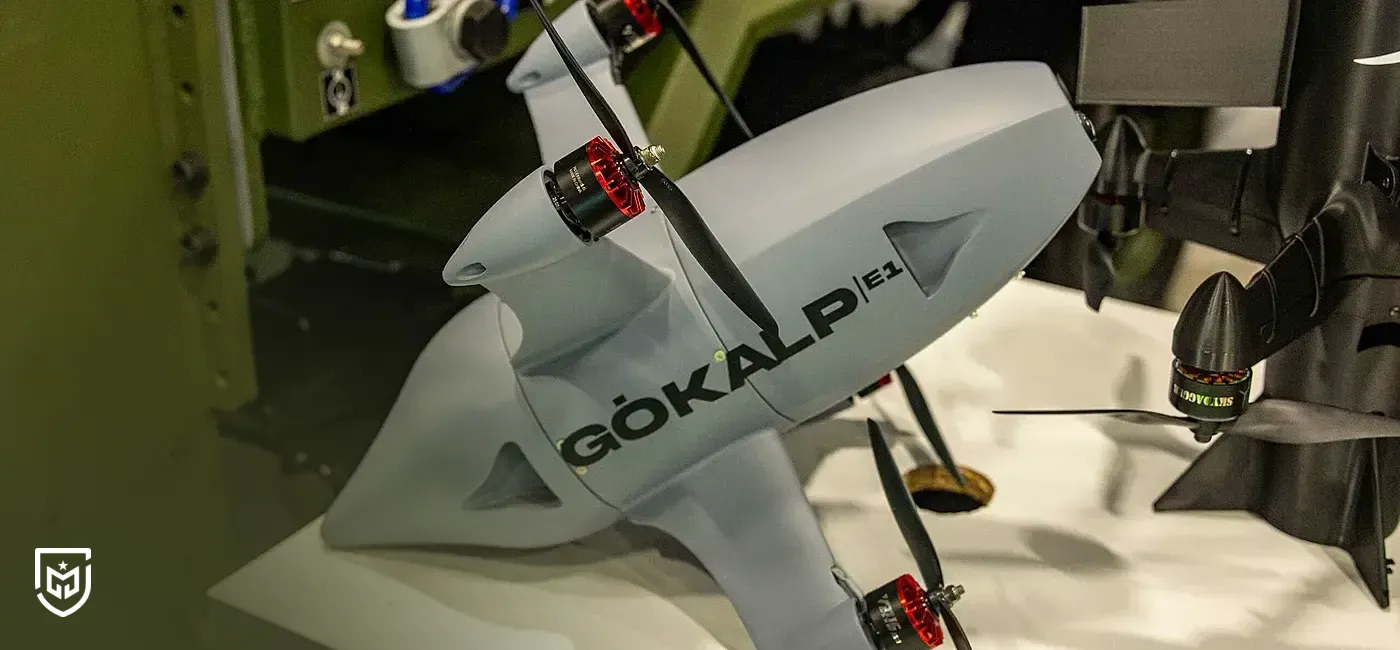
In recent years, autonomous and semi-autonomous systems have become increasingly important within modern defense technology. Artificial intelligence-assisted target recognition, unmanned vehicle swarms, automated threat analysis and decision-support systems are being integrated into many next-generation military platforms. Depending on their level of autonomy and human supervision, these systems can perform reconnaissance, surveillance, logistics or combat-related missions.
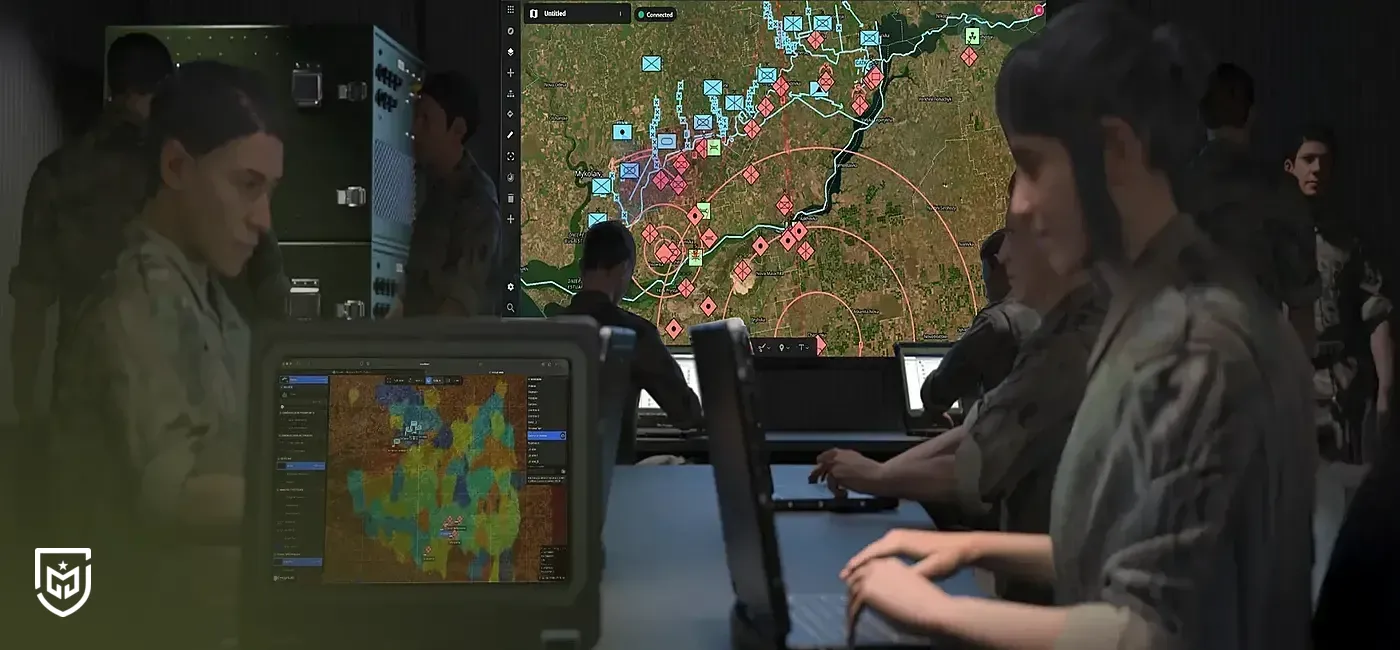
The effectiveness of any weapon system depends not only on the platform itself but also on its integration with radars, sensors, electronic warfare capabilities, communication networks, satellite systems, command-and-control infrastructure and logistical support. Modern militaries therefore focus on developing network-centric operations in which multiple systems share information and coordinate actions in real time, creating a more responsive and effective battlefield environment.
Military planners recognize that no single weapon system can address every operational challenge. Land, air and naval assets must operate together while being supported by intelligence, surveillance, reconnaissance, electronic warfare and logistics. This integrated approach forms the basis of Multi-Domain Operations, allowing armed forces to coordinate activities across multiple operational environments simultaneously.
As technology continues to evolve, weapon systems increasingly incorporate artificial intelligence, advanced sensors, secure digital communications, cyber defense capabilities, autonomous technologies and data-driven decision support. Future military effectiveness will depend not only on individual weapon performance but also on how effectively these systems exchange information, adapt to emerging threats and operate within integrated defense networks.
In conclusion, weapon systems are classified according to their platforms, missions, operational ranges, munition types, guidance technologies, mobility and technological capabilities. This comprehensive classification helps armed forces organize procurement strategies, manage modernization programs and improve interoperability among different military platforms. In today's defense environment, success depends not only on possessing advanced weapons but also on integrating them into a secure, intelligent and coordinated defense architecture.


The cookies used on our website are used to provide you with a better user experience and to improve our website. You can manage your cookie preferences from the options below.




 Süheyla Yıldız