BREAKING NEWS
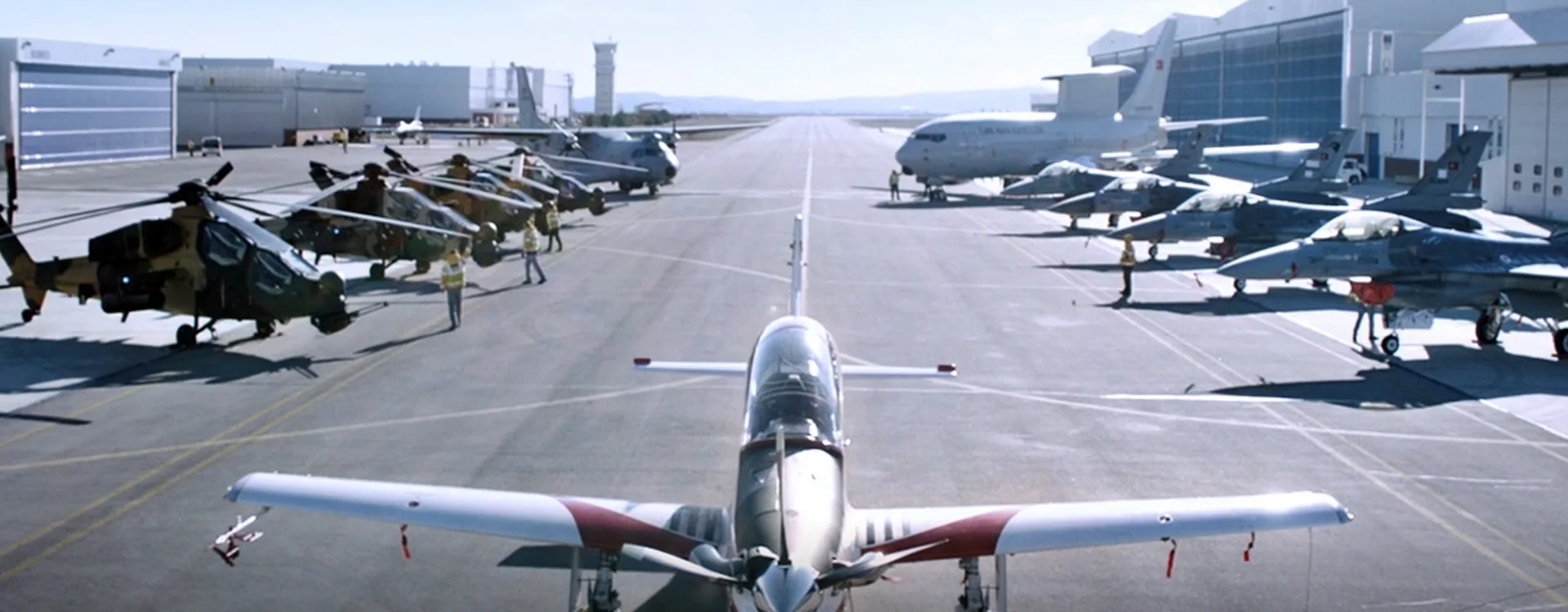
Defense planning is the comprehensive process through which a nation assesses current and future security challenges and develops the military capabilities, resources and long-term strategies needed to protect its national interests. It extends far beyond the procurement of weapons and military equipment. Modern defense planning also includes personnel management, defense budgeting, logistics, defense industry development, technological investment, military training, operational doctrines and international cooperation. Its primary objective is to build a sustainable, effective and credible defense capability by making the most efficient use of available resources.
The modern security environment is significantly more complex than in previous decades. In addition to conventional military threats, governments must also prepare for cyberattacks, terrorism, hybrid warfare, space-related challenges, attacks on critical infrastructure and information security risks. As a result, defense planning has evolved into a dynamic process that considers not only current requirements but also future security scenarios and emerging technologies.
The first stage of defense planning is threat assessment. Governments continuously analyze geopolitical developments, regional security trends, military capability changes, border security concerns and the broader international environment. Non-military risks—including natural disasters, energy security, cyber threats and disruptions to critical infrastructure—are also evaluated because they can significantly influence national security.
Following the threat assessment, governments establish strategic objectives. These objectives define the overall direction of national defense policy, including whether the armed forces should focus primarily on territorial defense, maritime security, international peace support operations, expeditionary missions or Multi-Domain Operations. Clearly defined strategic goals provide the foundation for every subsequent planning activity.
The next phase involves capability planning. Existing military capabilities are compared with projected operational requirements to identify capability gaps. Defense planners evaluate the needs of land, air and naval forces while also considering air defense, electronic warfare, cybersecurity, intelligence, space systems, unmanned platforms and logistics infrastructure. This process ensures that future investments address genuine operational priorities.
Defense budget planning is one of the most critical components of national defense management. Governments must allocate resources for personnel, maintenance, ammunition, research and development, procurement of new military systems and infrastructure modernization. Effective defense planning depends not only on the size of the defense budget but also on allocating financial resources according to long-term strategic priorities.
The development of the domestic defense industry is another essential aspect of defense planning. Strengthening indigenous manufacturing, investing in research and development, producing critical technologies domestically and improving supply chain resilience reduce dependence on foreign suppliers while enhancing national security. Many countries integrate industrial development into their long-term defense strategies to support both military capability and economic growth.
Modern defense planning places considerable emphasis on technological innovation. Artificial intelligence, big data analytics, autonomous systems, quantum technologies, cybersecurity, electronic warfare, advanced sensors and space-based communication systems are becoming increasingly important components of future military capabilities. Nations that successfully integrate these technologies into their defense strategies improve operational effectiveness and strategic adaptability.
Personnel planning is equally important. Modern armed forces require not only soldiers but also engineers, software developers, intelligence analysts, cybersecurity specialists, logistics experts and technical personnel. Recruiting, educating and retaining highly skilled professionals has therefore become a strategic priority for maintaining advanced military capabilities.
Logistics planning ensures that military forces remain operational during both peacetime and conflict. Fuel supplies, ammunition reserves, maintenance facilities, transportation networks, storage infrastructure, medical support and supply chain management all contribute to long-term operational readiness. Without effective logistics, even the most advanced military equipment cannot sustain prolonged operations.
In today's digital environment, cyber defense and information security have become integral parts of defense planning. Protecting military communication systems, securing critical infrastructure, preventing cyberattacks and maintaining resilient digital networks are now considered just as important as traditional military preparedness. Cyber resilience plays a vital role in national defense strategies worldwide.
Defense planning also focuses on developing joint operational capabilities. Land, air and naval forces must operate seamlessly alongside cyber and space assets through integrated command-and-control systems, secure communications and standardized operational procedures. This joint approach forms the foundation of Multi-Domain Operations, enabling armed forces to coordinate military activities across multiple operational environments simultaneously.
Another essential element is risk management and scenario planning. Governments regularly develop contingency plans for regional conflicts, cyber incidents, energy disruptions, natural disasters, humanitarian crises and other emergencies. Scenario-based planning enables decision-makers to respond more effectively to unexpected events while improving national resilience.
International cooperation is another important aspect of defense planning. Joint military exercises, intelligence sharing, technology partnerships and defense industrial cooperation improve interoperability among allied and partner nations. At the same time, every country must maintain independent planning processes that reflect its own national security priorities, strategic interests and available resources.
Defense planning is inherently long-term in nature. Developing, testing, manufacturing and fielding advanced military systems often requires many years or even decades. Consequently, governments typically prepare defense strategies covering periods of 10 to 30 years while maintaining the flexibility to adapt to changing geopolitical conditions, technological developments and evolving threats.
The effectiveness of defense planning depends not only on military expenditure but also on efficient resource management. Accurate threat assessments, realistic capability development, sustainable budgeting, strong defense industries, continuous personnel training and technological innovation all contribute to successful long-term defense strategies. Simply increasing defense spending does not automatically produce greater military effectiveness.
Modern defense planning also emphasizes resilience and adaptability. Military organizations must be capable of responding rapidly to evolving operational environments, emerging technologies and unexpected crises. Flexible force structures, continuous modernization and regular strategic reviews help ensure that defense policies remain effective over time.
In conclusion, defense planning is a comprehensive strategic process that integrates military, economic, technological and political considerations to safeguard national security. Threat assessment, strategic objectives, capability development, defense budgeting, technological innovation, defense industry, logistics, cybersecurity and human capital all form essential components of an effective defense strategy. As global security challenges continue to evolve, long-term, sustainable and adaptive defense planning remains one of the most important responsibilities of modern governments.


The cookies used on our website are used to provide you with a better user experience and to improve our website. You can manage your cookie preferences from the options below.





 Süheyla Yıldız