BREAKING NEWS
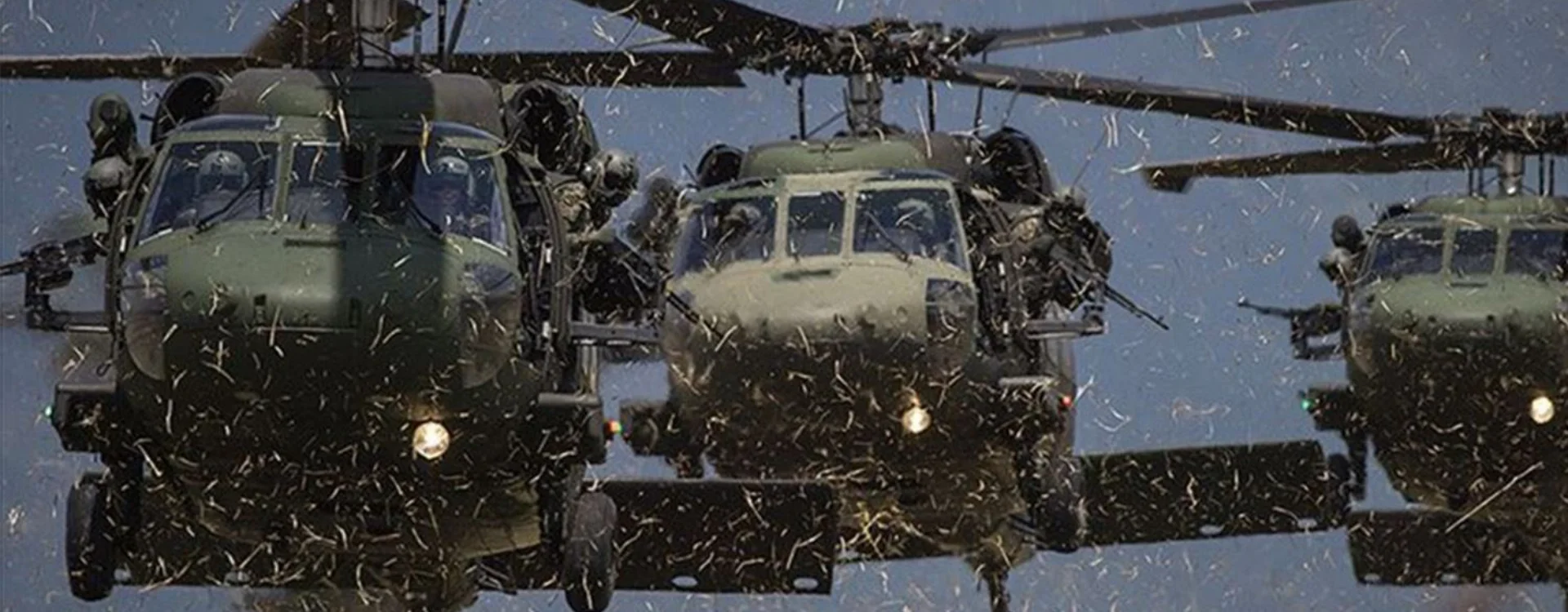
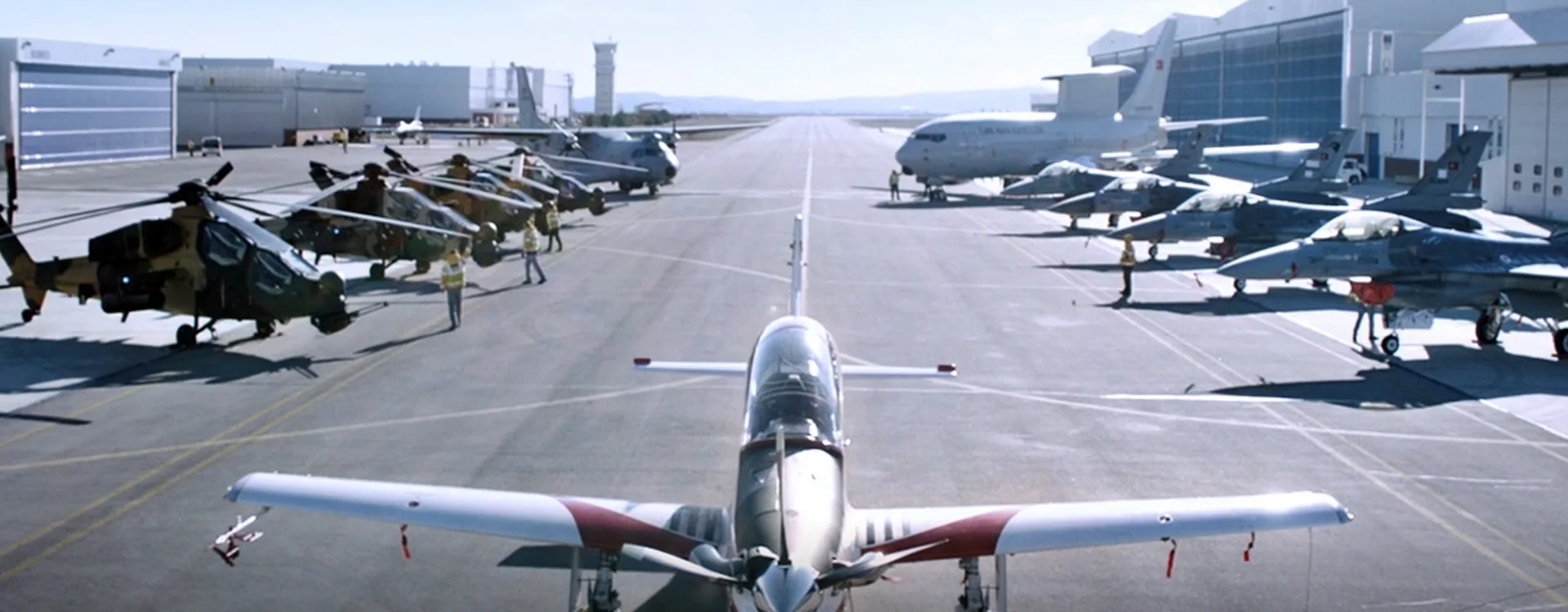
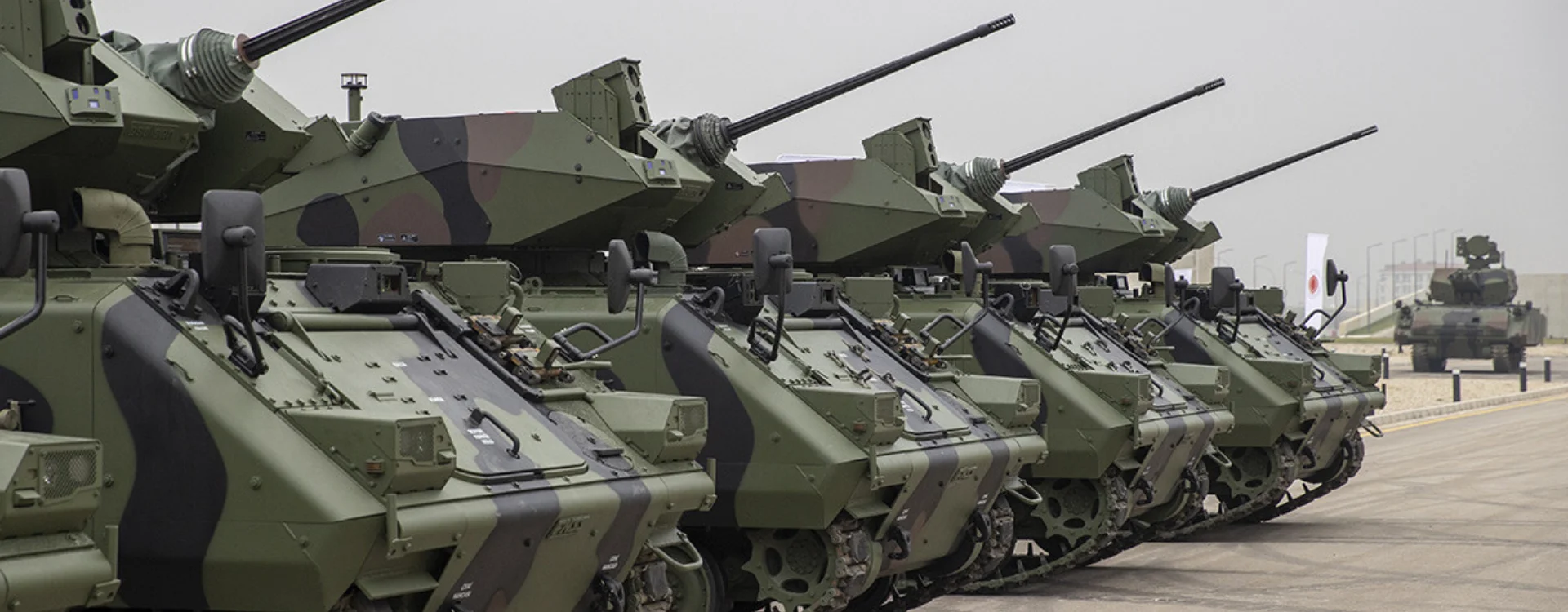
Defense expenditures are increasing worldwide as governments seek to strengthen national security, modernize their armed forces and respond to an increasingly complex global threat environment. Regional conflicts, geopolitical tensions, border security concerns, terrorism, cyberattacks and threats to critical infrastructure have encouraged nations to allocate larger budgets to defense. In addition, the modernization of aging military equipment, the replenishment of ammunition stockpiles and efforts to achieve greater technological independence have become major drivers behind the steady growth of military spending.
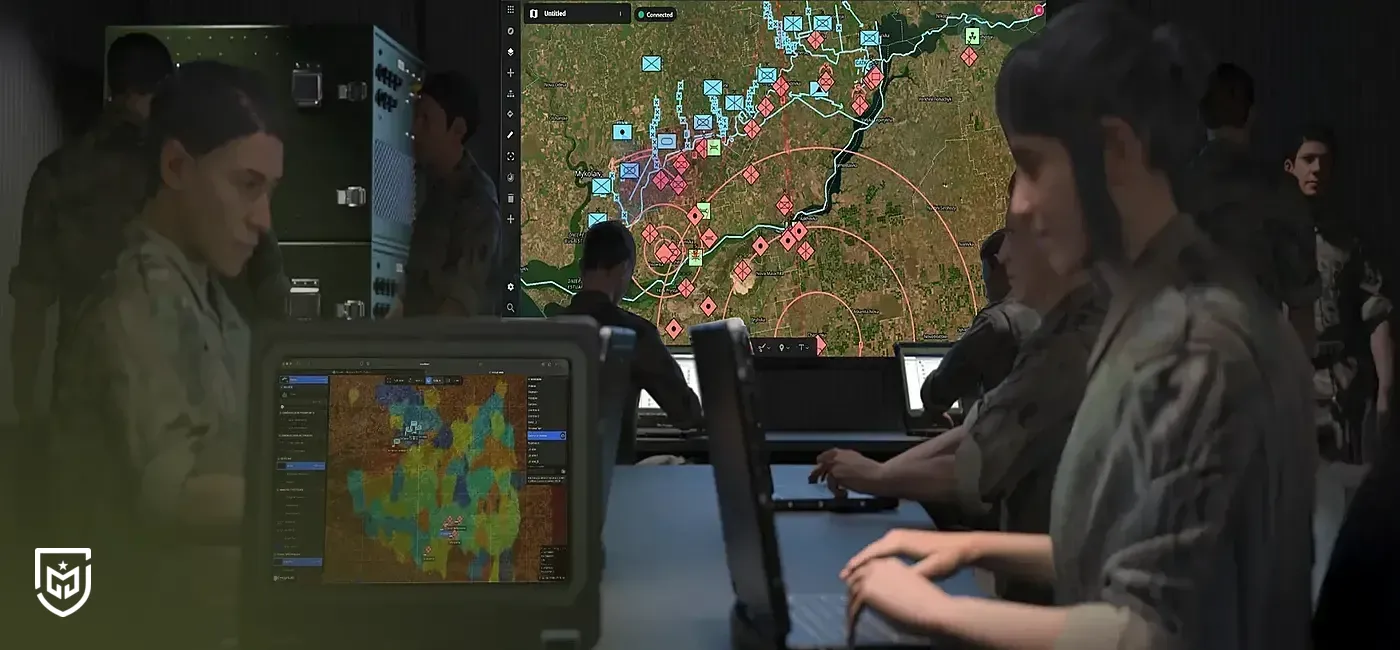
Modern defense budgets are no longer focused solely on purchasing tanks, fighter aircraft, warships or missile systems. Significant investments are now directed toward cybersecurity, artificial intelligence, space technologies, electronic warfare, unmanned systems, military communications and early warning networks. Consequently, rising defense expenditures reflect not only increased procurement of military equipment but also the digital transformation of armed forces, modernization of command-and-control systems and expansion of domestic defense industries.
One of the primary reasons for rising defense spending is the growing uncertainty in the global security environment. Political disputes, regional conflicts and strategic competition among nations have prompted governments to reassess their defense strategies. Increased military activity in one region often encourages neighboring countries to strengthen their own defense capabilities, creating a cycle in which security concerns contribute to higher military budgets across multiple regions.
Regional conflicts and prolonged military operations have significantly increased defense expenditures. Sustained operations require continuous supplies of ammunition, replacement equipment, logistical support and maintenance of military assets. Even countries not directly involved in conflicts often increase investments in air defense systems, long-range precision weapons and border security capabilities to prepare for potential security challenges.
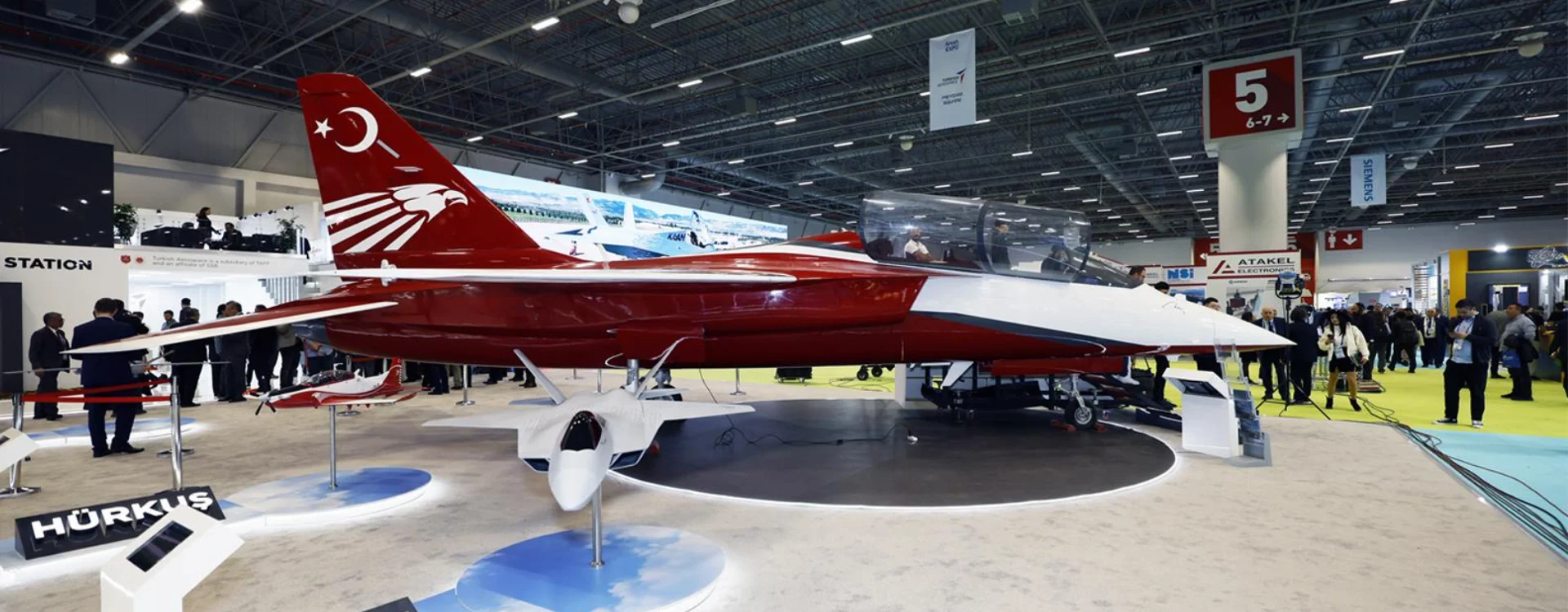
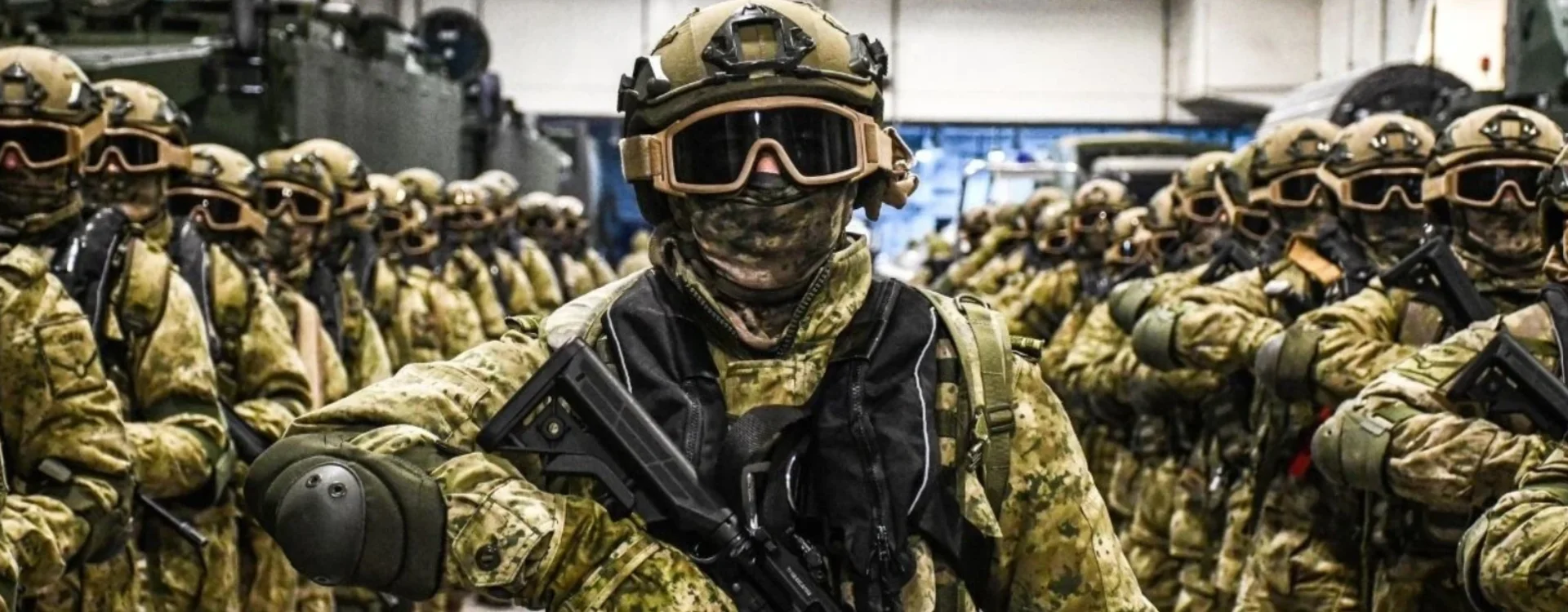
Another major factor is the need for credible military deterrence. Deterrence aims to discourage potential adversaries by maintaining capable and well-equipped armed forces. Modern fighter aircraft, advanced missile defense systems, naval forces, precision strike capabilities and highly trained military personnel contribute to national deterrence strategies. Preserving and upgrading these capabilities requires continuous long-term investment.
Military modernization also plays a central role in increasing defense budgets. Tanks, aircraft, warships, radar systems and communication infrastructure eventually become outdated and require modernization or replacement. Developing next-generation military platforms involves years of research, testing, production and integration, making defense modernization one of the most expensive long-term government investments.
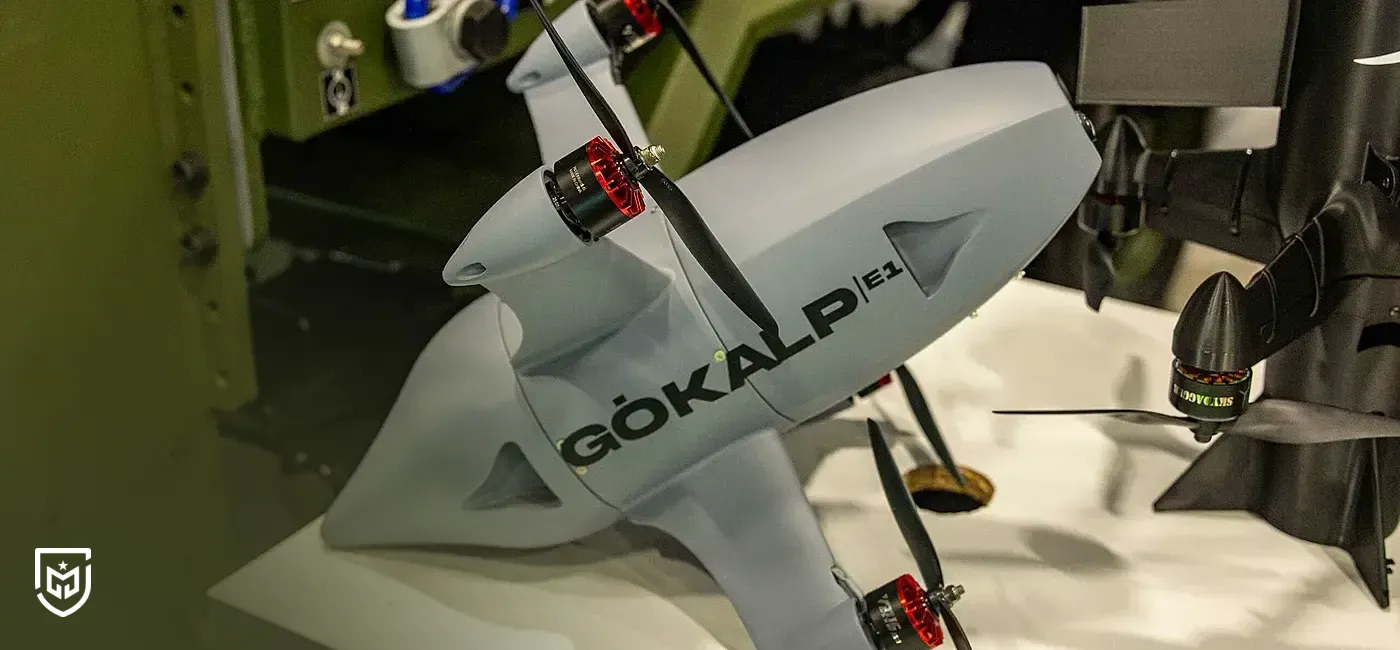
In recent years, unmanned aerial, ground and maritime systems have become major priorities for military procurement. These platforms perform intelligence, surveillance, reconnaissance, logistics and combat support missions while reducing operational risks for military personnel. Their sophisticated sensors, secure communication systems, artificial intelligence software and autonomous capabilities require substantial investment in advanced technologies.
The growing frequency of cyber threats has significantly expanded defense spending into new technological domains. Governments are investing heavily in cyber defense centers, digital infrastructure protection, secure military communication networks and specialized cybersecurity personnel. Protecting critical infrastructure—including energy systems, transportation networks, government institutions and military command systems—has become a strategic national priority.
Space-based defense capabilities have emerged as another important area of military investment. Reconnaissance satellites, secure communications, navigation systems and missile early warning satellites provide armed forces with critical information and operational awareness. Developing, launching and maintaining these sophisticated systems requires long-term financial commitments and advanced technological expertise.
Defense spending is also increasing due to the growing importance of electronic warfare capabilities. Modern military operations depend on reliable radar systems, secure communications and advanced sensors. Armed forces invest in technologies that can disrupt hostile electronic systems while protecting their own networks from jamming, interception and electronic attacks. Electromagnetic spectrum superiority has become a key objective in modern military strategy.
Another important driver is the need to maintain strategic stockpiles of ammunition and military equipment. Recent conflicts have demonstrated that prolonged military operations can consume large quantities of ammunition, spare parts, fuel and technical equipment. Governments are therefore expanding production capacity, strengthening supply chains and increasing strategic reserves to ensure long-term operational readiness.
Domestic defense production and technological independence have become increasingly important national objectives. Many countries seek to reduce dependence on foreign suppliers by investing in indigenous development of engines, radar systems, sensors, electronic components, military software and precision-guided weapons. Although these initiatives require significant research and infrastructure investment, they enhance long-term security and strengthen national defense industries.
Global supply chain disruptions have further encouraged governments to diversify suppliers and expand domestic manufacturing capabilities. Delays in obtaining critical components can affect military readiness and modernization programs. As a result, defense planning increasingly considers the entire lifecycle of military systems, including maintenance, spare parts availability, logistics and long-term sustainability rather than focusing solely on acquisition costs.
Military alliances and collective defense commitments also influence national defense budgets. Participating countries often invest in improving interoperability, military mobility, joint exercises, integrated air defense systems, logistics and secure communications to meet alliance requirements. These commitments encourage sustained investment in both conventional military capabilities and advanced defense technologies.
Rising defense expenditures can have broader economic and industrial impacts. Investments in the defense sector support high-skilled employment, engineering expertise, advanced manufacturing and technological innovation. Many military technologies eventually find applications in civilian industries such as aerospace, telecommunications, healthcare, transportation and energy. At the same time, policymakers must balance defense spending with investments in education, healthcare, infrastructure and other public services.
The effectiveness of defense spending depends not only on budget size but also on efficient resource management. Poor procurement decisions, incompatible equipment and unsustainable acquisition programs can reduce operational effectiveness despite large financial investments. Successful defense planning requires comprehensive threat assessments, transparent procurement processes, lifecycle cost analysis and long-term strategic planning.
Looking ahead, defense expenditures are expected to focus increasingly on artificial intelligence, quantum technologies, autonomous systems, advanced missile defense, counter-hypersonic capabilities and Multi-Domain Operations. Integrating land, air, sea, cyber and space operations through secure digital networks and advanced command-and-control systems will remain a major priority for armed forces around the world.
In conclusion, there is no single reason behind the global rise in defense expenditures. Regional conflicts, geopolitical competition, deterrence requirements, technological transformation, military modernization, ammunition replenishment and the pursuit of defense industrial independence all contribute to increasing military budgets. Sustainable defense investment requires balancing national security priorities with technological innovation, economic resilience and long-term strategic planning.


The cookies used on our website are used to provide you with a better user experience and to improve our website. You can manage your cookie preferences from the options below.





 Süheyla Yıldız