BREAKING NEWS
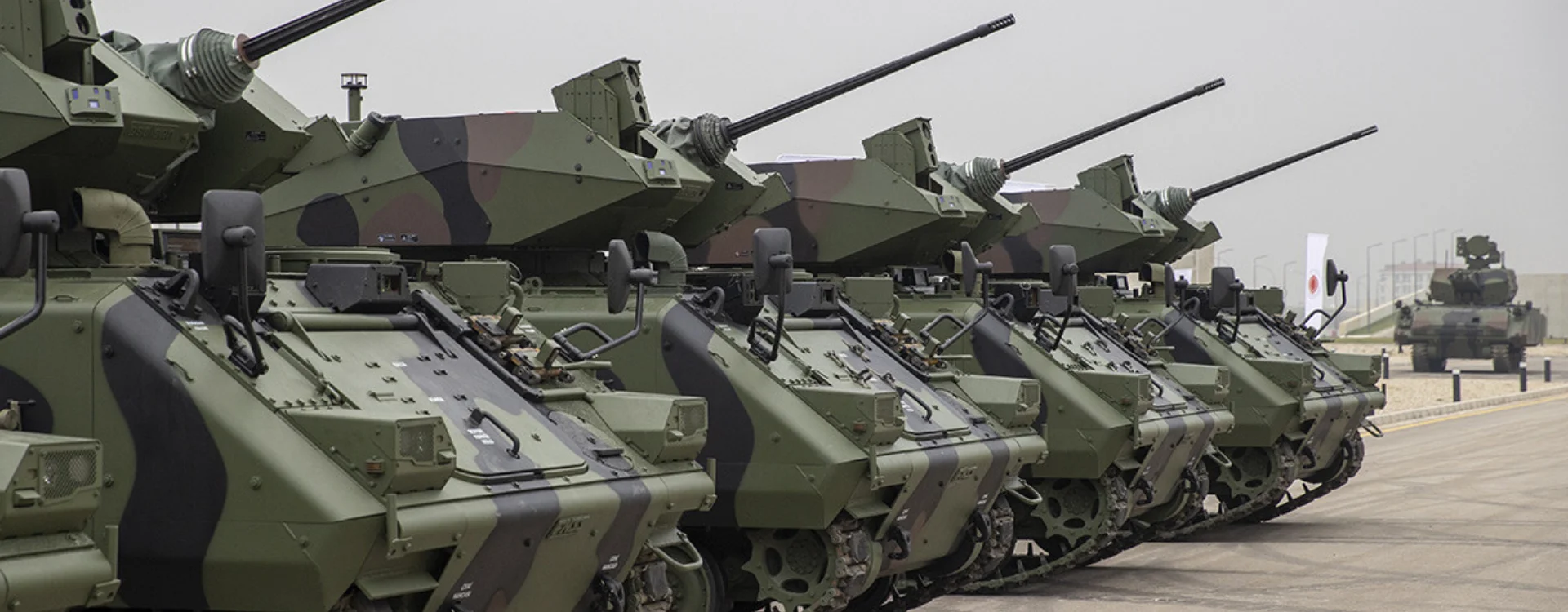
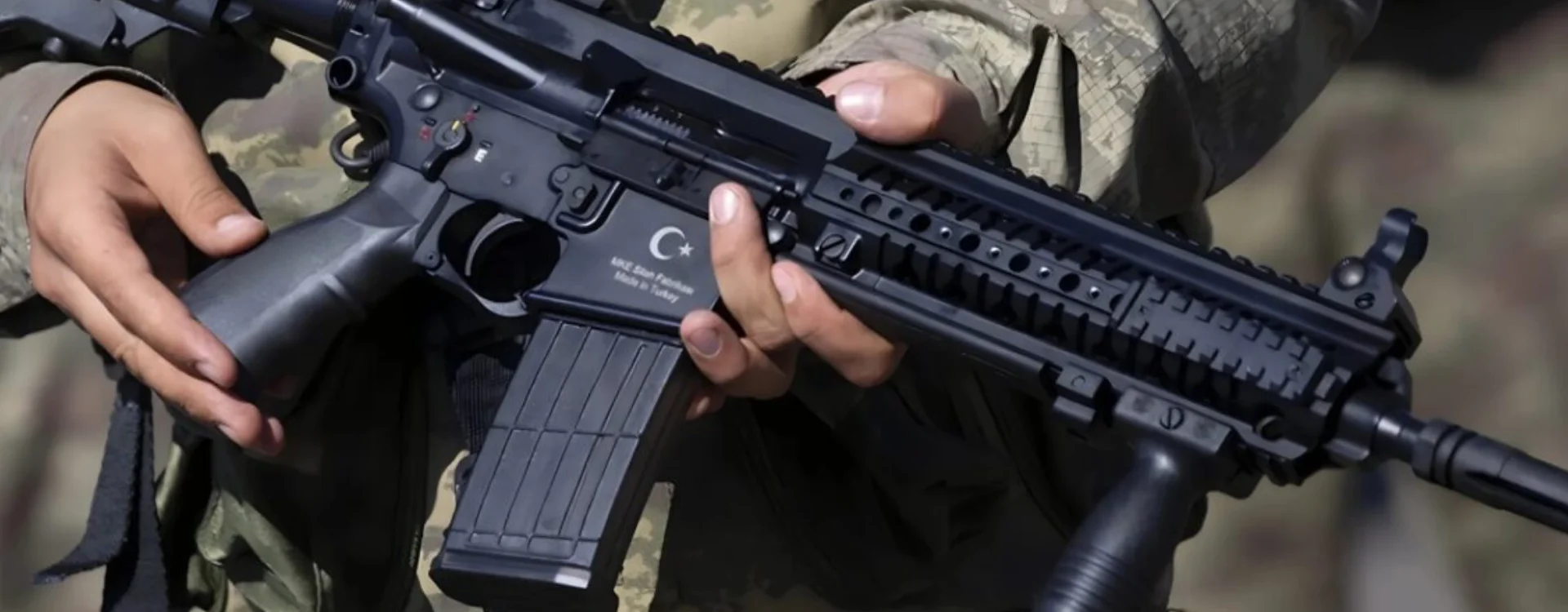
Military modernization is the comprehensive process through which a nation upgrades its armed forces to meet evolving security challenges, technological advancements and changing operational requirements. This process extends far beyond the acquisition of new weapons or military equipment. It includes upgrading existing platforms, improving command-and-control systems, enhancing personnel training, strengthening the defense industry and adopting new operational doctrines. The primary objective of military modernization is to increase operational effectiveness, strengthen deterrence and ensure long-term sustainability in an increasingly complex security environment.
The nature of warfare has changed dramatically over the past decades. Artificial intelligence, unmanned systems, electronic warfare, cyber operations and space-based communication technologies are transforming the way modern militaries operate. As a result, weapon systems that were highly effective years ago may no longer provide the same level of capability against emerging threats. Military modernization enables armed forces to remain prepared not only for today's challenges but also for the rapidly evolving security landscape of the future.
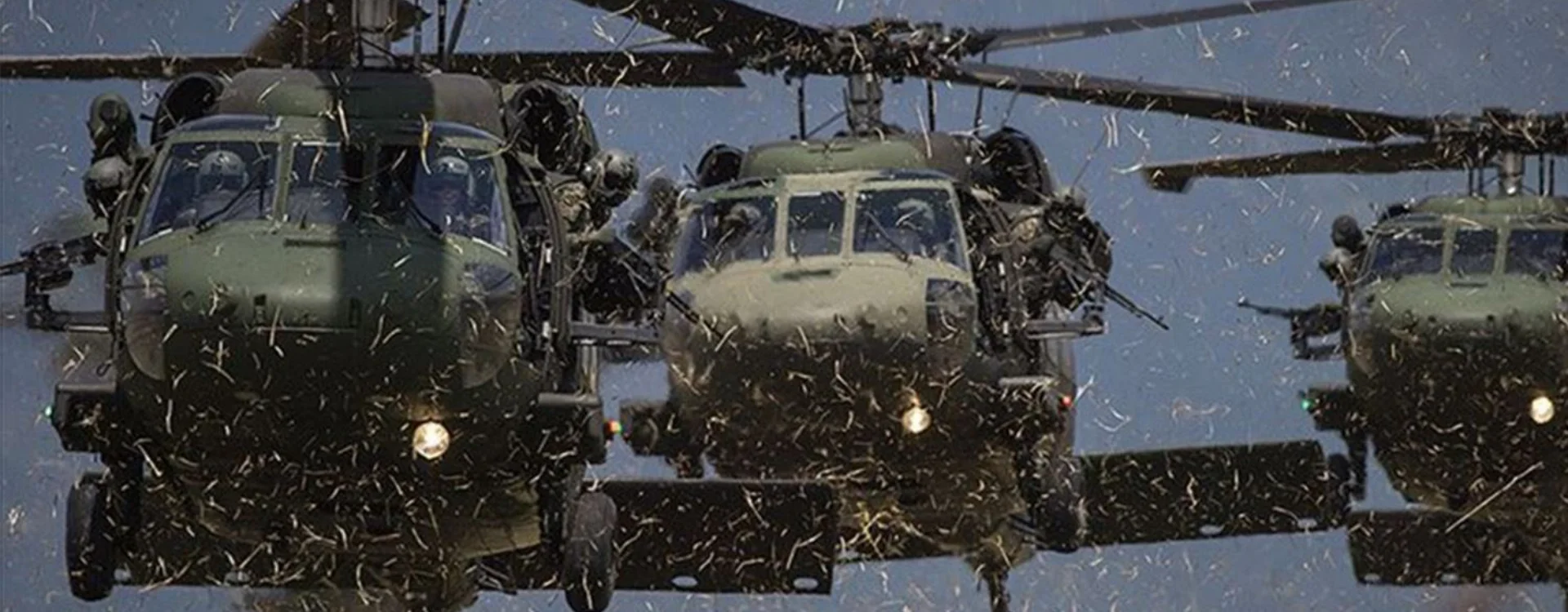
One of the most significant aspects of military modernization is the upgrade of existing military platforms. Instead of replacing every aircraft, tank, warship or air defense system with entirely new equipment, many countries improve current platforms by integrating advanced radars, electronic systems, mission computers, secure communication networks and modern sensors. This approach can significantly extend operational service life while reducing procurement costs.
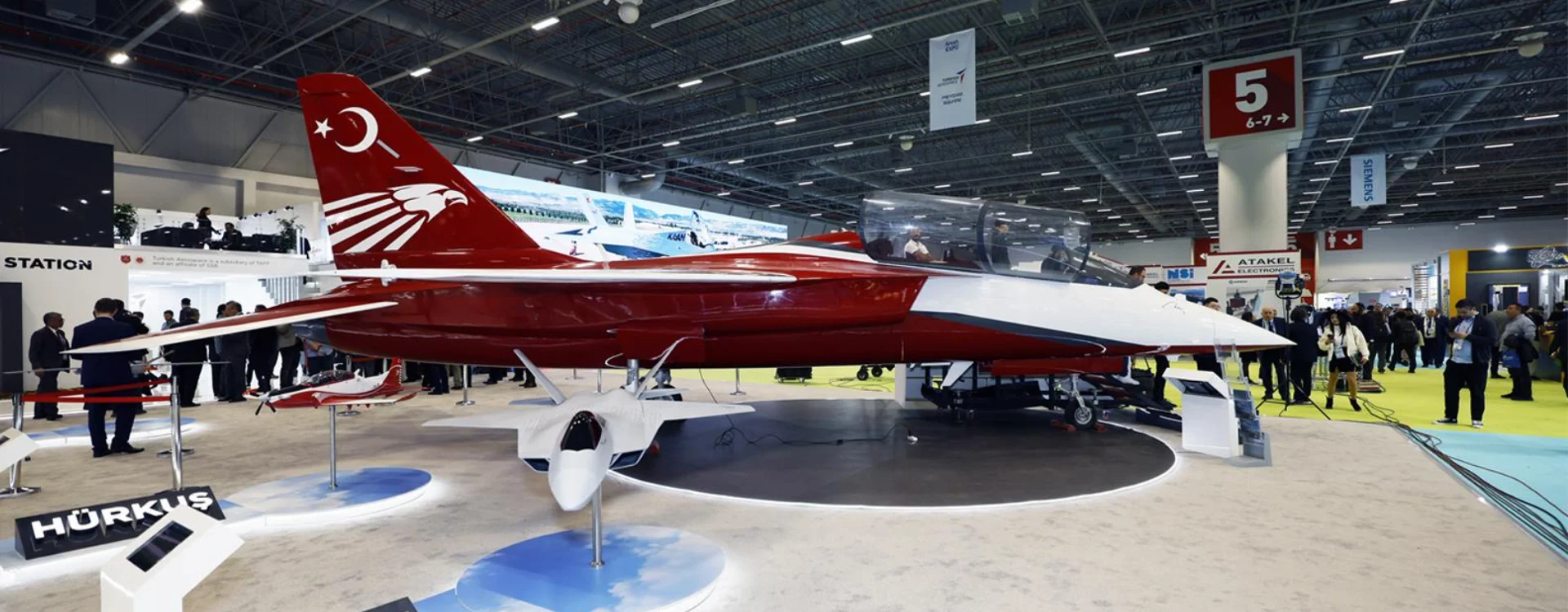
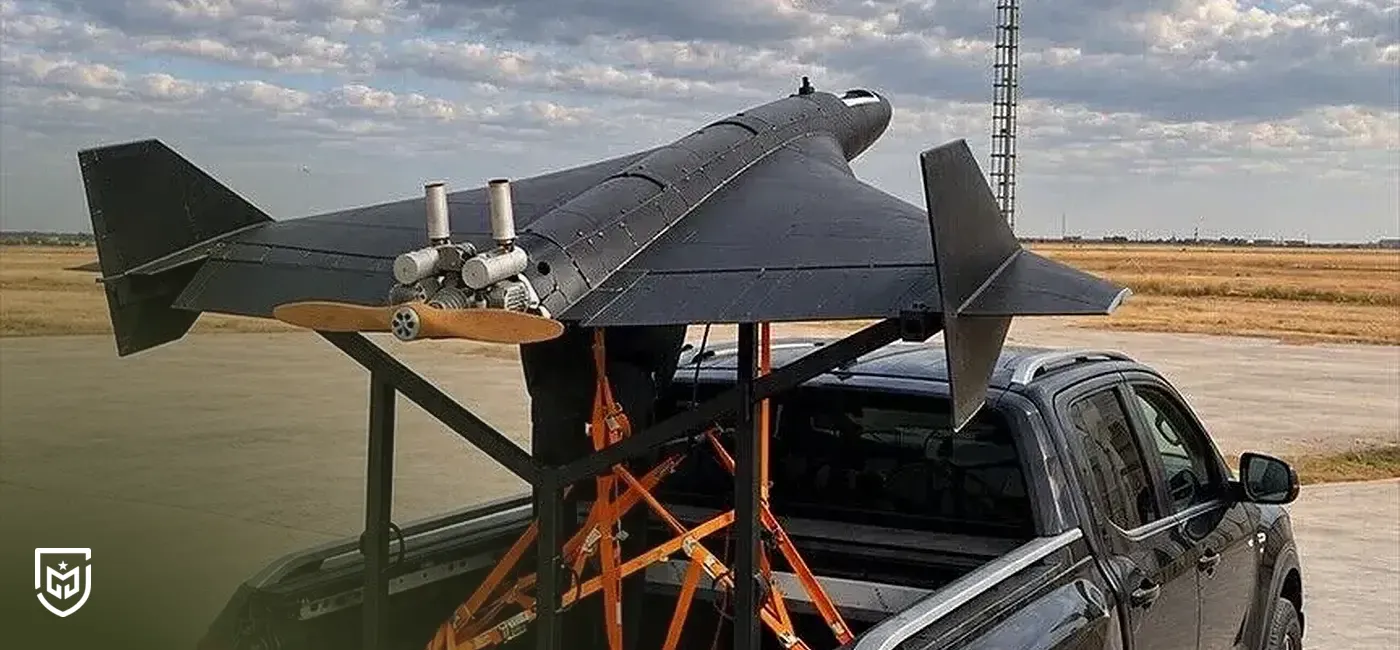
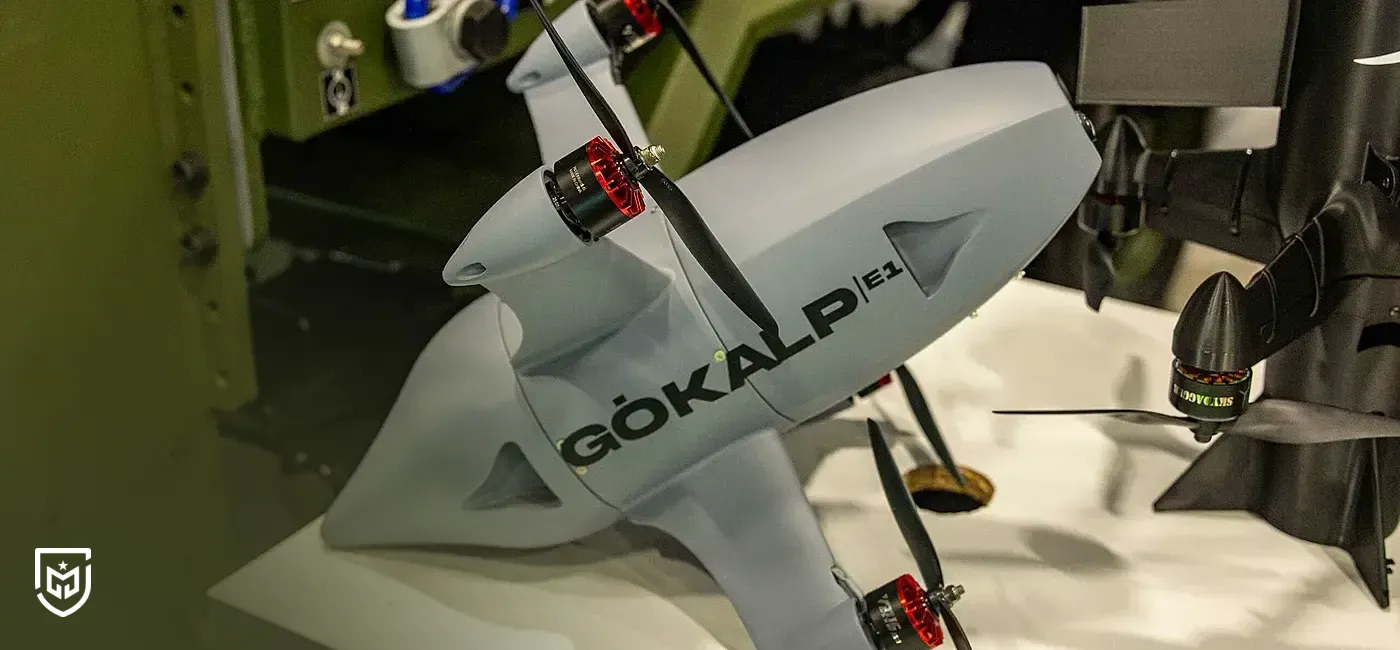
Another major component involves the introduction of next-generation defense technologies. Fifth- and sixth-generation fighter aircraft, unmanned aerial vehicles, autonomous ground systems, advanced missile defense solutions, precision-guided weapons and artificial intelligence-supported decision-making systems are among the highest priorities of modern military modernization programs. These technologies enhance operational flexibility while increasing battlefield awareness and response speed.
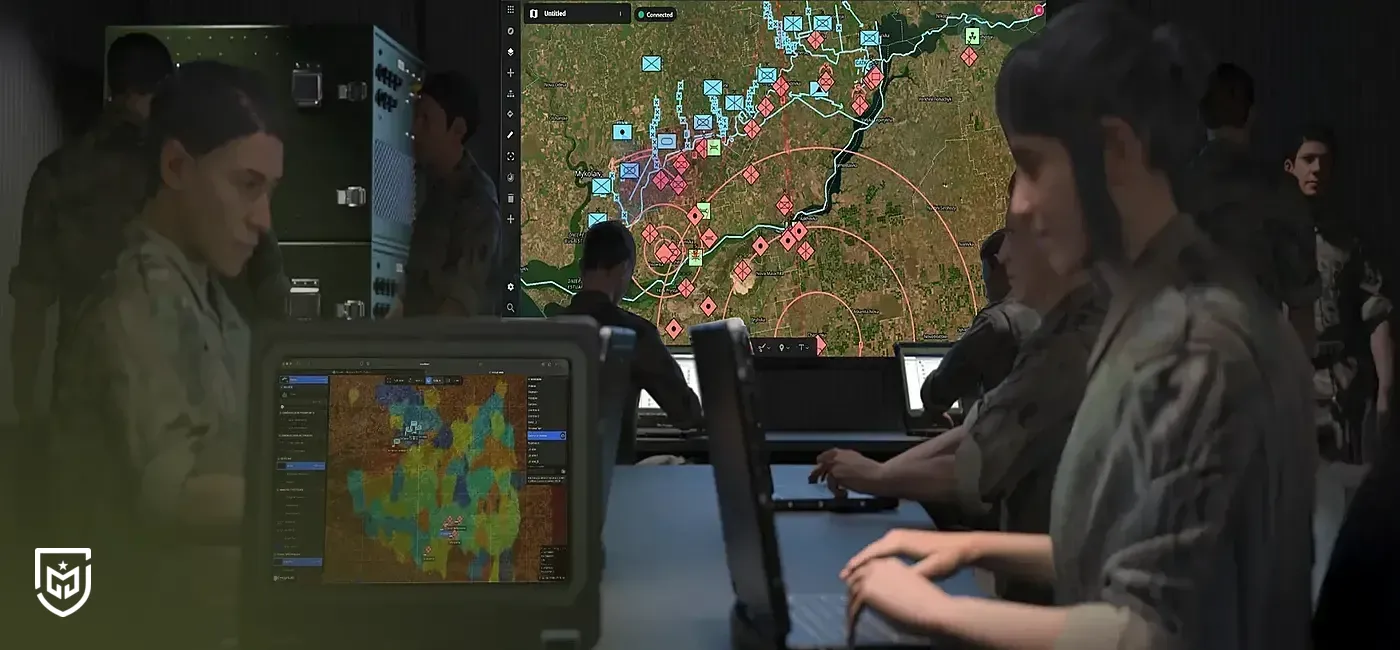
Modern armed forces rely heavily on Command, Control, Communications, Computers, Intelligence, Surveillance and Reconnaissance (C4ISR) capabilities. Developing integrated digital command networks enables military units to exchange information in real time, identify threats more quickly and coordinate operations across multiple domains. Network-centric warfare has therefore become one of the defining characteristics of contemporary military modernization.
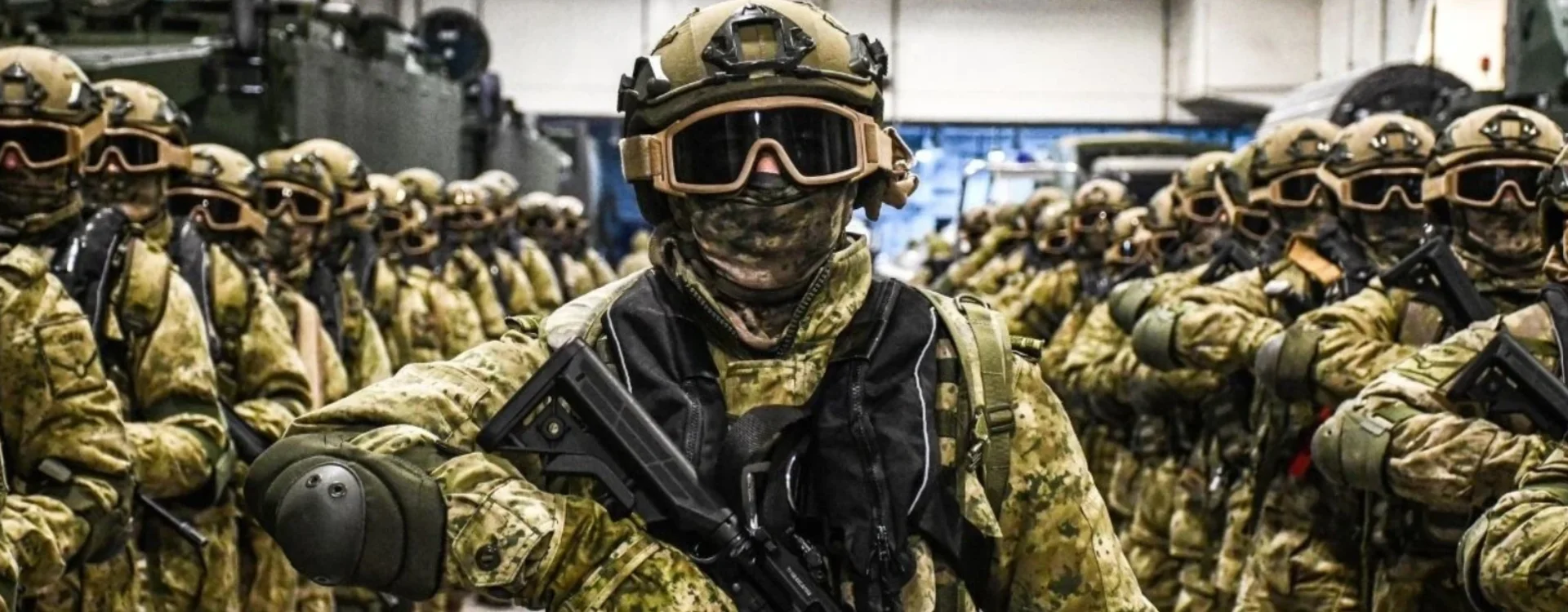
Military modernization is not limited to technological improvements alone. Personnel education, professional development and specialized training are equally essential. Pilots, engineers, technicians, cybersecurity specialists, intelligence analysts and maintenance personnel must continually update their skills to operate increasingly sophisticated military systems. Modern training programs, realistic simulation technologies and continuous professional education are critical to maximizing the effectiveness of advanced military capabilities.
The development of a strong domestic defense industry is another key objective of modernization strategies. Expanding indigenous production capabilities, investing in research and development and producing critical technologies domestically can reduce dependence on foreign suppliers while strengthening national security. Many governments therefore design modernization programs that encourage innovation, industrial growth and technological self-reliance alongside military capability development.
In recent years, cybersecurity and electronic warfare have become central elements of military modernization. Protecting military communication networks, defending critical infrastructure against cyberattacks, ensuring secure data transmission and improving resilience against electronic interference are now considered as important as acquiring traditional military hardware. Digital superiority has become a decisive factor in modern military operations.
Modern armed forces are also investing heavily in space-based defense capabilities. Reconnaissance satellites, secure satellite communications, positioning systems and missile early warning satellites provide critical intelligence and enhance situational awareness across all military domains. Space technologies increasingly support command, navigation, surveillance and strategic decision-making, making them essential components of contemporary modernization efforts.
Modern logistics and sustainment systems are equally important. Advanced military equipment requires sophisticated maintenance facilities, efficient supply chains, digital inventory management, spare parts availability and rapid transportation networks. Without reliable logistical support, even the most advanced military platforms cannot maintain long-term operational readiness.
Military modernization also requires the adaptation of organizational structures and operational doctrine. As new technologies emerge, armed forces often reorganize command structures, redefine unit responsibilities and develop new concepts for joint operations. Multi-Domain Operations, which integrate land, air, sea, cyber and space capabilities into a unified operational framework, have become a central focus of military transformation around the world.
Modernization programs are typically long-term and resource-intensive investments. Designing, testing, manufacturing and integrating new military systems can require many years of sustained financial commitment. Governments must therefore balance modernization goals with economic sustainability, industrial capacity and workforce development to ensure successful implementation.
It is also important to recognize that military modernization involves much more than purchasing new equipment. Effective modernization requires a comprehensive strategy that combines technology, training, organizational reform, logistics, maintenance, software development, cybersecurity and industrial capability into a single integrated transformation process. Success depends on how well these elements function together rather than on any individual acquisition program.
Another increasingly important aspect of modernization is the integration of artificial intelligence, autonomous technologies and advanced data analytics into military operations. AI-supported decision-making, predictive maintenance, autonomous reconnaissance systems and intelligent battlefield management platforms improve operational efficiency while accelerating command processes. These innovations are expected to play an even greater role in future military capabilities.
Modernization also strengthens international interoperability. Countries participating in multinational operations increasingly invest in standardized communication systems, compatible equipment and shared operational procedures. This enables allied forces to cooperate more effectively during joint exercises, peacekeeping missions and collective defense operations.
From an economic perspective, military modernization can stimulate technological innovation, industrial development and high-skilled employment. Investments in defense research often contribute to advances in aerospace, cybersecurity, communications, robotics, artificial intelligence and advanced manufacturing. Many technologies originally developed for military purposes later find applications across civilian industries, supporting broader economic growth and scientific progress.
However, modernization programs also require careful planning and financial discipline. Large-scale procurement projects involve significant long-term costs related not only to acquisition but also to maintenance, infrastructure, software upgrades, personnel training and lifecycle support. Effective modernization therefore depends on transparent procurement processes, realistic budgeting and sustainable defense planning.
In conclusion, military modernization is a comprehensive transformation process that enables armed forces to adapt to evolving security environments and technological change. Upgrading existing platforms, introducing advanced technologies, strengthening the defense industry, improving personnel training, enhancing cybersecurity and developing integrated command systems all contribute to creating a more capable and resilient military. As global threats continue to evolve, military modernization remains one of the most important strategic priorities for nations seeking to maintain effective, sustainable and technologically advanced defense capabilities.


The cookies used on our website are used to provide you with a better user experience and to improve our website. You can manage your cookie preferences from the options below.




 Süheyla Yıldız