BREAKING NEWS

Security strategies are comprehensive long-term plans and policies developed by governments to protect national interests, safeguard citizens and prepare for military, political, economic, technological and societal threats. These strategies extend well beyond military operations and incorporate defense policy, foreign affairs, intelligence, cybersecurity, critical infrastructure protection, energy security, economic resilience and crisis management. In today's rapidly evolving security environment, security strategies are continuously updated to address emerging risks, technological advancements and geopolitical changes.
Modern security has become significantly broader than the traditional concept of territorial defense. In addition to conventional military threats, governments must respond to cyberattacks, hybrid warfare, terrorism, disinformation campaigns, organized crime, space-related security challenges, climate-related disasters and attacks on critical infrastructure. Consequently, contemporary security strategies integrate military preparedness with technological innovation, economic stability, diplomatic engagement and national resilience to create a comprehensive framework for protecting national security.
The primary objective of a security strategy is to preserve national security while ensuring political stability, economic prosperity and public safety. Governments establish long-term strategic goals designed to protect territorial integrity, maintain constitutional order and secure national interests. These objectives guide defense planning, resource allocation and the development of institutions responsible for national security.
The first stage in developing a security strategy is threat assessment. Governments continuously monitor regional conflicts, geopolitical developments, military modernization, terrorist organizations, cyber threats, transnational crime and other emerging security risks. Intelligence gathered from multiple sources enables policymakers to anticipate future challenges and prepare appropriate responses before threats escalate.
Another critical component is risk assessment. Security planners evaluate both the likelihood and potential consequences of identified threats. High-impact risks, even if relatively unlikely, often receive considerable attention due to their potential to affect national stability. Prioritizing risks allows governments to allocate limited resources more efficiently while strengthening preparedness across multiple sectors.
Defense strategy remains a central pillar of national security. Developing capable land, naval and air forces, modernizing military equipment, strengthening air defense systems, improving electronic warfare capabilities and enhancing cyber defense all contribute to national deterrence and operational readiness. Defense modernization also ensures that military forces remain capable of responding to evolving security challenges.
In today's digital environment, cybersecurity strategies have become essential. Government institutions, financial systems, energy networks, communication infrastructure and military command-and-control systems are increasingly targeted by sophisticated cyber threats. Modern security strategies therefore prioritize secure digital infrastructure, advanced encryption, cyber incident response teams, continuous vulnerability assessments and comprehensive cybersecurity training.
Intelligence activities are fundamental to successful security strategies. Accurate, timely and reliable intelligence enables governments to identify threats before they materialize and supports informed strategic decision-making. Intelligence organizations collect and analyze military, political, economic, technological and diplomatic information to provide policymakers with a comprehensive understanding of the evolving security environment.
Protecting critical infrastructure is another key priority. Energy facilities, transportation networks, communication systems, healthcare services, water resources, financial institutions and data centers are essential for national stability. Security strategies therefore include measures to strengthen both physical and cyber protection for these vital assets while ensuring continuity during emergencies.
Economic security has become an increasingly important dimension of national security strategy. Strong economic performance supports defense investment, technological innovation and national resilience. Governments therefore seek to secure supply chains, protect strategic industries, encourage domestic production of critical technologies and maintain financial stability during periods of geopolitical uncertainty.
Energy security is equally significant. Diversifying energy sources, protecting energy infrastructure, improving energy resilience and investing in alternative technologies help reduce dependence on external suppliers while enhancing national stability. Reliable access to energy is essential for both civilian society and military operations.
Modern security strategies emphasize international cooperation alongside national preparedness. Joint military exercises, intelligence sharing, multinational security initiatives and diplomatic partnerships strengthen collective responses to transnational threats such as terrorism, cybercrime and regional instability. At the same time, every nation develops an independent security strategy tailored to its own geopolitical circumstances and national interests.
Crisis management and emergency preparedness are essential elements of effective security strategies. Governments develop contingency plans for military conflicts, natural disasters, pandemics, cyberattacks, energy disruptions and other major emergencies. Regular simulations, exercises and scenario-based planning improve institutional readiness and enhance the ability to respond rapidly during crises.
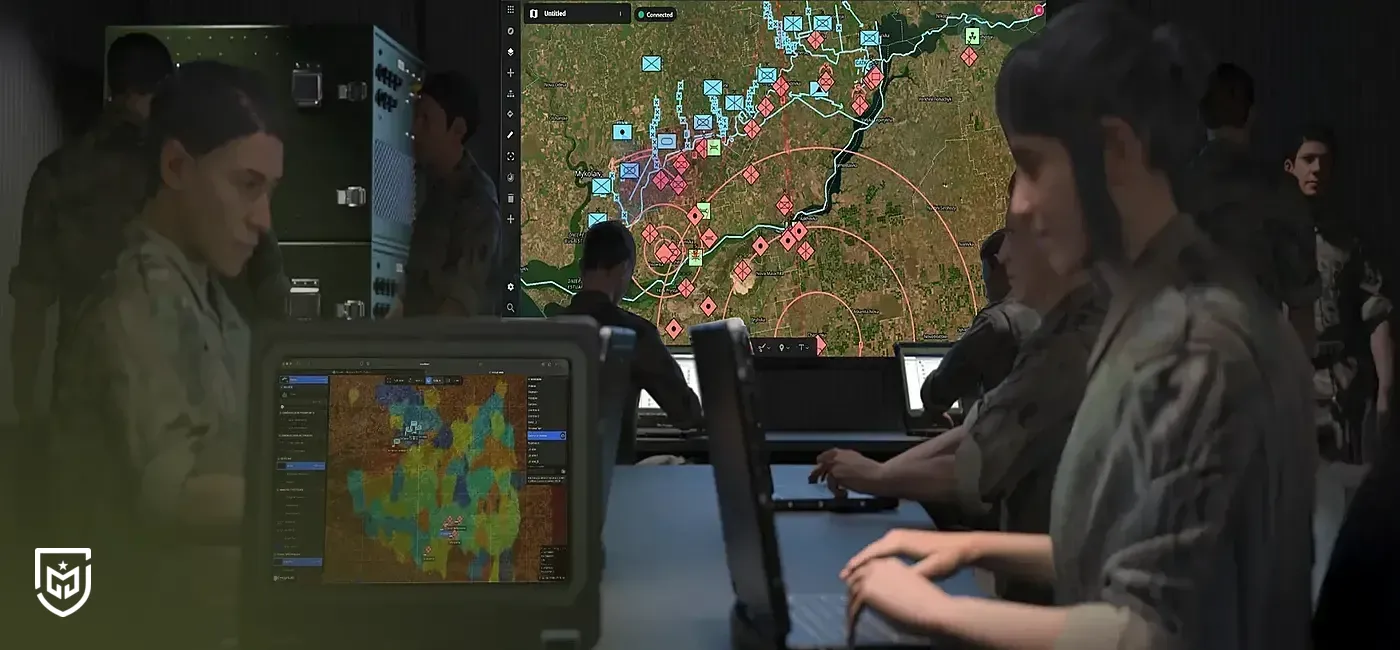
Emerging technologies are reshaping the future of security strategy. Artificial intelligence, big data analytics, autonomous systems, quantum technologies, satellite surveillance, advanced sensors and predictive decision-support systems are transforming how governments detect threats, allocate resources and coordinate national security operations. These innovations significantly improve situational awareness and accelerate strategic decision-making.
Modern security strategies also focus on national resilience. Beyond preventing threats, governments seek to ensure that institutions, infrastructure and society can continue functioning during and after major disruptions. Strengthening public services, protecting critical supply chains, improving emergency response capabilities and enhancing institutional coordination all contribute to greater national resilience.
The effectiveness of a security strategy depends on more than military strength alone. Strong governance, the rule of law, institutional coordination, technological innovation, economic stability, public trust and highly skilled professionals all play crucial roles in maintaining long-term national security. A balanced strategy integrates these elements into a unified framework capable of addressing both traditional and emerging threats.
In conclusion, security strategies are comprehensive national frameworks that integrate military, political, economic, technological and societal measures to protect national interests and maintain long-term stability. Through threat assessment, risk management, defense planning, cybersecurity, intelligence, critical infrastructure protection, crisis management and international cooperation, governments enhance their ability to respond to an increasingly complex global security environment. As new challenges continue to emerge, adaptive, resilient and forward-looking security strategies will remain fundamental to safeguarding national security and ensuring sustainable development.


The cookies used on our website are used to provide you with a better user experience and to improve our website. You can manage your cookie preferences from the options below.







 Süheyla Yıldız