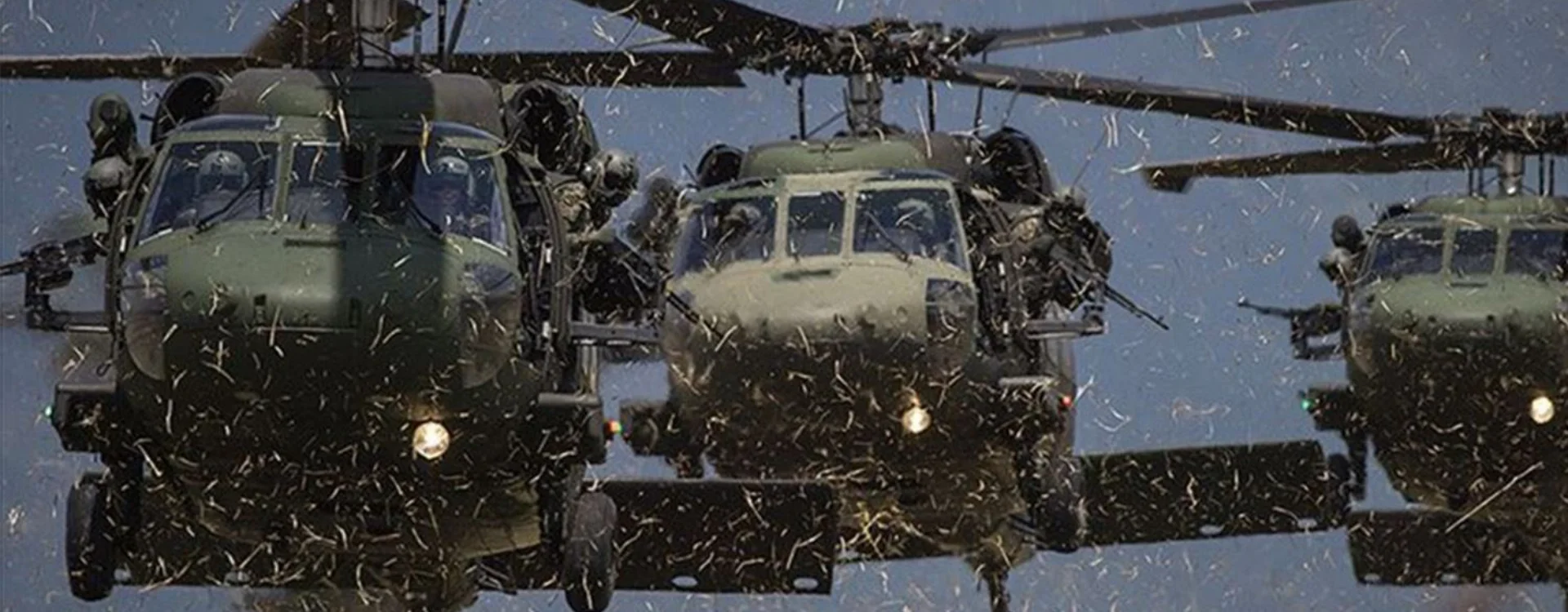
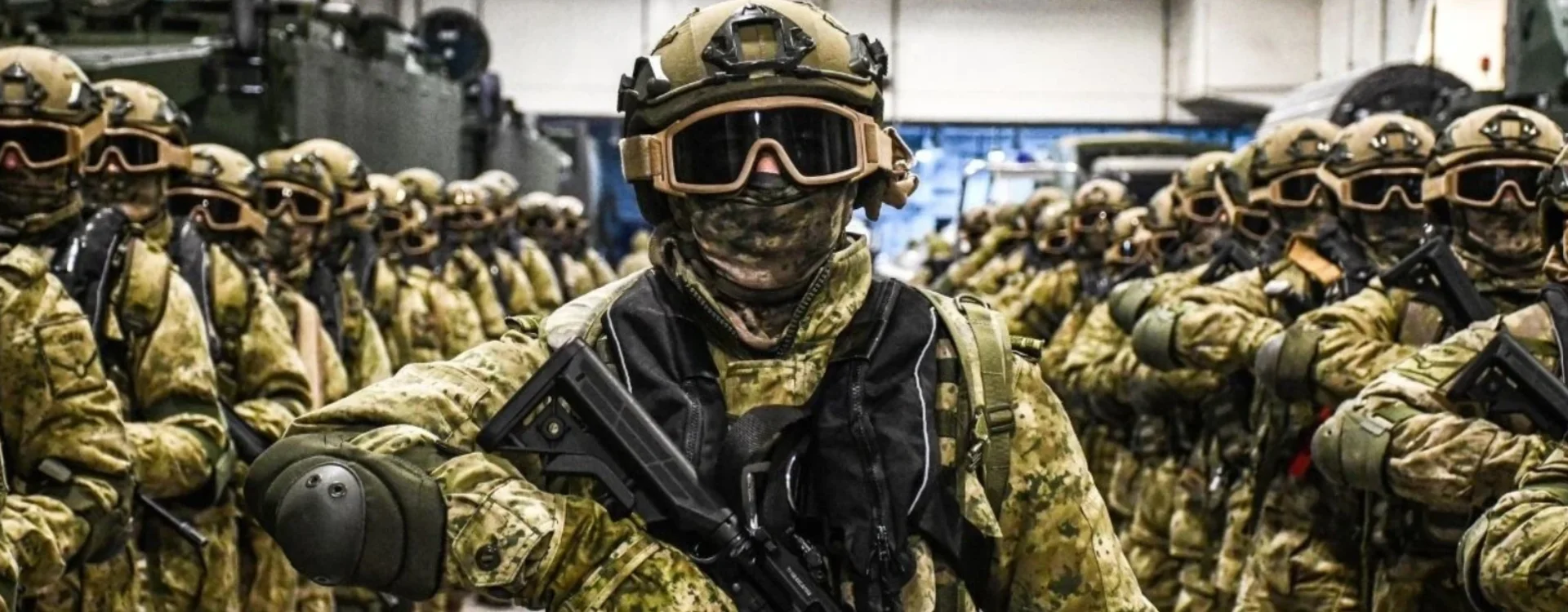
BREAKING NEWS
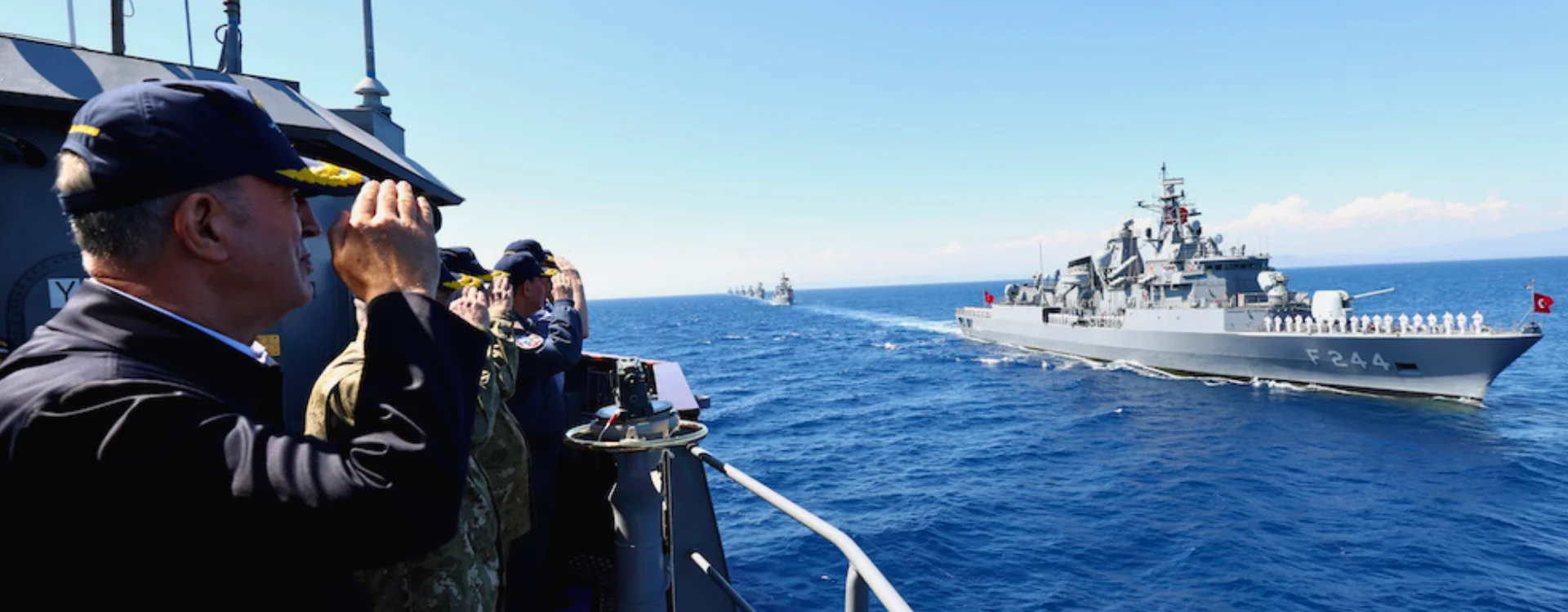
Defense policy is the comprehensive framework through which a nation establishes long-term objectives, strategies and priorities to protect its sovereignty, maintain national security and respond effectively to potential threats. It extends far beyond the use of military force, encompassing defense planning, foreign policy, defense industry development, technological innovation, deterrence, international cooperation and crisis management. In modern states, defense policy is a dynamic process that is continuously reviewed and adapted to address changing geopolitical conditions, emerging technologies and evolving security challenges.
Today's security environment is far more complex than in previous decades. Traditional military threats are now accompanied by cyberattacks, terrorism, hybrid warfare, disinformation campaigns, space-related security challenges, attacks on critical infrastructure and energy security concerns. As a result, modern defense policies adopt a comprehensive approach that combines military preparedness with economic resilience, technological advancement and diplomatic engagement to safeguard national interests.
The primary objective of any defense policy is to ensure national security. Governments develop long-term security strategies to protect their citizens, preserve territorial integrity and defend national interests both at home and abroad. These strategic objectives shape military force structures, defense investments and capability development programs designed to maintain operational readiness under a wide range of scenarios.
One of the most important components of defense policy is threat assessment. Governments continuously evaluate regional conflicts, geopolitical developments, military modernization efforts of potential adversaries and global security trends. Emerging risks—including cyber threats, terrorism, irregular migration, energy security challenges and attacks on critical infrastructure—are increasingly incorporated into national defense planning.
Another key element is the development of a national defense strategy. This strategy determines how military capabilities will be organized, equipped and employed to address identified threats. It establishes priorities for land, naval and air forces while also integrating modern capabilities such as cyber defense, space operations, electronic warfare and intelligence systems into national security planning.
Deterrence remains one of the fundamental principles of modern defense policy. Maintaining credible military capabilities reduces the likelihood of potential aggression by demonstrating the ability to respond effectively to security threats. Consequently, governments invest not only in current operational readiness but also in future capabilities that enhance long-term strategic stability.
Effective defense policy relies heavily on defense planning. Long-term planning determines force structure, personnel requirements, modernization priorities, logistics systems, ammunition stockpiles, maintenance infrastructure and military education programs. Careful planning ensures that armed forces remain prepared to respond rapidly to changing operational environments.
The defense industry plays a strategic role in implementing national defense policy. Strengthening domestic manufacturing capabilities, investing in research and development, producing critical technologies locally and securing resilient supply chains reduce dependence on foreign suppliers while improving national security. A competitive defense industry also contributes to technological innovation and economic development.
Technological superiority has become one of the defining objectives of modern defense policies. Artificial intelligence, unmanned systems, autonomous platforms, electronic warfare technologies, hypersonic weapons, advanced radar systems, satellite communications and space-based surveillance are transforming military capabilities worldwide. Nations increasingly prioritize investment in these technologies to maintain operational effectiveness and strategic advantage.
The success of defense policy also depends on human capital. Modern armed forces require highly trained military personnel, engineers, software developers, cybersecurity specialists, intelligence analysts and logistics professionals. Continuous education, advanced training programs and professional development initiatives ensure that personnel can effectively operate increasingly sophisticated defense systems.
International cooperation represents another essential component of defense policy. Joint military exercises, intelligence sharing, multinational defense projects and diplomatic security partnerships improve interoperability among allied nations. At the same time, every country maintains an independent defense policy designed to reflect its unique strategic interests, geopolitical environment and national priorities.
An effective defense policy also incorporates crisis management and contingency planning. Governments prepare alternative strategies for military crises, cyberattacks, natural disasters, energy disruptions, humanitarian emergencies and regional instability. Comprehensive contingency planning enables decision-makers to respond rapidly while minimizing operational and strategic risks.
Defense budgeting provides the financial foundation for implementing defense policy. Long-term investments support personnel, military modernization, procurement programs, research and development, infrastructure construction, maintenance and operational readiness. Successful defense policy depends not only on adequate funding but also on allocating resources efficiently according to strategic priorities.
Modern defense policies increasingly emphasize cybersecurity and information resilience. Military communication networks, command-and-control systems, satellite infrastructure and critical national assets must be protected against sophisticated cyber threats. Governments therefore invest heavily in secure digital infrastructure, cyber defense organizations and advanced information security capabilities.
Another growing priority is the development of Multi-Domain Operations. Modern military forces integrate land, sea, air, cyber and space capabilities into a unified operational framework, enabling commanders to coordinate activities across multiple domains simultaneously. This integrated approach significantly improves operational flexibility, situational awareness and decision-making speed.
Looking ahead, defense policies are expected to evolve alongside advances in artificial intelligence, quantum computing, autonomous systems, space security, advanced cyber defense and data-driven decision-support technologies. These innovations will reshape military planning, operational concepts and strategic competition while requiring governments to adapt continuously to emerging threats.
Ultimately, defense policy is a comprehensive strategic framework that combines military, political, economic and technological resources to protect national security and support long-term stability. Through effective threat assessment, deterrence, defense planning, defense industry development, technological innovation, international cooperation and crisis management, governments strengthen their ability to respond to an increasingly unpredictable global security environment. As new challenges continue to emerge, adaptive and sustainable defense policies will remain essential for maintaining national resilience and strategic preparedness.


The cookies used on our website are used to provide you with a better user experience and to improve our website. You can manage your cookie preferences from the options below.






 Süheyla Yıldız