BREAKING NEWS
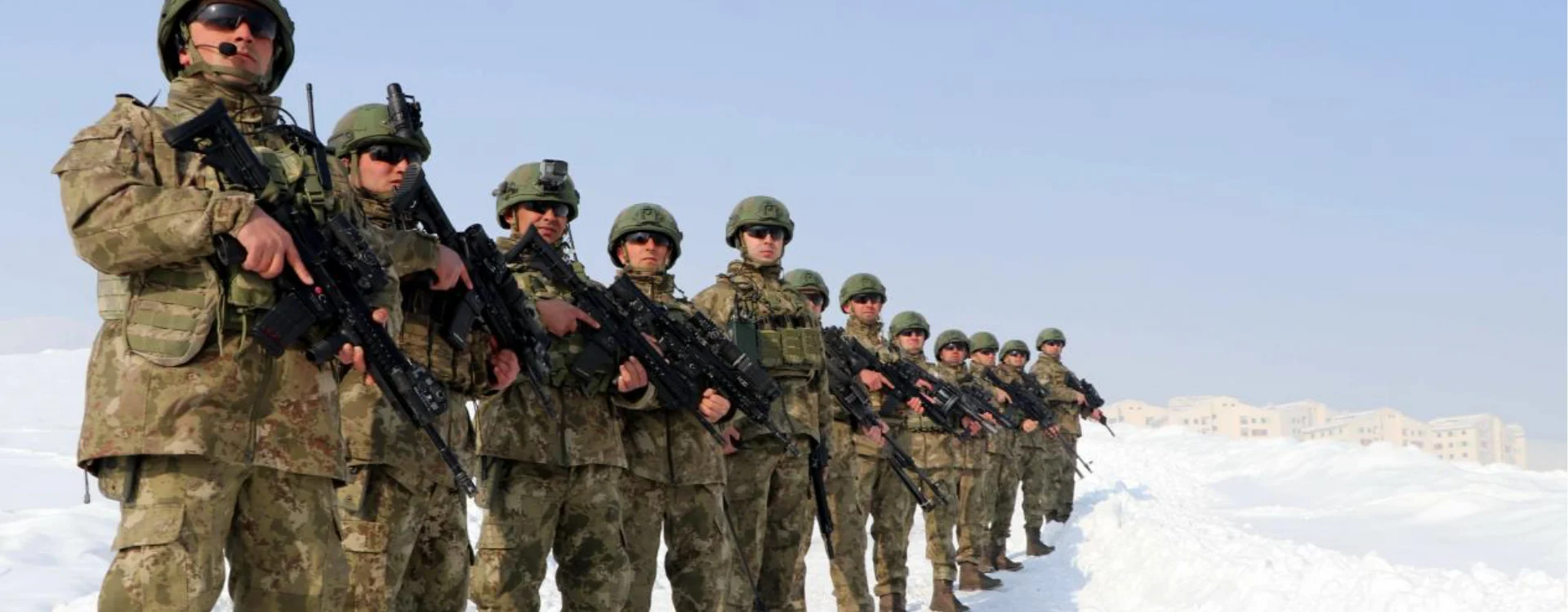
Military risk management is the systematic process through which armed forces identify, assess, prioritize and mitigate risks that could affect military operations, national security and defense objectives. Its primary purpose is to reduce uncertainty, improve decision-making and enhance mission success by anticipating potential threats before they occur. Modern military risk management extends far beyond combat operations, encompassing operational planning, cybersecurity, logistics, defense procurement, personnel management, intelligence, infrastructure protection and strategic planning. By continuously evaluating risks and implementing appropriate mitigation measures, military organizations improve both readiness and long-term resilience.
The modern security environment has become increasingly complex. In addition to conventional military threats, nations must also prepare for cyberattacks, electronic warfare, hybrid warfare, terrorism, disinformation campaigns, supply chain disruptions, critical infrastructure attacks and emerging technological challenges. Consequently, military risk management has evolved into a continuous process that addresses both current threats and future uncertainties.
The first stage of military risk management is risk identification. Defense organizations analyze intelligence reports, operational environments, geopolitical developments, technological trends, logistical systems and potential adversary capabilities to identify factors that could negatively affect military operations. This process also considers non-military risks such as natural disasters, pandemics, energy shortages and infrastructure failures that may influence national defense.
Following identification, risks undergo risk assessment. Each identified risk is evaluated according to its probability of occurrence and its potential operational, strategic or economic impact. High-impact risks, even if unlikely, often receive significant attention because of their potential consequences. This structured assessment enables military leaders to prioritize resources and focus on the most critical challenges.
Threat analysis is one of the most important components of military risk management. Defense planners continuously monitor potential adversaries, military modernization programs, technological developments, force structures, operational doctrines and geopolitical changes. Intelligence gathered from multiple sources helps military leaders anticipate possible future scenarios and adjust defense strategies accordingly.
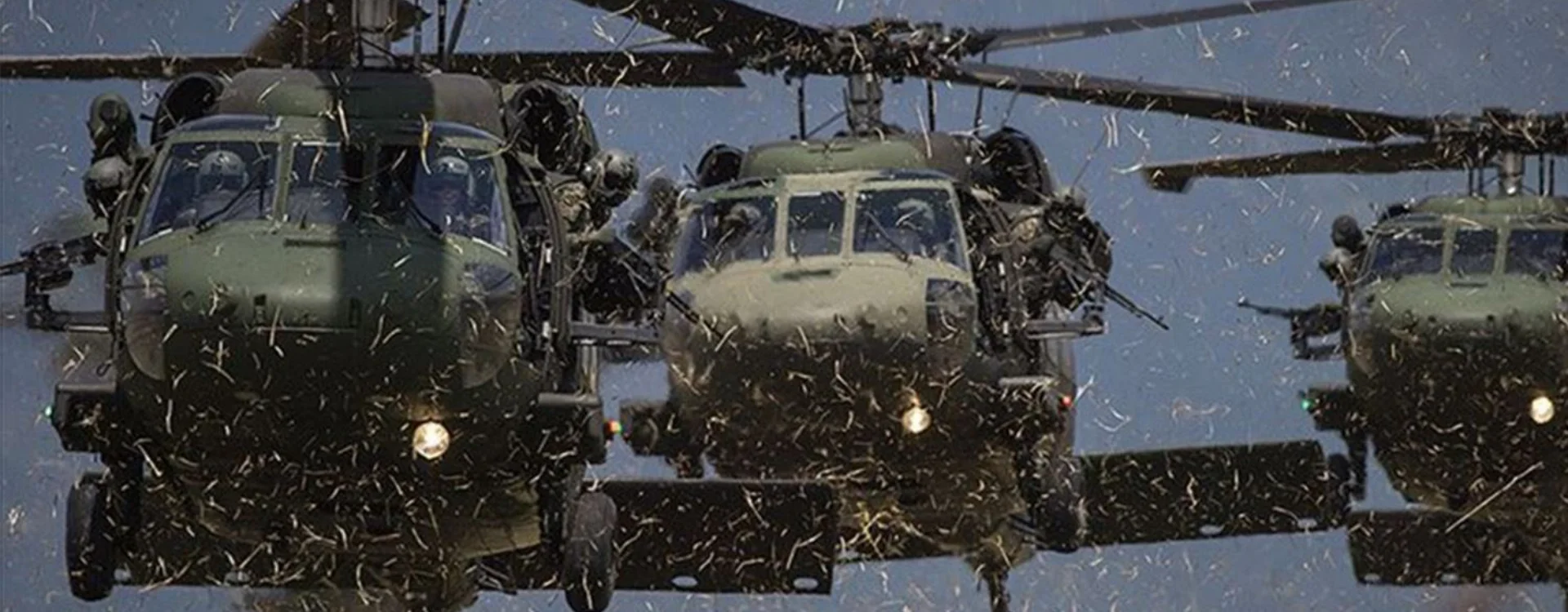
Operational risks are among the most immediate concerns for military commanders. Weather conditions, terrain, communication failures, equipment malfunctions, logistical delays, personnel fatigue and unexpected battlefield developments can all influence mission success. Comprehensive operational planning, contingency plans and alternative courses of action are therefore developed before military operations begin.
Modern armed forces place increasing emphasis on cyber risk management. Military communication networks, command-and-control systems, satellite links and defense databases are potential targets for cyberattacks. To reduce these risks, governments invest in secure network architectures, continuous vulnerability assessments, incident response teams, encryption technologies and cybersecurity training for military personnel.
Logistical risks are equally critical. Military operations depend on the timely delivery of fuel, ammunition, spare parts, food, medical supplies and transportation assets. Disruptions in supply chains or transportation networks can significantly reduce operational effectiveness. Effective military risk management therefore includes strategic stockpiles, diversified suppliers, redundant transportation routes and advanced logistics planning.
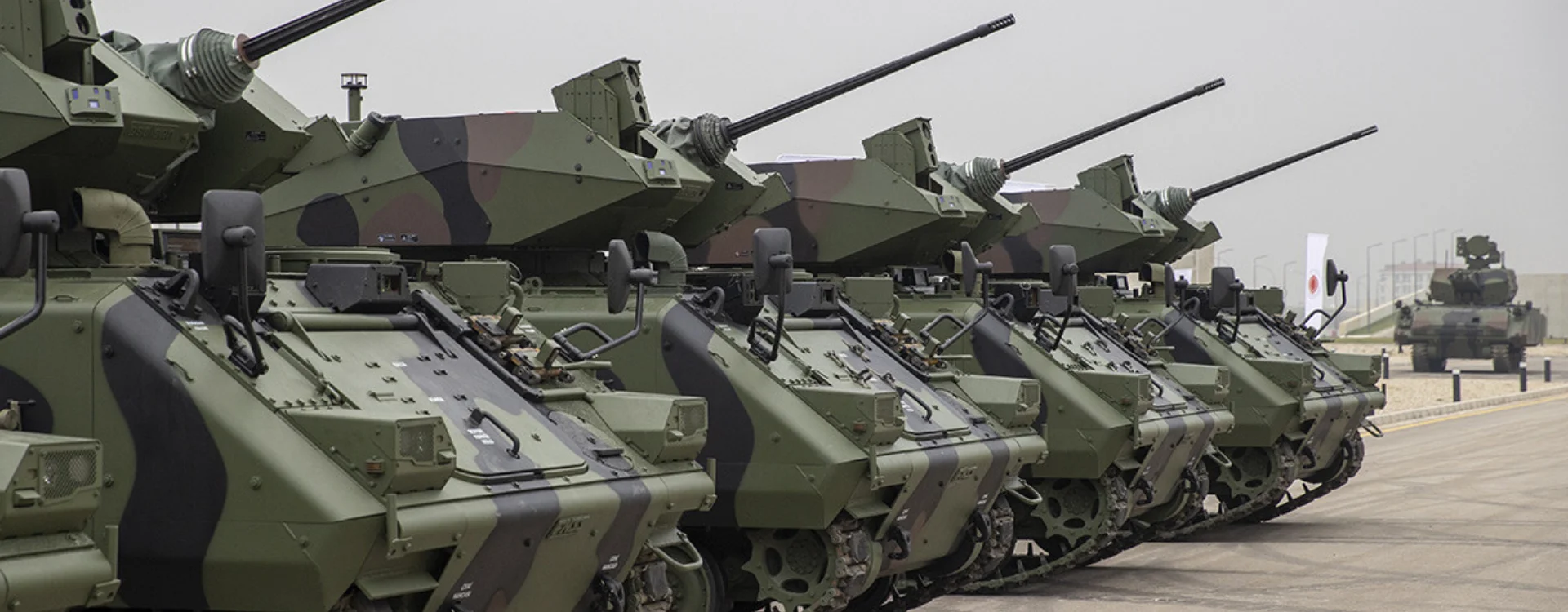
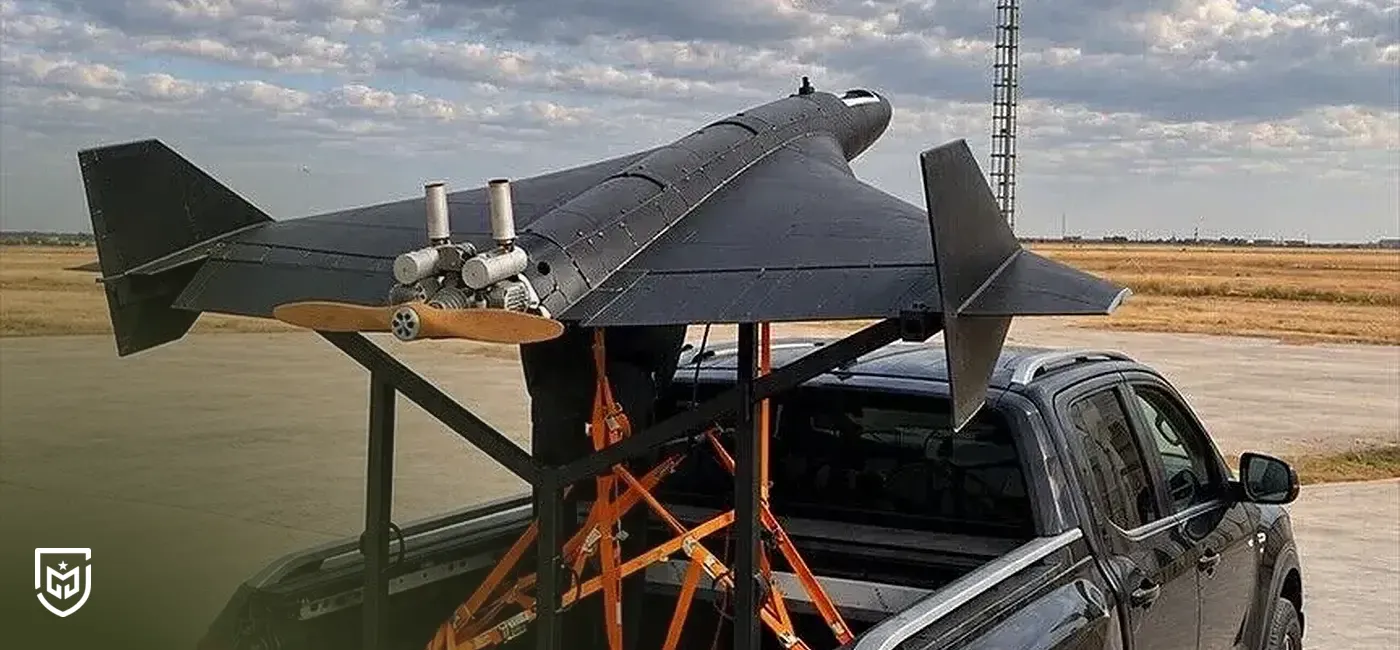
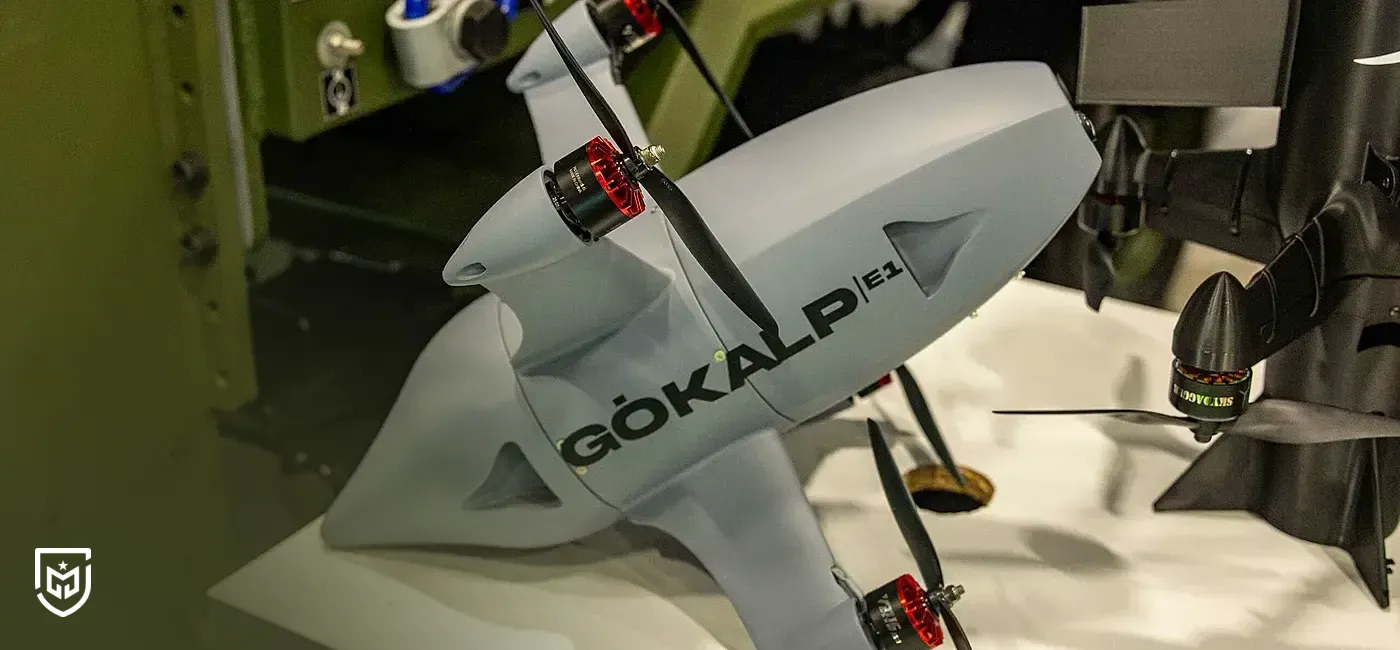
Defense acquisition programs also require comprehensive technology risk management. The development of advanced fighter aircraft, missile systems, radar technologies, naval platforms and communication systems involves technical uncertainties, cost overruns, schedule delays and integration challenges. Regular project reviews, technical evaluations and contingency planning help minimize these risks throughout the lifecycle of defense programs.
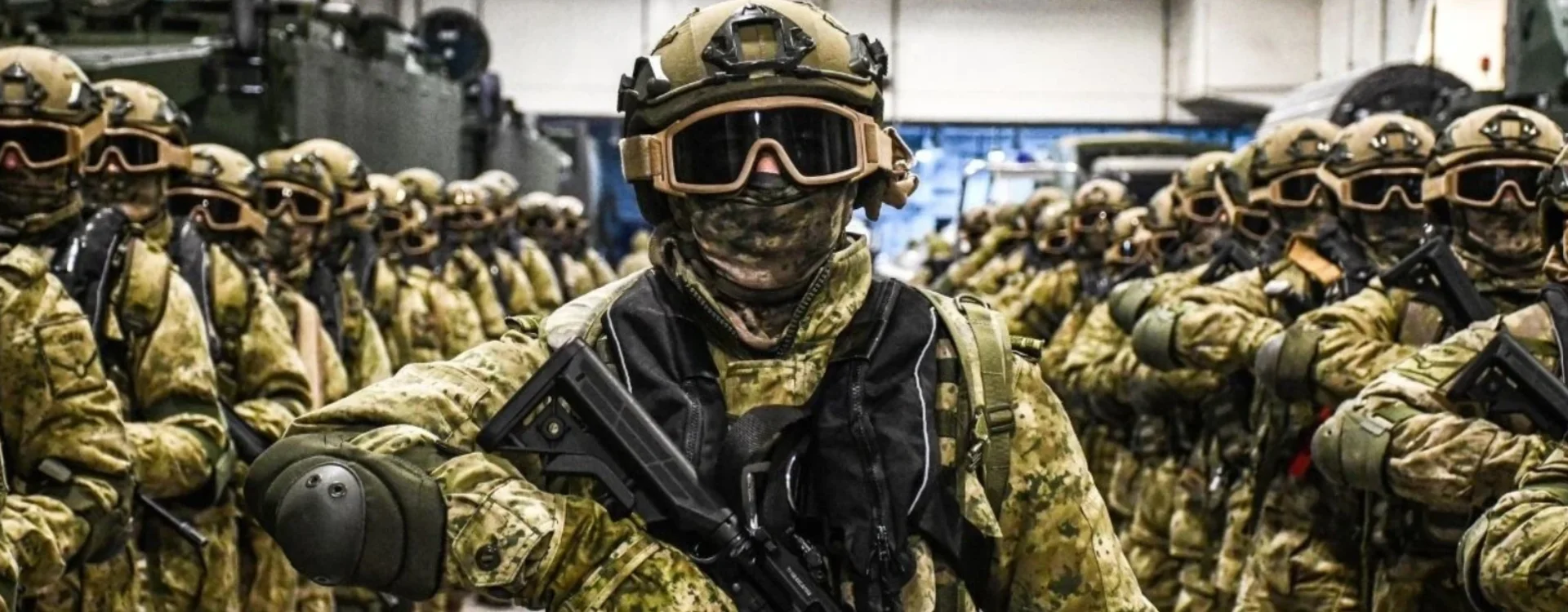
Human resource risks represent another important consideration. Personnel shortages, insufficient training, cybersecurity awareness gaps, health issues and the loss of highly specialized experts can reduce military effectiveness. Continuous education, professional development, succession planning and knowledge management contribute significantly to reducing these vulnerabilities.
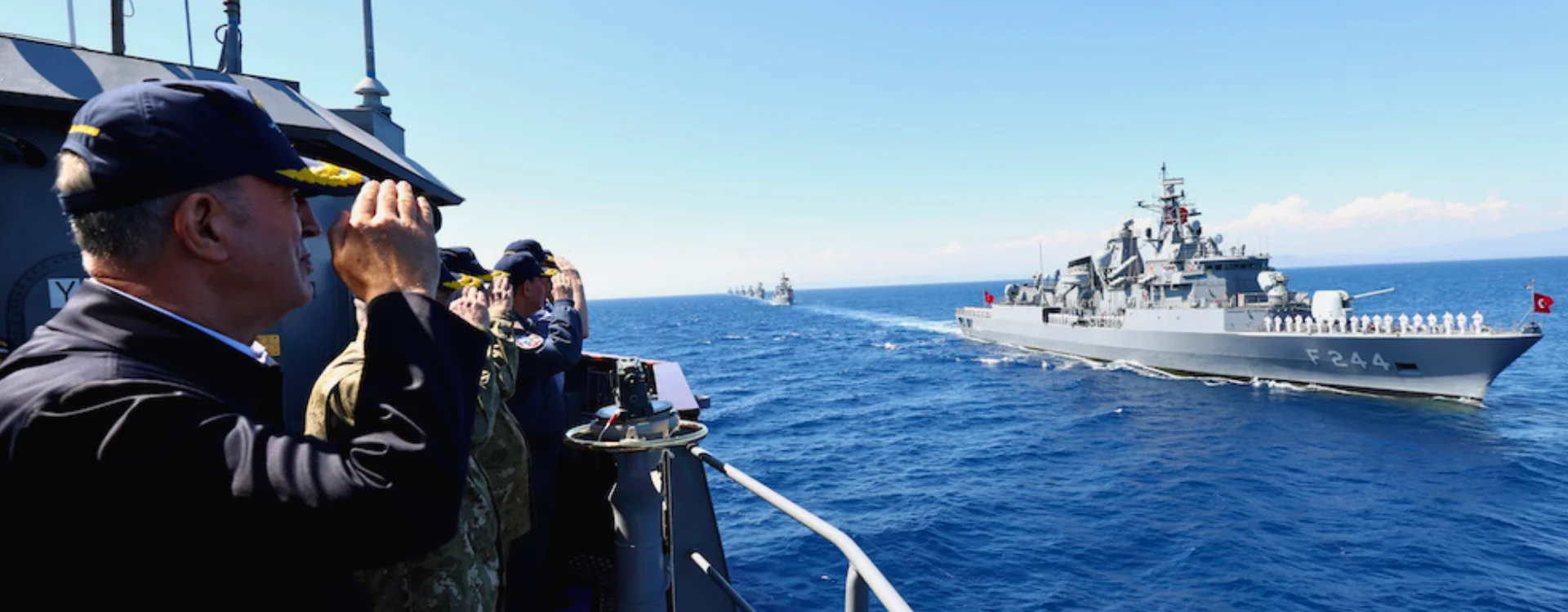
One of the most effective tools for military risk management is scenario planning and military exercises. Armed forces regularly conduct simulations, tabletop exercises, command-post exercises and large-scale field training events to evaluate contingency plans under realistic conditions. These activities improve organizational preparedness, identify weaknesses and strengthen decision-making during crises.
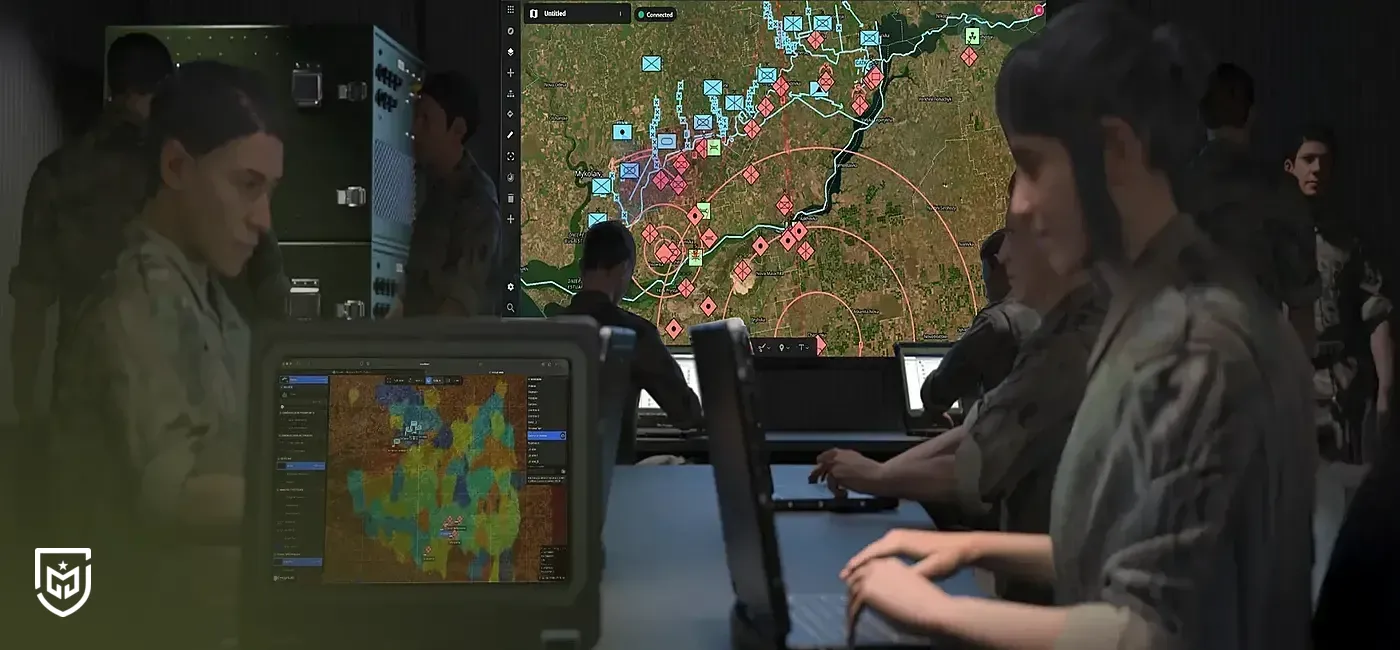
Modern military organizations increasingly rely on decision-support systems, data analytics and artificial intelligenceto enhance risk management. Large-scale data analysis, predictive models and real-time intelligence sharing enable commanders to identify emerging threats more rapidly and make informed operational decisions. Artificial intelligence also supports predictive maintenance, resource allocation and operational planning.
Military risk management does not attempt to eliminate every possible risk. Many operational uncertainties cannot be completely removed. Instead, defense organizations determine an acceptable level of risk while implementing measures to reduce the likelihood or consequences of adverse events. This balanced approach enables military forces to accomplish missions without unnecessarily restricting operational flexibility.
International defense cooperation also contributes to military risk management. Joint military exercises, intelligence sharing, standardized procedures, defense technology partnerships and multinational coordination improve preparedness against common threats. At the same time, each nation maintains independent risk assessments that reflect its unique strategic objectives, security priorities and operational environment.
As military operations become increasingly dependent on digital technologies, critical infrastructure protection has become an essential part of risk management. Military bases, communication facilities, energy networks, transportation systems and defense industrial facilities must be protected against both physical attacks and cyber threats. Strengthening resilience across these sectors enhances national security and operational continuity.
Future military risk management is expected to rely even more heavily on artificial intelligence, autonomous systems, quantum technologies, space-based surveillance, predictive analytics and advanced cyber defense capabilities. Real-time information processing and automated threat detection will enable faster responses, more accurate decision-making and improved strategic planning in increasingly complex operational environments.
Another growing priority is resilience planning. Modern defense organizations aim not only to prevent disruptions but also to recover quickly from unexpected events. Building resilient military infrastructure, maintaining redundant communication systems, securing supply chains and ensuring operational continuity are becoming central objectives of long-term defense planning.
In conclusion, military risk management is a comprehensive strategic process designed to identify, assess and manage uncertainties that could affect national defense and military operations. From operational planning and logistics to cybersecurity, defense technology, intelligence and human resources, risk management supports informed decision-making, efficient resource allocation and mission success. As global security challenges continue to evolve, effective military risk management remains a fundamental pillar of modern defense strategy and national security.


The cookies used on our website are used to provide you with a better user experience and to improve our website. You can manage your cookie preferences from the options below.




 Süheyla Yıldız