BREAKING NEWS
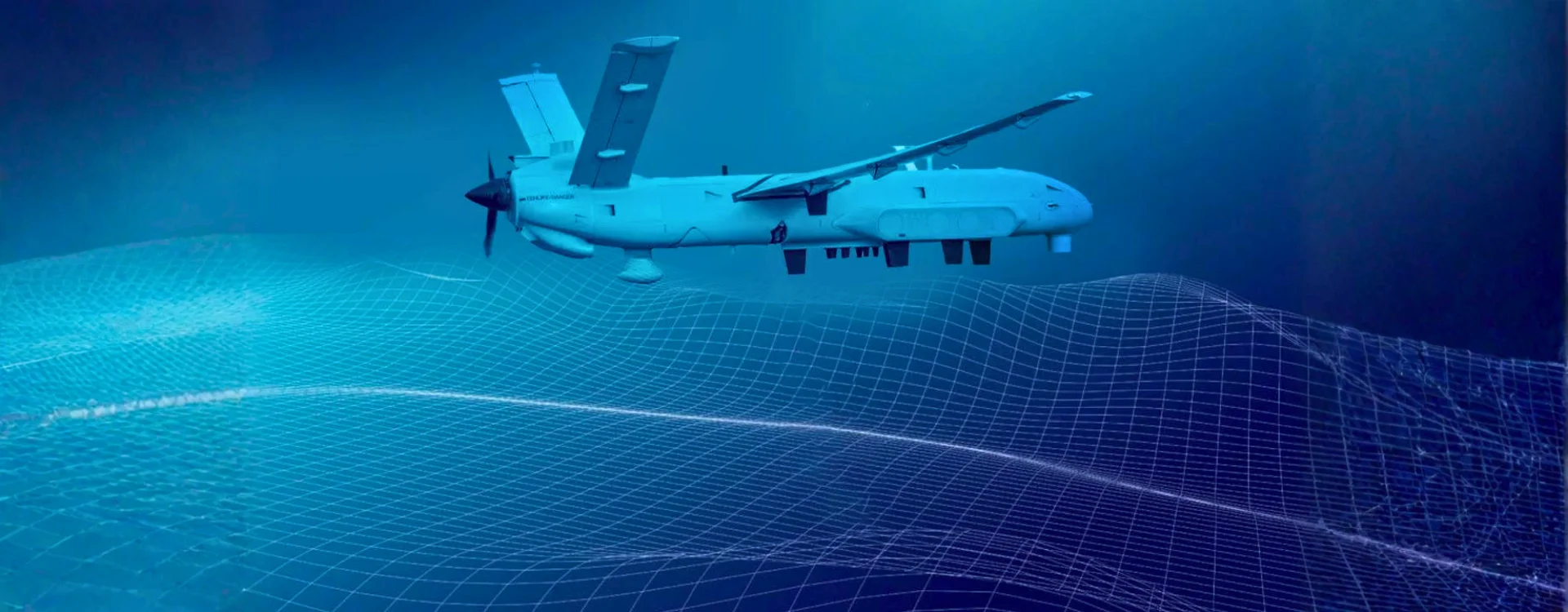
Electronic warfare is considered one of the most critical elements of modern warfare. Today, military operations are carried out not only through land, air and naval forces, but also through the effective use of the electromagnetic spectrum, communication systems, radar technologies and electronic sensors. Electronic warfare systems are developed to support information flow, improve situational awareness and strengthen defense capabilities in the electronic environment.
In modern defense systems, electronic warfare is generally evaluated under three main areas: electronic support, electronic protection and electronic attack. Electronic support focuses on analyzing signals obtained from the electromagnetic environment and improving situational awareness. Electronic protection includes solutions designed to reduce the impact of electronic threats on friendly systems, while electronic attack refers to capabilities related to the operational use of the electromagnetic spectrum.
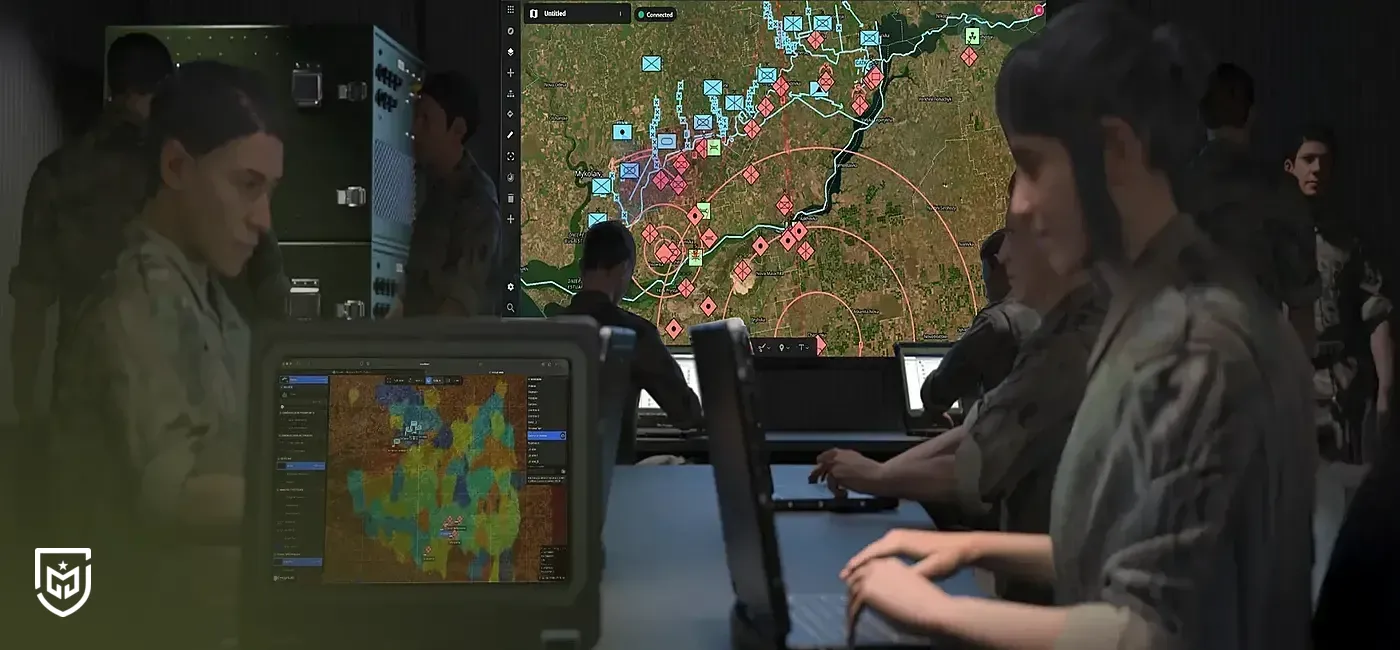
Radar systems are among the most important components of electronic warfare. Advanced radar technologies allow targets in air, land and naval environments to be detected and tracked from long distances. Combining radar data with information from other sensors helps create a more accurate and comprehensive operational picture. This integration supports faster and more accurate decision-making by command and control centers.
Electronic warfare technologies also support the security and continuity of communication systems. In modern operations, uninterrupted information sharing between different platforms is highly important. Reliable communication infrastructures improve coordination between units and contribute to more effective operational planning.
Another important area is cybersecurity and electronic system integration. Today, radars, sensors, communication networks and command and control systems operate in an interconnected structure. For this reason, electronic warfare solutions are evaluated together with cybersecurity applications that support the protection of digital infrastructure. AI-supported analysis systems can also process large amounts of electronic data and contribute to faster situational assessment.
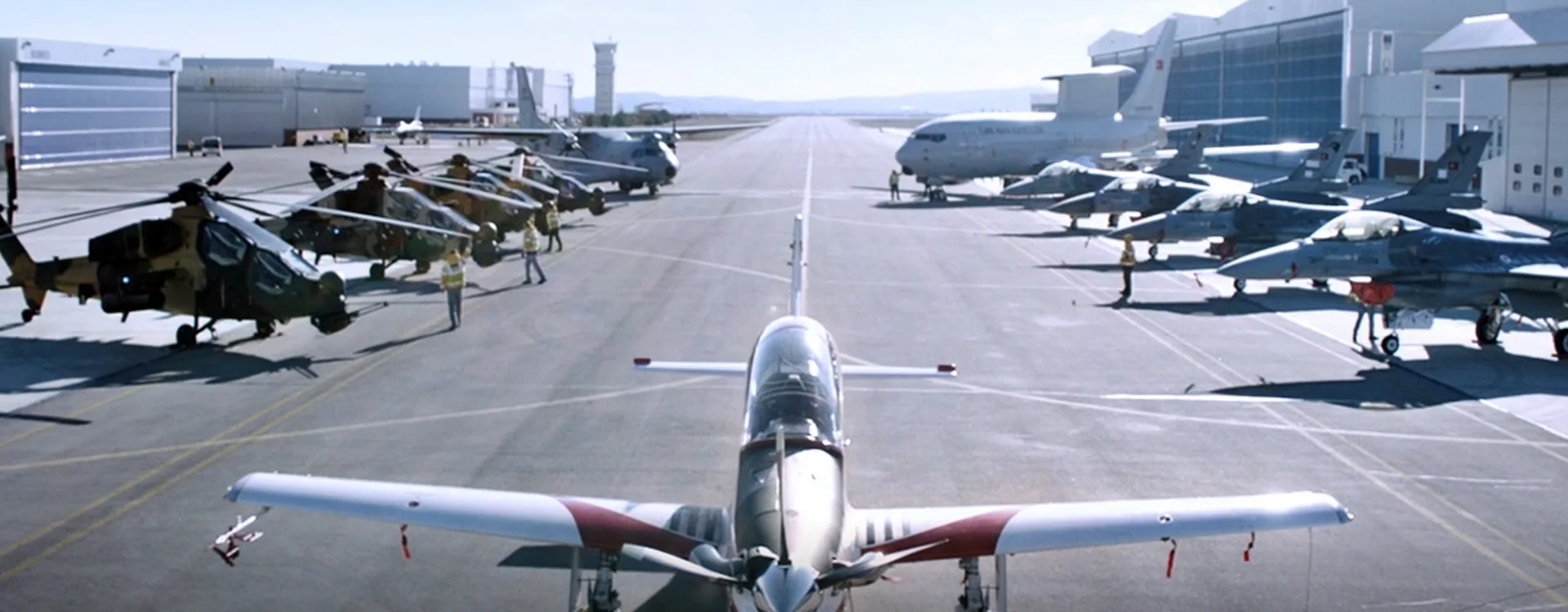
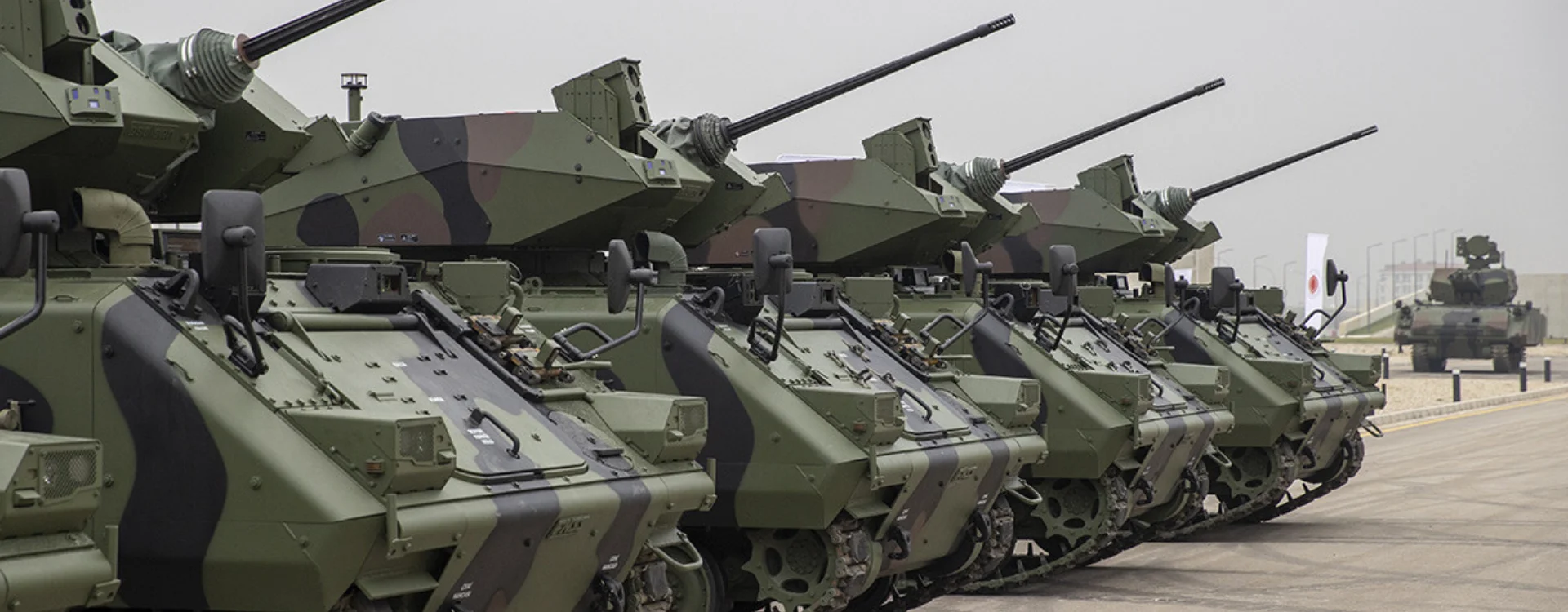
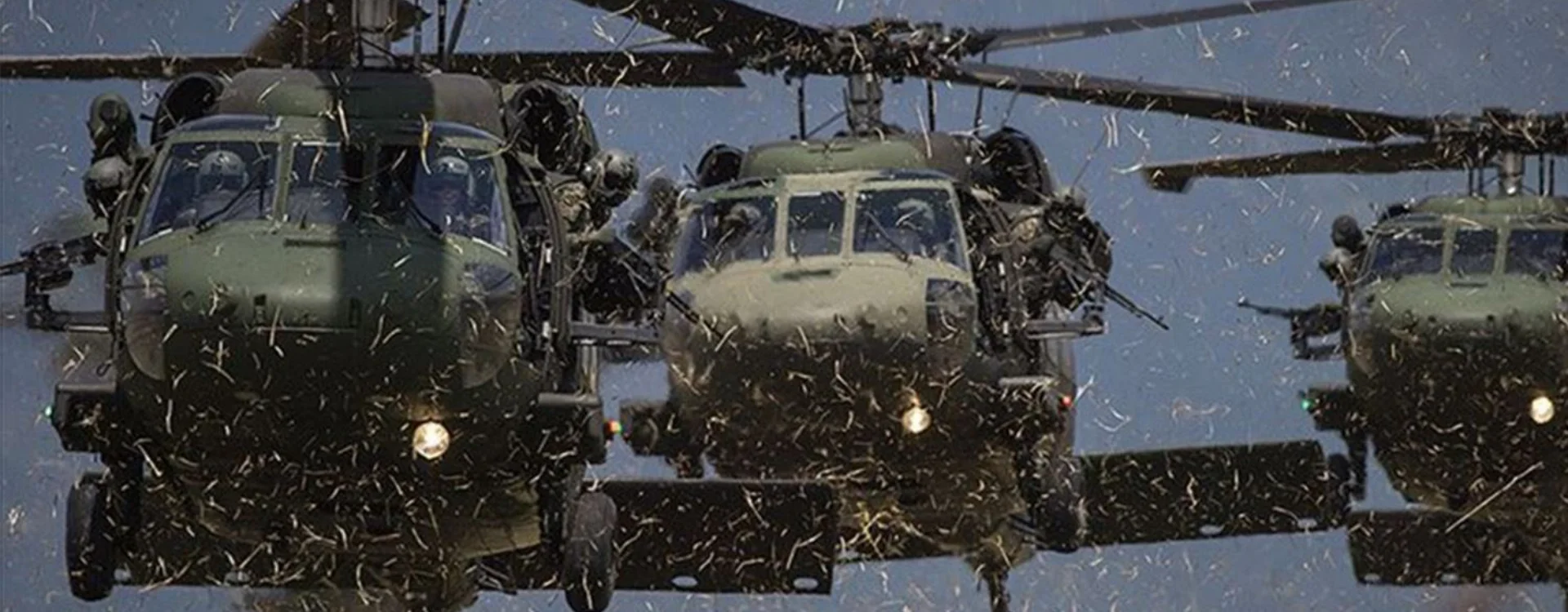
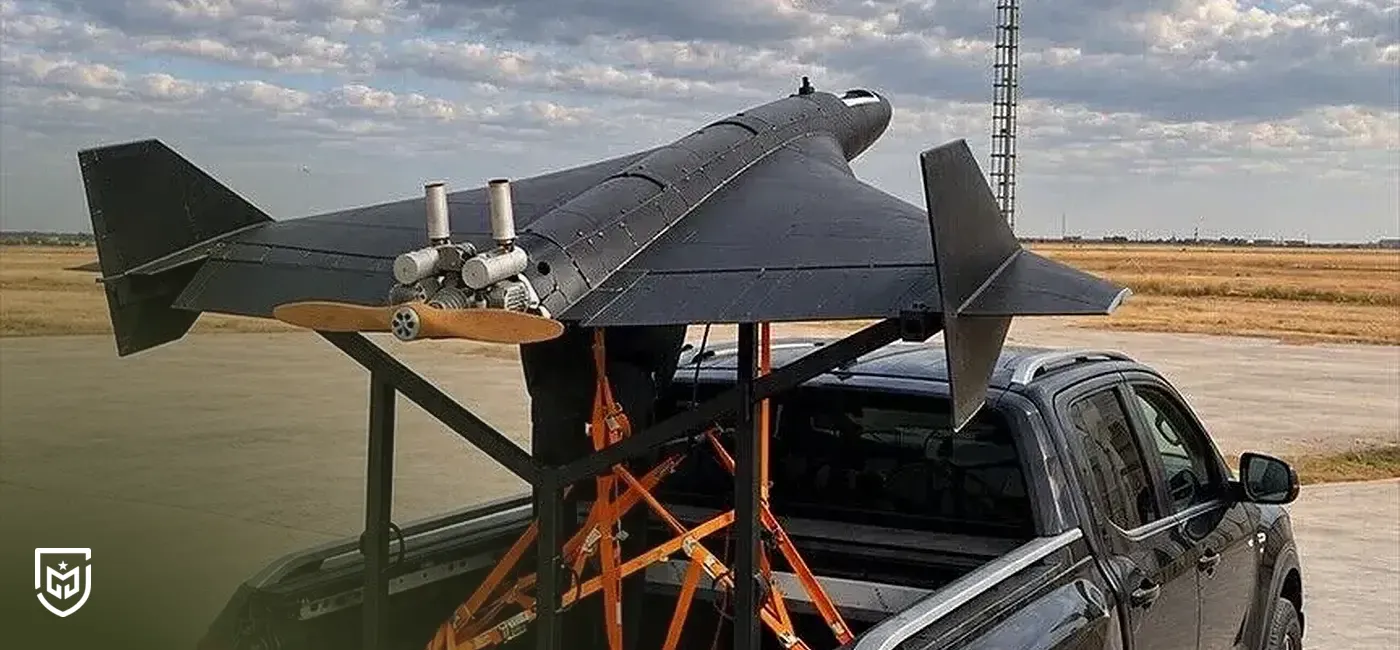
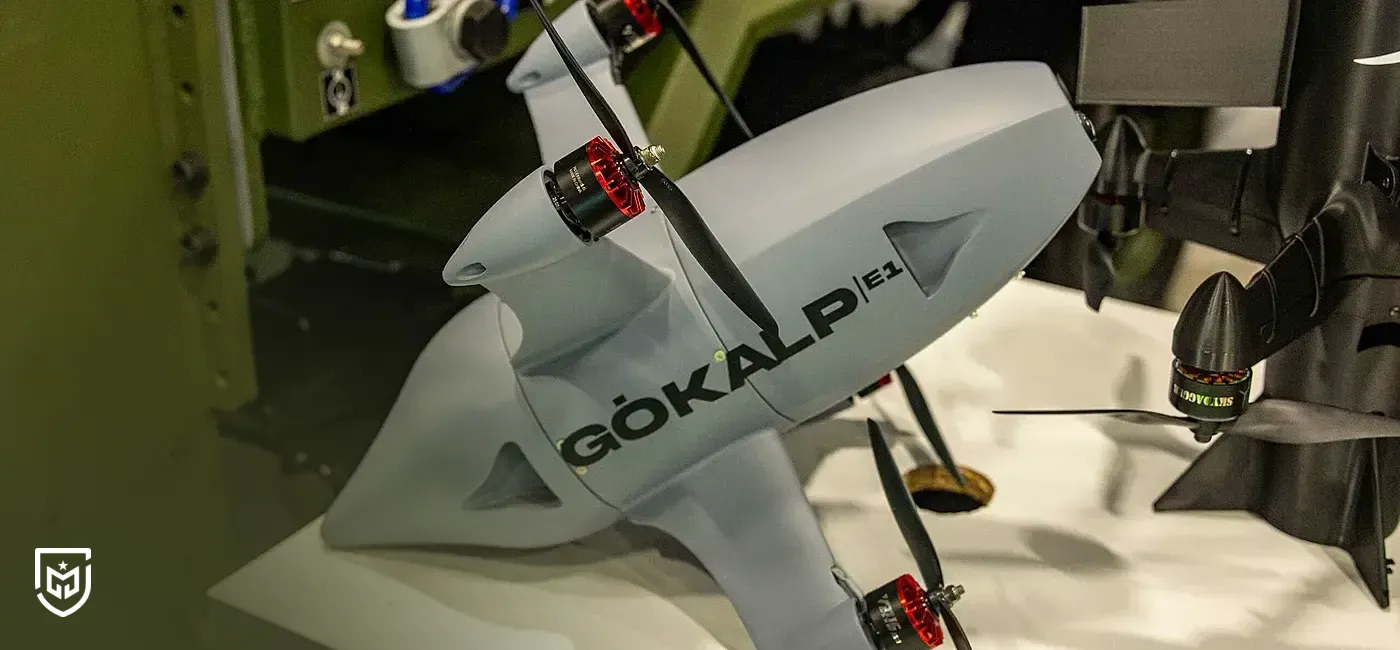
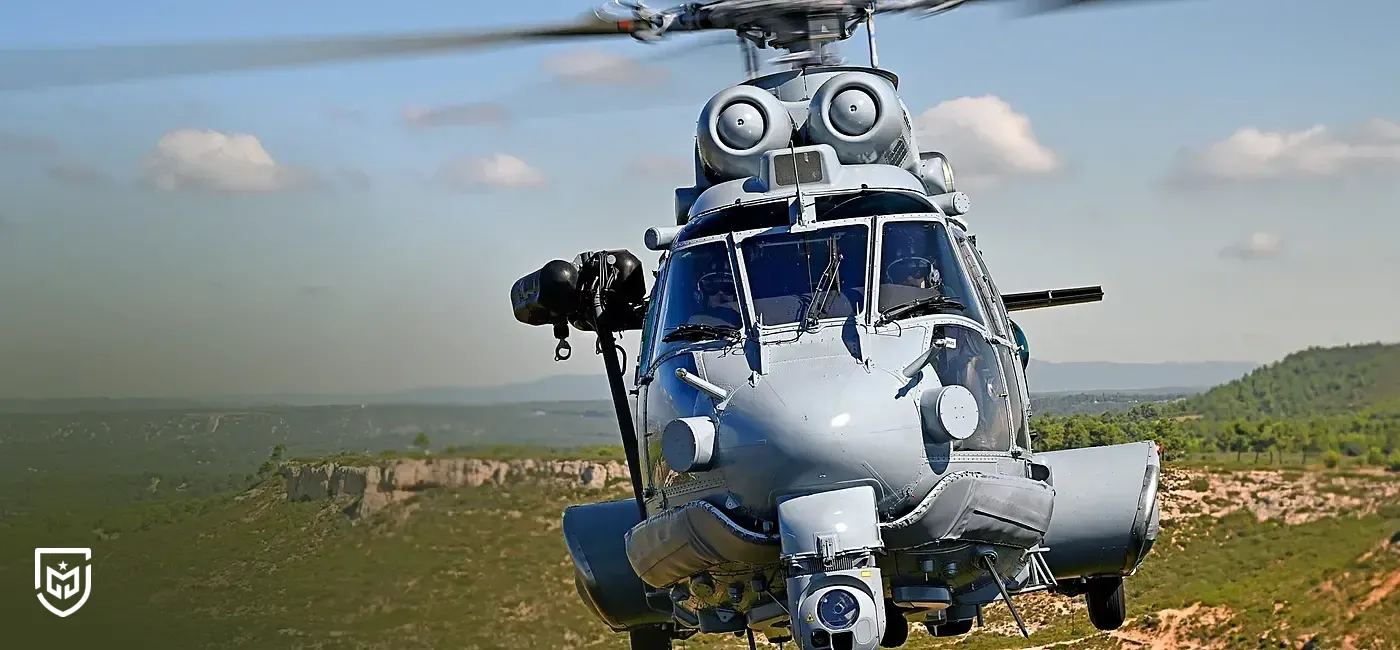
Electronic warfare technologies are used in integration with many different platforms such as unmanned aerial vehicles, fighter jets, naval platforms, ground vehicles and air defense systems. Through this integration, data obtained from different sources can be transformed into a shared operational picture, creating a more coordinated defense structure.
As a result, electronic warfare is not limited to electronic systems alone. It is a comprehensive defense ecosystem in which radar technologies, sensors, communication infrastructures, command and control systems, AI-supported analysis solutions and cybersecurity applications work together. With the continuous development of technology, electronic warfare remains one of the most critical and fastest-growing areas of modern defense strategy.


The cookies used on our website are used to provide you with a better user experience and to improve our website. You can manage your cookie preferences from the options below.




 Süheyla Yıldız