BREAKING NEWS
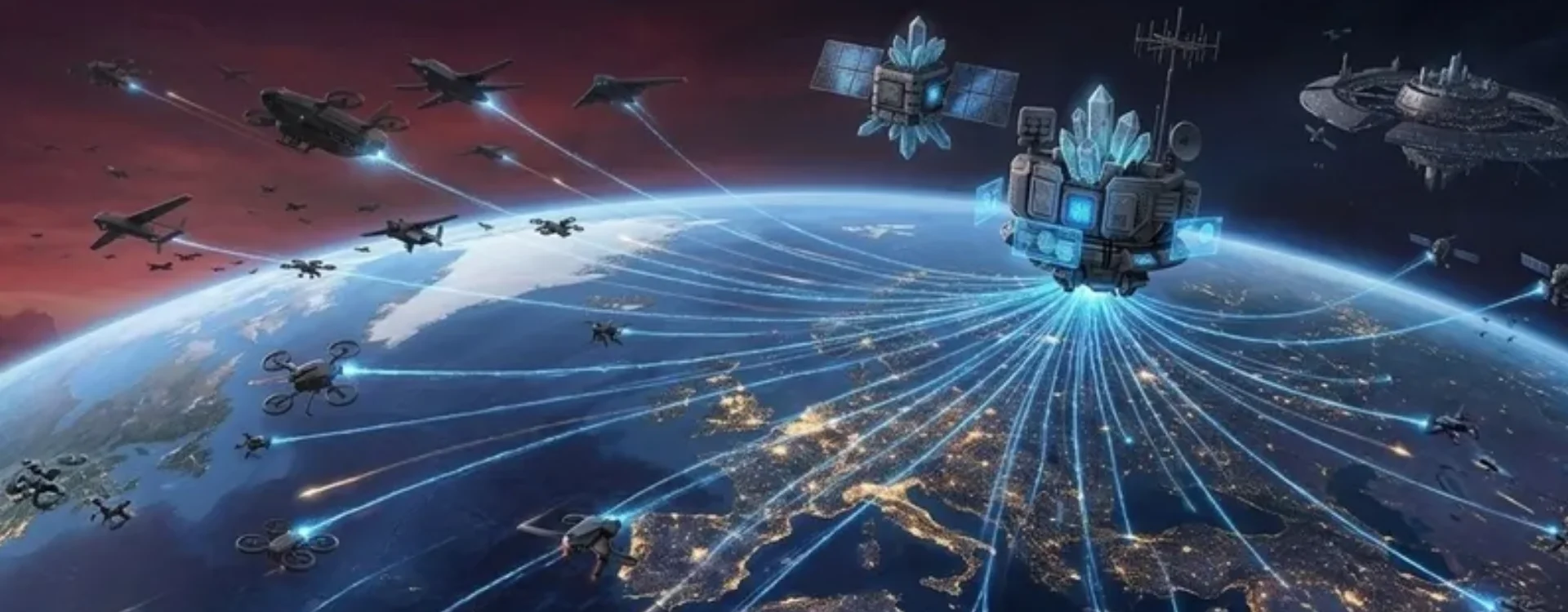
Future wars will no longer be limited to armies facing each other on traditional battlefields. They will become more multidimensional, built around artificial intelligence, unmanned systems, cybersecurity, electronic warfare, space technologies and data superiority. In modern defense, speed, information and technology are becoming just as decisive as military power. Therefore, the side that succeeds in future conflicts will not simply be the one with the most weapons, but the one that analyzes information faster, protects its systems better and operates different platforms in an integrated way.
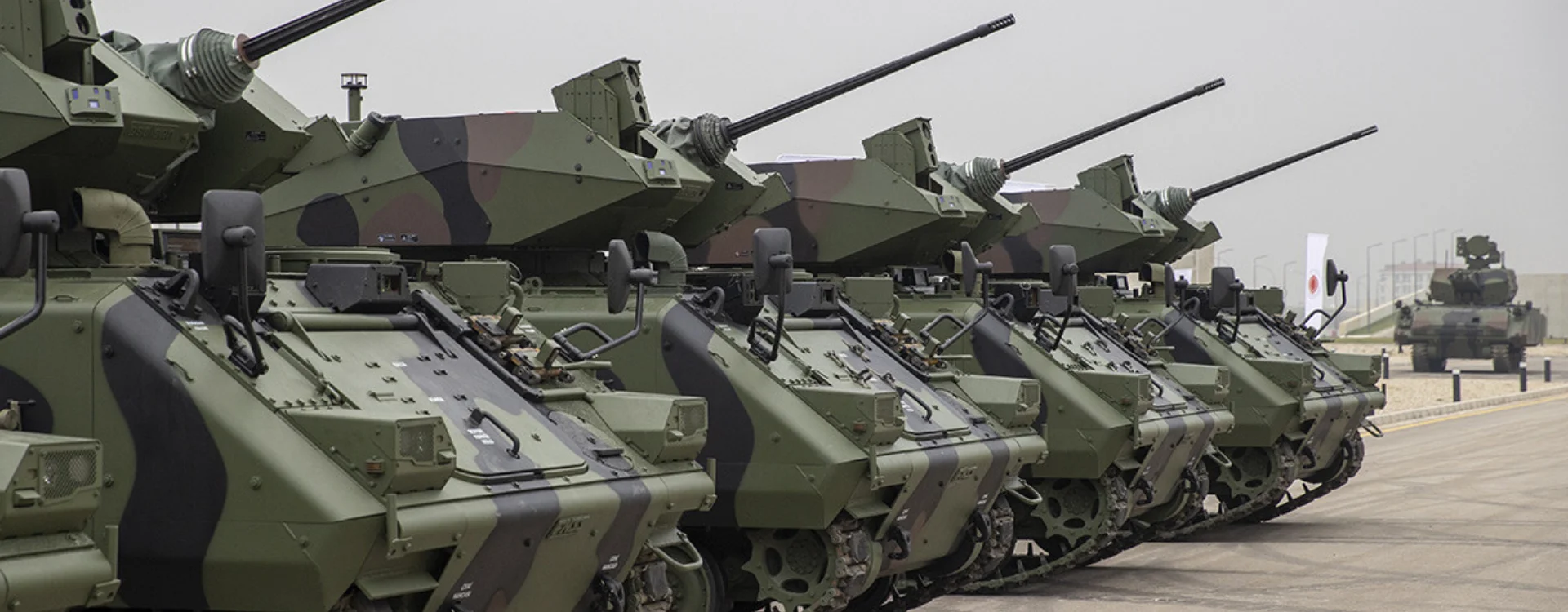
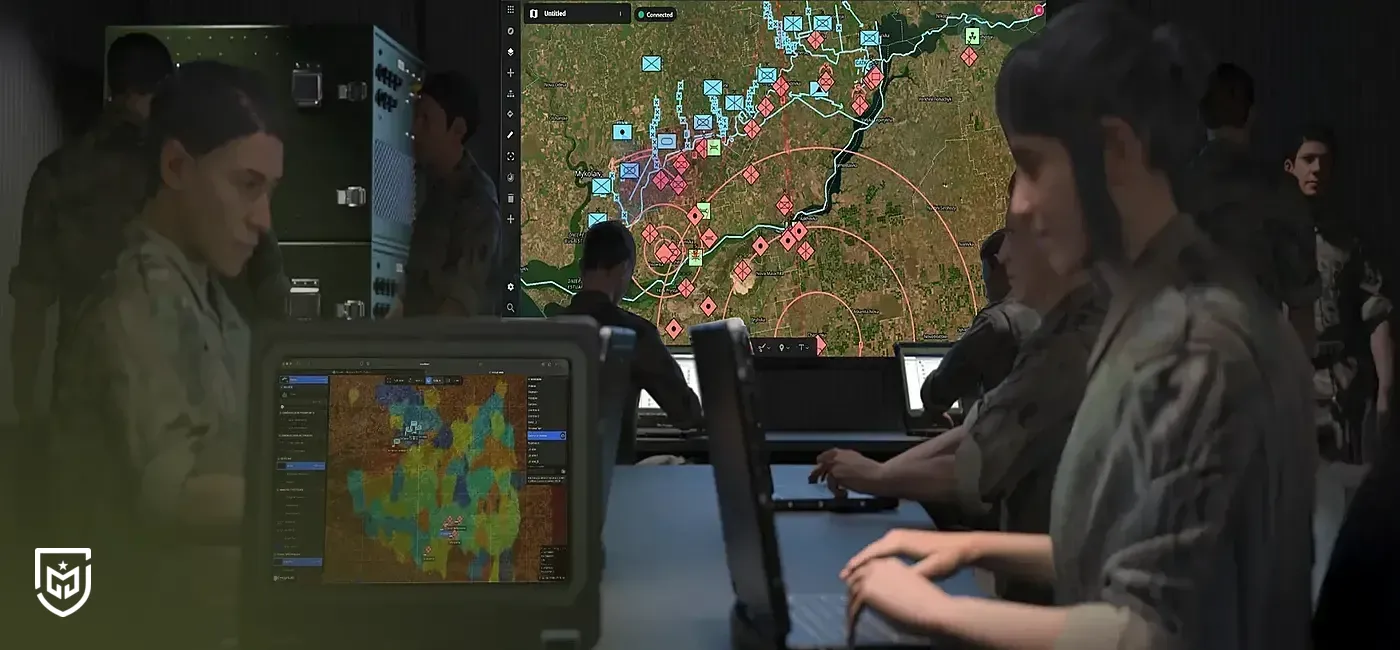
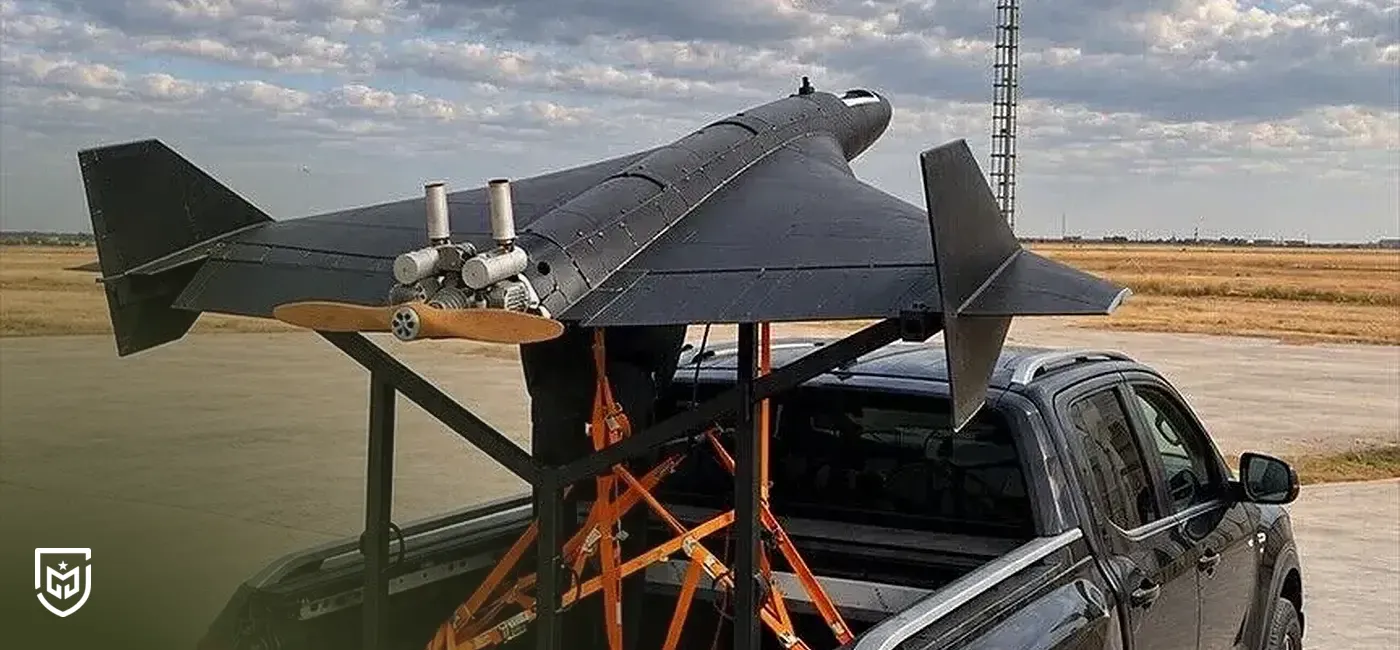
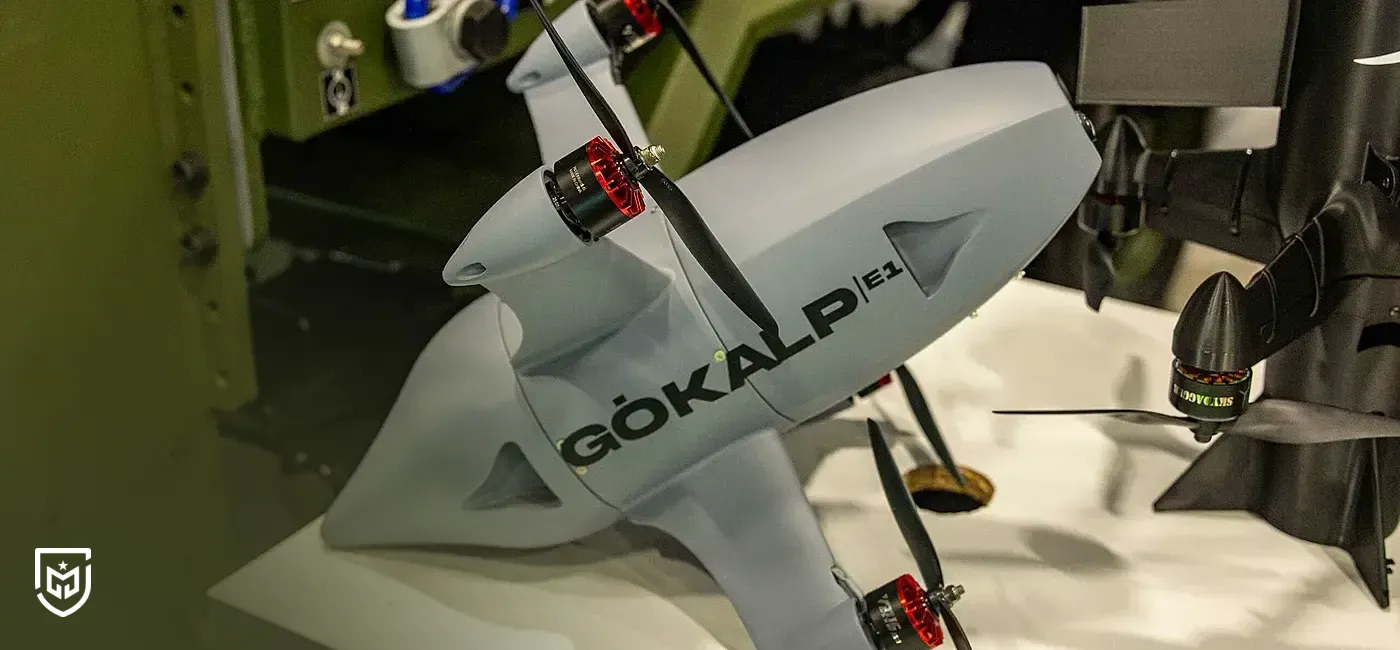
In the future battlefield, unmanned aerial vehicles, autonomous ground vehicles, naval platforms and AI-supported decision systems will play a greater role. UAVs will provide major advantages in reconnaissance, surveillance, target detection and operations in high-risk areas, while autonomous systems may help reduce risks to personnel. However, for these systems to operate effectively, strong communication infrastructure, secure data flow and advanced command and control systems will be required.
Artificial intelligence will be one of the most critical technologies in future warfare. The analysis of satellite images, processing of radar data, detection of cyber threats and interpretation of large amounts of battlefield information can be carried out much faster with AI. This will accelerate decision-making processes and improve operational awareness.
A significant part of future wars will take place in cyberspace. Critical infrastructure, energy systems, communication networks, financial systems and military data centers will need stronger protection against digital threats. For this reason, cyber defense will not be just a supporting element of military defense, but a strategic area at its core.
Electronic warfare will also play a decisive role in future conflicts. Control of radars, communication systems, sensors and the electromagnetic spectrum will directly affect the success of land, air and naval operations. Signal control, electronic protection, sensor fusion and secure communication technologies will be among the most critical capabilities of modern armed forces.
In addition, space-based systems will become increasingly important. Satellite communication, positioning, early warning, intelligence gathering and global surveillance capabilities will play a major role in planning military operations. Security in space will be considered a separate and essential part of future defense strategies.
Future wars will also be conducted as multi-domain operations. Land, air, sea, space and cyberspace will not operate independently, but as an integrated system. Since a weakness in one domain can affect all others, countries will focus on developing more resilient and interconnected defense architectures.
As a result, future wars will be faster, more technological, more digital and more complex. UAVs, artificial intelligence, cybersecurity, electronic warfare, satellite systems, autonomous platforms and data analytics will form the main elements of modern warfare. In this new era, defense power will be measured not only by physical capacity, but also by the ability to produce technology, protect information, make fast decisions and use systems in an integrated way.


The cookies used on our website are used to provide you with a better user experience and to improve our website. You can manage your cookie preferences from the options below.




 Süheyla Yıldız