BREAKING NEWS
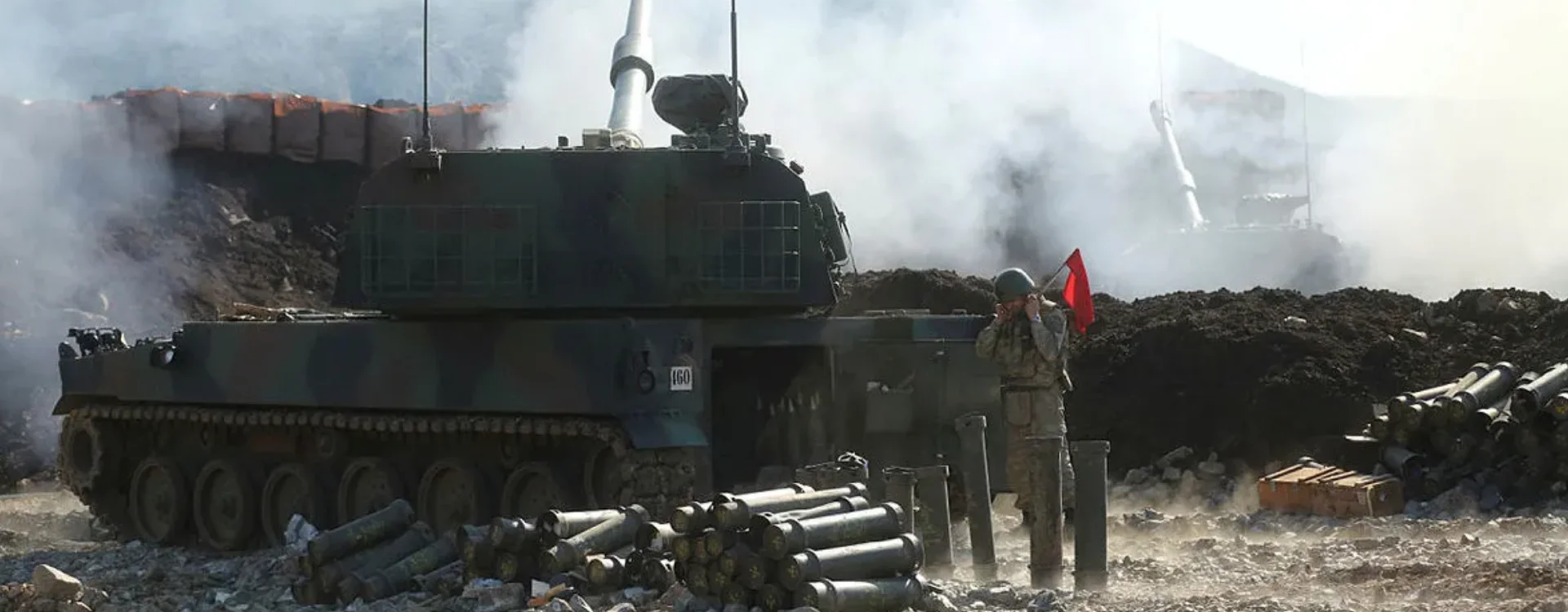
The right of self-defense is the legal authority of a state or an individual to take necessary and proportionate defensive measures against an unlawful attack. In international law, the concept primarily refers to a state's inherent right to defend its sovereignty, territorial integrity and population against an armed attack. In domestic legal systems, it also applies to an individual's right to protect themselves or others from unlawful aggression. Within the modern security environment, the right of self-defense is closely connected with defense strategy, international law, military planning, cybersecurity and national security policy, making it one of the most fundamental principles governing the lawful use of defensive force.
The primary purpose of the right of self-defense in international law is to enable states to protect their independence, territorial integrity and national security when faced with an armed attack. While this right permits defensive action, it is not unlimited. It must always be exercised within the framework of international law and in accordance with established legal principles. Consequently, the right of self-defense represents a carefully regulated legal mechanism rather than unrestricted authorization to use military force.
One of the essential conditions for invoking the right of self-defense is the existence of an unlawful armed attack or an imminent and serious threat. Defensive measures must be directly connected to preventing or ending the attack rather than serving as punishment or retaliation. Their objective is to restore security, eliminate the threat and protect lives and critical national interests.
Another fundamental principle is necessity. Defensive measures should only be employed when they are genuinely required to prevent or repel an attack. If effective and less forceful alternatives are available, they should be considered before resorting to stronger defensive actions. The principle of necessity is recognized as one of the core legal requirements governing both domestic and international applications of self-defense.
Closely related is the principle of proportionality, which requires that defensive actions remain proportionate to the nature and scale of the threat being addressed. The level of force used should not exceed what is reasonably required to stop the attack or neutralize the danger. In military operations, proportionality is one of the key legal standards considered during operational planning and command decision-making.
In today's evolving security environment, cyber operations have become one of the most significant areas of discussion regarding the right of self-defense. Cyberattacks targeting critical infrastructure, military command systems, communication networks, financial institutions or energy facilities can have serious national security implications. As a result, governments continue to examine how international law applies to cyber incidents and how defensive responses should be conducted within existing legal frameworks.
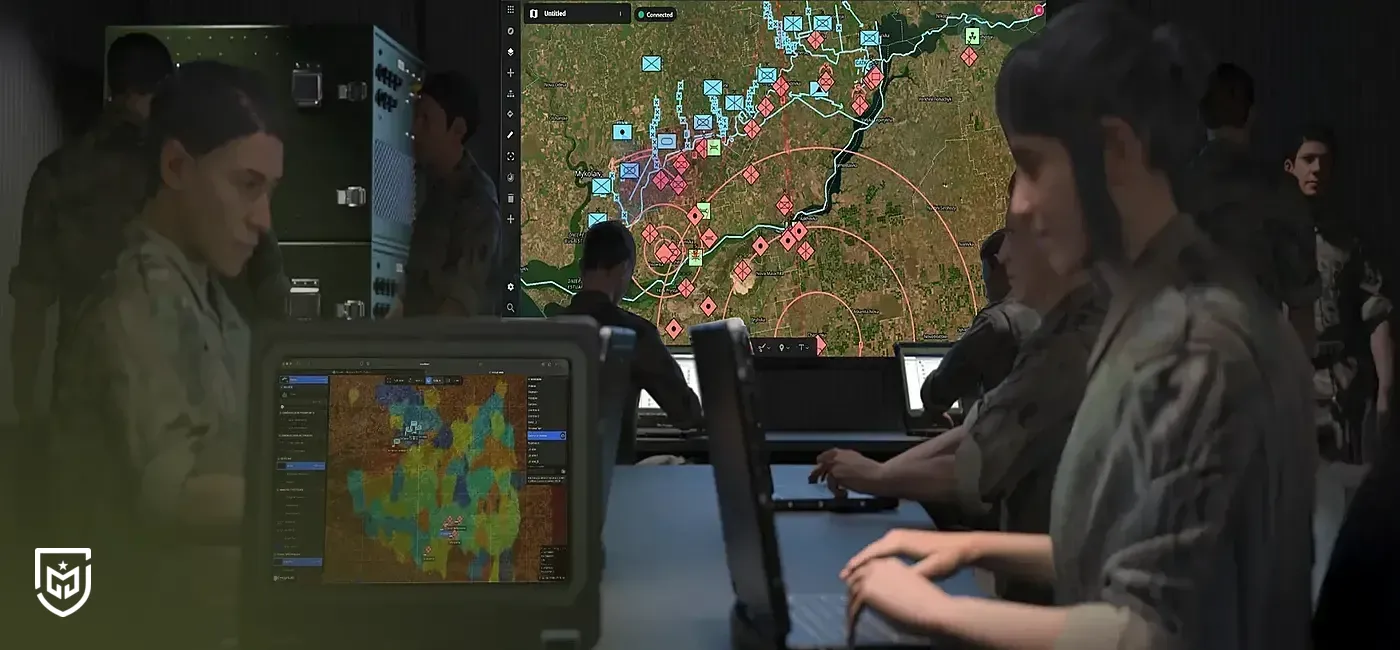
Military planning and defense strategy play a vital role in implementing the right of self-defense effectively. Radar systems, integrated air defense networks, intelligence operations, reconnaissance assets, satellite surveillance and early warning capabilities enable governments to detect threats at an early stage and develop appropriate defensive responses. Artificial intelligence also enhances strategic planning by rapidly analyzing large volumes of operational data and supporting faster, more informed decision-making.
Intelligence, Surveillance and Reconnaissance (ISR) capabilities are equally important in ensuring that defensive actions are based on accurate information. Satellite imagery, radar data, electronic sensors and multiple intelligence sources are integrated to evaluate the nature, scale and immediacy of potential threats. Reliable intelligence helps reduce uncertainty, minimizes the risk of miscalculation and supports lawful defensive decision-making.
International cooperation and collective security arrangements are also closely associated with the right of self-defense. Under certain defense agreements, states may assist one another when facing armed attacks or serious security threats. Such cooperation strengthens regional stability and collective security while remaining subject to international legal obligations and established treaty commitments.
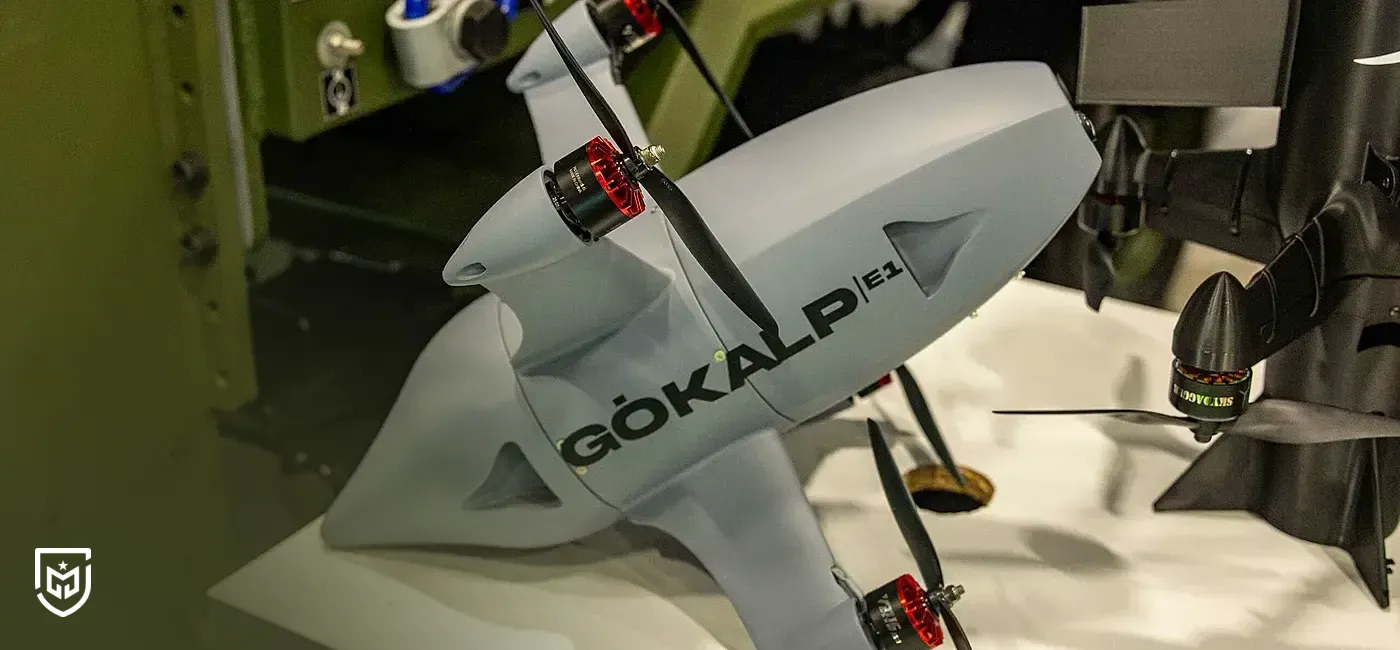
As military technology continues to evolve, artificial intelligence, autonomous systems, unmanned aerial vehicles, electronic warfare capabilities and space-based defense technologies introduce new operational and legal challenges regarding the exercise of self-defense. Policymakers and defense experts increasingly emphasize the importance of ensuring that emerging technologies are developed and employed consistently with international law, accountability and responsible military practice.
In conclusion, the right of self-defense is one of the most fundamental legal principles protecting states and individuals against unlawful attacks. By integrating defense strategy, military planning, international law, cybersecurity, intelligence and advanced defense technologies, this principle remains an essential pillar of modern security policy. As global threats continue to evolve across conventional, cyber and emerging domains, the lawful and responsible exercise of the right of self-defense continues to play a critical role in maintaining international peace, national security and the rule of law.


The cookies used on our website are used to provide you with a better user experience and to improve our website. You can manage your cookie preferences from the options below.





 Süheyla Yıldız