BREAKING NEWS

The law of war is the branch of international law that establishes the legal rules governing armed conflicts and aims to limit the humanitarian consequences of warfare. Rather than preventing war itself, its primary objective is to regulate how military operations are conducted, protect civilians, reduce unnecessary suffering and ensure compliance with internationally recognized legal principles. Today, the law of war is closely connected with international humanitarian law, defense strategies, military planning, technological developments and global security policies, making it an essential component of modern defense and international relations.
In today's security environment, the law of war extends far beyond traditional land combat. Air operations, naval warfare, cyberspace and space-based military activities are increasingly subject to international legal considerations. As military technologies continue to evolve, unmanned systems, artificial intelligence, electronic warfare capabilities and cyber operations have become important areas requiring legal evaluation. Consequently, the law of war continues to adapt to technological innovation while maintaining its fundamental humanitarian principles.
One of the core principles of the law of war is the principle of distinction. This principle requires parties involved in armed conflict to distinguish between military objectives and civilians, as well as between military assets and civilian infrastructure. Military operations must be carefully planned to minimize harm to non-combatants. Medical personnel, humanitarian organizations, hospitals and protected civilian facilities also receive special legal protection under international humanitarian law.
Another fundamental principle is the principle of proportionality. Military commanders are expected to assess whether the anticipated military advantage of an operation outweighs the potential impact on civilians and civilian property. Operational planning therefore combines intelligence assessments, legal reviews and strategic analysis to ensure that military actions remain consistent with international legal obligations.
Military necessity is another essential concept within the law of war. It recognizes that military operations may be conducted when necessary to achieve legitimate military objectives, provided they comply with international legal standards. Military necessity does not override humanitarian protections but instead operates alongside them, requiring commanders to balance operational requirements with legal responsibilities during every stage of planning and execution.
Modern warfare has also brought cybersecurity and electronic warfare into the legal landscape. Cyber operations targeting communication networks, energy infrastructure, military command systems or critical digital assets raise complex legal questions regarding responsibility, proportionality and civilian protection. Likewise, electronic warfare operations involving radar disruption, signal interference and electromagnetic spectrum activities must be evaluated within the broader framework of international law.
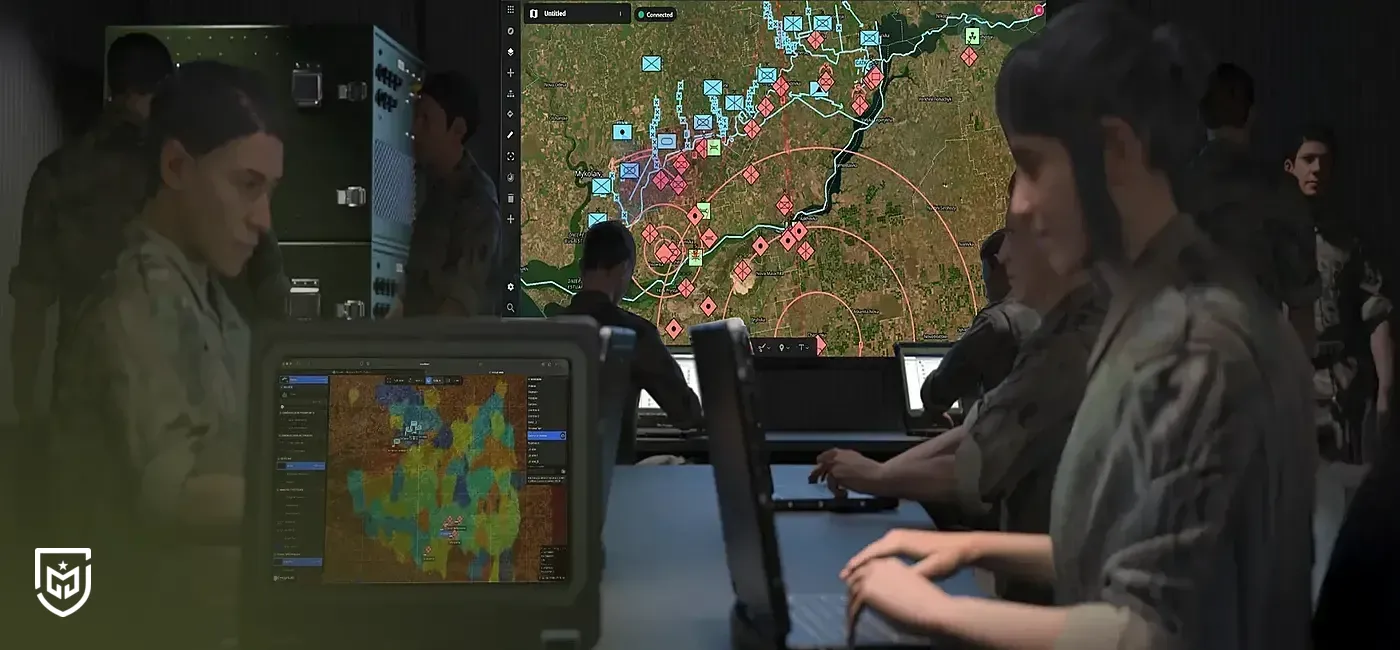
Intelligence, surveillance and reconnaissance (ISR) capabilities play a significant role in supporting compliance with the law of war. Radar systems, satellites, electro-optical sensors and multiple intelligence sources provide commanders with accurate situational awareness that improves operational decision-making. Artificial intelligence can assist by rapidly processing large volumes of information, but legal accountability and final operational decisions remain the responsibility of qualified human decision-makers.
Successful implementation of the law of war depends heavily on education, training and operational planning. Military personnel receive instruction on international humanitarian law, rules of engagement and legal responsibilities before participating in military operations. Legal advisors frequently support commanders during operational planning to ensure that missions are designed in accordance with applicable international legal standards.
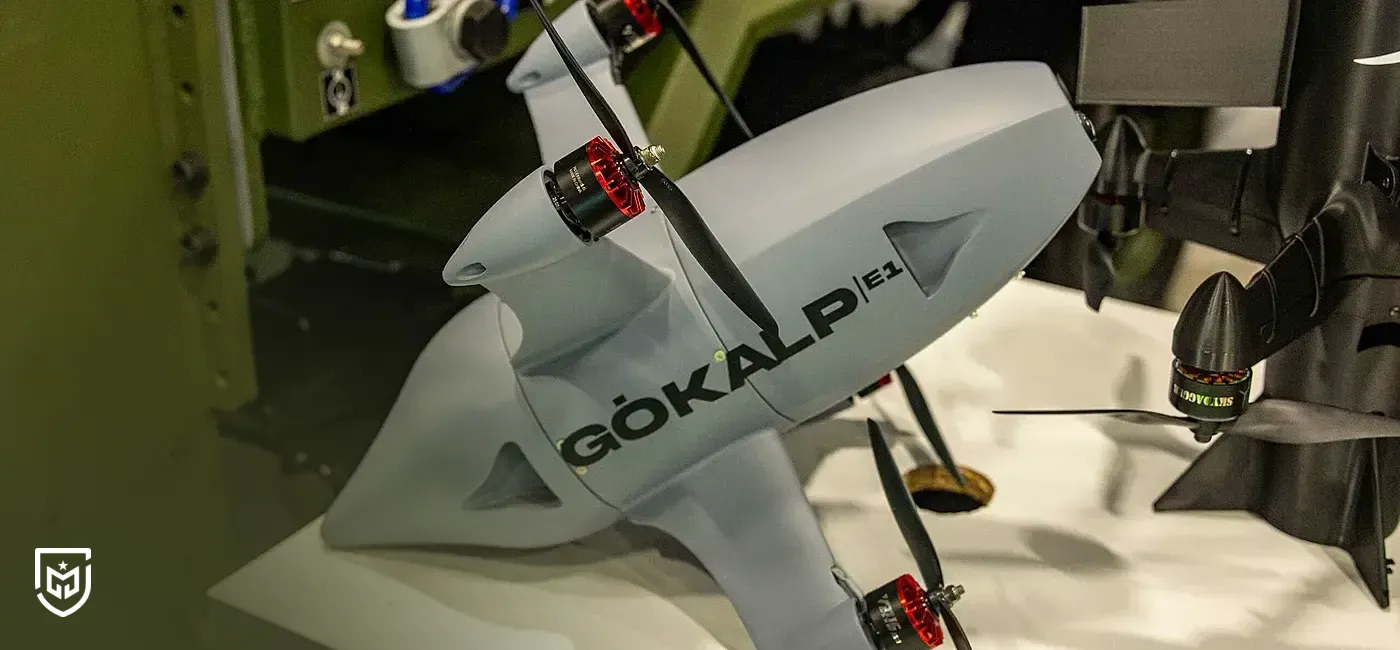
Rapid advances in artificial intelligence, autonomous systems, unmanned aerial vehicles and space technologiescontinue to create new legal and ethical challenges. International discussions increasingly focus on ensuring that emerging military technologies are developed and employed responsibly while remaining consistent with existing humanitarian principles and international legal obligations.
International cooperation is equally important in promoting compliance with the law of war. Joint military exercises, multinational peace support operations, legal cooperation and information sharing contribute to the consistent application of international humanitarian standards across allied nations. These collaborative efforts strengthen transparency, accountability and interoperability during multinational operations.
In conclusion, the law of war is far more than a collection of rules applied during armed conflict. It represents a comprehensive legal framework integrating international humanitarian law, military planning, defense strategy, cybersecurity, electronic warfare, artificial intelligence, intelligence operations and international cooperation. As the global security environment evolves, adherence to the law of war remains essential for protecting human dignity, maintaining the rule of law and supporting responsible military operations worldwide.


The cookies used on our website are used to provide you with a better user experience and to improve our website. You can manage your cookie preferences from the options below.





 Süheyla Yıldız