BREAKING NEWS
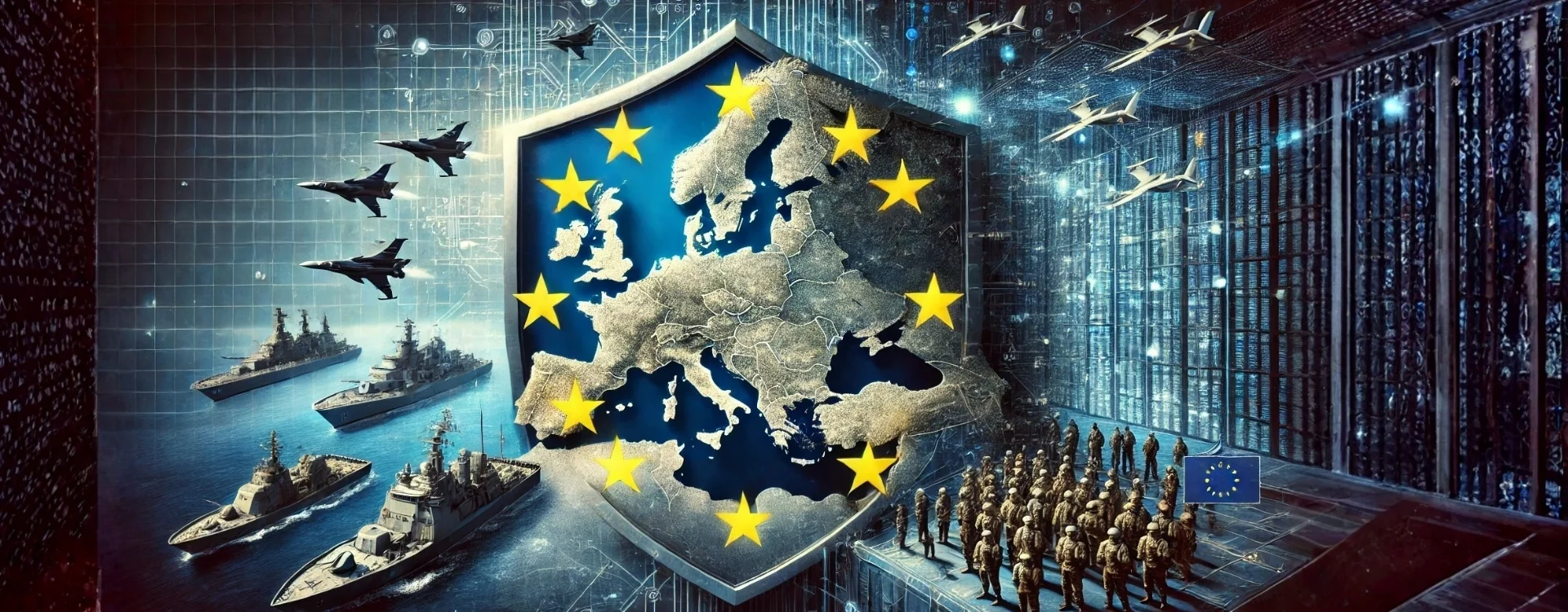
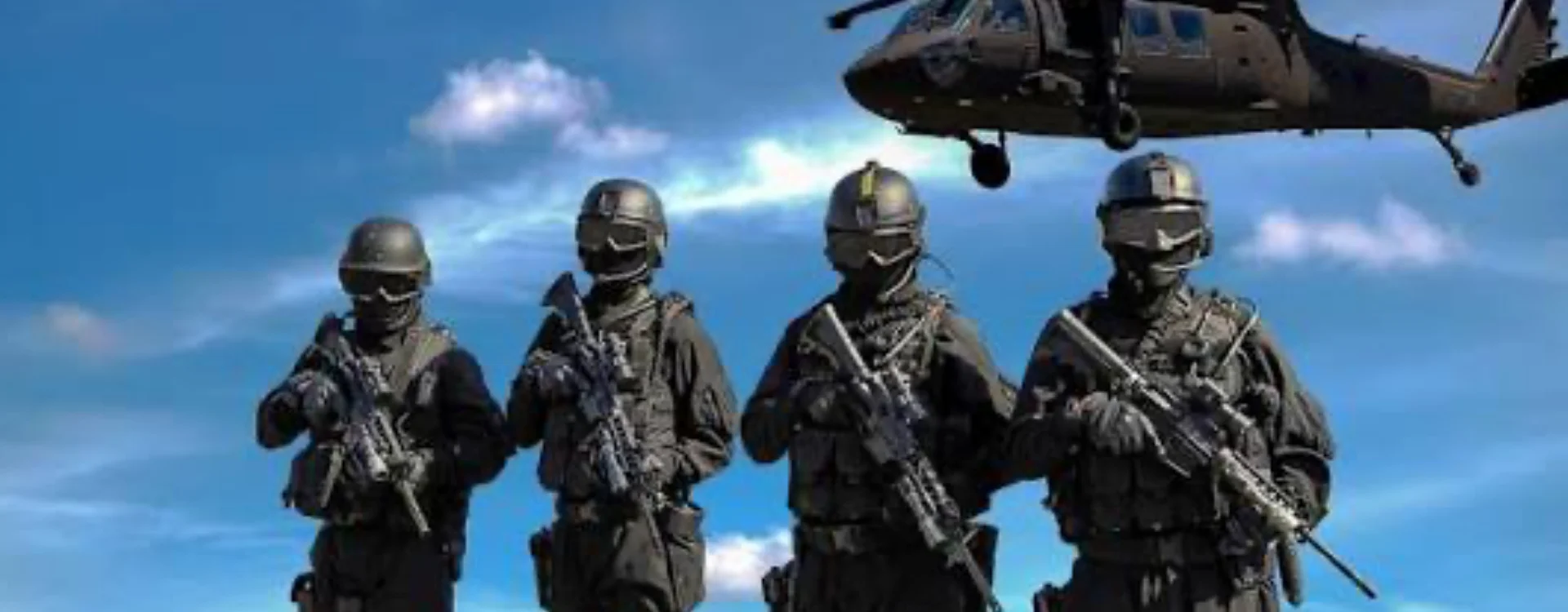
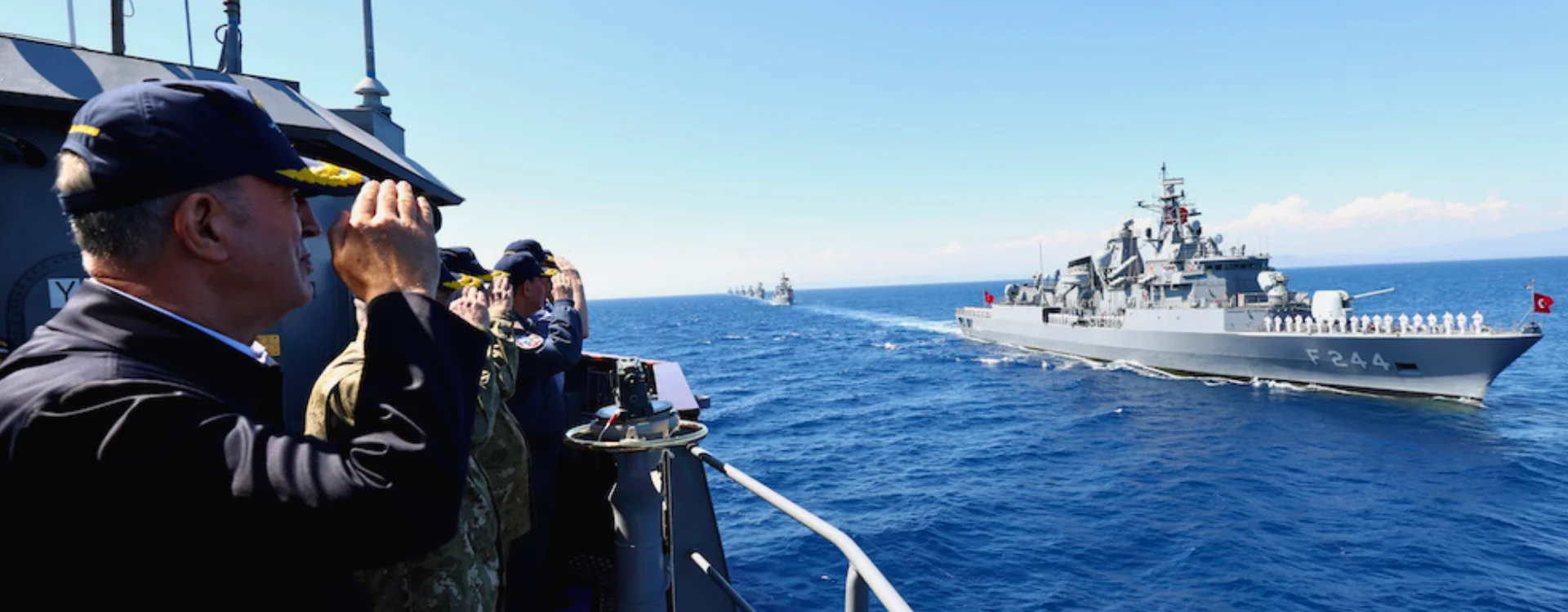
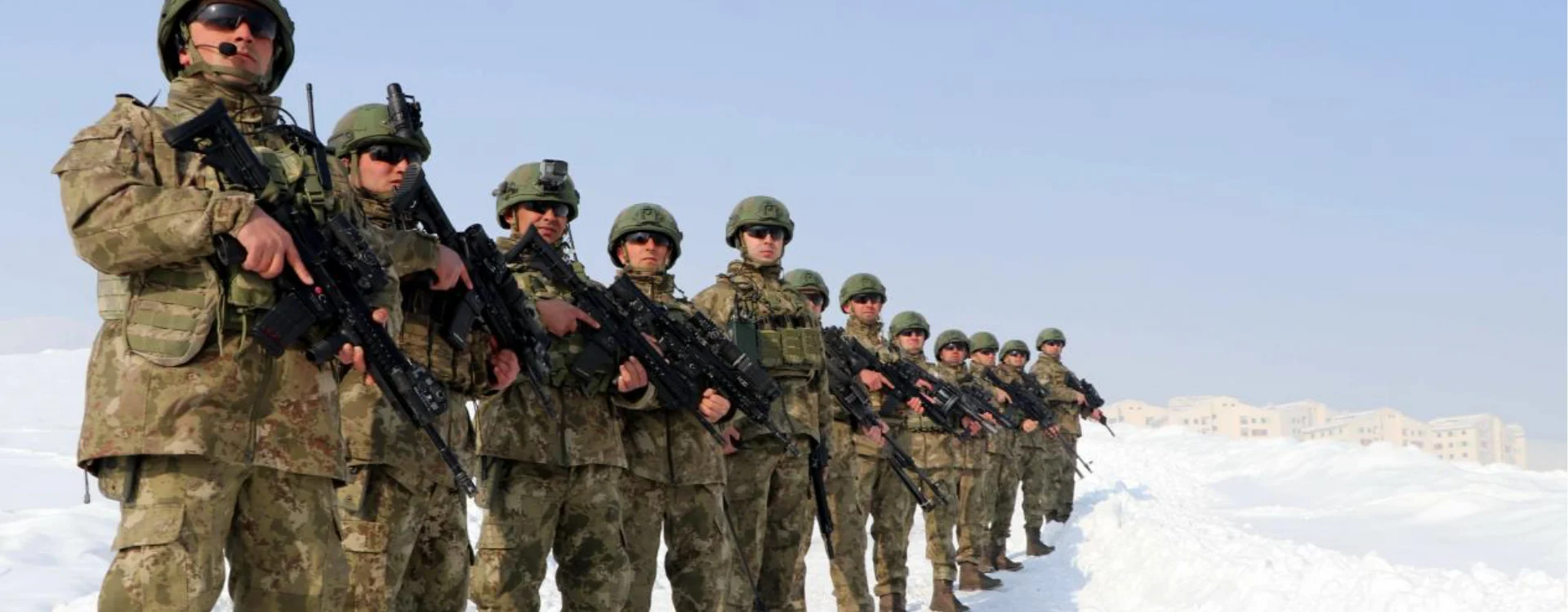
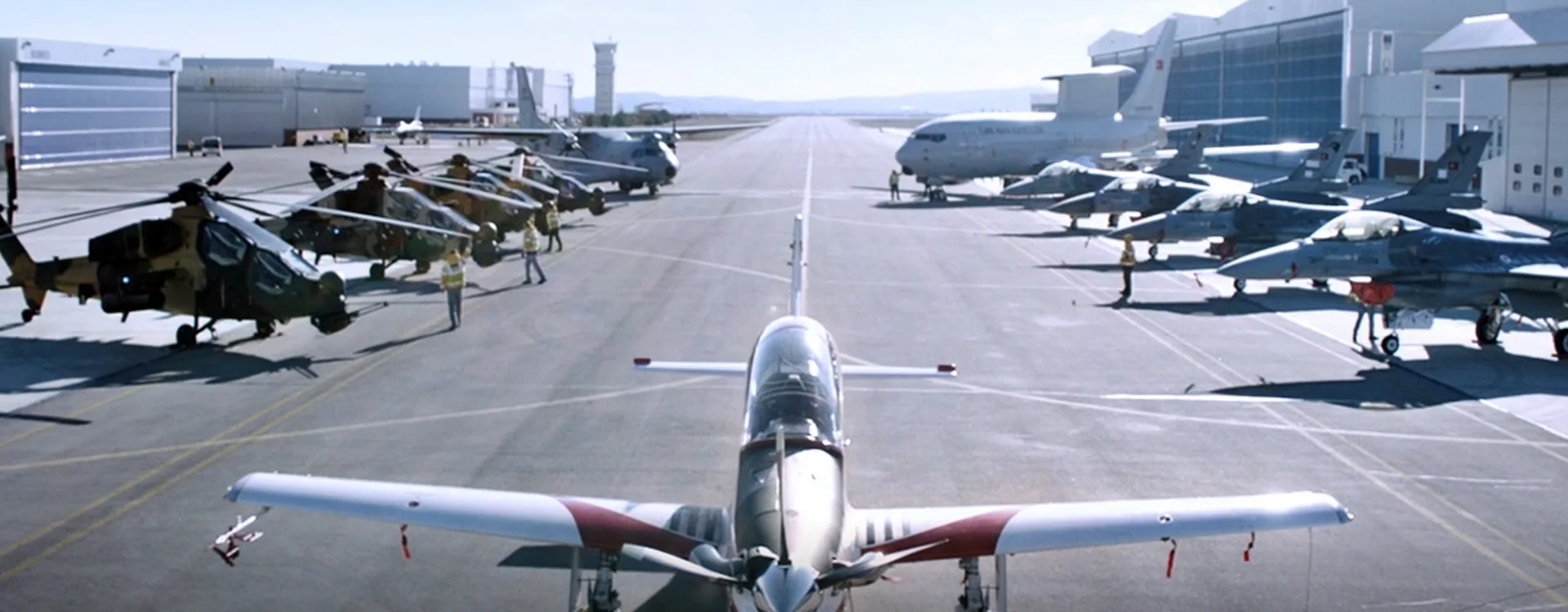
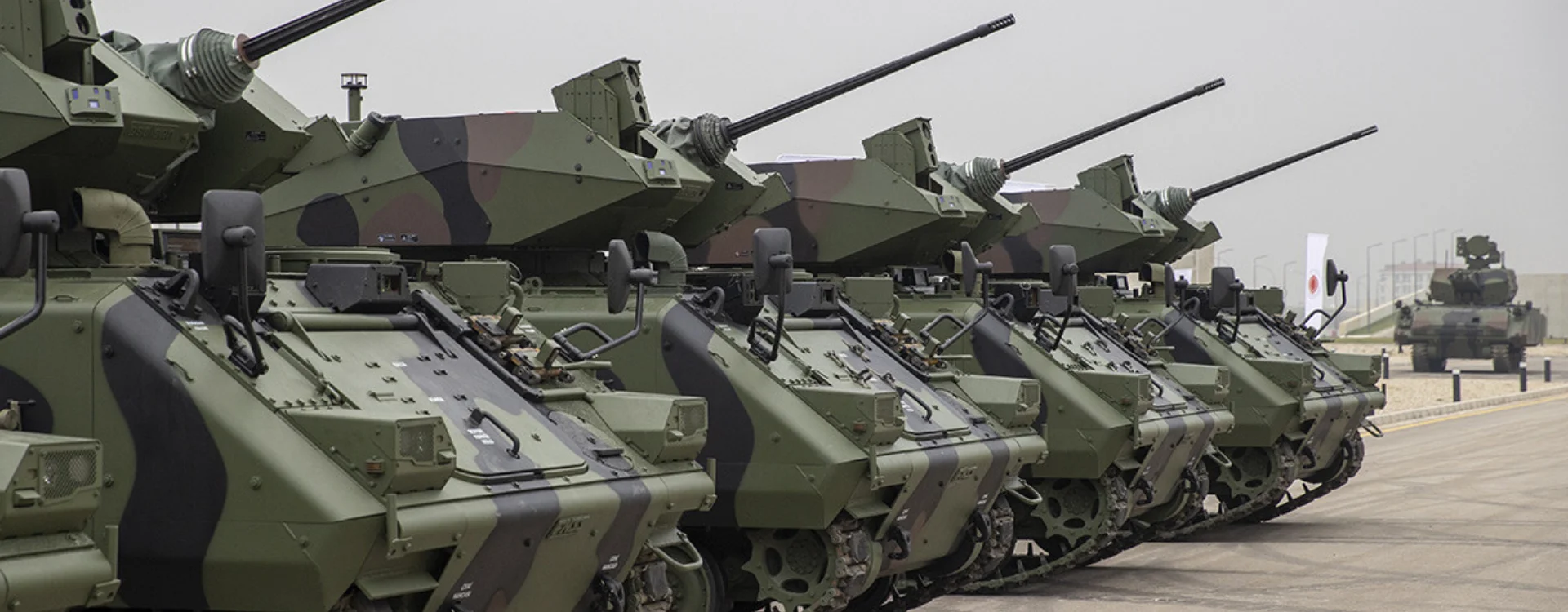
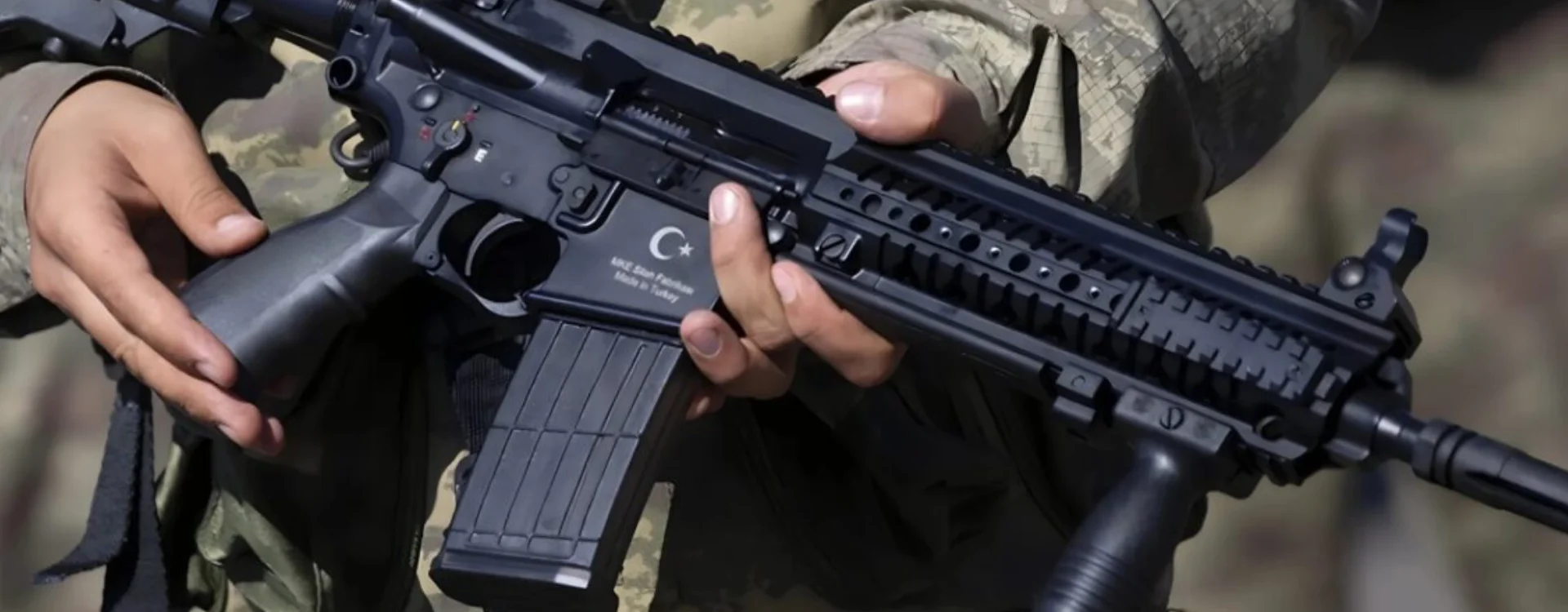
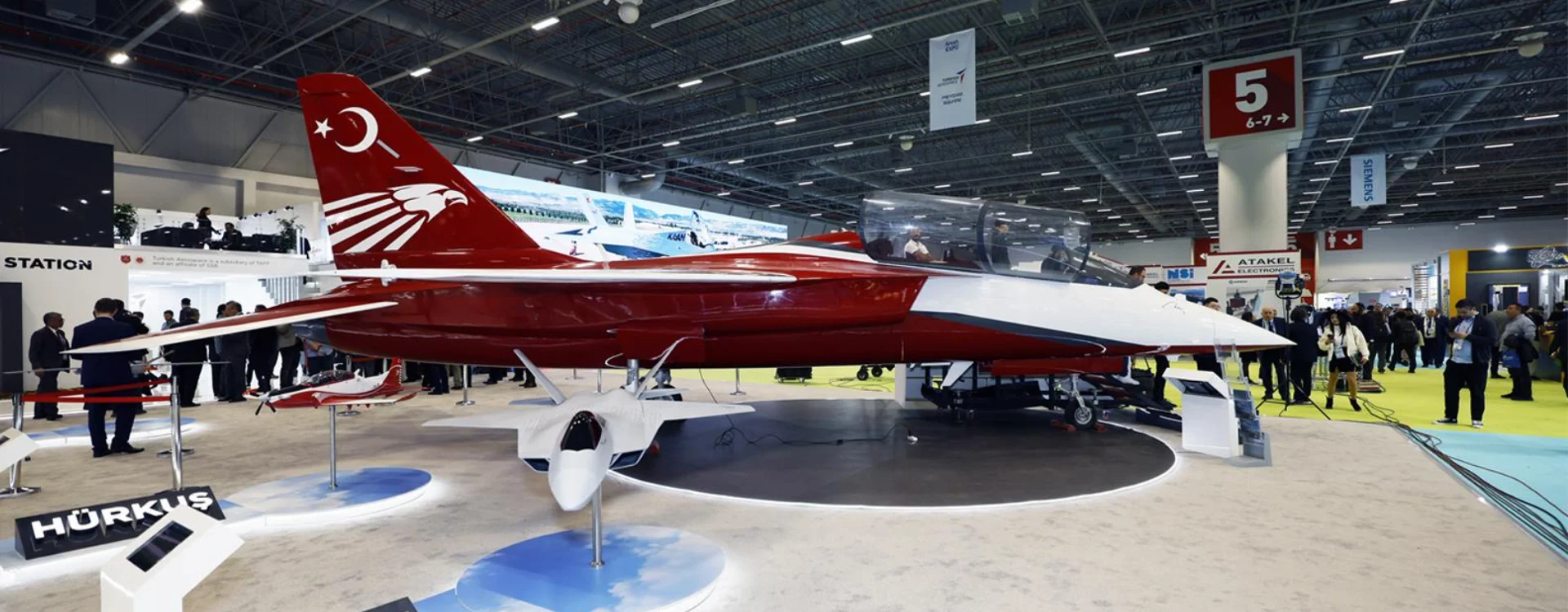
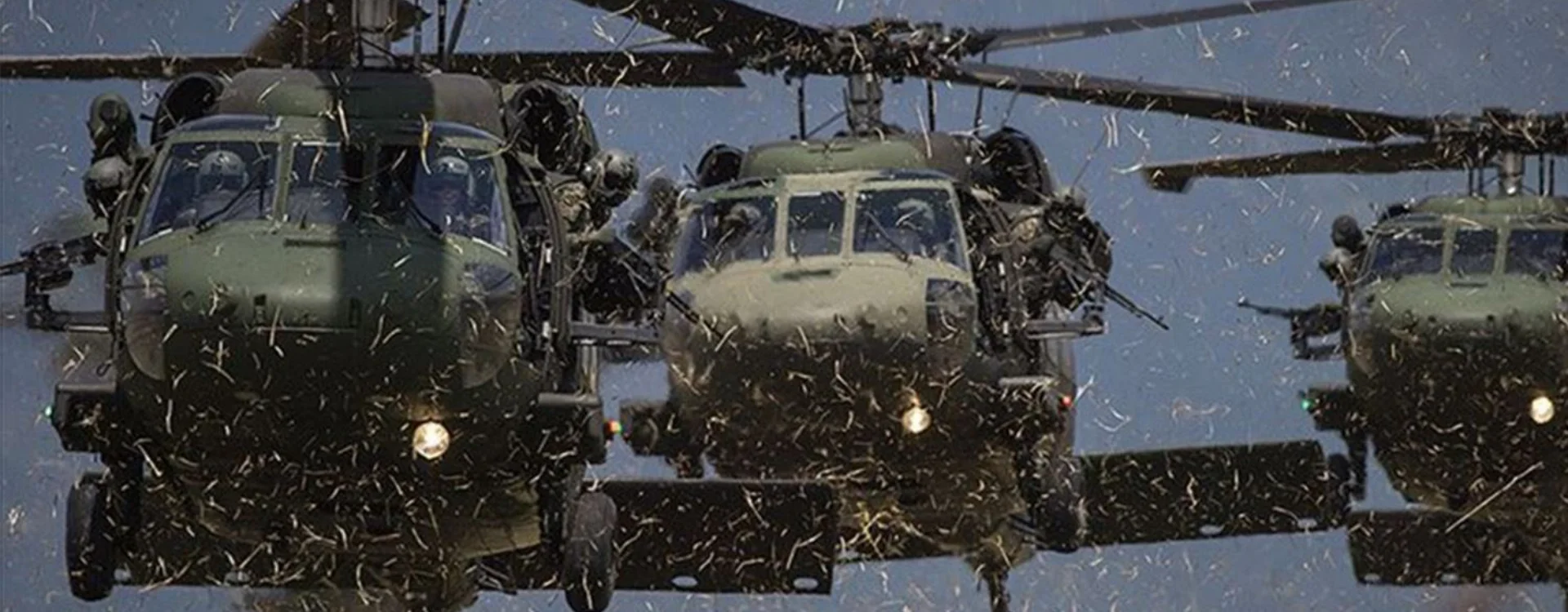
The Eastern Europe security balance refers to the distribution of military, political, and strategic power among countries in the region, making it a critical geopolitical concept. In recent years, increasing tensions, alliance dynamics, and regional crises have turned this balance into one of the most sensitive aspects of global security. Countries in the region are compelled to enhance their military capabilities, strengthen alliances, and reshape defense strategies in order to ensure their security. Eastern Europe has emerged as one of the most visible arenas of great power competition, making the security balance highly dynamic and constantly evolving.
From a more technical perspective, the Eastern Europe security balance is shaped by military alliances, defense spending, force deployments, and deterrence strategies. Countries in the region aim to establish deterrence against potential threats through collective defense systems, forward-deployed military units, and missile defense infrastructures. At the same time, factors such as energy security, cyber threats, and hybrid warfare elements play a crucial role in this equation. In this context, the region’s security balance is not determined solely by military strength but is also closely linked to economic resilience, political stability, and international cooperation. As a result, the Eastern Europe security balance stands out as a dynamic structure that influences global power competition and has significant implications for the international system.


The cookies used on our website are used to provide you with a better user experience and to improve our website. You can manage your cookie preferences from the options below.


 Süheyla Yıldız