BREAKING NEWS

The concept of national security refers to the comprehensive framework of policies, strategies and capabilities developed by a nation to protect its sovereignty, constitutional order, territorial integrity, independence, citizens and national interests. In today's world, national security is no longer limited to protecting a country against conventional military threats. It also encompasses the defense industry, cybersecurity, artificial intelligence, intelligence capabilities, energy security, critical infrastructure protection, economic resilience and diplomatic engagement. As a result, modern national security requires coordinated efforts across government institutions, technological sectors and strategic industries to address increasingly complex and interconnected security challenges.
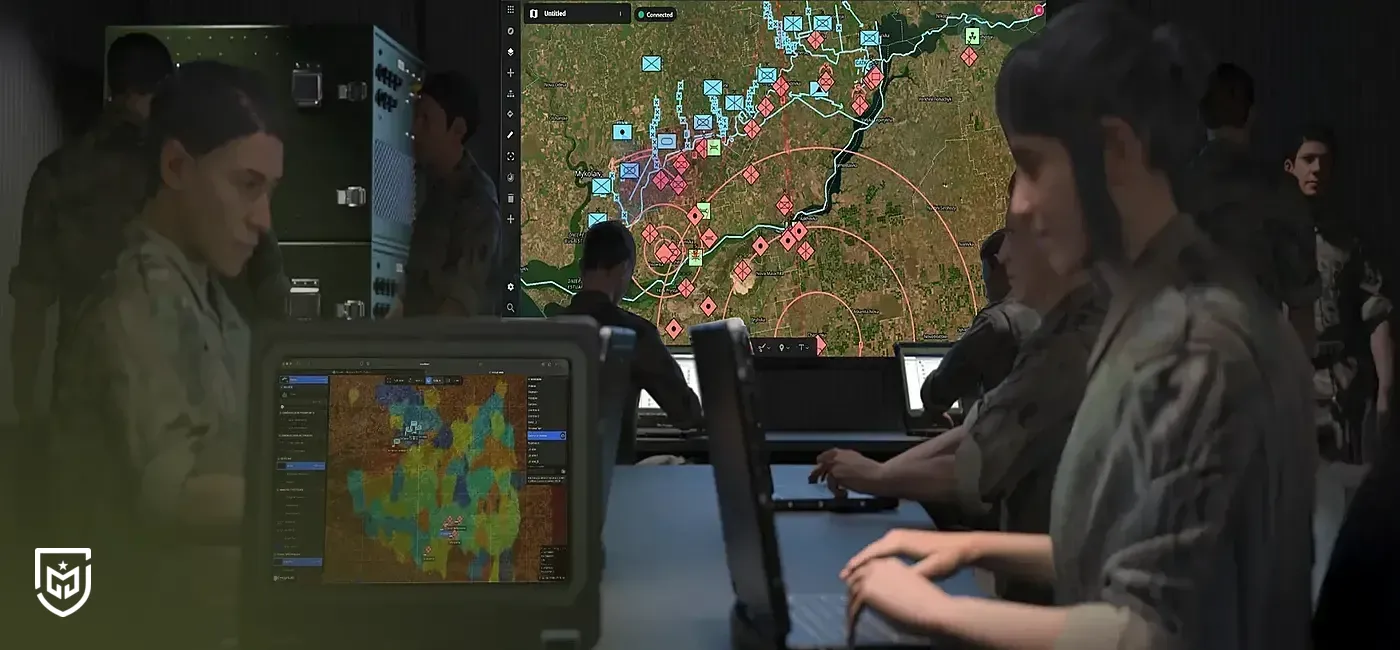
In modern defense planning, national security is supported by the integration of land, air and naval forces with advanced command and control systems, radar networks, early warning capabilities and secure communication infrastructures. These systems improve situational awareness, accelerate decision-making and strengthen a nation's ability to respond effectively to emerging threats. As technology continues to evolve, information sharing and operational coordination have become essential components of national security strategies.
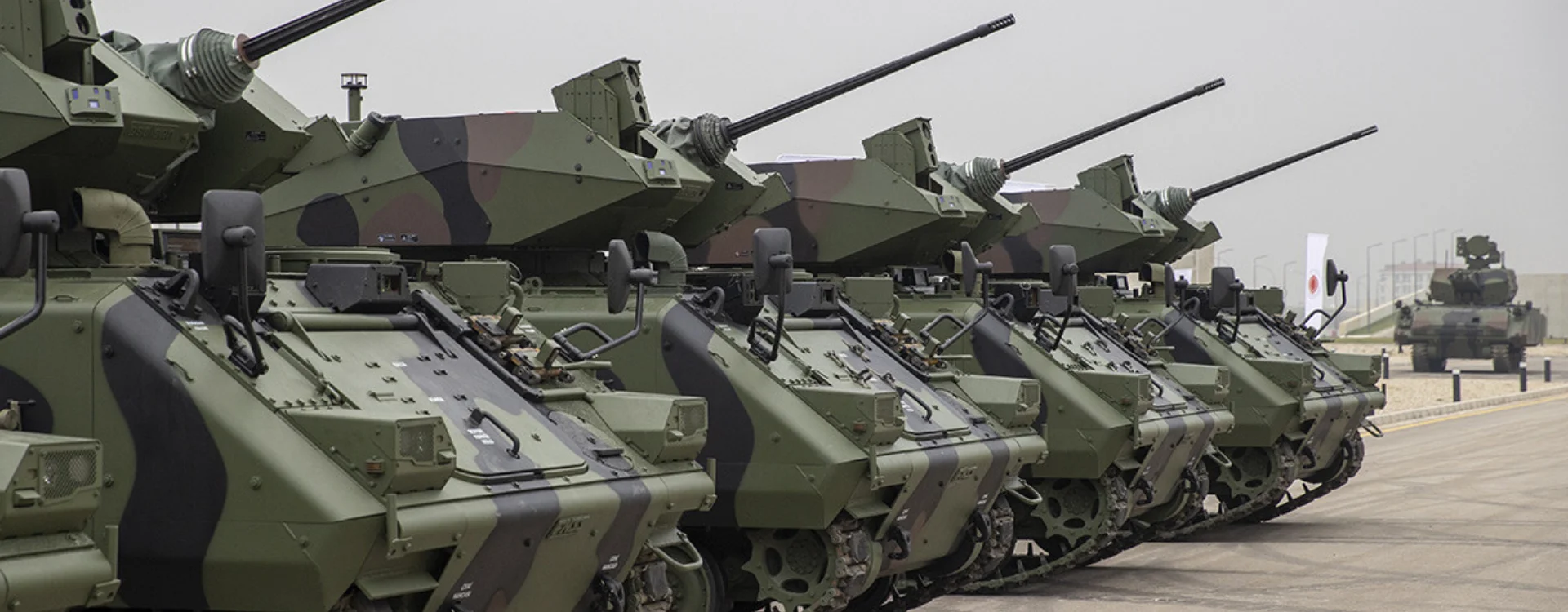
One of the fundamental pillars of national security is the defense industry. Domestic manufacturing capabilities, research and development programs, advanced engineering and high-technology production reduce external dependency while strengthening national defense capabilities. Air defense systems, radar technologies, unmanned aerial vehicles, naval platforms and secure communication networks are among the critical assets supporting modern national security.
Cybersecurity has become one of the most important dimensions of national security in an increasingly digital world. Protecting government institutions, energy infrastructure, financial systems, transportation networks and communication platforms is now a strategic priority for every nation. Artificial intelligence-powered security solutions and advanced cyber defense technologies improve the detection of digital threats while enhancing the resilience of critical infrastructure.
Another key component is intelligence, reconnaissance and surveillance systems. Radar networks, satellite technologies, electronic sensors and advanced data analysis platforms provide decision-makers with comprehensive situational awareness by collecting and analyzing information from multiple sources. These capabilities support more effective strategic planning and improve a nation's ability to anticipate and respond to evolving security risks.
National security extends well beyond military preparedness. Economic security, energy security, disaster preparedness, healthcare resilience, critical supply chains and international diplomacy all contribute to a nation's long-term stability and security. Modern governments increasingly adopt integrated security strategies that combine these elements to build resilience against a wide range of traditional and emerging threats.
In conclusion, the concept of national security is far more comprehensive than military defense alone. It represents an integrated national strategy that combines the defense industry, artificial intelligence, radar technologies, air defense, cybersecurity, electronic warfare, intelligence, economic security, energy security and strategic planning. In today's rapidly evolving global environment, nations that successfully integrate these capabilities, embrace technological innovation and strengthen institutional coordination are better positioned to safeguard their national interests and maintain long-term security.


The cookies used on our website are used to provide you with a better user experience and to improve our website. You can manage your cookie preferences from the options below.







 Süheyla Yıldız