BREAKING NEWS
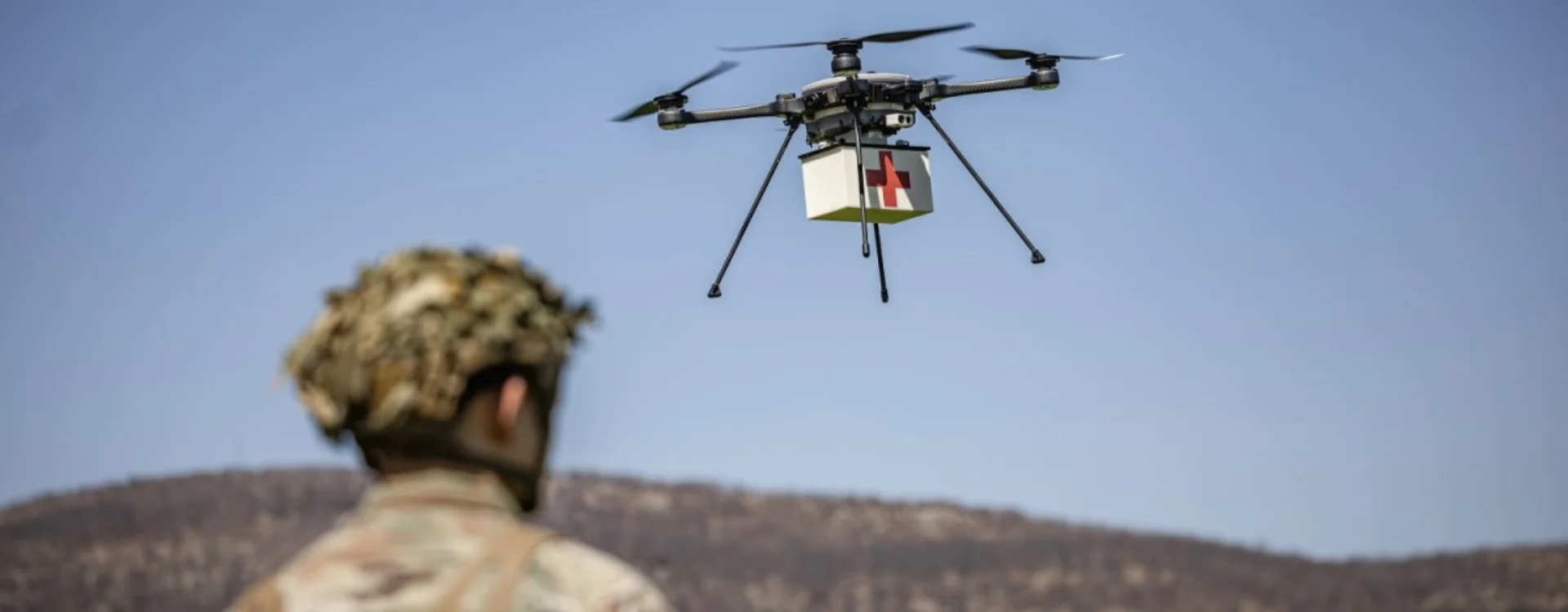
Military superiority refers to a nation's ability to maintain strategic, technological and operational advantages that enhance its capacity to protect national security, defend its interests and support defense objectives. In today's security environment, military superiority is no longer determined solely by the number of personnel or military equipment. The defense industry, artificial intelligence, radar technologies, air defense systems, electronic warfare, cybersecurity, intelligence capabilities and advanced command and control infrastructures have become the fundamental pillars of modern military superiority. As a result, military superiority represents a comprehensive defense capability in which multiple systems operate in an integrated and coordinated manner.
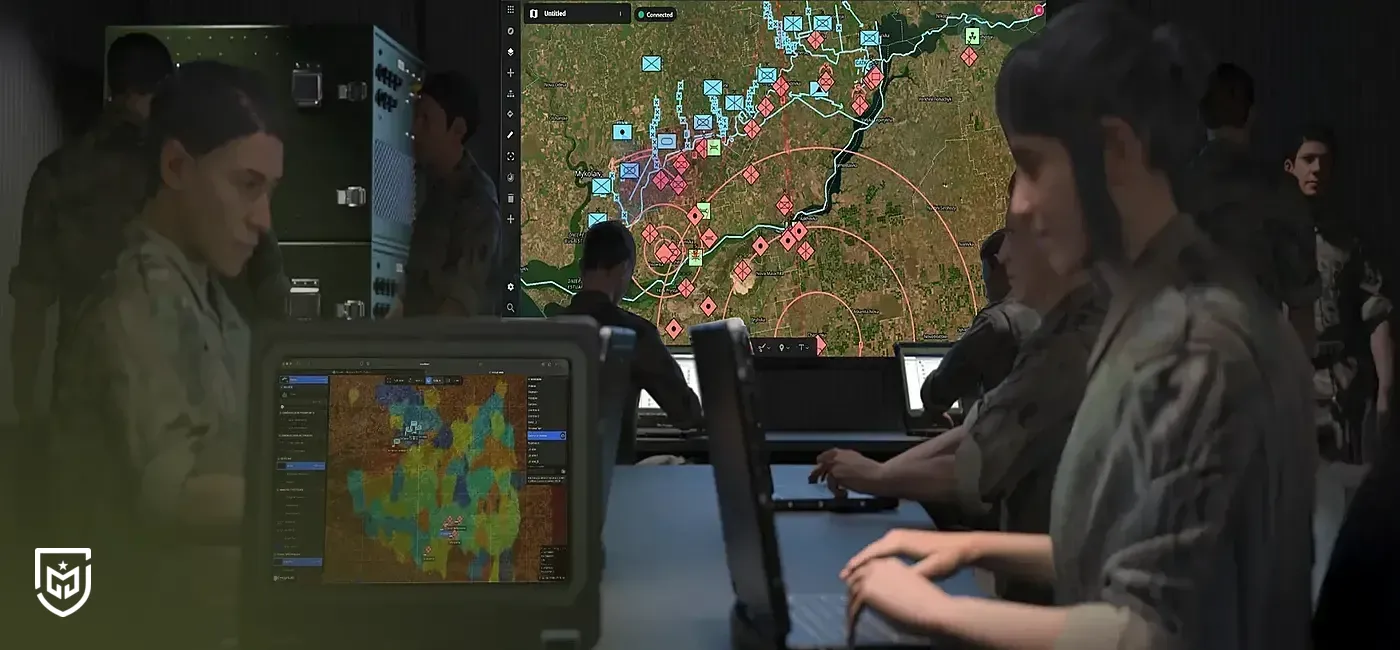
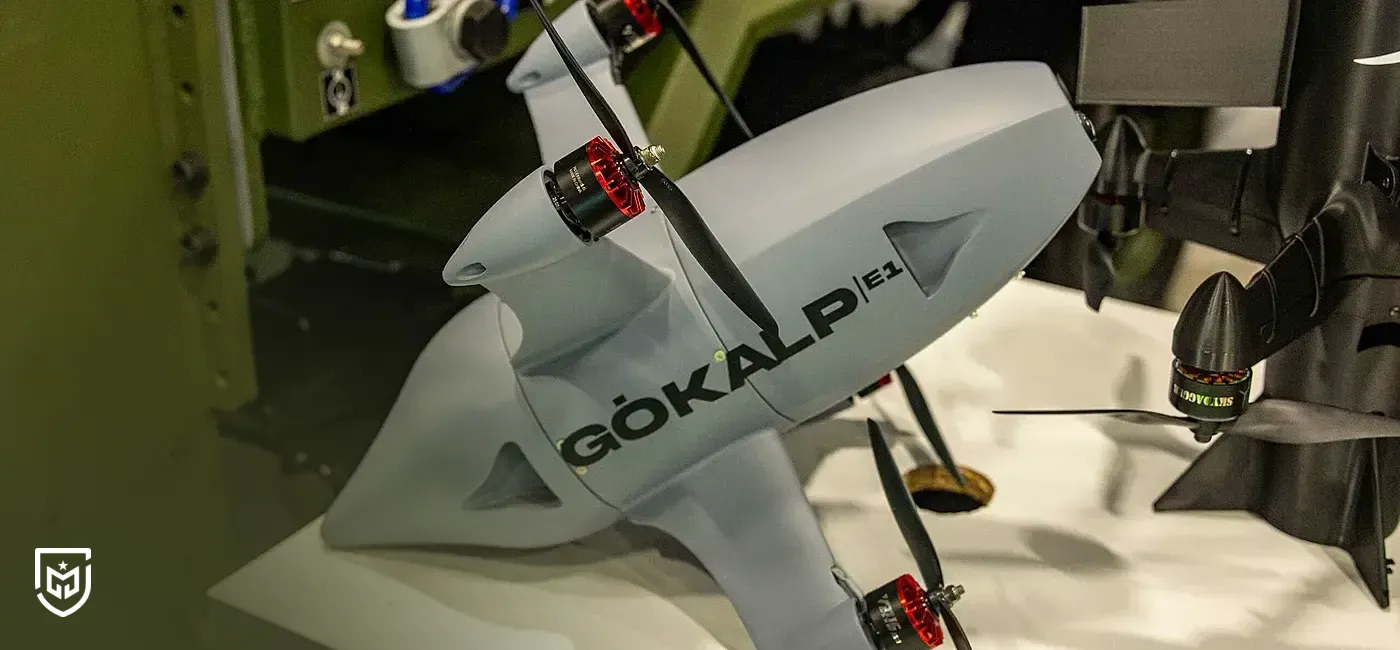
One of the most significant components of military superiority is technological excellence. Advanced radar systems, unmanned aerial vehicles, satellite-supported surveillance platforms, electronic sensors and digital command and control infrastructures enable defense forces to collect, analyze and distribute information more rapidly. This technological integration improves operational effectiveness while supporting faster and more informed decision-making.
Another essential pillar is the defense industry. Domestic manufacturing capabilities, research and development investments, advanced engineering and high-technology production strengthen a country's long-term defense potential. Air defense systems, radar technologies, naval platforms, armored land vehicles and secure communication networks all contribute to sustaining military superiority in an increasingly complex security environment.
Intelligence, reconnaissance and surveillance systems are also vital for achieving military superiority. Radar networks, satellite technologies, electro-optical sensors and advanced data analysis platforms provide decision-makers with comprehensive situational awareness. Artificial intelligence further enhances these capabilities by processing large volumes of information quickly, allowing faster assessments and more effective strategic planning.
Another critical element is cybersecurity and electronic warfare. Protecting communication networks, securing critical infrastructure and safeguarding digital defense systems are essential for maintaining operational effectiveness. Electronic warfare capabilities improve information dominance within the electromagnetic spectrum, while cyber defense solutions strengthen resilience against increasingly sophisticated digital threats.
Logistics and sustainability are equally important for preserving military superiority over time. Fuel supply, maintenance, transportation, technical support and supply chain management ensure that defense systems remain operational during extended missions. Without a resilient logistics infrastructure, even the most advanced defense technologies cannot sustain long-term effectiveness.
In conclusion, military superiority is not simply the possession of advanced defense systems. It represents a comprehensive defense capability built upon the defense industry, artificial intelligence, radar technologies, air defense, electronic warfare, cybersecurity, intelligence, logistics and strategic planning. In the modern security landscape, nations that successfully integrate these elements while continuously investing in innovation and operational readiness are better positioned to maintain strategic advantages and strengthen national defense.


The cookies used on our website are used to provide you with a better user experience and to improve our website. You can manage your cookie preferences from the options below.






 Süheyla Yıldız