BREAKING NEWS
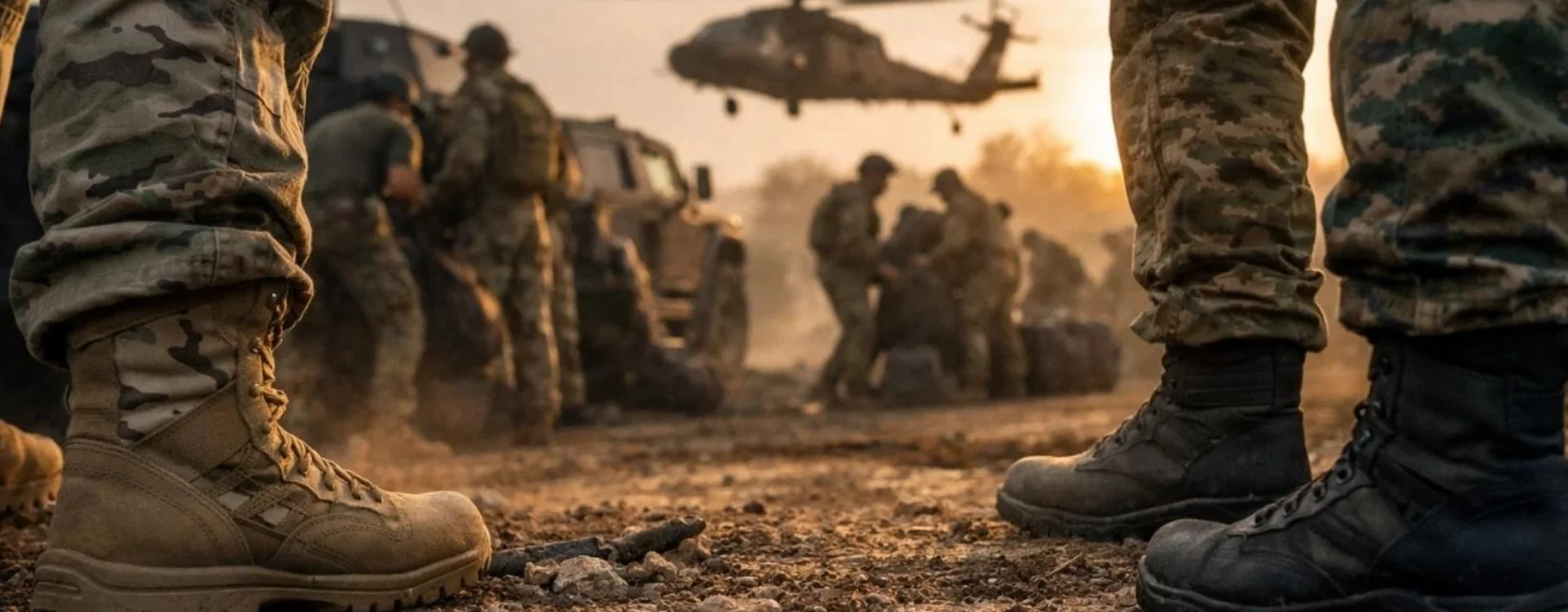
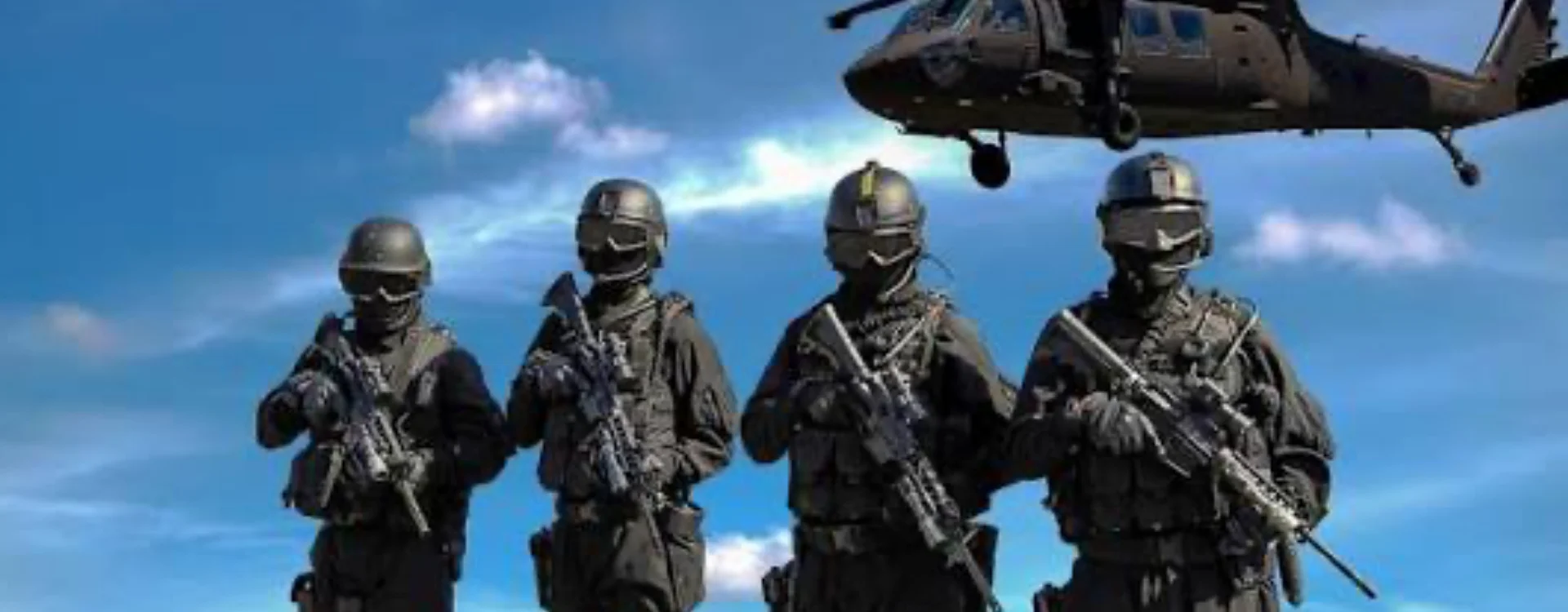
Military capacity refers to the overall ability of a country to protect its national security, strengthen deterrence and effectively carry out defense missions through the combination of human resources, technology, logistics, the defense industry and organizational capabilities. Today, military capacity is no longer measured solely by the number of personnel or military platforms. Artificial intelligence, cybersecurity, radar systems, air defense technologies, electronic warfare, intelligence capabilities and advanced command and control systems have become fundamental components of modern military capacity. As a result, a strong military capacity represents a comprehensive defense structure in which multiple elements operate in an integrated and coordinated manner.
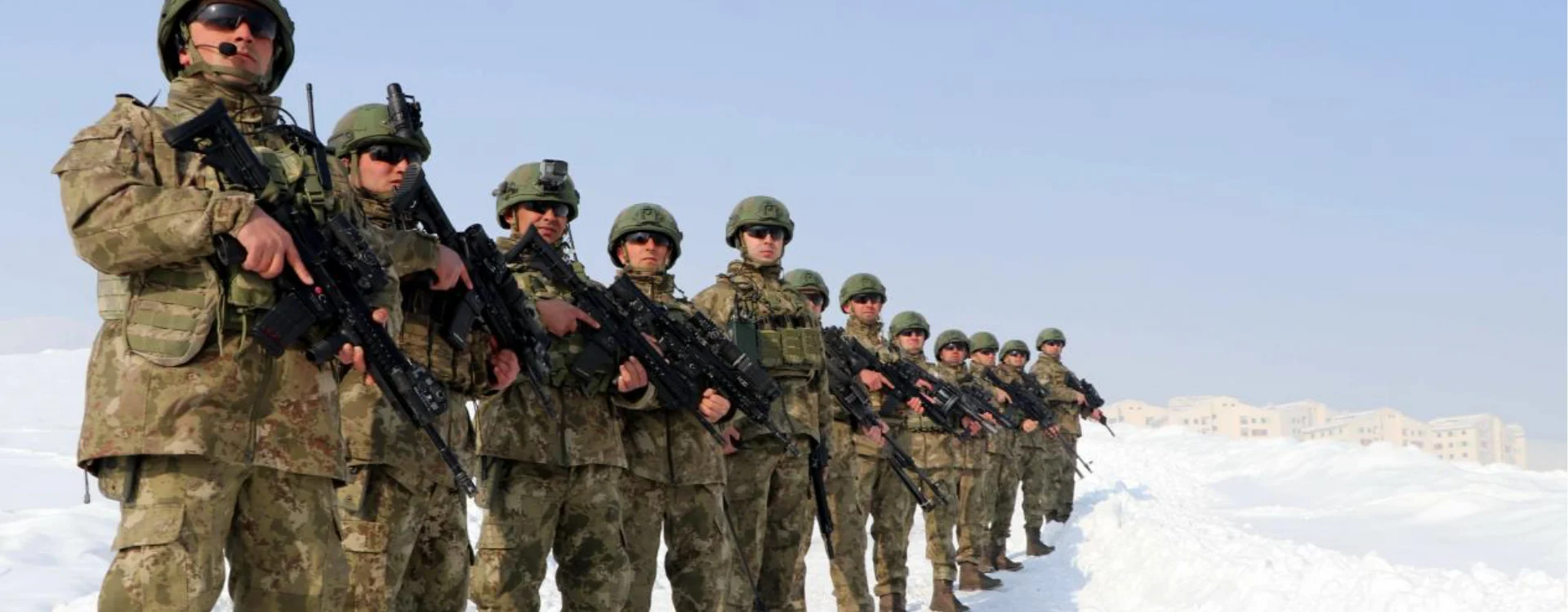
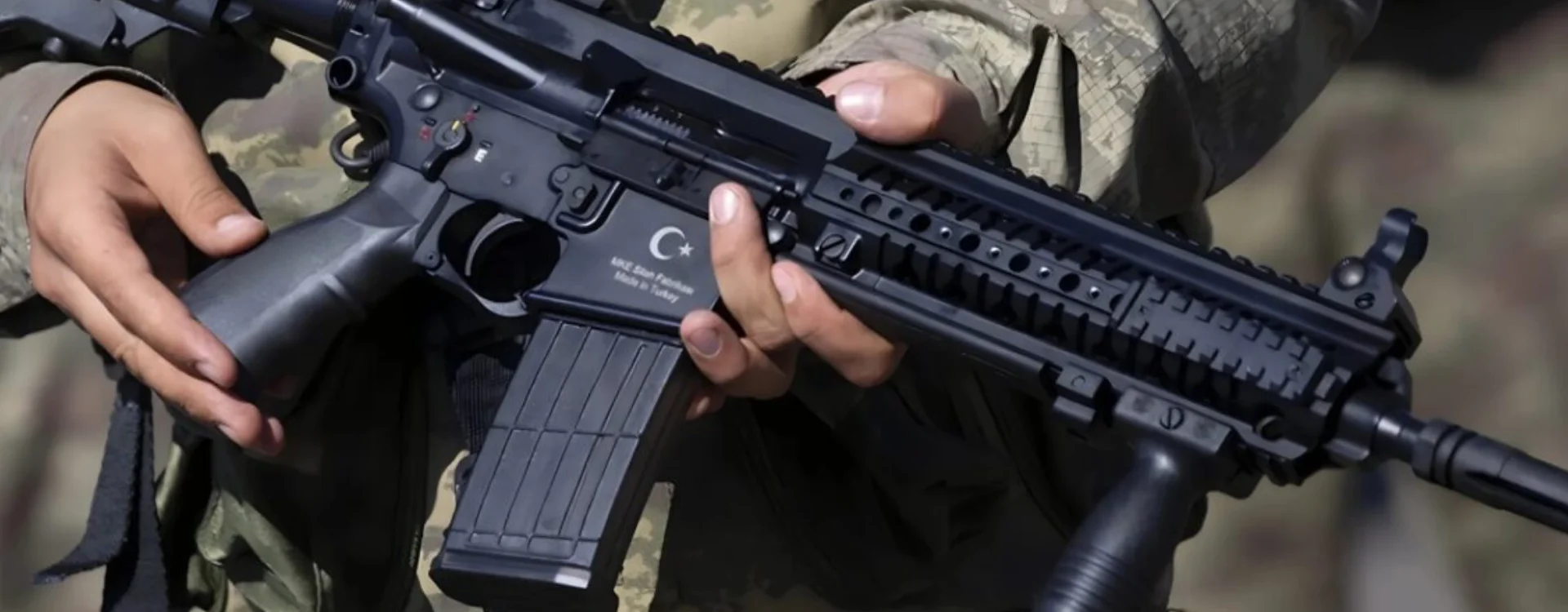
One of the most important elements of military capacity is a highly trained workforce. Skilled personnel, effective leadership and continuous professional training ensure that defense systems can be operated efficiently. No matter how advanced technology becomes, qualified experts are essential for planning, managing and operating modern defense systems.
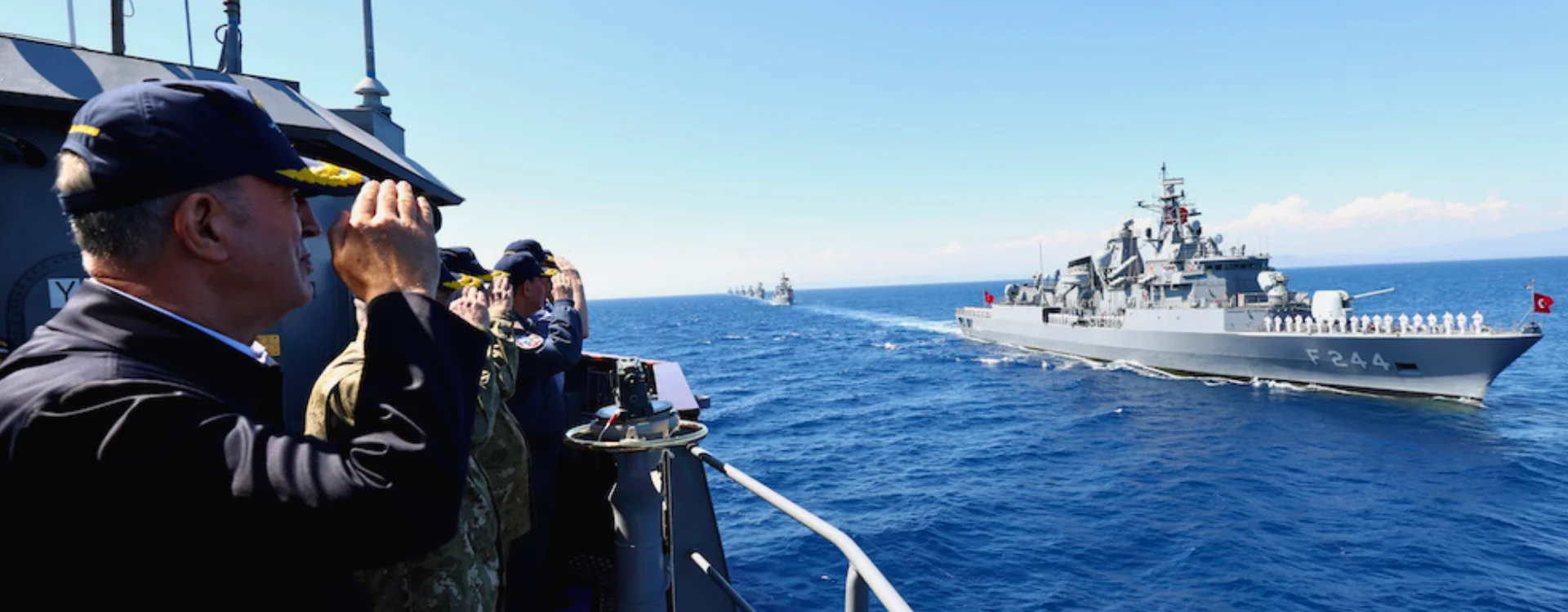
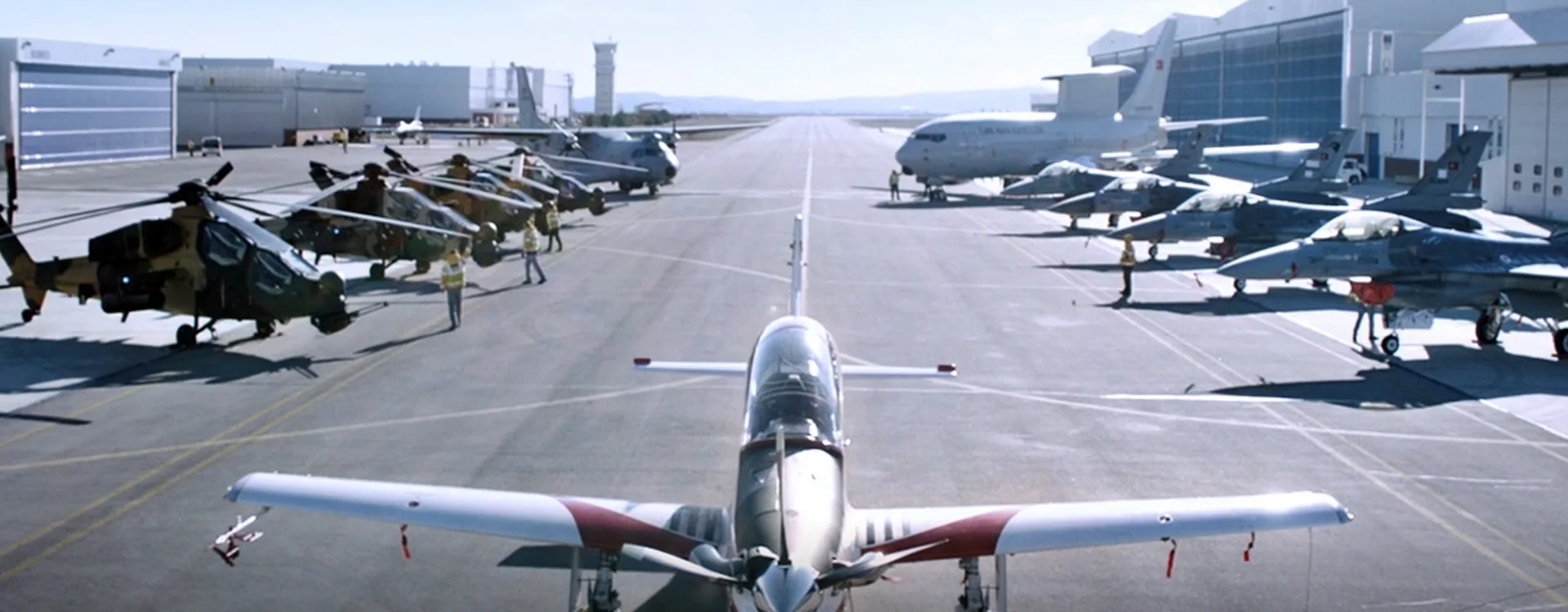
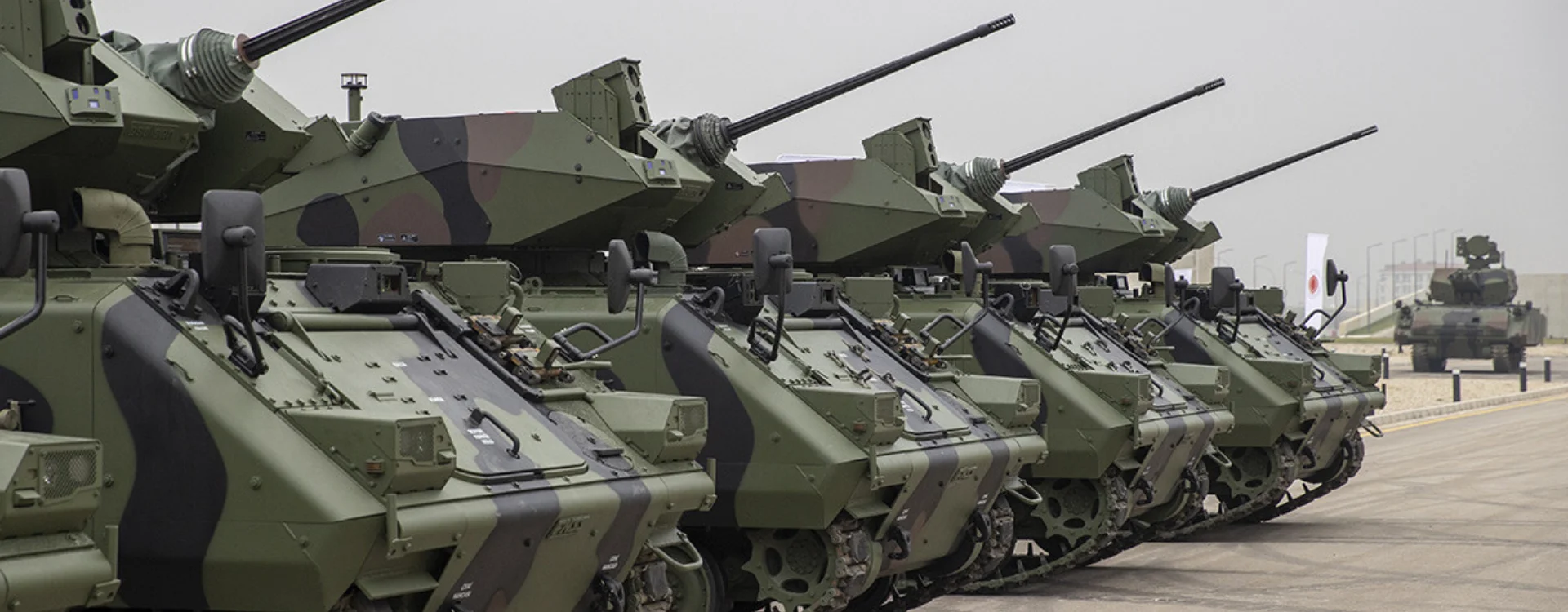
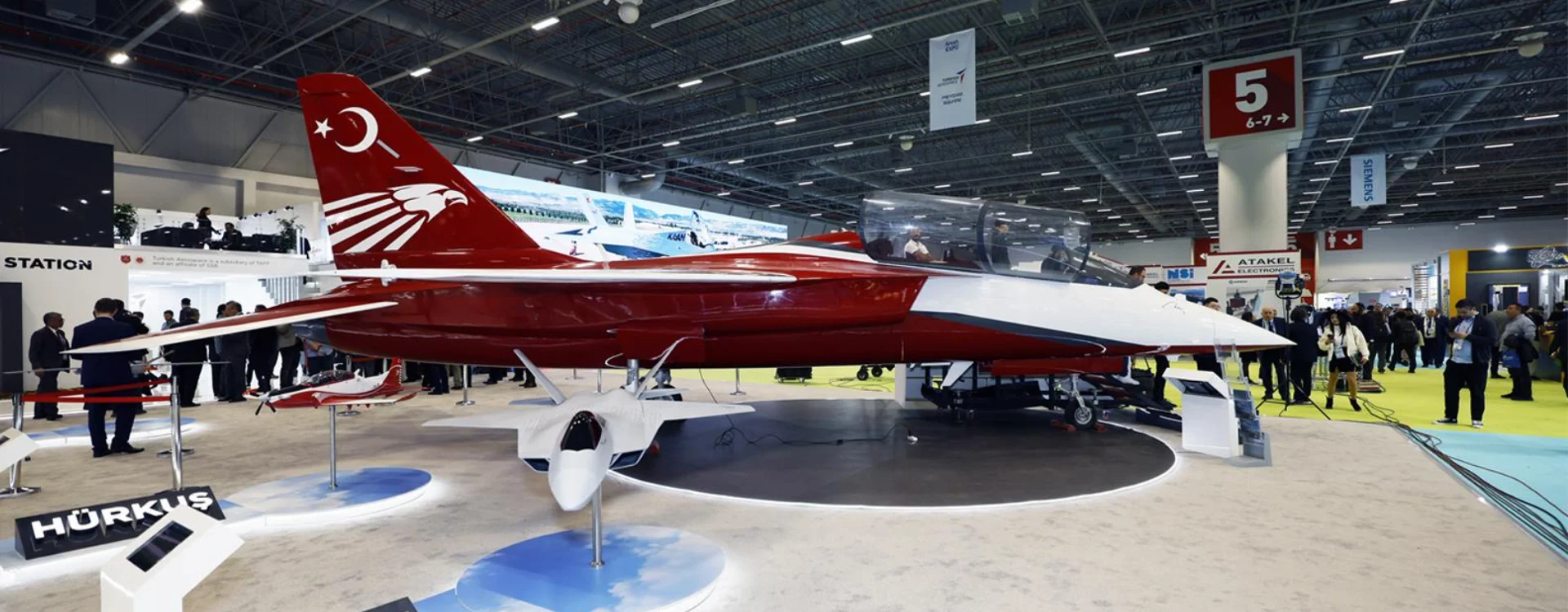
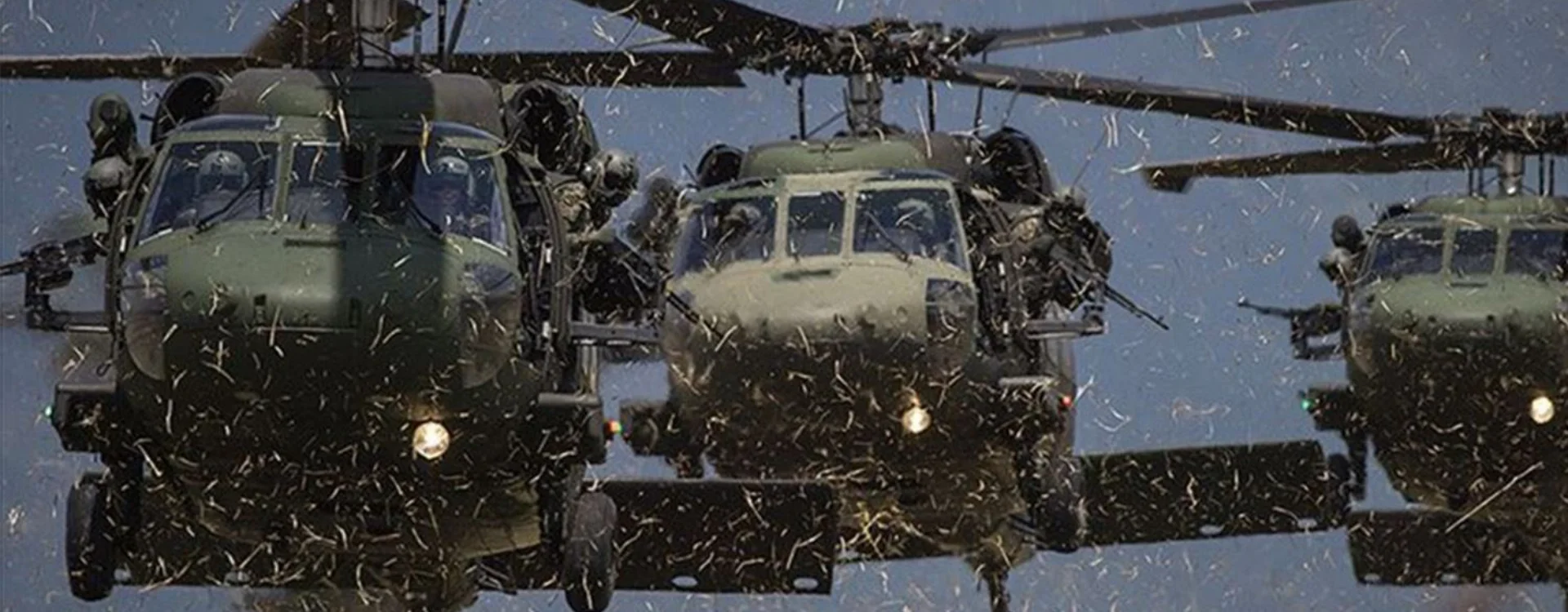
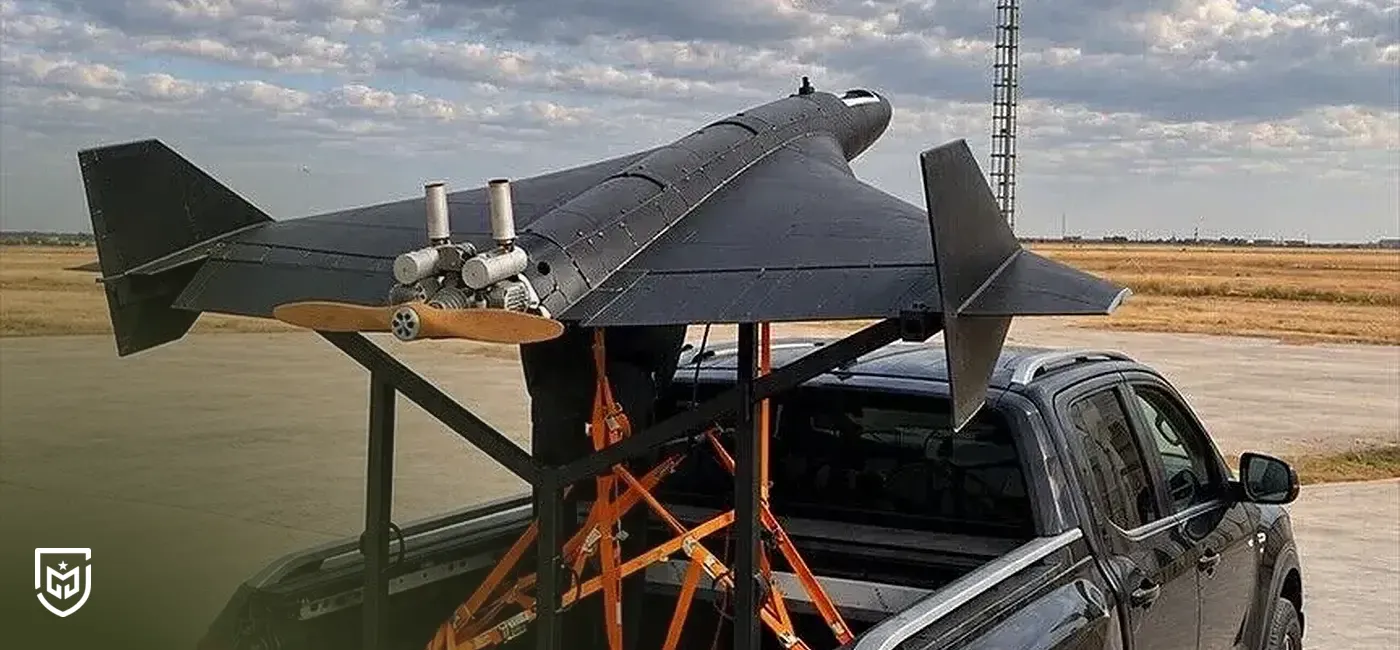
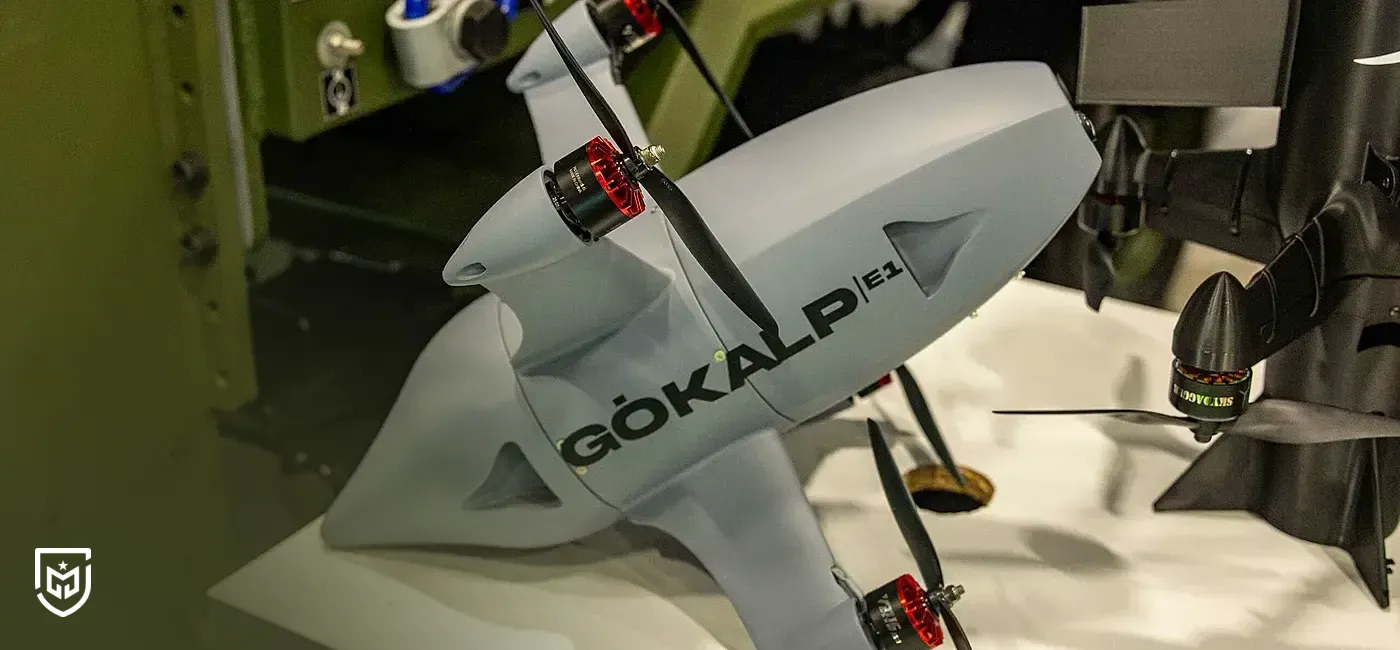
Another key component is the defense industry. Domestic production capabilities, research and development programs, advanced engineering solutions and high-tech manufacturing play a strategic role in meeting national defense requirements. Air defense systems, radar technologies, unmanned aerial vehicles, naval platforms, land vehicles and secure communication systems are among the technologies that significantly strengthen military capacity.
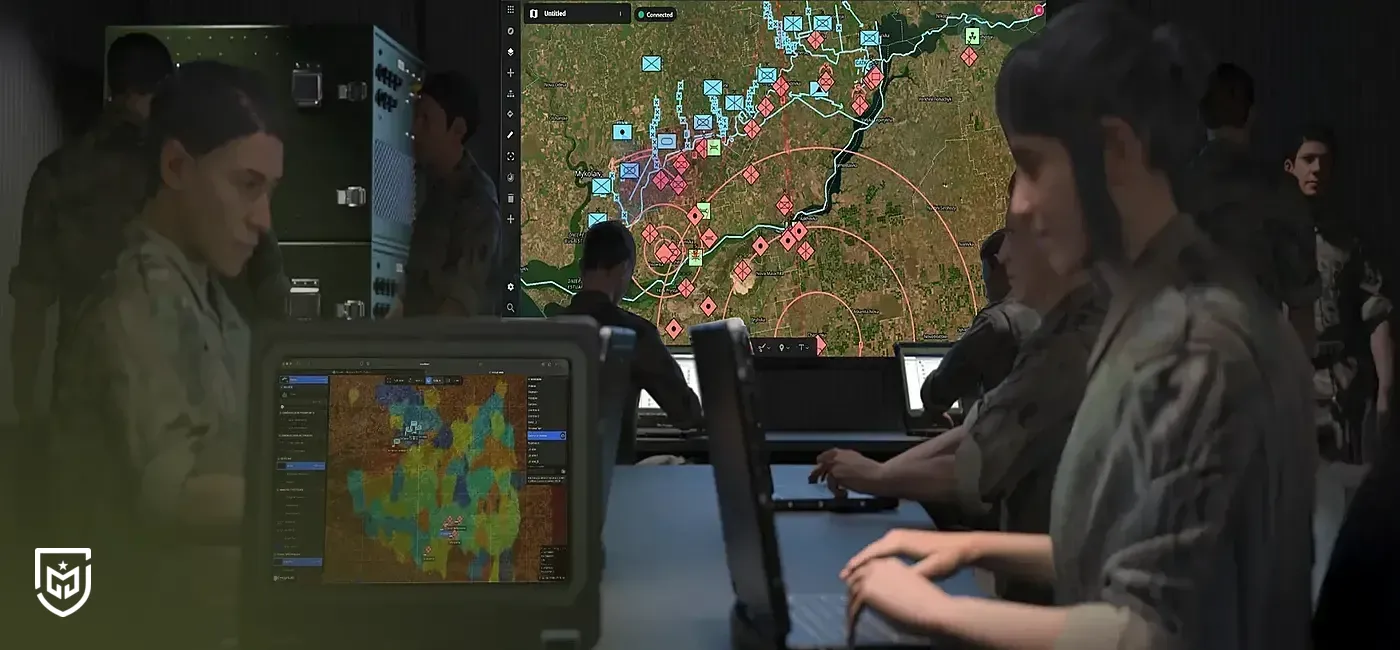
Technology and digital transformation have become indispensable parts of modern military capability. AI-powered analytical systems, big data technologies, sensor fusion, satellite systems and autonomous platforms accelerate decision-making while improving operational awareness. Advanced software platforms and secure data-sharing infrastructures also enable seamless coordination between different defense systems.
Cybersecurity is one of the most critical aspects of military capacity. Protecting communication networks, securing critical information and increasing the resilience of digital infrastructure are essential for ensuring the uninterrupted operation of defense systems. As a result, cyber defense has become an integral part of modern military planning.
Another essential component is logistics and sustainability. Fuel supply, maintenance, transportation, medical support, ammunition management and supply chain operations ensure that defense systems remain operational over extended periods. Without a strong logistics infrastructure, even the most advanced technologies cannot maintain long-term effectiveness.
Intelligence, reconnaissance and surveillance systems also play a vital role in military capacity. Radar systems, satellite technologies, electronic sensors and various data collection platforms provide comprehensive situational awareness by gathering and analyzing information from multiple sources. This enables more effective strategic planning and operational coordination.
As a result, military capacity is not defined solely by the amount of equipment or the size of armed forces. It is a comprehensive defense ecosystem built upon human resources, the defense industry, advanced technology, artificial intelligence, cybersecurity, electronic warfare, logistics, intelligence and strategic planning. In today's rapidly evolving security environment, a strong military capacity depends on a nation's ability to innovate, efficiently manage its resources and integrate all defense components into a unified and effective system.


The cookies used on our website are used to provide you with a better user experience and to improve our website. You can manage your cookie preferences from the options below.




 Süheyla Yıldız