BREAKING NEWS
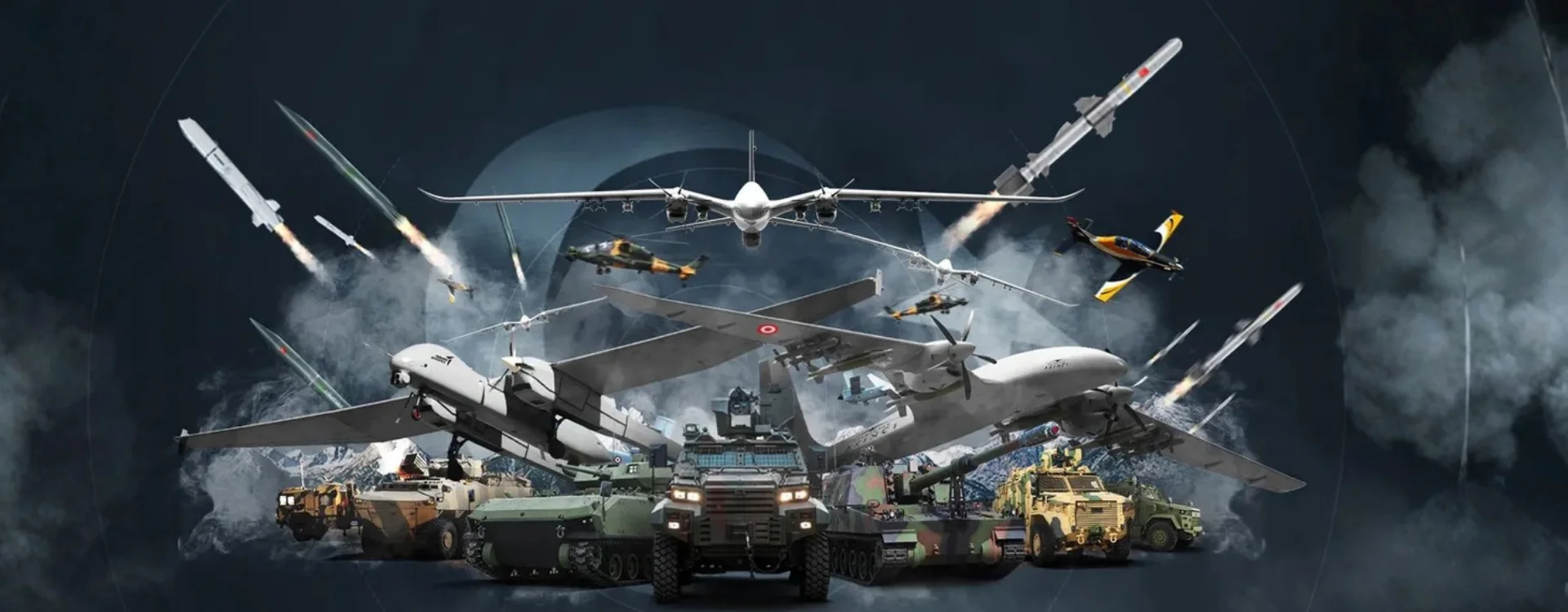
ITAR in defense exports, meaning International Traffic in Arms Regulations, is a U.S. regulation that strictly controls the international transfer of defense industry products. This system aims to prevent the uncontrolled distribution of military equipment, software, and technical data. For companies involved in defense projects, ITAR is not only a regulation but also a critical compliance requirement that directly affects export processes. When a product or component subject to ITAR is used, the destination country, export conditions, end user, and permitted use are examined in detail.
From a technical perspective, ITAR covers U.S.-origin defense articles and related technical information. Products within this scope are generally listed under the USML (United States Munitions List), and separate licensing procedures may apply for each controlled item. If a product contains an ITAR-controlled component, it may still be subject to ITAR rules even if the final product is manufactured in another country. This creates an important risk management area for companies operating in international supply chains. Even a small component subject to ITAR can affect the export process of the entire product.
ITAR compliance in defense exports requires companies to be careful not only in product development, but also in areas such as data management, employee access, and business partnerships. For example, sharing ITAR-controlled technical data with foreign nationals may lead to serious penalties. For this reason, companies often establish access control systems, provide personnel training, and manage data security processes strictly. In addition, the destination country, end user, and intended use are carefully reviewed before export approval.
The consequences of ITAR violations can be severe. Companies may face financial penalties, export restrictions, and in some cases even the suspension of international business activities. Therefore, for companies operating in the defense industry, ITAR compliance is not only a legal obligation but also a strategic risk management issue. For businesses aiming to operate in the global market, managing ITAR processes correctly is one of the key elements of sustainable growth.
In conclusion, ITAR is one of the most important regulations defining the rules of international trade in defense exports. When applied correctly, it provides companies with reliability and global business opportunities; when managed incorrectly, it can lead to serious sanctions. For this reason, every company operating in the defense sector must understand ITAR processes, apply them accurately, and shape its operations accordingly.


The cookies used on our website are used to provide you with a better user experience and to improve our website. You can manage your cookie preferences from the options below.






 Süheyla Yıldız