BREAKING NEWS

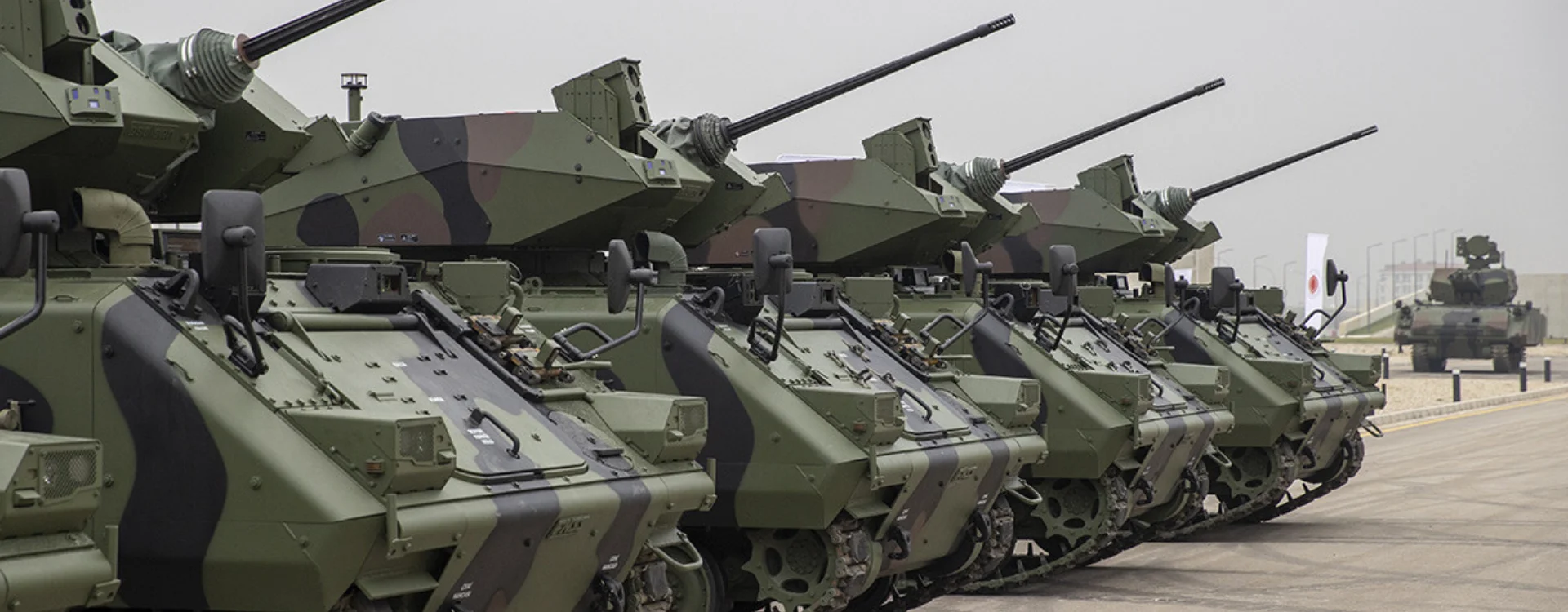
Critical technology independence refers to a country’s ability to develop and maintain essential technologies—such as defense systems, communication infrastructure, energy solutions, and advanced manufacturing—without relying on foreign sources. In today’s highly competitive global landscape, nations increasingly recognize the risks of technological dependency. As a result, investing in domestic innovation is no longer just an economic strategy but a core element of national security.
From a deeper perspective, critical technology independence spans a wide range of sectors including semiconductors, artificial intelligence, cybersecurity, and space technologies. Dependence on external suppliers in these areas can create serious vulnerabilities, especially during geopolitical crises or trade restrictions. That’s why countries are prioritizing strong R&D ecosystems, boosting local production capabilities, and fostering collaboration between academia and industry. Domestic innovation, skilled workforce development, and sustainable technological growth form the foundation of true independence. Historical examples of technology embargoes have clearly demonstrated how vital it is for nations to control their own technological future.


The cookies used on our website are used to provide you with a better user experience and to improve our website. You can manage your cookie preferences from the options below.






 Süheyla Yıldız