BREAKING NEWS

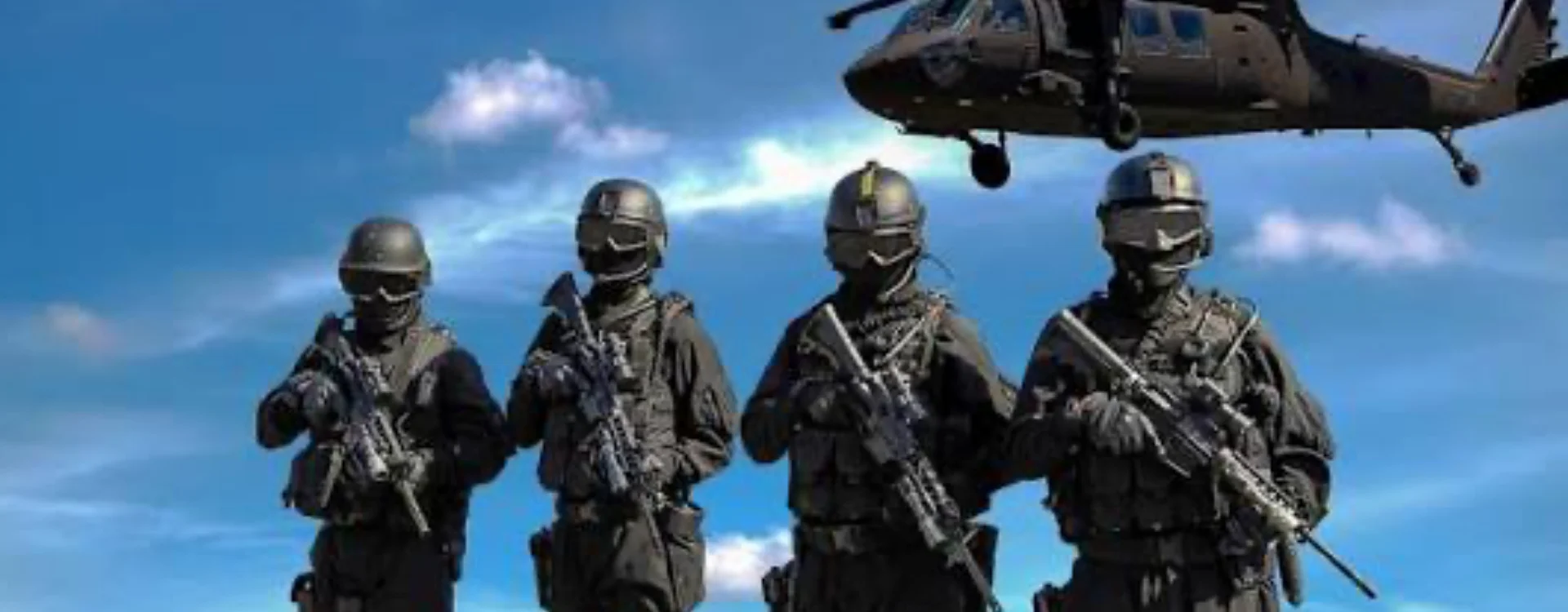
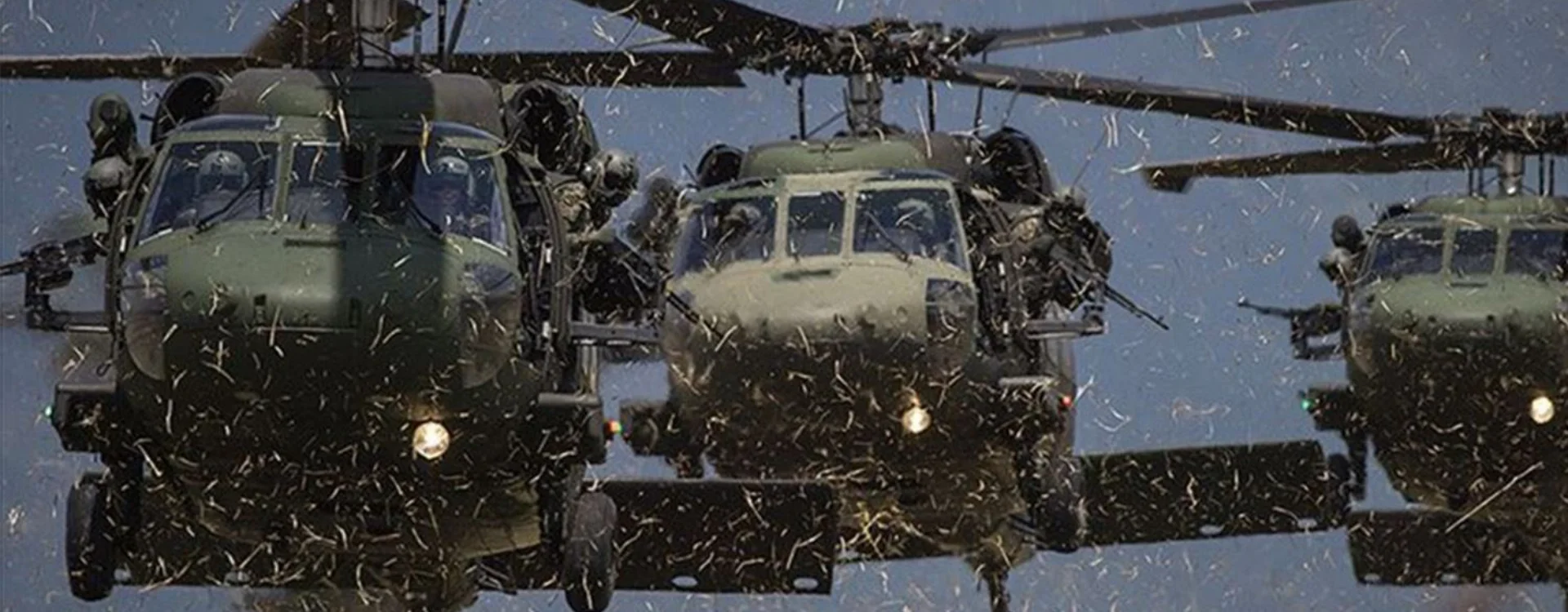
An arms race refers to the process in which two or more countries continuously invest in military technologies, defense systems and strategic capabilities to strengthen their security, deterrence and defense capacity. Throughout history, arms races have significantly influenced not only the balance of military power but also technological development, economic policies, diplomatic relations and international security. Today, an arms race is no longer limited to the production of conventional weapons. Artificial intelligence, cybersecurity, space technologies, electronic warfare, air defense systems, radar networks and unmanned platforms have become some of the most important areas of competition in modern defense.
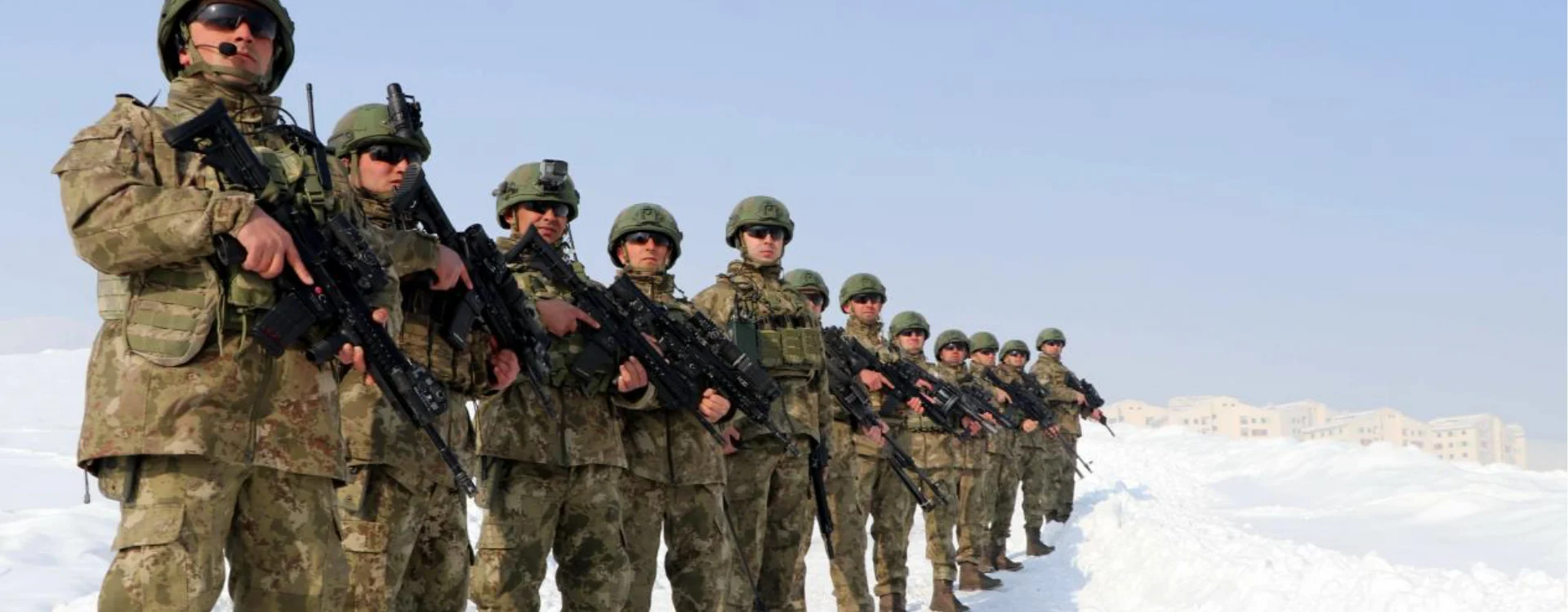
In today's defense environment, an arms race is viewed as an effort by nations to develop stronger and more technologically advanced defense infrastructures capable of responding to evolving security challenges. Land, air and naval forces are supported by sophisticated command and control systems, early warning networks and secure communication infrastructures that improve operational effectiveness. As a result, technological superiority has become a major strategic advantage for countries seeking to enhance their national defense capabilities.
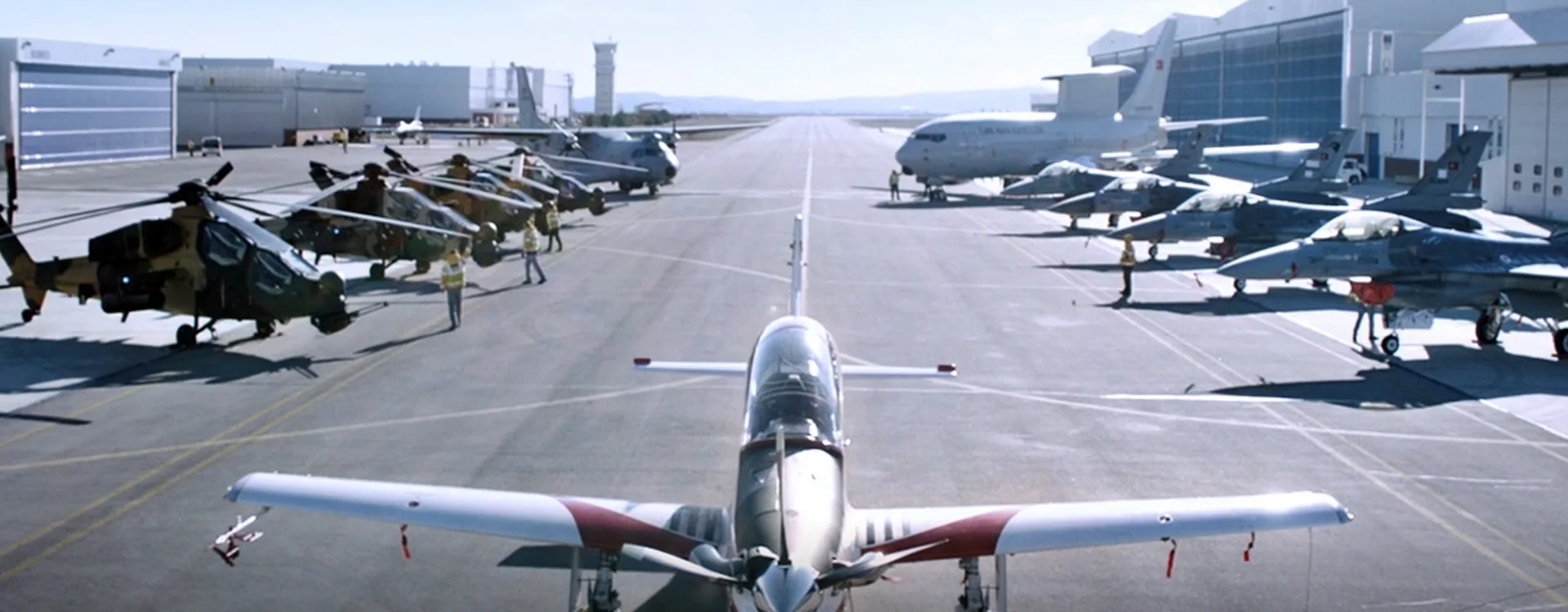
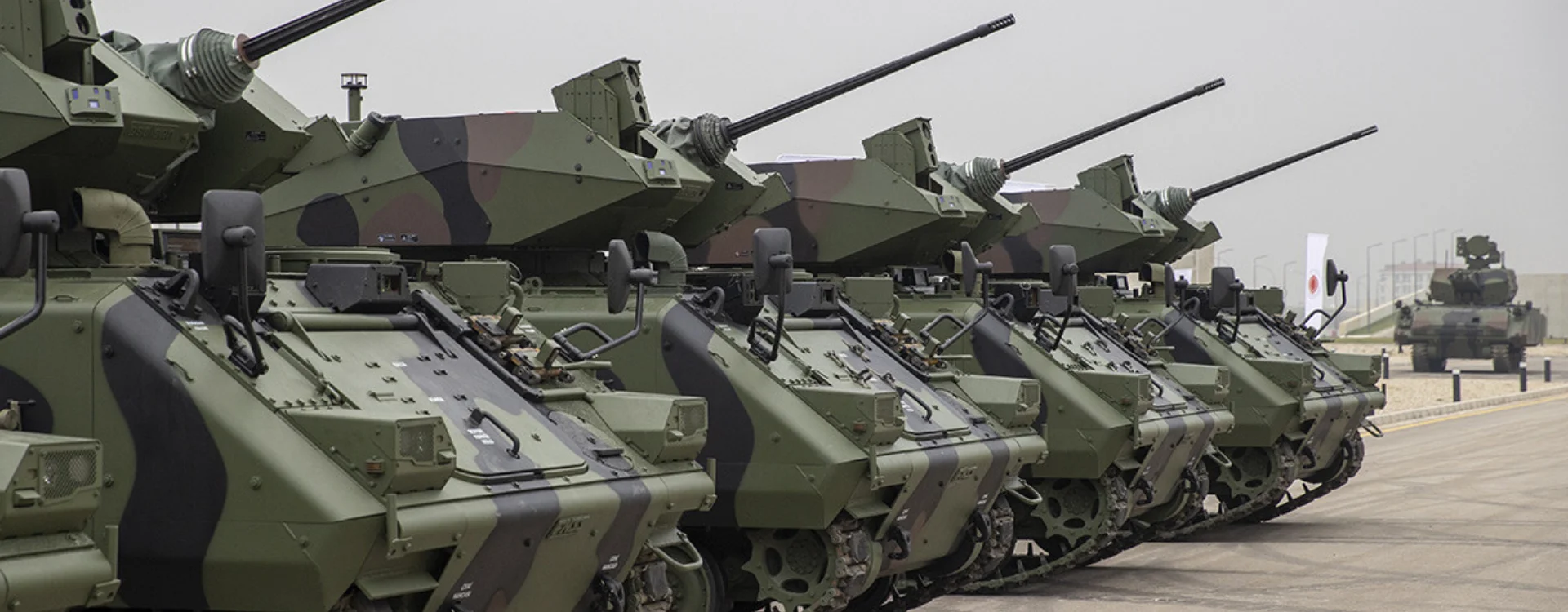
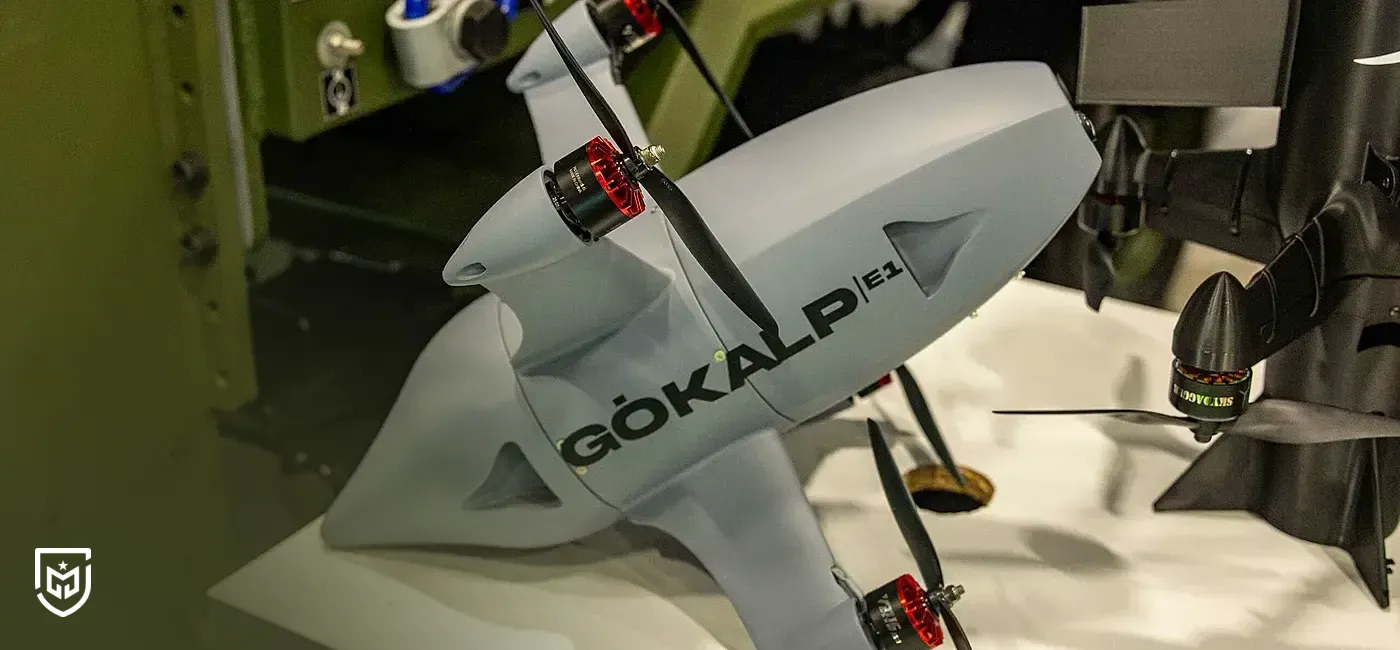
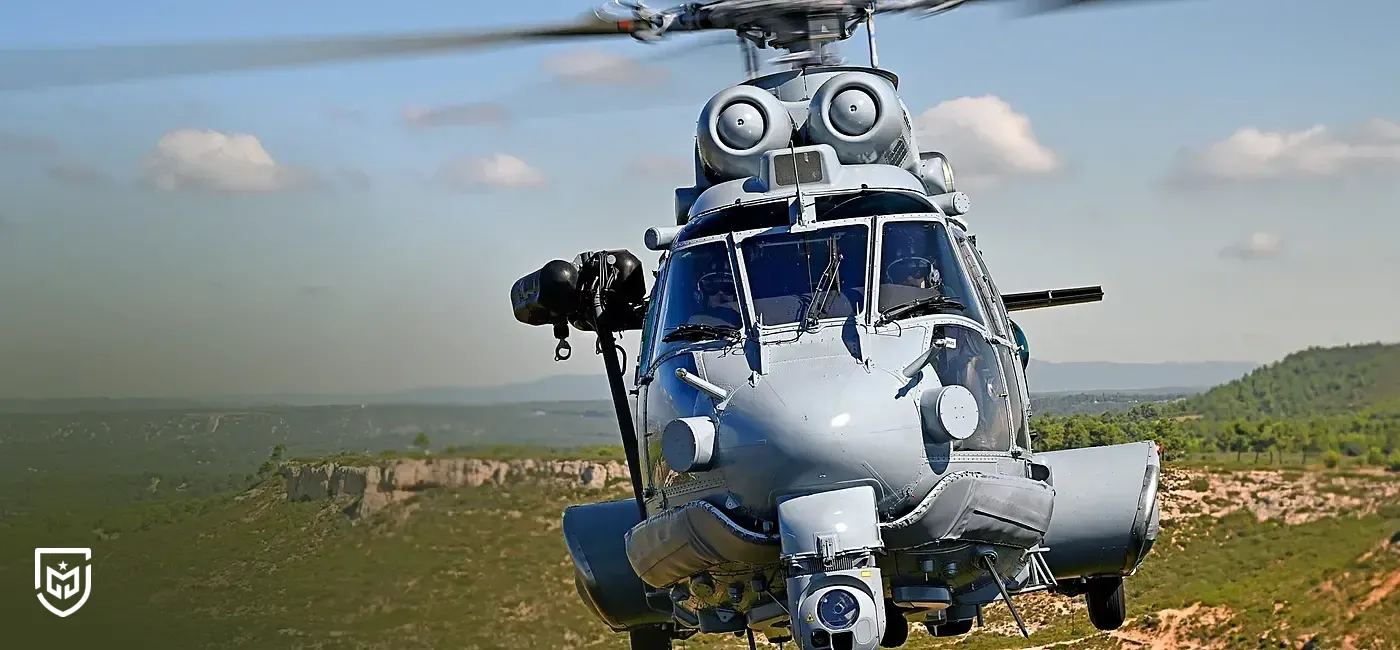
One of the key dimensions of an arms race is the development of the defense industry. Investments in research and development, domestic manufacturing capabilities, advanced engineering and high-technology production enable countries to design and produce next-generation defense systems. Radar technologies, air defense systems, unmanned aerial vehicles, naval platforms and advanced electronic sensors are among the innovations driving this technological transformation.
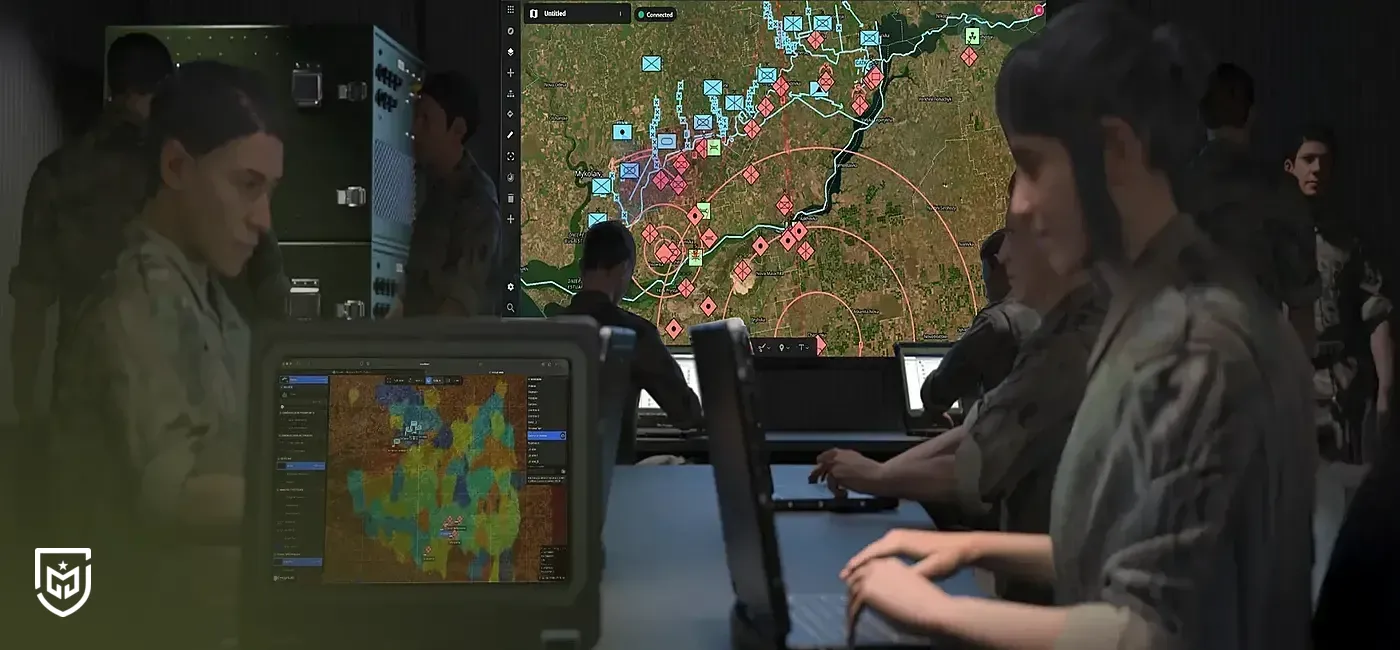
Artificial intelligence and digital technologies are reshaping the future of military competition. Big data analytics, autonomous systems, sensor fusion, decision-support software and advanced command and control infrastructures allow defense organizations to analyze information faster and coordinate operations more efficiently. These technologies significantly improve situational awareness and support more effective defense planning.
Another critical area is cybersecurity and electronic warfare. Protecting communication networks, digital infrastructure and critical national systems has become an essential element of national security. Electronic warfare capabilities and cyber defense solutions enhance resilience against digital threats while strengthening the overall effectiveness of modern defense strategies.
An arms race also has significant economic and technological implications. Investments in the defense sector often drive innovation across engineering, software development, materials science, aerospace and advanced manufacturing industries. In addition, these developments influence international partnerships, defense cooperation and long-term strategic planning among nations.
In conclusion, an arms race is far more than the development of additional defense systems. It represents a broad strategic competition shaped by the defense industry, artificial intelligence, radar technologies, air defense, electronic warfare, cybersecurity, space technologies and comprehensive defense planning. In today's rapidly changing global security environment, countries that successfully embrace technological innovation and continuously strengthen their defense capabilities are better positioned to maintain long-term security and strategic influence.


The cookies used on our website are used to provide you with a better user experience and to improve our website. You can manage your cookie preferences from the options below.





 Süheyla Yıldız