BREAKING NEWS
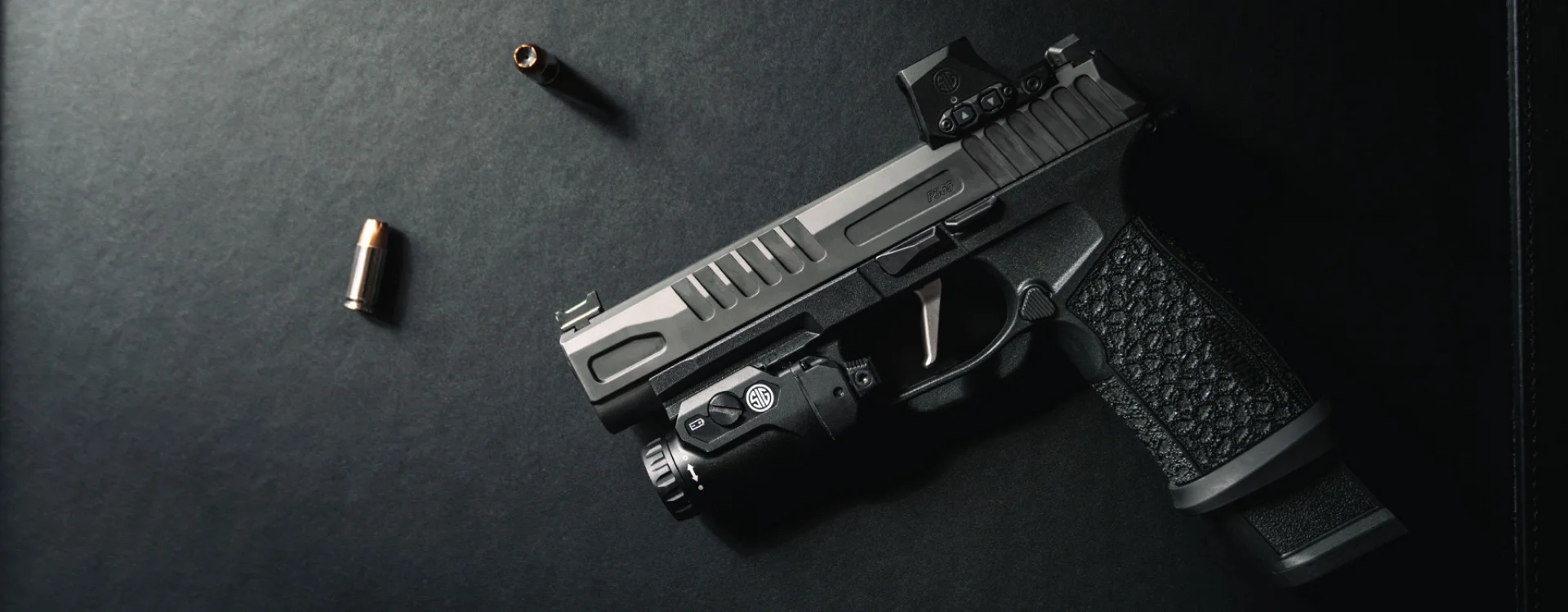
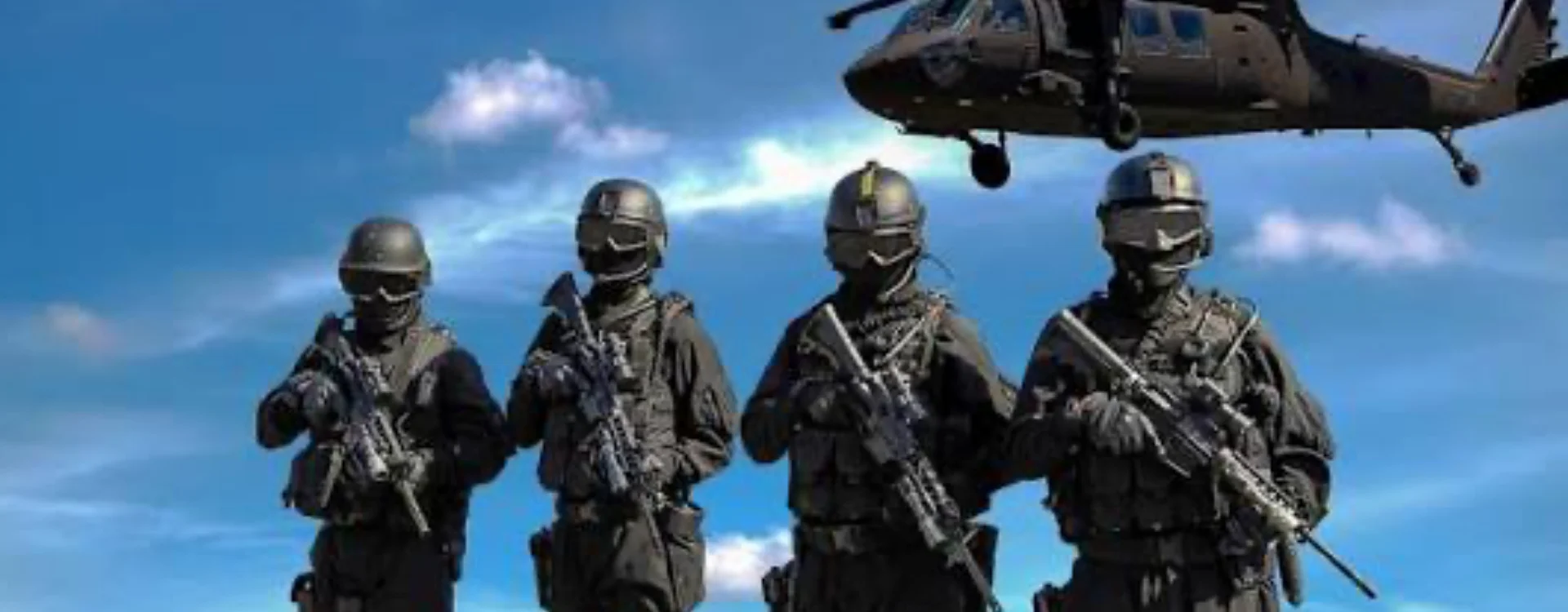
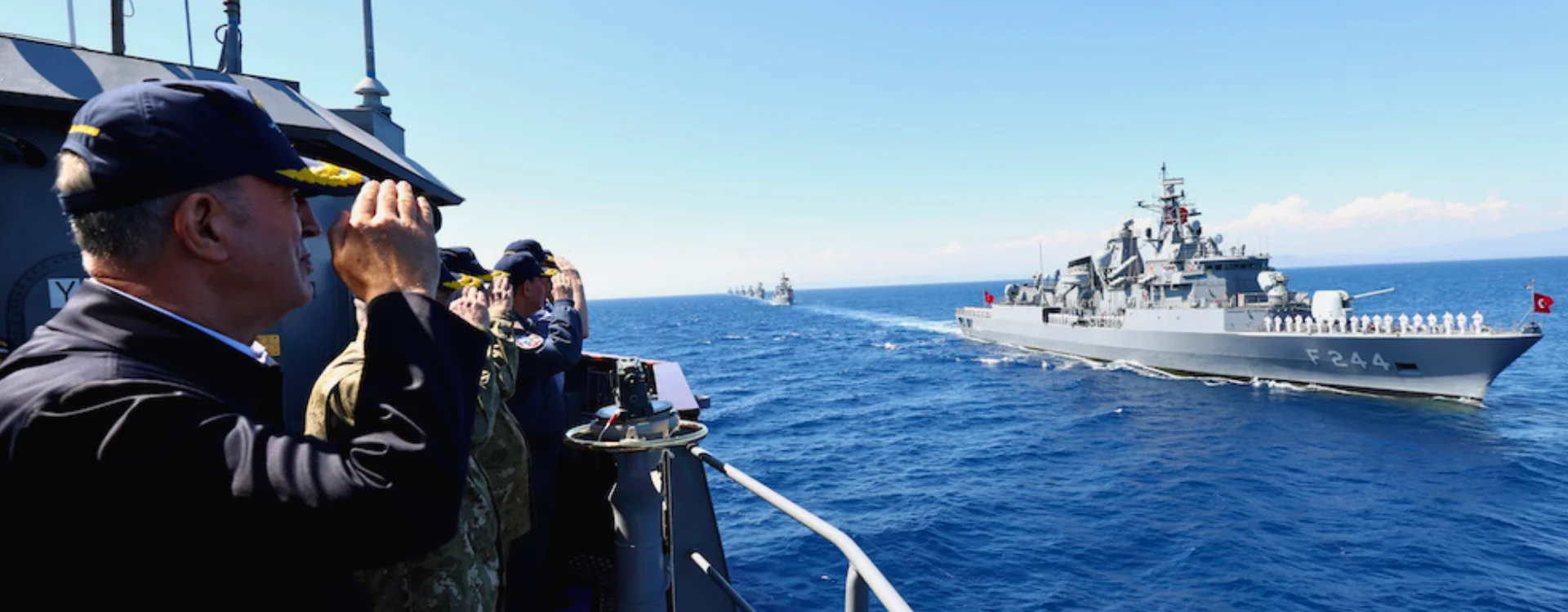
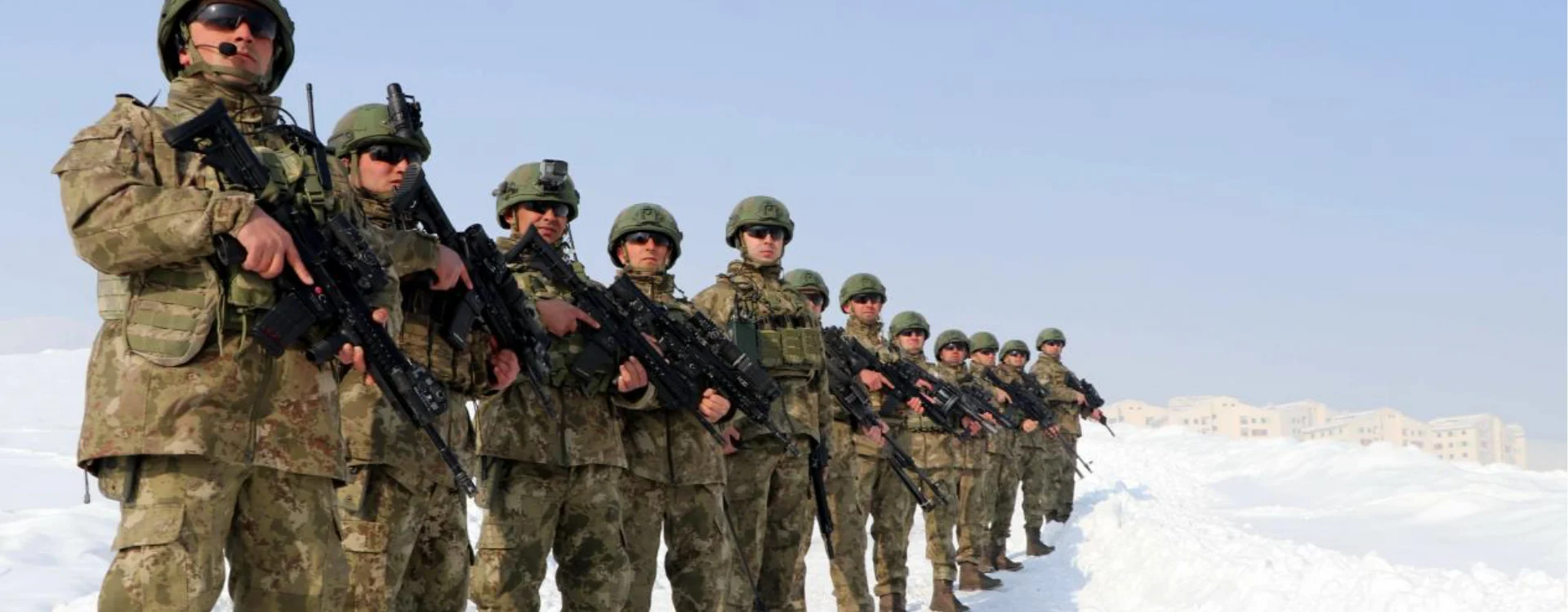
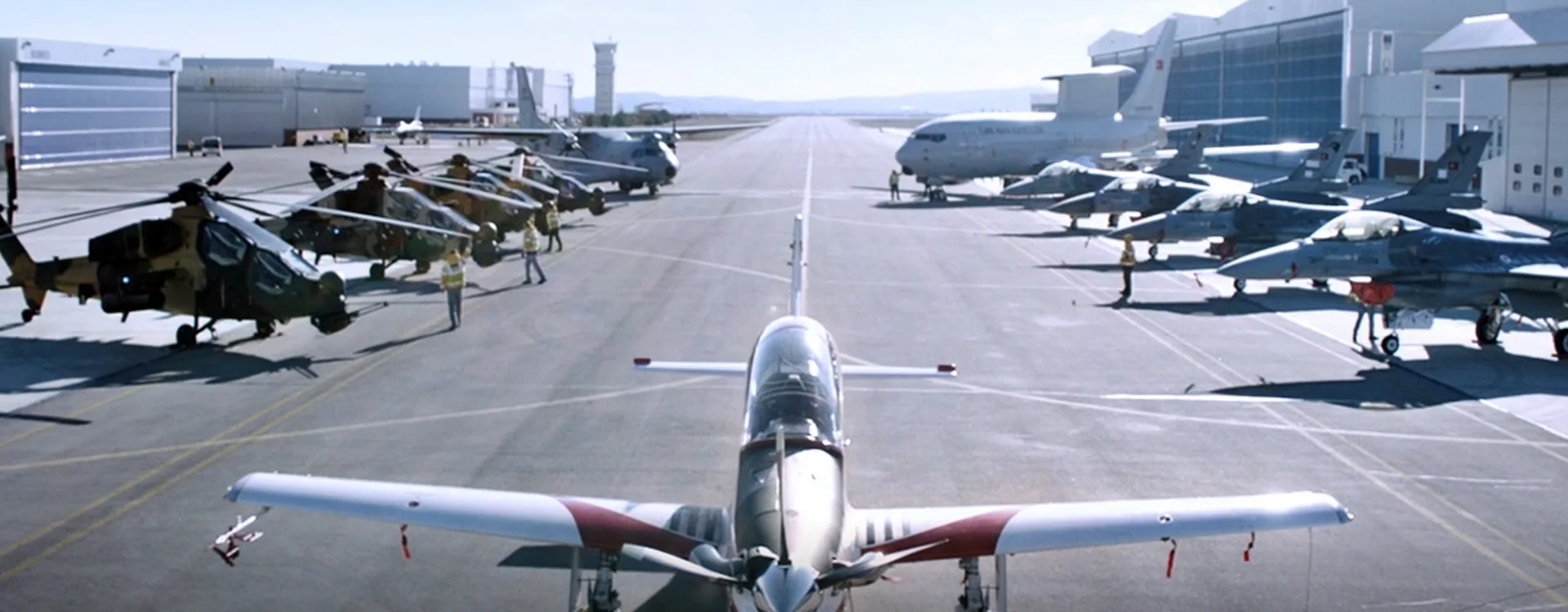
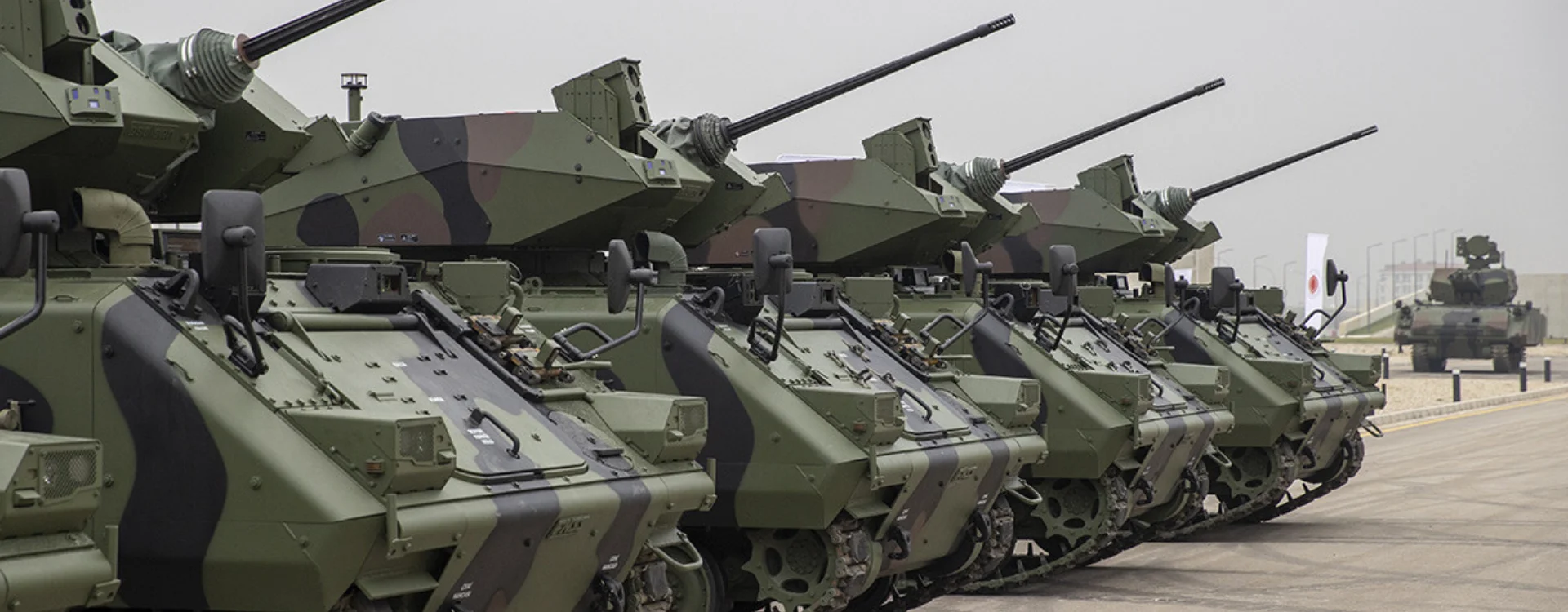
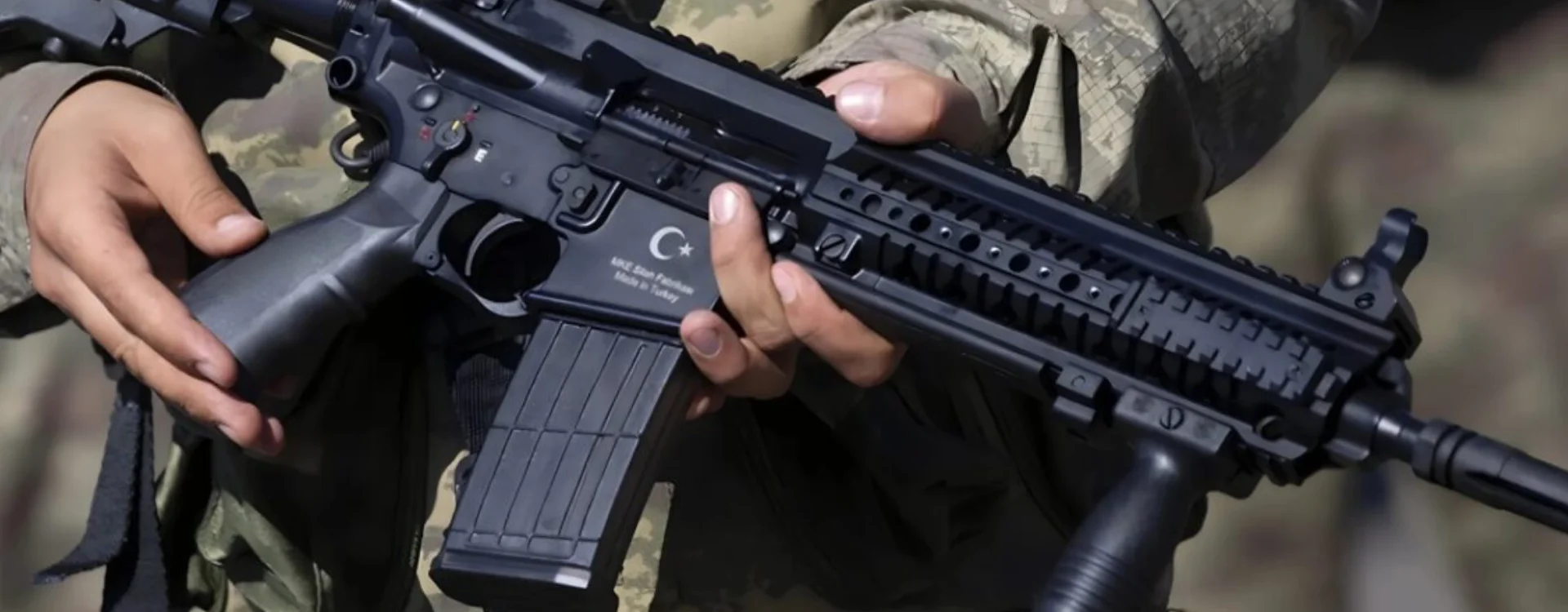
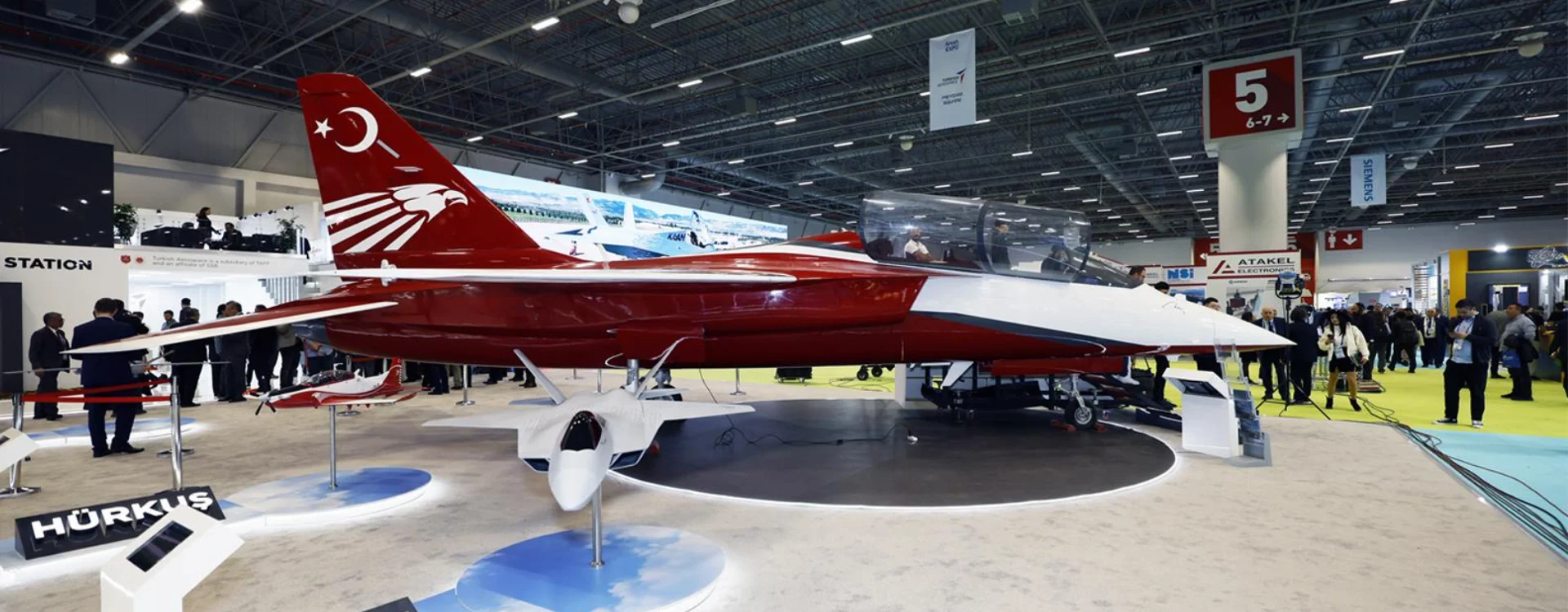
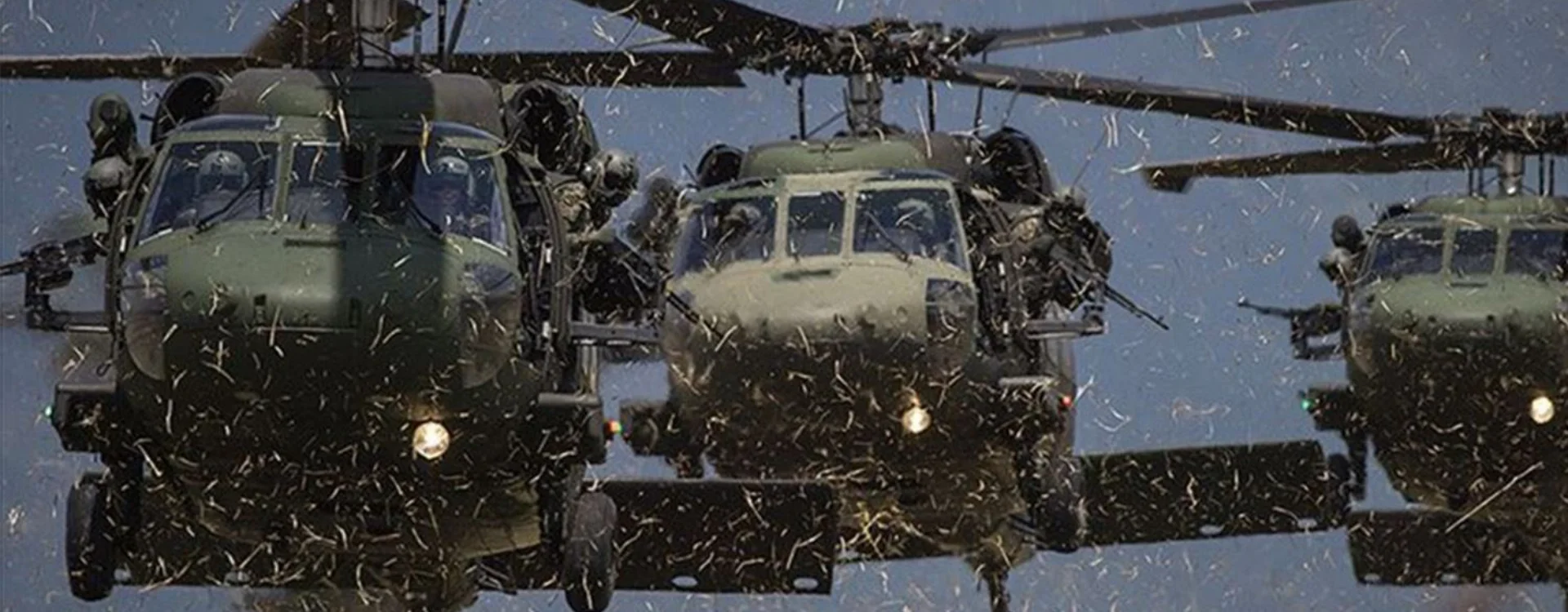
Tactical weapons refer to defense systems designed to support specific operational objectives and enhance the effectiveness of military missions in the field. Rather than describing a single type of weapon, the term covers a wide range of platforms and systems used in land, air and naval operations. Today, tactical systems are no longer limited to physical platforms. They operate as part of an integrated defense network that includes radar technologies, electronic sensors, secure communication infrastructures, command and control systems and AI-supported analytical solutions, making them an essential component of modern defense.
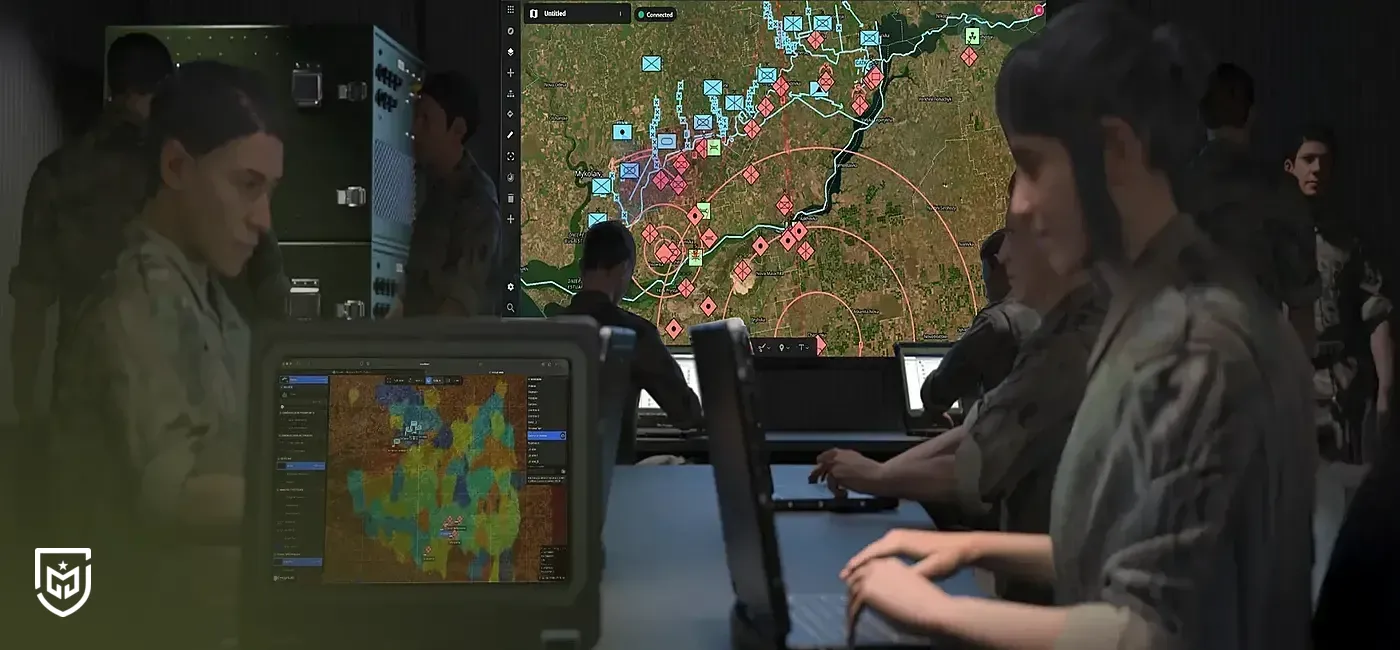
The primary purpose of tactical systems in modern defense is to improve situational awareness, support rapid decision-making and enhance coordination during operations. To achieve this, land, air and naval forces work together through advanced communication networks and integrated command and control centers. Data collected from multiple platforms can be combined into a shared operational picture, allowing faster and more effective operational planning.
One of the key components of tactical defense capability is reconnaissance, surveillance and intelligence systems. Information gathered from radars, electro-optical sensors, satellite-supported observation systems and unmanned platforms is analyzed to provide decision-makers with comprehensive situational awareness. This enables more efficient planning and execution of operations.
Electronic warfare and communication systems are also indispensable elements of modern tactical operations. Secure communication infrastructures strengthen coordination between units, while electronic support and protection systems enhance awareness within the electromagnetic environment. AI-powered data analysis can process large volumes of information in a short time, helping operators evaluate complex situations more efficiently.
Another important aspect is logistics and operational mobility. To sustain tactical defense activities, maintenance, transportation, fuel supply, logistics and technical support must be carefully planned and managed. A strong logistics infrastructure ensures that defense systems remain operational and capable of performing their assigned missions without interruption.
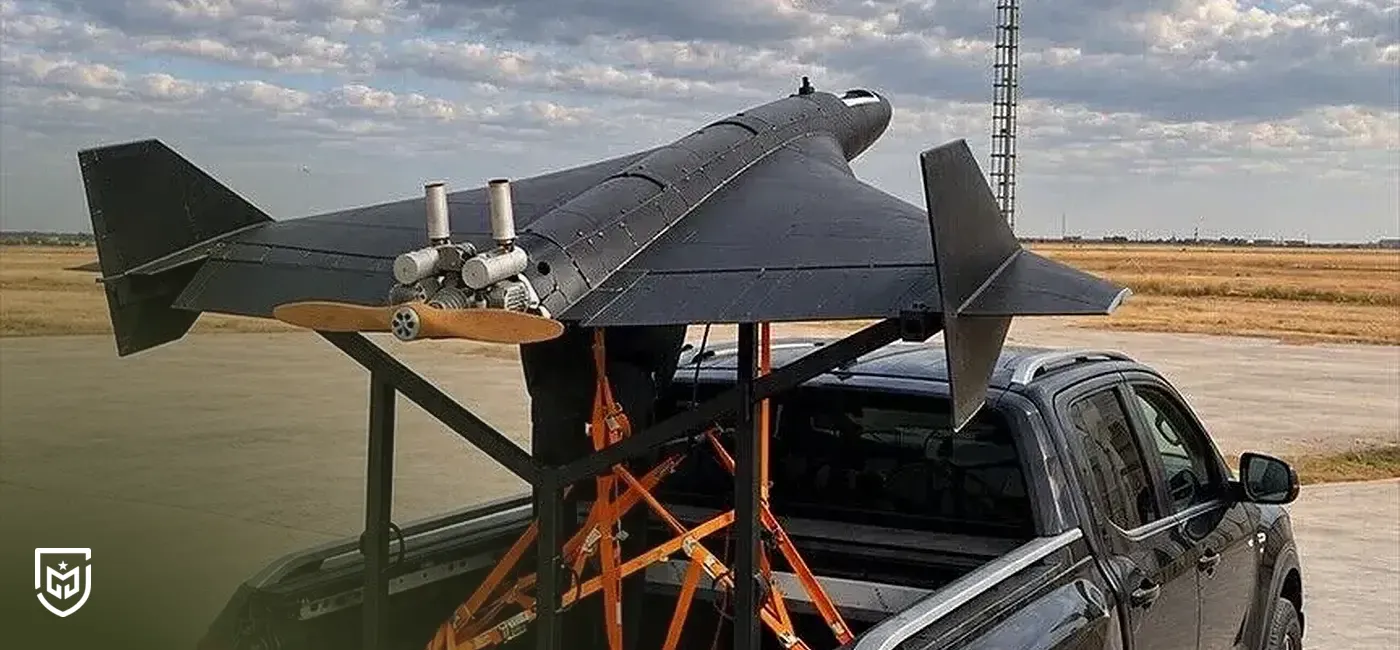
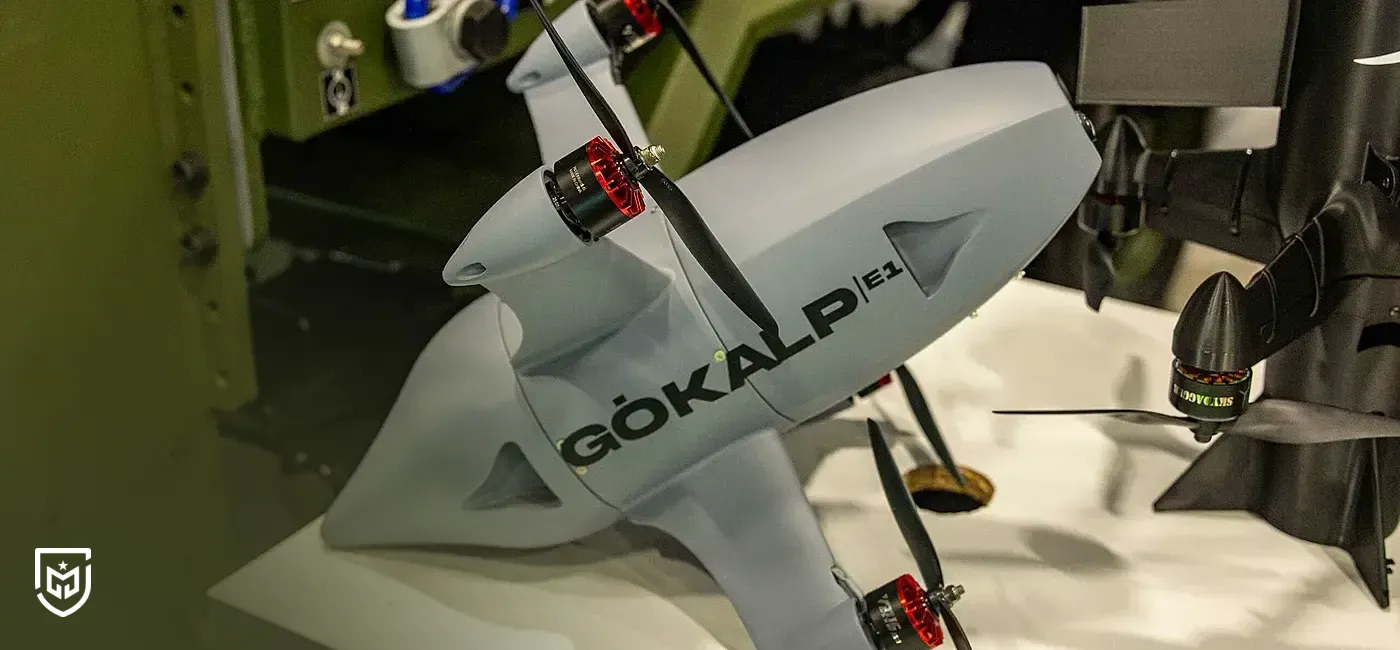
Advances in defense technology continue to modernize tactical systems. Autonomous platforms, advanced sensors, artificial intelligence applications, data analytics and digital command and control solutions improve the speed, coordination and efficiency of tactical operations. These innovations strengthen operational effectiveness while supporting better integration across different defense platforms.
As a result, the concept of tactical weapons extends beyond individual equipment to include integrated defense systems and technological infrastructures that support operational missions. Radar systems, electronic warfare capabilities, secure communications, artificial intelligence, cybersecurity and advanced command and control infrastructures form the foundation of modern tactical defense.


The cookies used on our website are used to provide you with a better user experience and to improve our website. You can manage your cookie preferences from the options below.



 Süheyla Yıldız