BREAKING NEWS
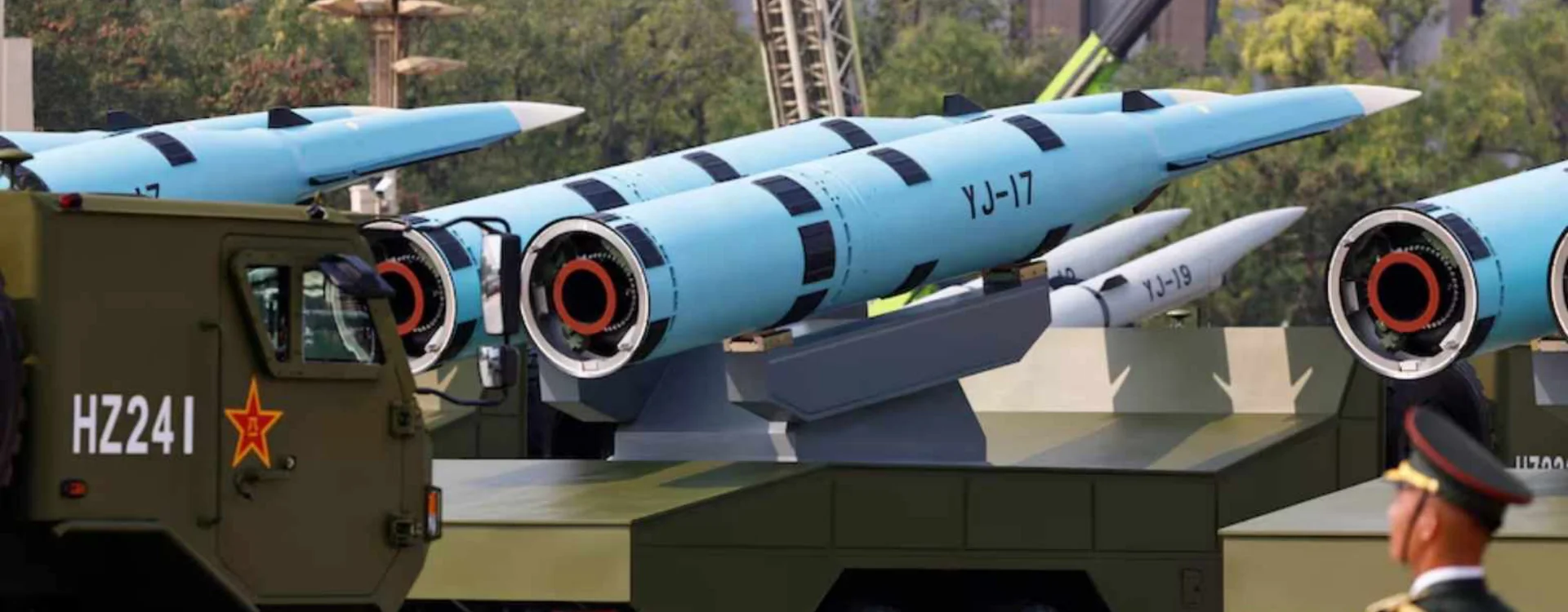
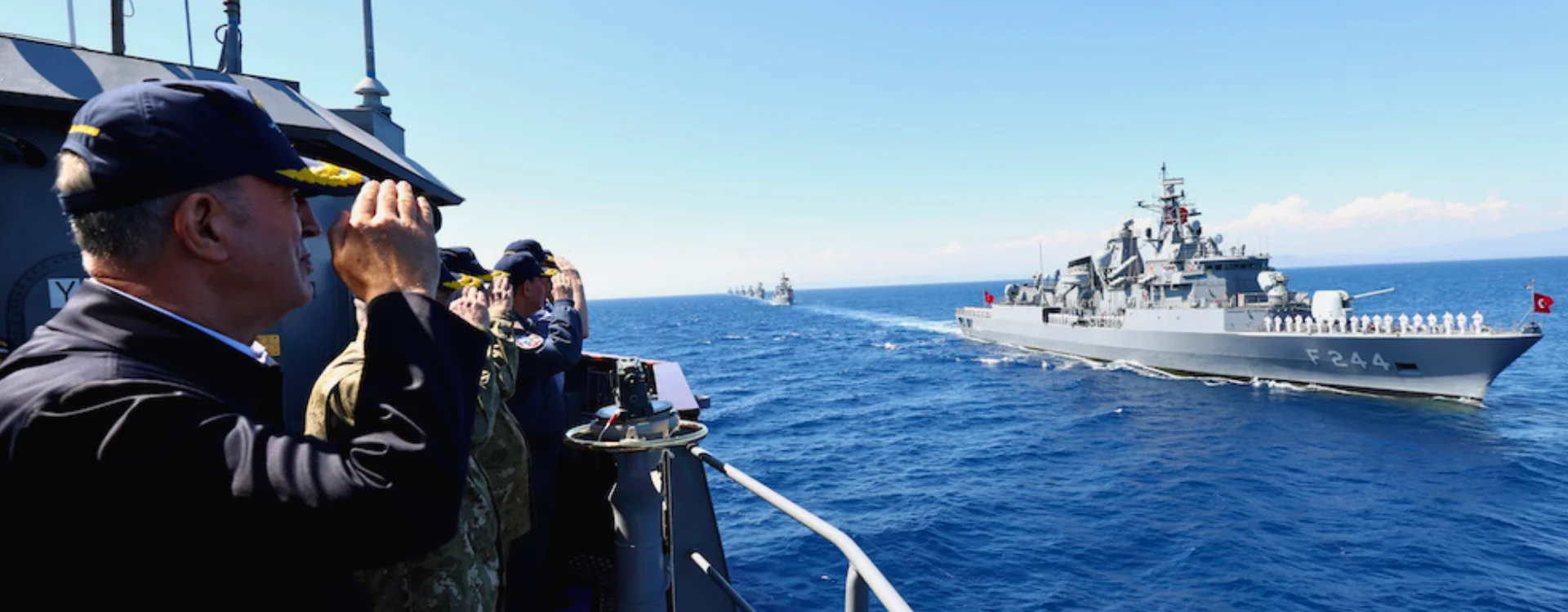
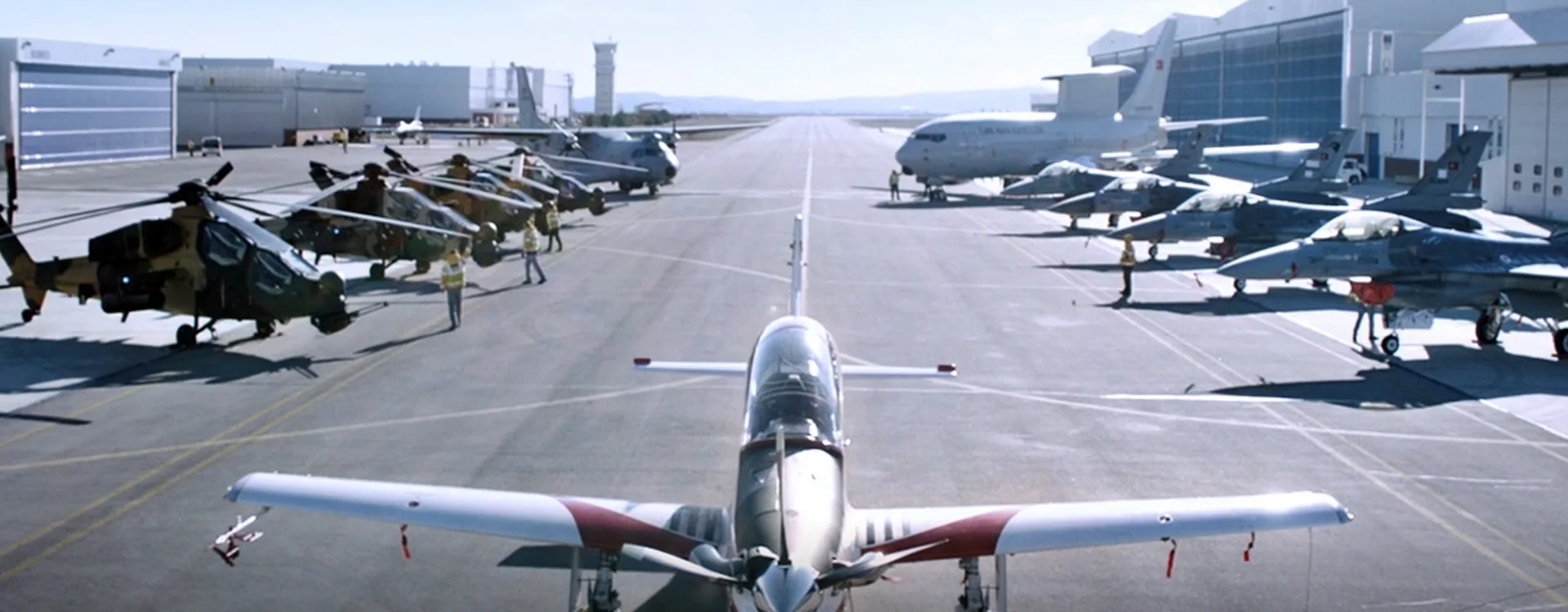
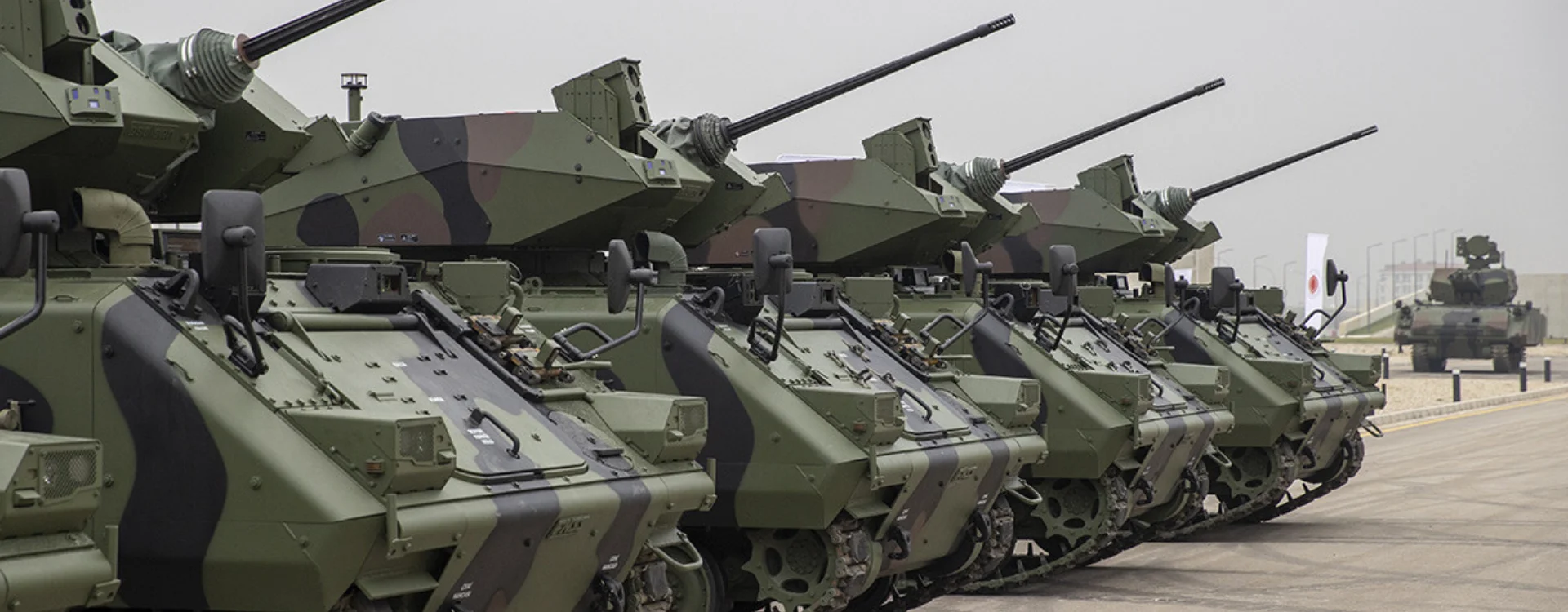
Strategic weapons refer to defense systems that support a country’s deterrence capacity, create long-range effects and hold an important place in national security strategies. This term is used not to describe a single specific weapon type, but to define platforms and systems that can generate strategic impact. Today, strategic capabilities are not limited to military platforms alone; air defense systems, radar technologies, satellite-supported communication, cybersecurity infrastructure, electronic warfare systems and advanced command and control solutions are also considered strategic elements of modern defense.
In modern defense, the main purpose of strategic systems is to support national security, strengthen deterrence against potential threats and provide decision-makers with effective response capabilities in different scenarios. For this reason, strategic defense relies on integrated technologies operating across land, air, sea, space and cyberspace. Through advanced communication networks, sensor systems and data-sharing infrastructures, information collected from different platforms can be transformed into a shared operational picture.
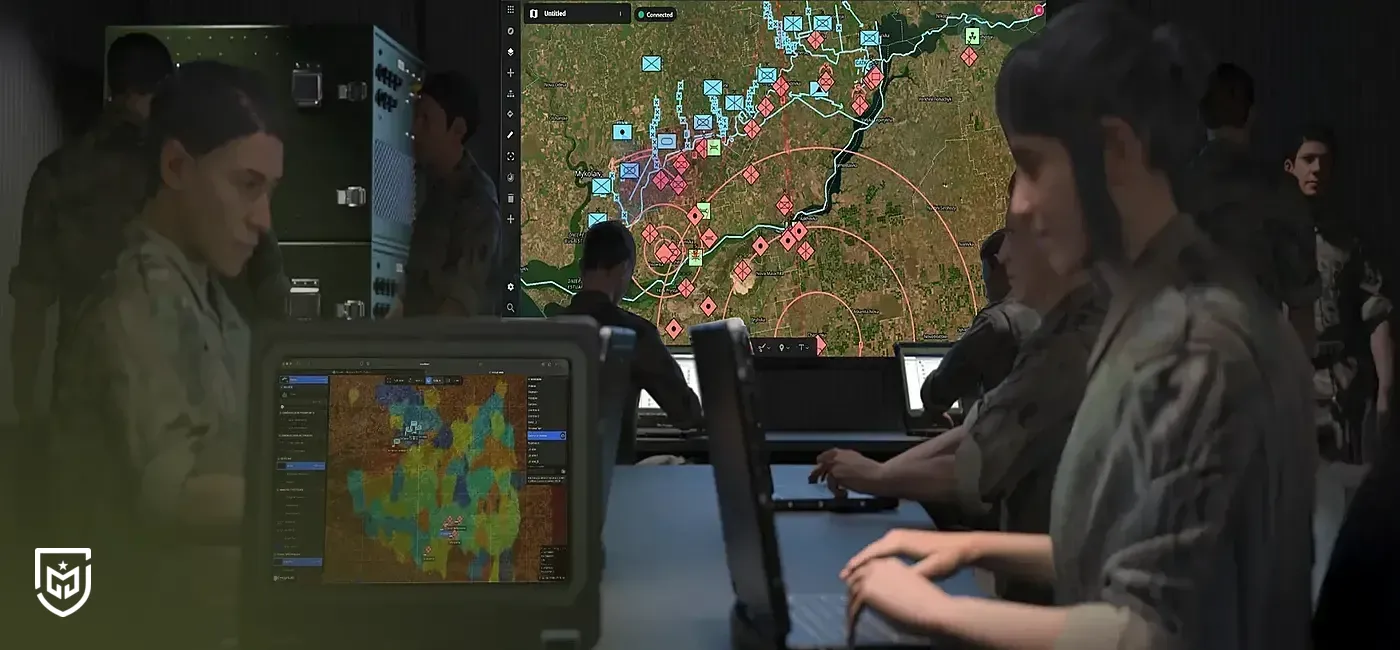
One of the important components of strategic defense capacity is command, control, communications, computers, intelligence, surveillance and reconnaissance systems. These infrastructures analyze information from various sources, improve situational awareness and support decision-making processes. AI-supported data analysis can strengthen strategic planning by helping process large amounts of information in a shorter time.
Radar systems and air defense technologies are among the core elements of strategic defense architecture. Advanced radar networks continuously monitor airspace, while data from different sensors is combined to support early assessment of potential risks. Multi-layered air defense systems create an integrated structure that provides protection at different altitudes and ranges.
Another important area is cybersecurity and electronic warfare technologies. Today, the security of critical infrastructure, communication systems and digital networks has strategic importance. Electronic warfare solutions support the effective use of the electromagnetic spectrum, while cybersecurity applications contribute to the continuity and reliability of digital systems.
Technological developments in the defense industry make it possible to continuously modernize strategic systems. Artificial intelligence, big data analytics, autonomous platforms, satellite technologies and advanced sensor solutions help defense systems operate faster, more coordinately and more efficiently. These developments support countries in developing more effective solutions for changing security needs.
As a result, the concept of a strategic weapon refers not only to specific platforms, but also to long-term defense capabilities and integrated technological infrastructures that support national security. Radar systems, air defense solutions, electronic warfare, cybersecurity, artificial intelligence, satellite technologies and advanced command and control systems form the main building blocks of modern strategic defense.


The cookies used on our website are used to provide you with a better user experience and to improve our website. You can manage your cookie preferences from the options below.






 Süheyla Yıldız