BREAKING NEWS
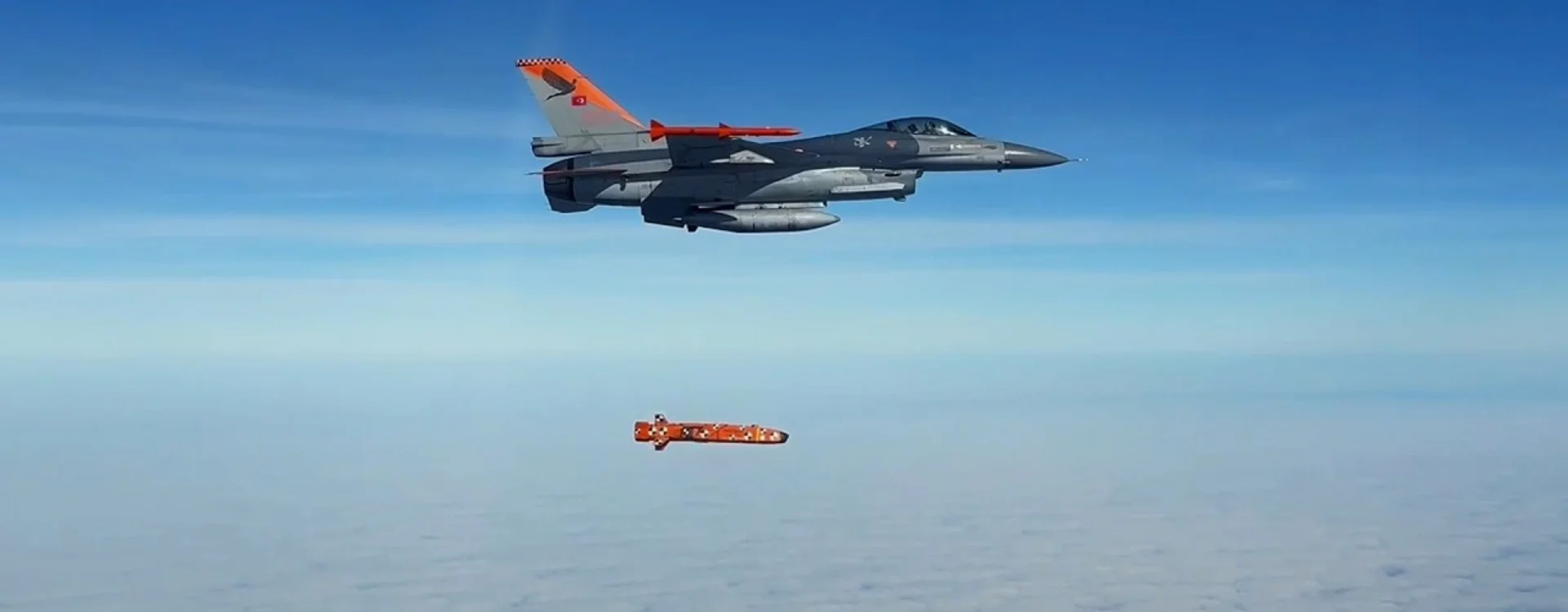
A deterrence policy is a strategic security approach developed by a country to protect national security, discourage potential threats and reduce the likelihood of hostile actions. Its primary objective is to establish a credible defense capability that convinces potential adversaries that aggressive actions would be ineffective or carry unacceptable consequences. In today's security environment, deterrence extends far beyond military strength alone. The defense industry, advanced technologies, cybersecurity, air defense systems, electronic warfare, intelligence capabilities, diplomacy and economic resilience all contribute to an effective deterrence strategy. As a result, modern deterrence is built upon the integration of military, technological and civilian capabilities.
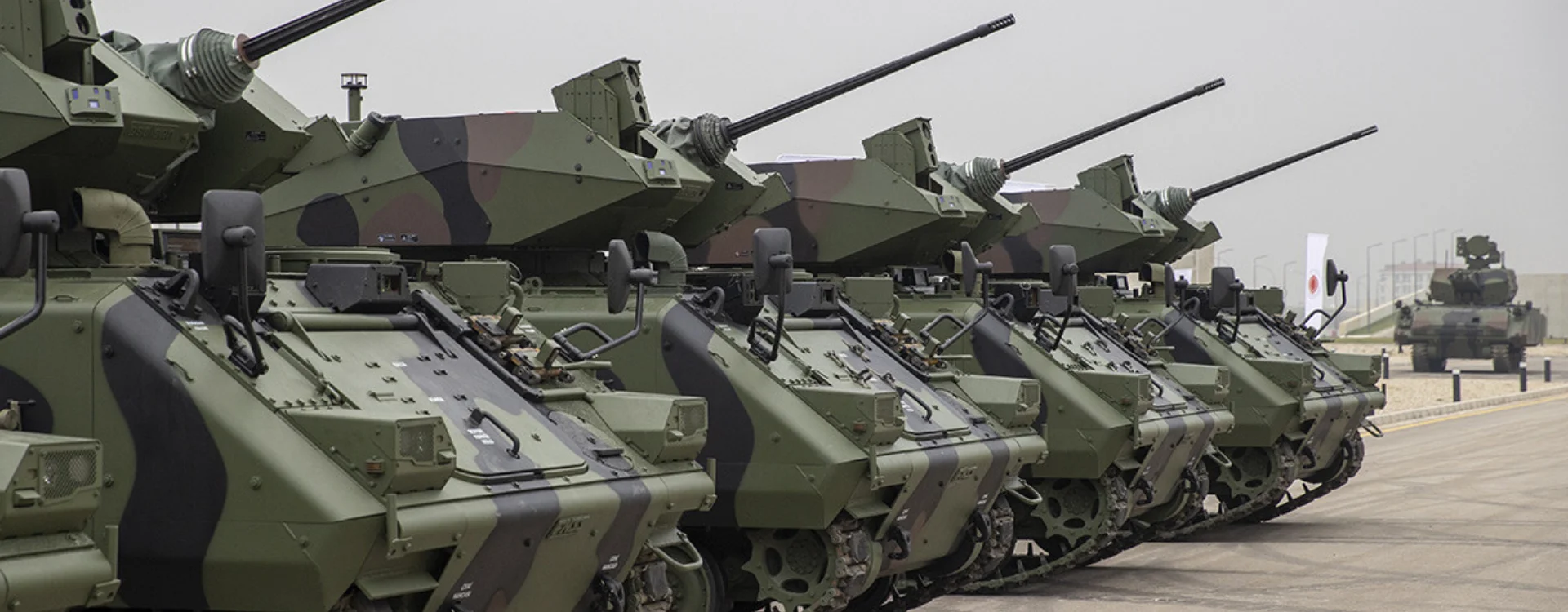
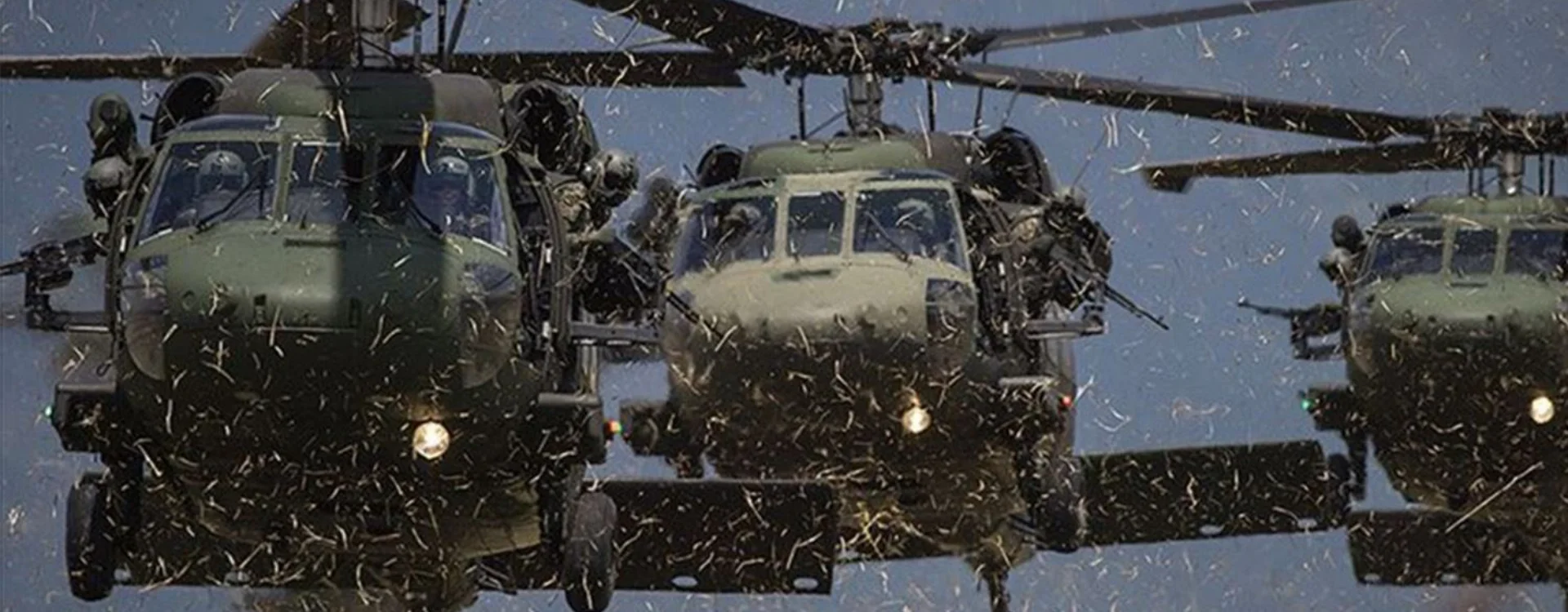
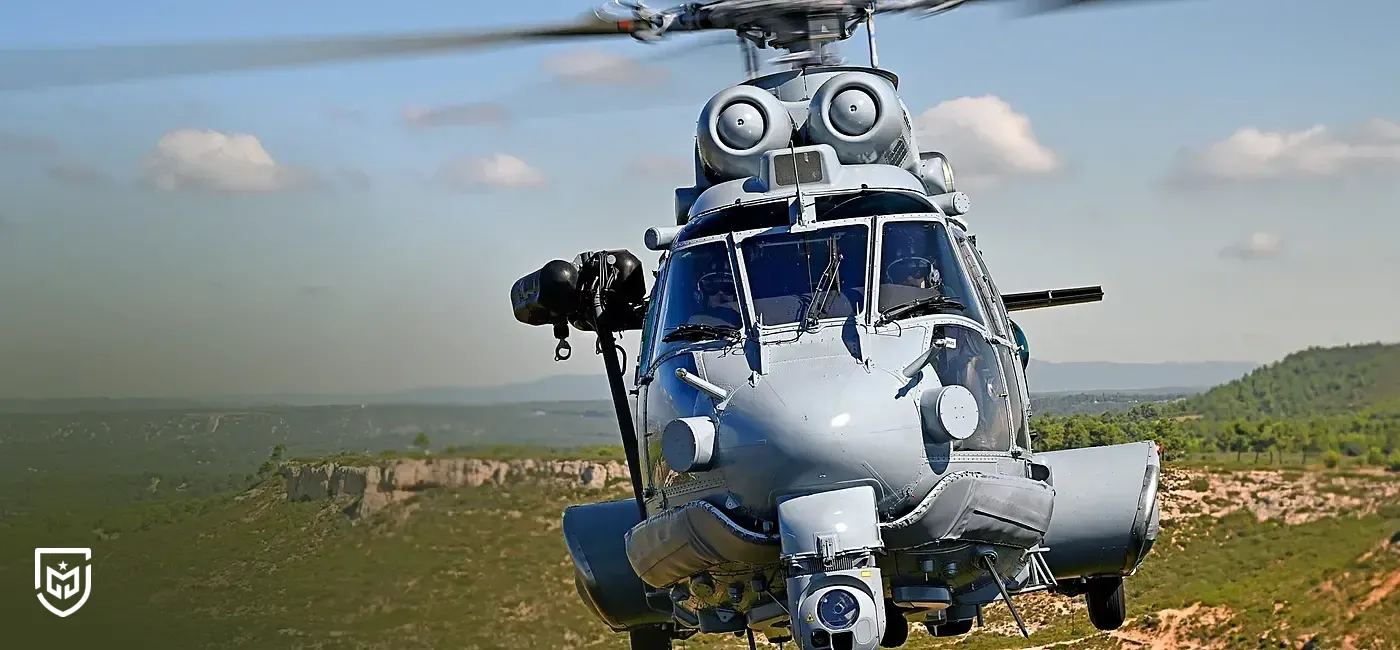
In contemporary defense strategies, deterrence relies on a robust defense infrastructure supported by effective coordination. Land, air and naval forces operate together through advanced command and control systems, radar networks, secure communication infrastructures and early warning capabilities. This integrated approach enhances situational awareness, improves operational readiness and enables faster responses to emerging security challenges.
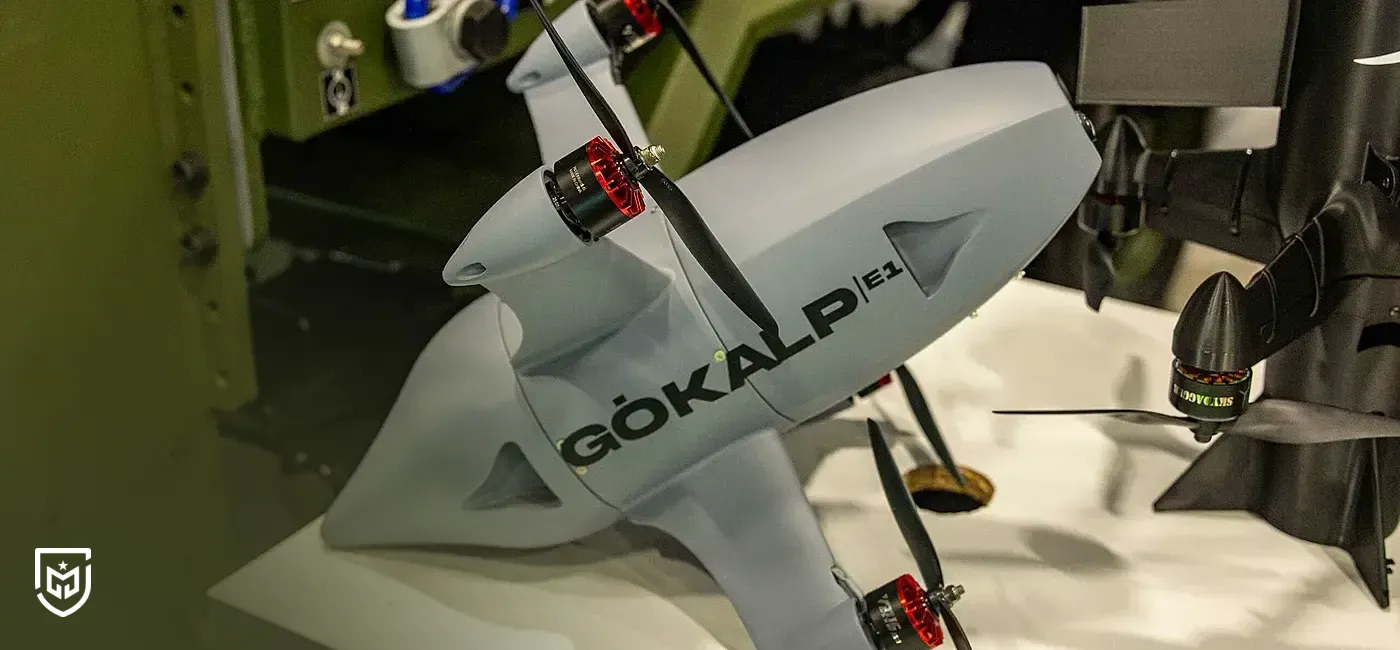
One of the most significant pillars of deterrence is the defense industry. Domestic manufacturing capabilities, research and development programs, advanced engineering solutions and high-technology production strengthen a nation's defense capacity. Air defense systems, radar technologies, unmanned aerial vehicles, electronic sensors and secure communication platforms play a vital role in supporting a credible deterrence posture.
Cybersecurity has become an essential component of modern deterrence. As critical infrastructure, communication networks, financial systems and public services become increasingly digital, protecting these assets has become a strategic priority. Strong cyber defense capabilities improve resilience against cyber threats while ensuring the continuity of national security operations.
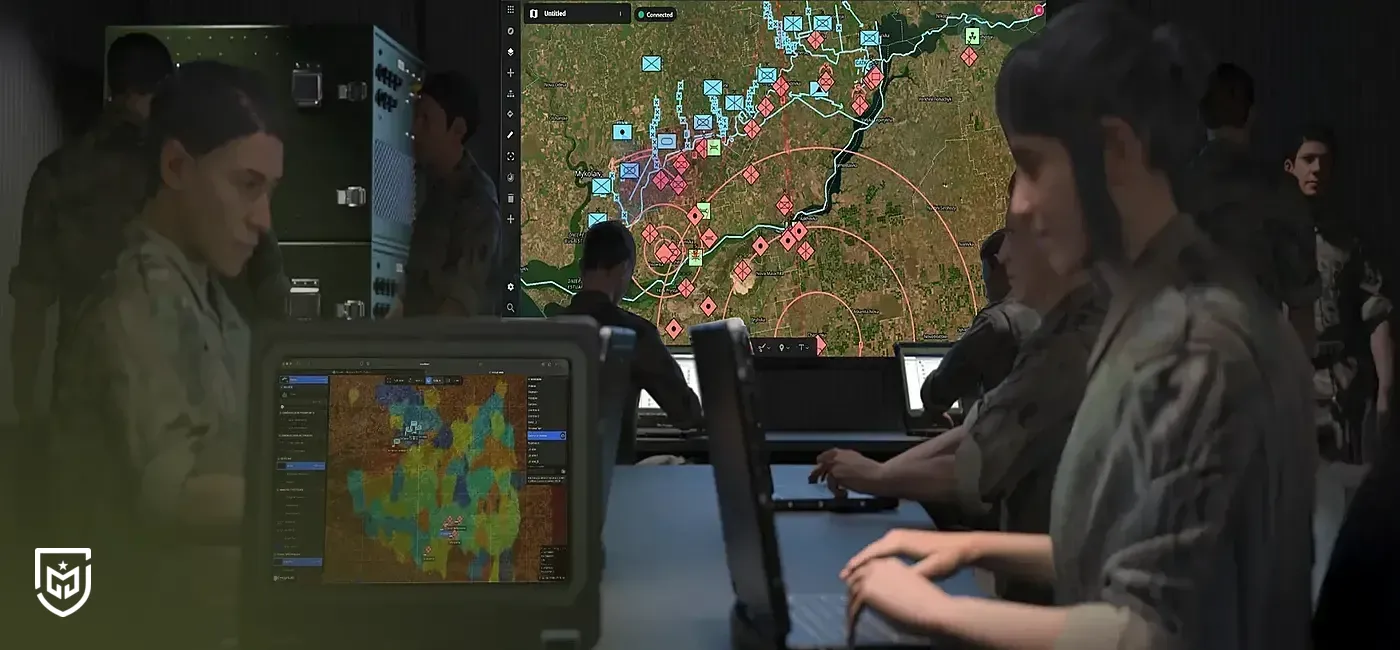
Another critical aspect is electronic warfare and intelligence systems. Radar technologies, electro-optical sensors, satellite capabilities and advanced data analysis platforms provide decision-makers with comprehensive situational awareness. Artificial intelligence further enhances these capabilities by processing large volumes of information rapidly, enabling faster and more informed strategic planning.
International cooperation and diplomacy also play an important role in deterrence policies. Confidence-building measures, defense partnerships, joint security initiatives and diplomatic engagement contribute to regional stability and help reduce security risks. Consequently, modern deterrence depends not only on military capability but also on diplomatic influence, economic strength and international collaboration.
In conclusion, a deterrence policy is not simply about possessing powerful defense systems. It represents a comprehensive security strategy that combines the defense industry, artificial intelligence, cybersecurity, electronic warfare, radar technologies, air defense, diplomacy and strategic planning into a unified framework. In today's evolving global security environment, an effective deterrence policy remains one of the most important tools for protecting national interests, maintaining stability and supporting long-term security.


The cookies used on our website are used to provide you with a better user experience and to improve our website. You can manage your cookie preferences from the options below.





 Süheyla Yıldız