BREAKING NEWS
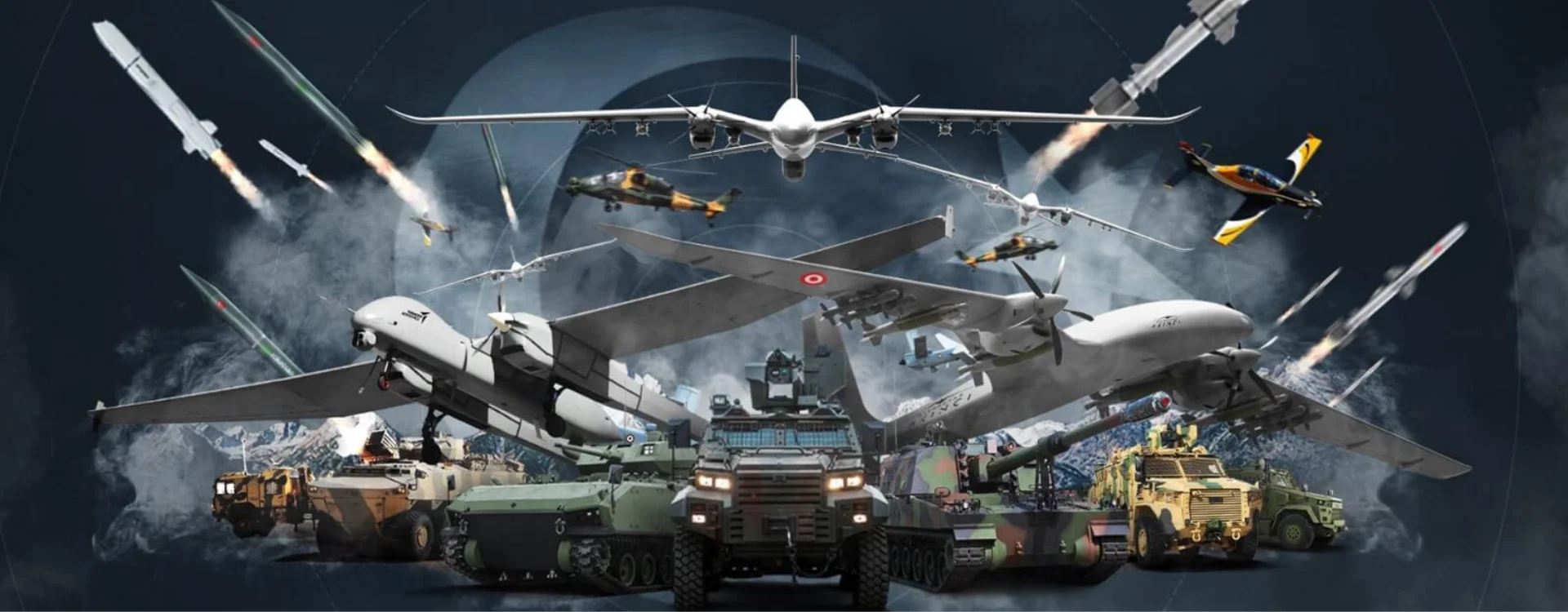
Defense doctrine refers to the set of strategic principles that guide a nation's efforts to protect its national security, prepare for potential threats and effectively manage its defense capabilities. It provides the framework for how a country organizes, develops and employs its military and security resources in support of national objectives. Modern defense doctrine extends beyond military operations to include the defense industry, advanced technologies, intelligence, logistics, cybersecurity and international cooperation. As the global security environment continues to evolve, defense doctrines are regularly updated to incorporate innovations such as artificial intelligence, radar technologies, air defense systems, electronic warfare and digital command and control solutions.
In modern defense planning, a defense doctrine serves as the strategic roadmap that shapes national security policies and military preparedness. Land, air and naval forces operate within a unified command structure supported by advanced command and control systems, early warning networks and secure communication infrastructures. This integrated approach enables efficient information sharing, improves operational coordination and enhances overall defense readiness.
One of the fundamental pillars of a defense doctrine is the defense industry. Domestic production capabilities, research and development initiatives, advanced engineering and high-technology manufacturing strengthen a nation's long-term defense strategy. Radar systems, air defense solutions, unmanned aerial vehicles, naval platforms and secure communication technologies are among the critical assets that support modern defense doctrines.
Intelligence, reconnaissance and surveillance systems also play a central role in implementing defense doctrine. Satellite technologies, radar networks, electro-optical sensors and advanced data analysis platforms provide decision-makers with comprehensive situational awareness. Artificial intelligence further improves these capabilities by rapidly processing large volumes of information, enabling faster and more informed strategic decisions.
Another essential element is cybersecurity and electronic warfare. Protecting critical infrastructure, maintaining secure communication networks and safeguarding digital defense systems are indispensable requirements for modern defense planning. Electronic warfare capabilities enhance operational effectiveness by supporting information superiority within the electromagnetic environment, while cyber defense strengthens resilience against evolving digital threats.
Defense doctrines also place significant emphasis on logistics and sustainability. Maintenance, transportation, fuel supply, technical support and supply chain management ensure that defense forces remain operational over extended periods. A strong logistics infrastructure enables military capabilities to function effectively and supports the long-term success of defense operations.
In conclusion, a defense doctrine is far more than a document outlining military operations. It represents a comprehensive national security framework that integrates the defense industry, artificial intelligence, radar technologies, air defense, electronic warfare, cybersecurity, logistics, intelligence and strategic planning. In today's rapidly changing security environment, successful defense doctrines are those that embrace technological innovation, coordinate all elements of national defense and provide a long-term vision for protecting national interests.


The cookies used on our website are used to provide you with a better user experience and to improve our website. You can manage your cookie preferences from the options below.








 Süheyla Yıldız