BREAKING NEWS
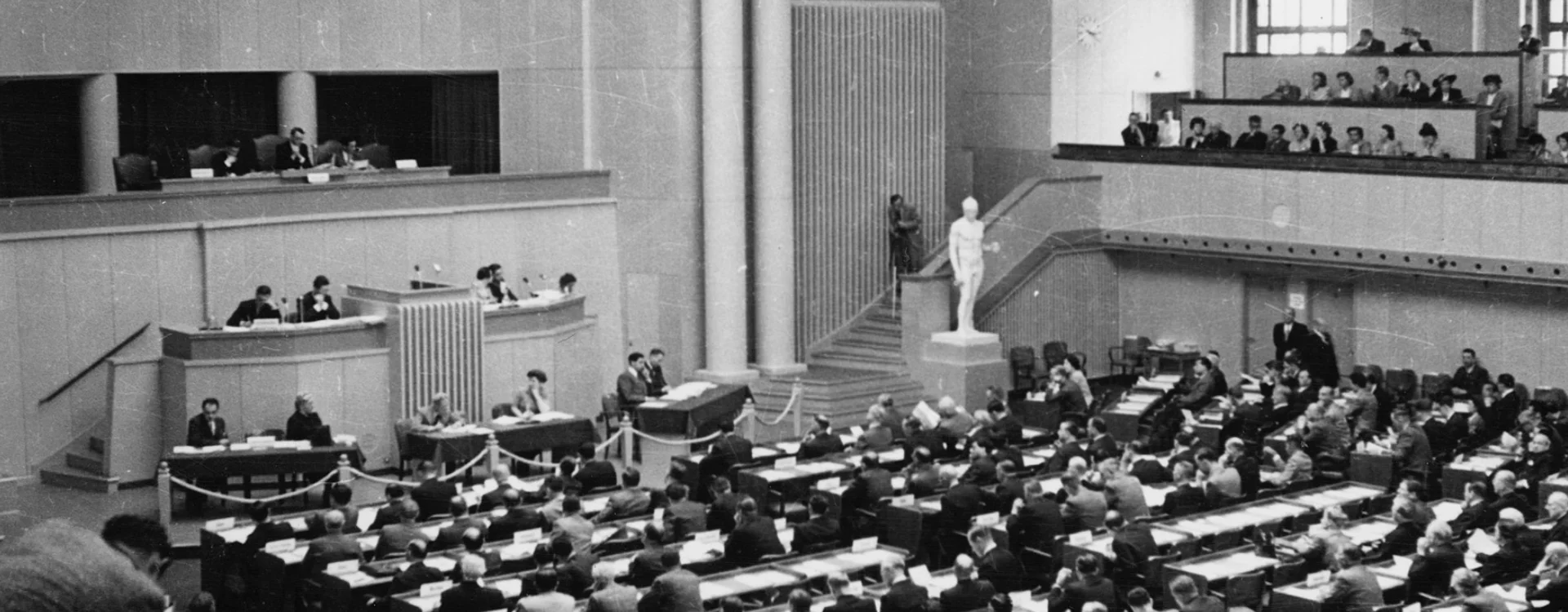
The Geneva Conventions are a series of international treaties that form the foundation of international humanitarian law by establishing legal protections for individuals affected by armed conflict. Their primary purpose is to reduce human suffering during war by protecting wounded and sick military personnel, shipwrecked service members, prisoners of war and civilians. Rather than prohibiting armed conflict itself, the Geneva Conventions regulate how wars are conducted and establish internationally recognized humanitarian standards. Today, they are among the most widely accepted international treaties and serve as a cornerstone of military planning, legal compliance and humanitarian protection around the world.
In the modern security environment, the Geneva Conventions extend beyond traditional land warfare. Air operations, naval warfare, unmanned systems, electronic warfare, cyber activities and emerging military technologies are increasingly evaluated according to the fundamental principles of international humanitarian law. As defense technologies continue to evolve, the application of these humanitarian principles remains essential for ensuring lawful and responsible military operations.
The First Geneva Convention focuses on the protection of wounded and sick members of armed forces on land. It establishes legal safeguards for medical personnel, field hospitals, ambulances and medical facilities operating in conflict zones. It also emphasizes the neutrality of medical services, ensuring that healthcare providers can perform humanitarian duties without being targeted during armed conflicts.
The Second Geneva Convention extends similar protections to wounded, sick and shipwrecked members of armed forces at sea. It provides legal protection for hospital ships, rescue operations and medical personnel engaged in maritime conflicts. These provisions ensure that humanitarian assistance can continue even during naval warfare.
The Third Geneva Convention establishes comprehensive rules concerning the treatment of prisoners of war (POWs). It requires that prisoners be treated humanely, protected from violence, intimidation and degrading treatment, and provided with adequate food, shelter and medical care. The Convention also guarantees certain legal rights and establishes standards for detention conditions, communication and eventual repatriation.
The Fourth Geneva Convention is dedicated to the protection of civilians during armed conflicts. It establishes safeguards for civilians living in occupied territories or conflict zones, protects access to humanitarian assistance and prohibits many forms of abuse against non-combatants. Special attention is given to vulnerable groups, including children, elderly people, medical personnel and other protected civilians.
Over time, the Geneva Conventions have been strengthened through Additional Protocols, which expand legal protections in both international and non-international armed conflicts. These protocols address evolving methods of warfare, reinforce civilian protections and adapt humanitarian law to contemporary military operations while preserving the core principles established by the original conventions.
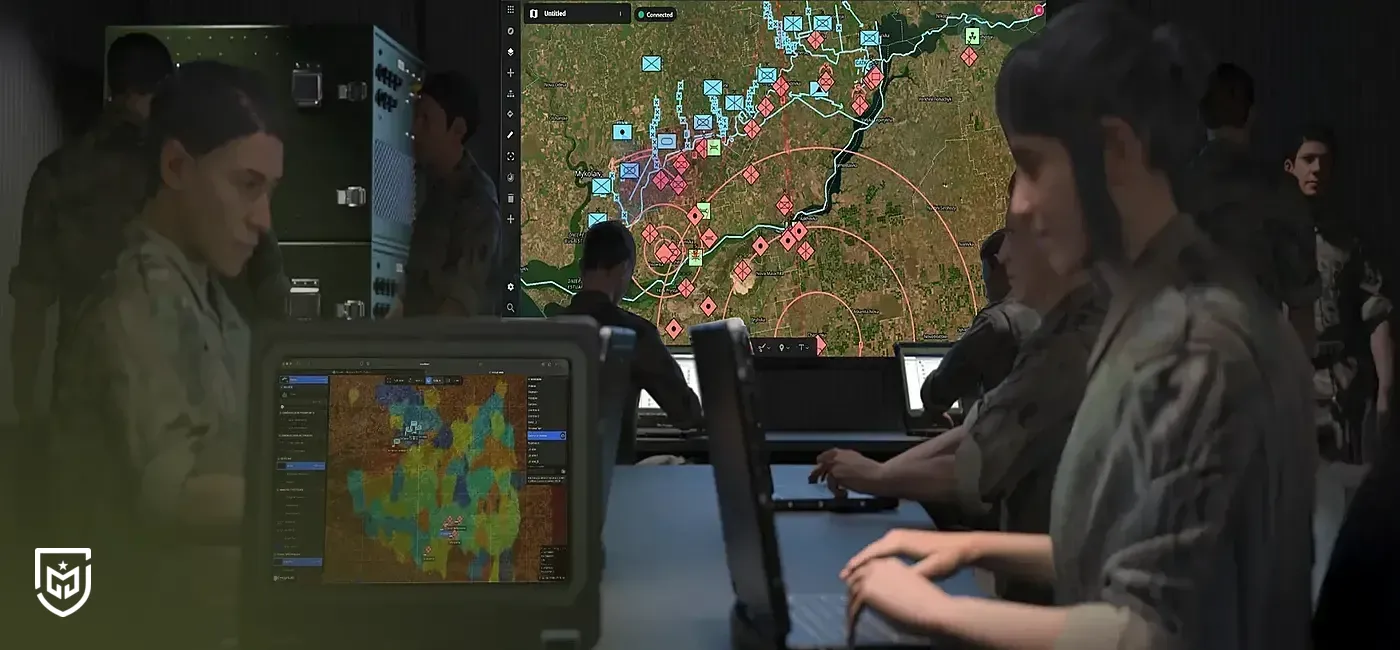
The Geneva Conventions play an essential role in military planning and operational decision-making. During mission planning, commanders consider legal obligations related to target selection, civilian protection, humanitarian corridors and the conduct of military operations. Many armed forces around the world incorporate international humanitarian law into military education, operational doctrine and command decision-making processes to ensure compliance during both training and combat operations.
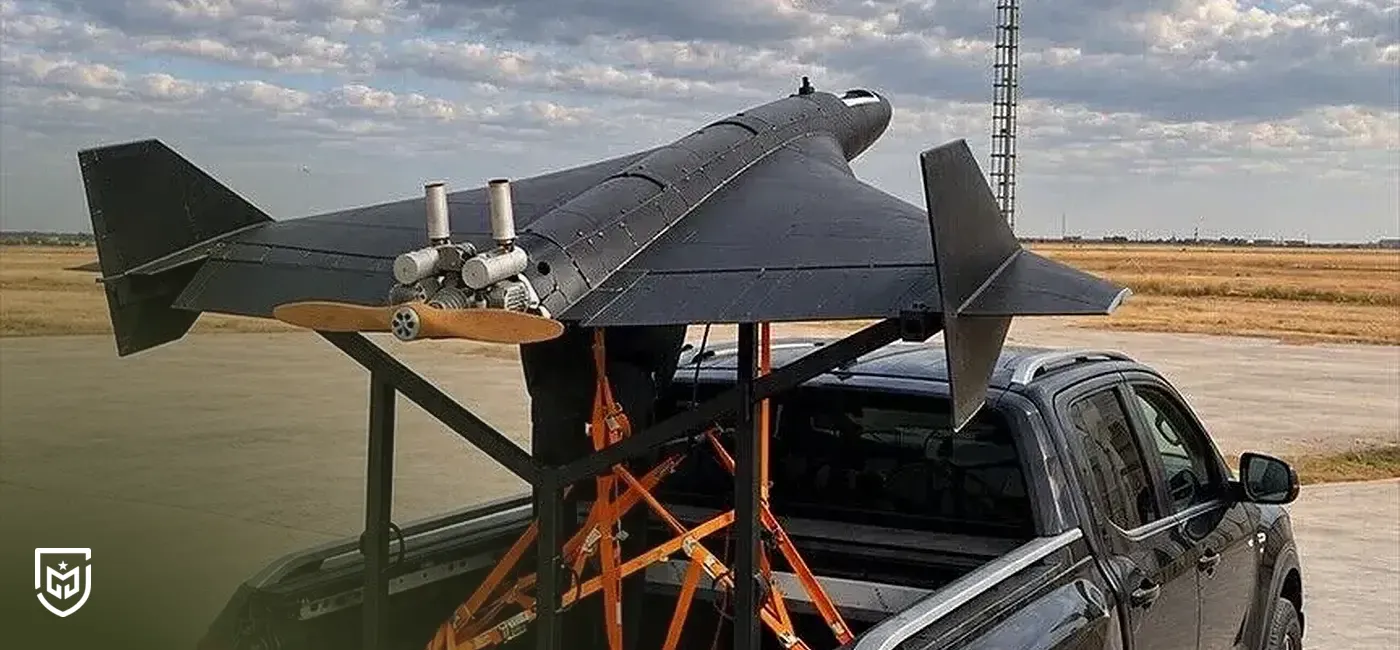
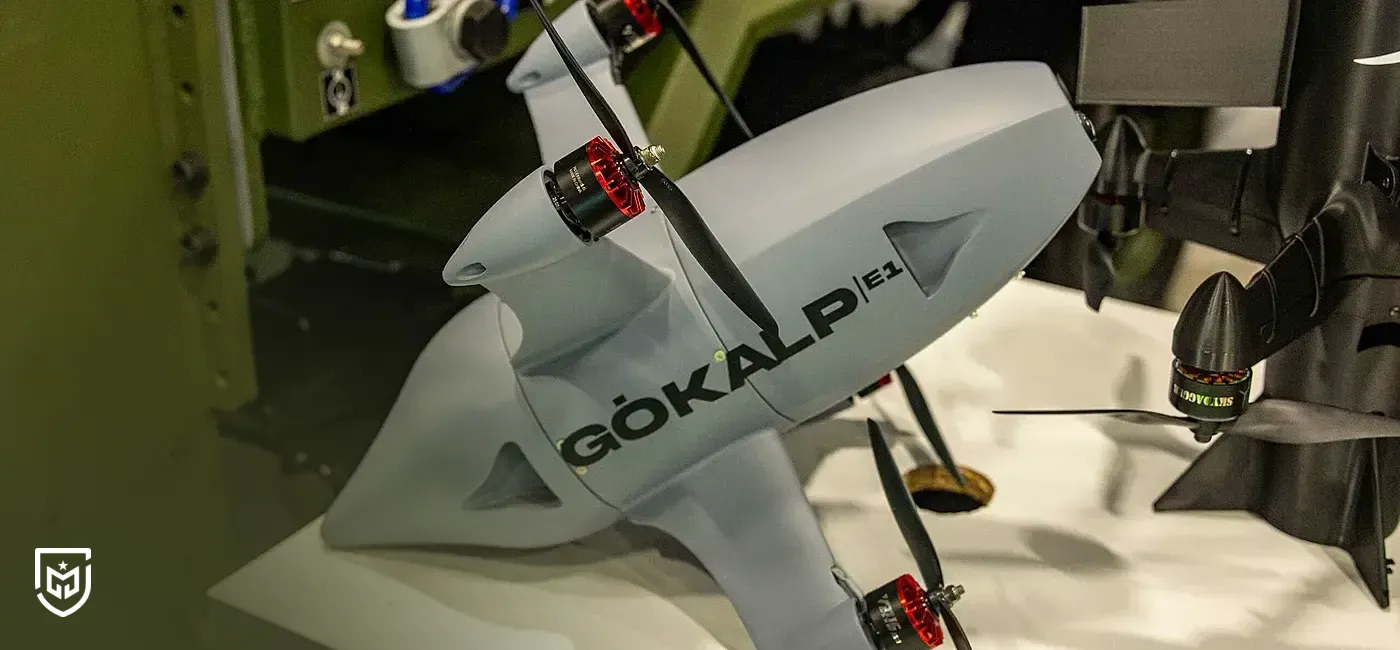
Rapid technological advancements have introduced new legal challenges involving artificial intelligence, unmanned aerial vehicles, autonomous weapons, electronic warfare, cyber operations and space-based military capabilities. International discussions increasingly focus on ensuring that these emerging technologies remain consistent with humanitarian principles, accountability and the legal protections established under the Geneva Conventions.
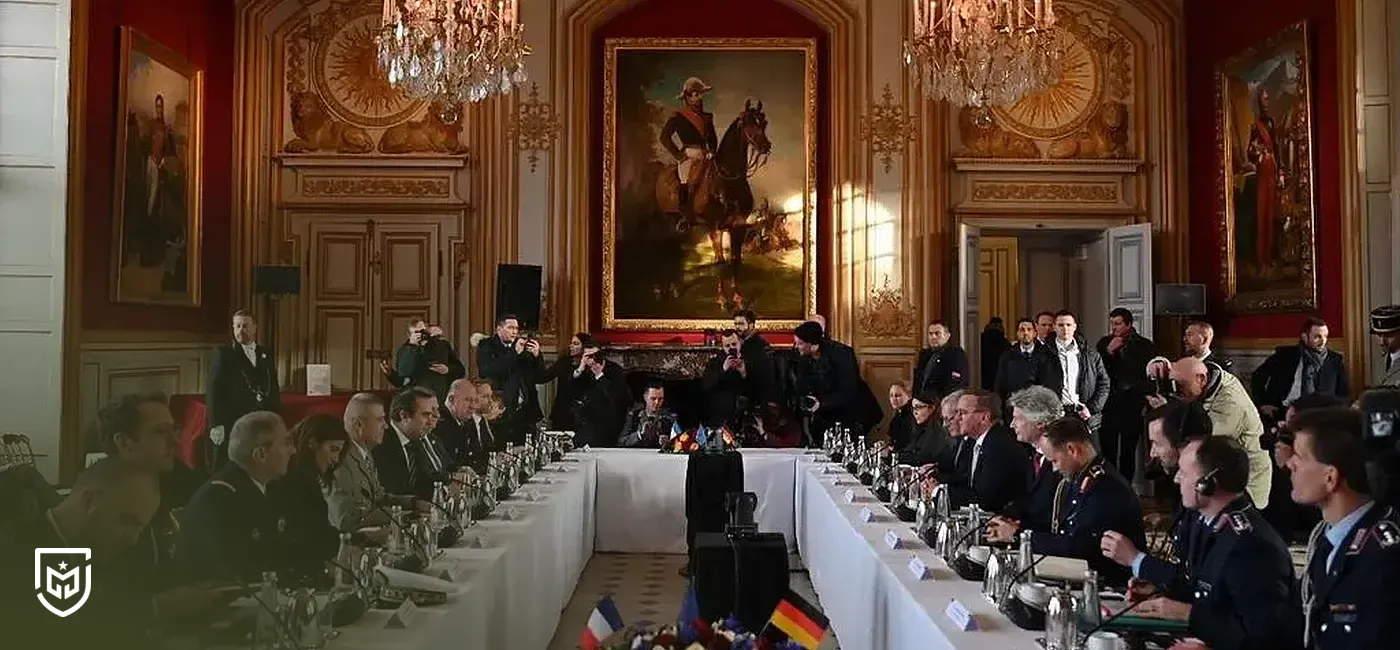
International cooperation is fundamental to the continued effectiveness of the Geneva Conventions. Governments, military organizations, humanitarian agencies and international institutions work together to promote education, improve legal implementation and strengthen respect for humanitarian law. Joint exercises, legal training programs and multinational cooperation contribute to consistent application of these international standards during armed conflicts.
In conclusion, the Geneva Conventions remain the most significant legal instruments of international humanitarian law, establishing universal standards for protecting human dignity during armed conflict. By regulating the treatment of wounded personnel, prisoners of war and civilians while adapting to modern military technologies and evolving security challenges, the Geneva Conventions continue to serve as an indispensable legal foundation for responsible military operations and international peace and security.


The cookies used on our website are used to provide you with a better user experience and to improve our website. You can manage your cookie preferences from the options below.


 Süheyla Yıldız