BREAKING NEWS
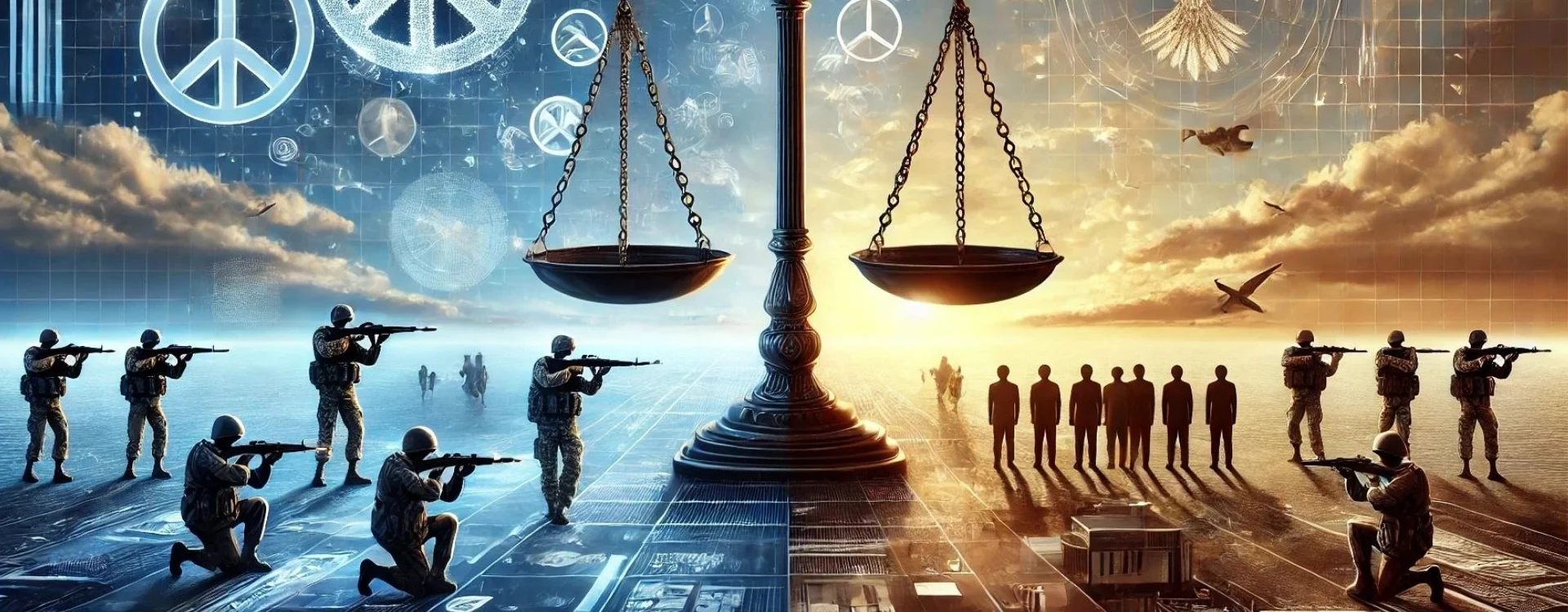
Military Rules of Engagement (ROE) are the directives and operational principles that define when, where, how and to what extent military forces may use force during an operation. These rules ensure that military personnel perform their missions in accordance with national laws, international law and the specific objectives of an operation. In today's security environment, the Rules of Engagement apply not only to conventional combat but also to peace support operations, border security, counterterrorism missions, maritime security, air defense and cyber defense activities. They provide commanders and military personnel with a clear legal and operational framework for responding to evolving threats.
The primary purpose of the Rules of Engagement is to balance operational effectiveness with legal responsibility. Military forces must be capable of responding rapidly to threats while remaining compliant with international humanitarian law and domestic legal obligations. Properly designed ROE reduce unnecessary risks, improve mission effectiveness and help prevent unintended escalation during military operations.
The development of Rules of Engagement begins with an assessment of the mission's objectives and operational environment. Different rules may be established for defensive operations, peacekeeping missions, border patrols, maritime security operations or air defense activities. Military planners evaluate threat levels, geographic conditions, political considerations and operational goals to determine the appropriate use-of-force guidelines for each mission.
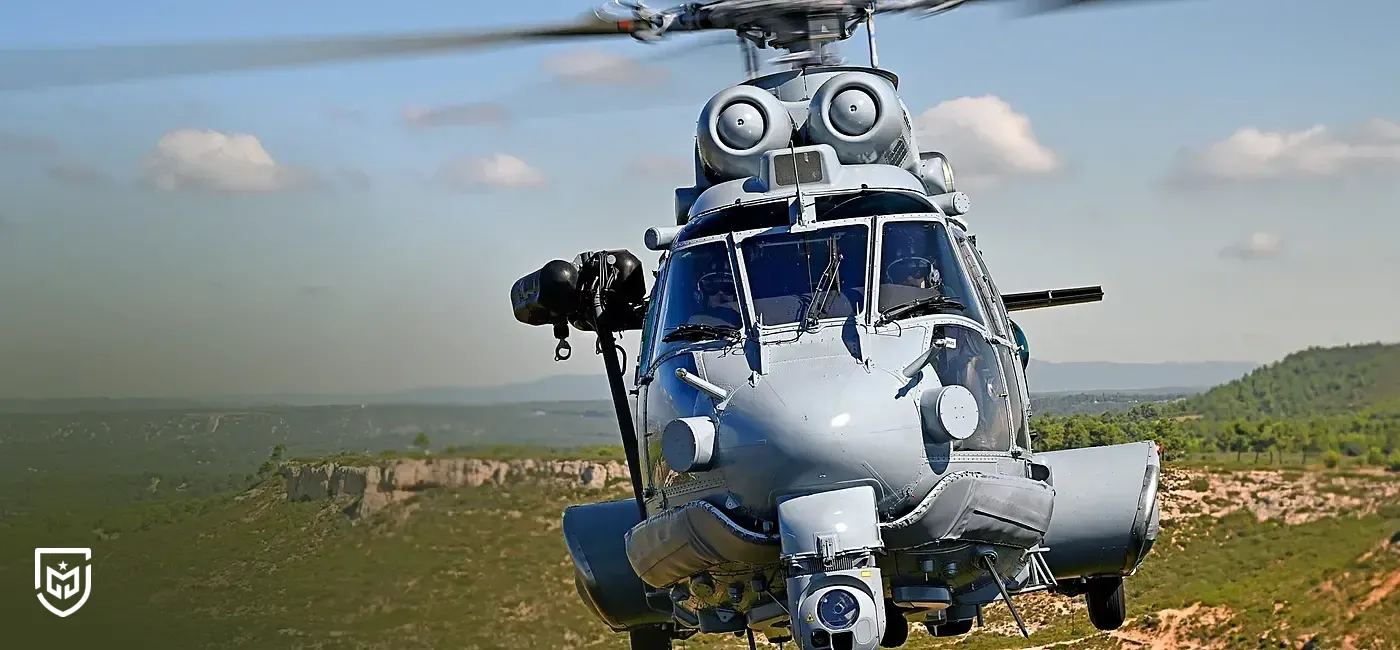
One of the most important elements of the Rules of Engagement is threat assessment. Commanders evaluate the intent, capability and level of risk posed by potential adversaries before determining the appropriate response. Intelligence gathered through radar systems, electro-optical sensors, reconnaissance assets, unmanned aerial vehicles and multiple intelligence sources provides the situational awareness necessary for informed decision-making. Accurate threat assessment helps reduce the risk of misidentification while supporting lawful and effective military action.
Graduated or proportional use of force is a fundamental concept within modern Rules of Engagement. Depending on the operational situation, military personnel may first employ verbal warnings, visual signals, maneuvering actions or other deterrent measures before escalating to the use of force when legally justified and operationally necessary. This graduated approach supports disciplined military operations while minimizing unnecessary harm and maintaining operational control.
In today's operational environment, Rules of Engagement are equally relevant in land, air, maritime and cyber domains. Cyber operations targeting critical infrastructure, communication networks or military command systems require clearly defined procedures governing defensive and response actions. Likewise, electronic warfare activities involving electromagnetic spectrum operations, signal jamming and electronic protection measures are conducted according to established operational and legal guidelines.
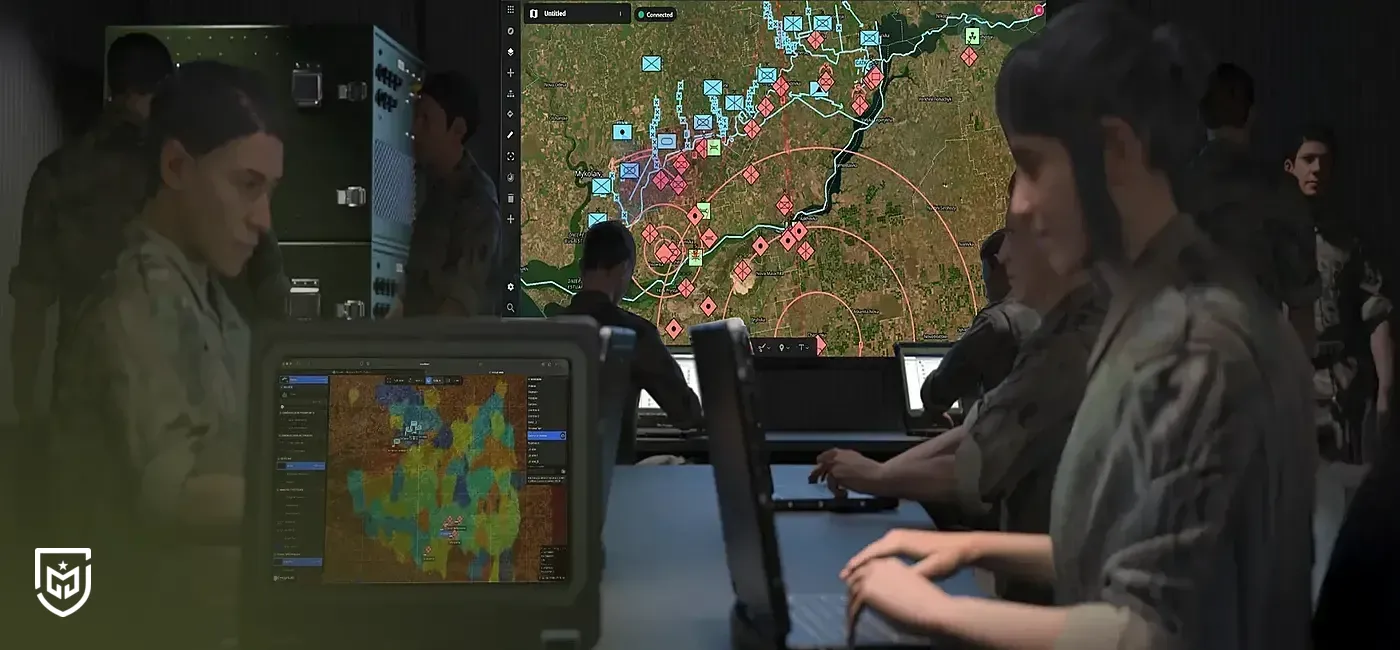
Intelligence, Surveillance and Reconnaissance (ISR) capabilities play a critical role in the successful implementation of Rules of Engagement. Satellite systems, radar networks, unmanned aerial systems and advanced sensors continuously monitor the operational environment. Artificial intelligence can rapidly process large volumes of information to identify emerging threats and support faster decision-making. Nevertheless, the final authorization regarding the use of force remains the responsibility of qualified commanders operating within established legal and operational frameworks.
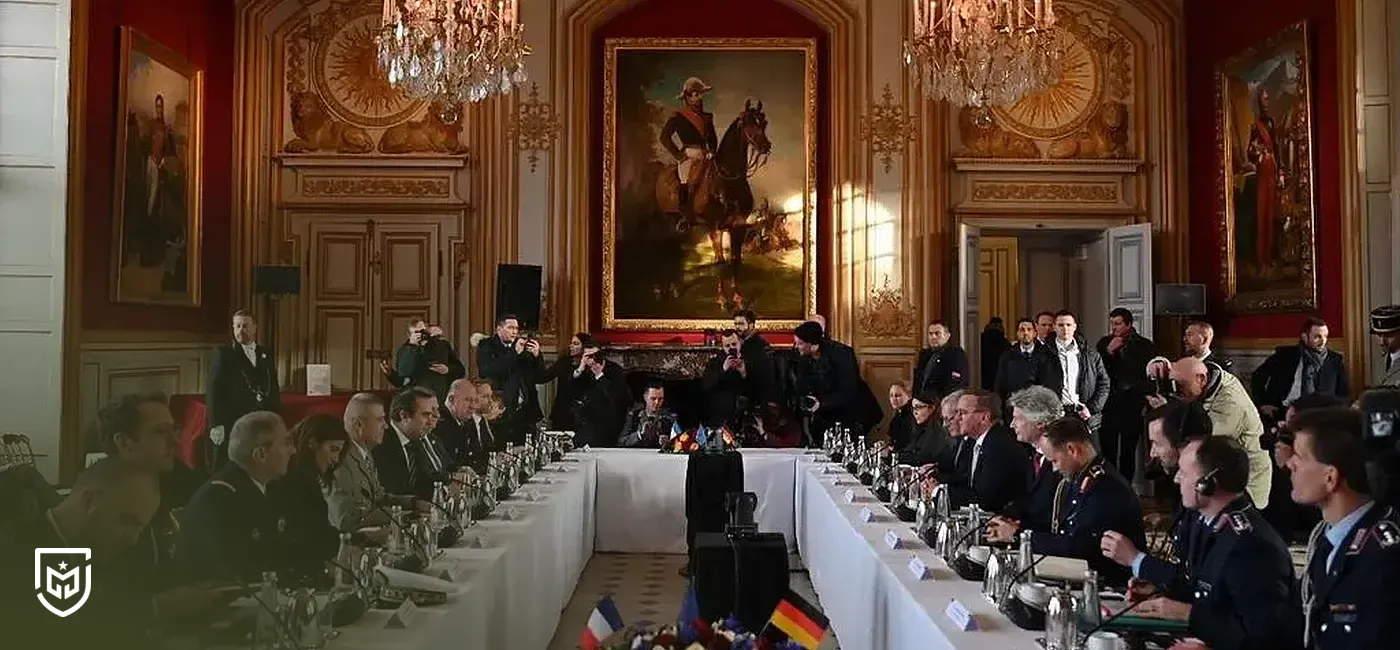
Rules of Engagement are particularly important during multinational military operations. Coalition forces from different countries must operate under harmonized operational procedures to improve coordination and reduce the risk of misunderstandings. Joint exercises, multinational training programs and standardized operational planning contribute to greater interoperability while ensuring that participating forces remain aligned with international legal standards.
As military technology continues to evolve, artificial intelligence, autonomous systems, unmanned aerial vehicles, advanced missile defense systems and emerging defense technologies require continuous review and adaptation of existing Rules of Engagement. New operational capabilities introduce complex legal, ethical and strategic considerations, making regular updates to ROE essential for maintaining operational effectiveness and legal compliance.
In conclusion, the Military Rules of Engagement represent one of the most important elements of modern military operations, integrating operational planning, defense strategy, international law, intelligence, cybersecurity, electronic warfare and command decision-making into a comprehensive framework governing the lawful use of force. Properly developed and consistently applied Rules of Engagement enhance mission success, protect military personnel and civilians, reduce operational risks and strengthen the effectiveness of modern armed forces in an increasingly complex global security environment.


The cookies used on our website are used to provide you with a better user experience and to improve our website. You can manage your cookie preferences from the options below.





 Süheyla Yıldız