BREAKING NEWS
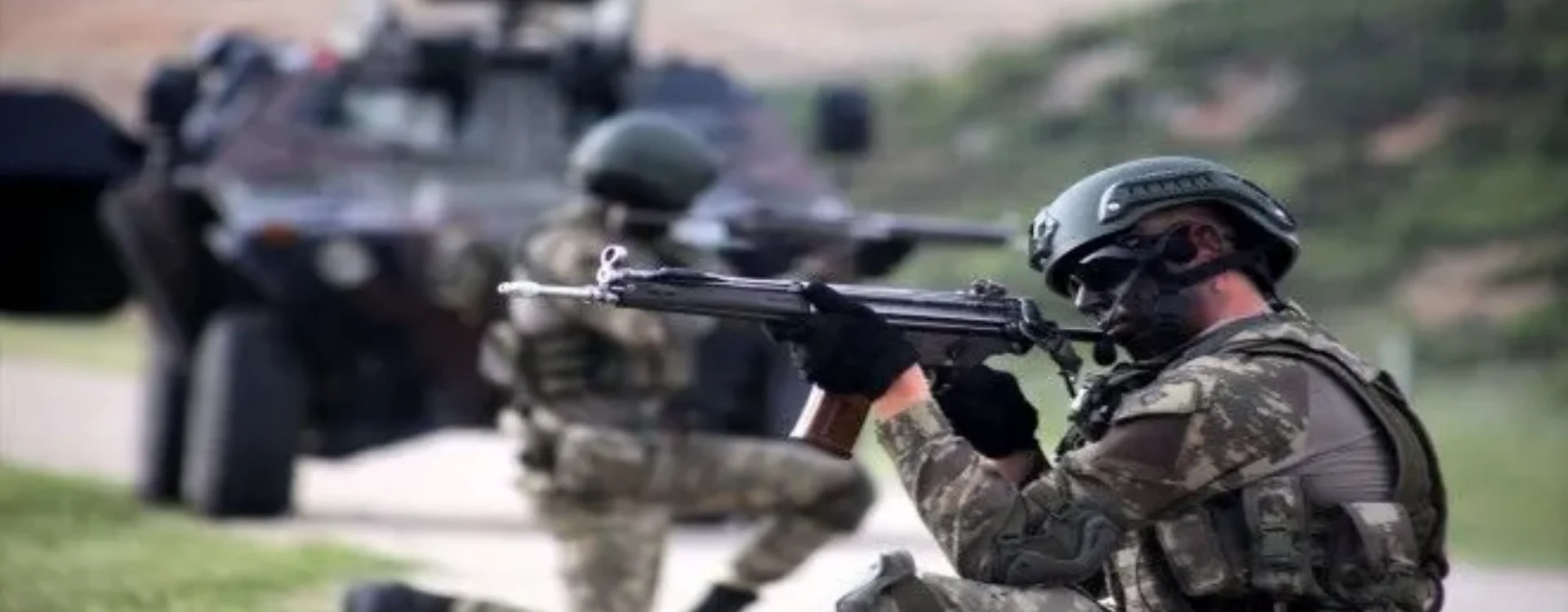
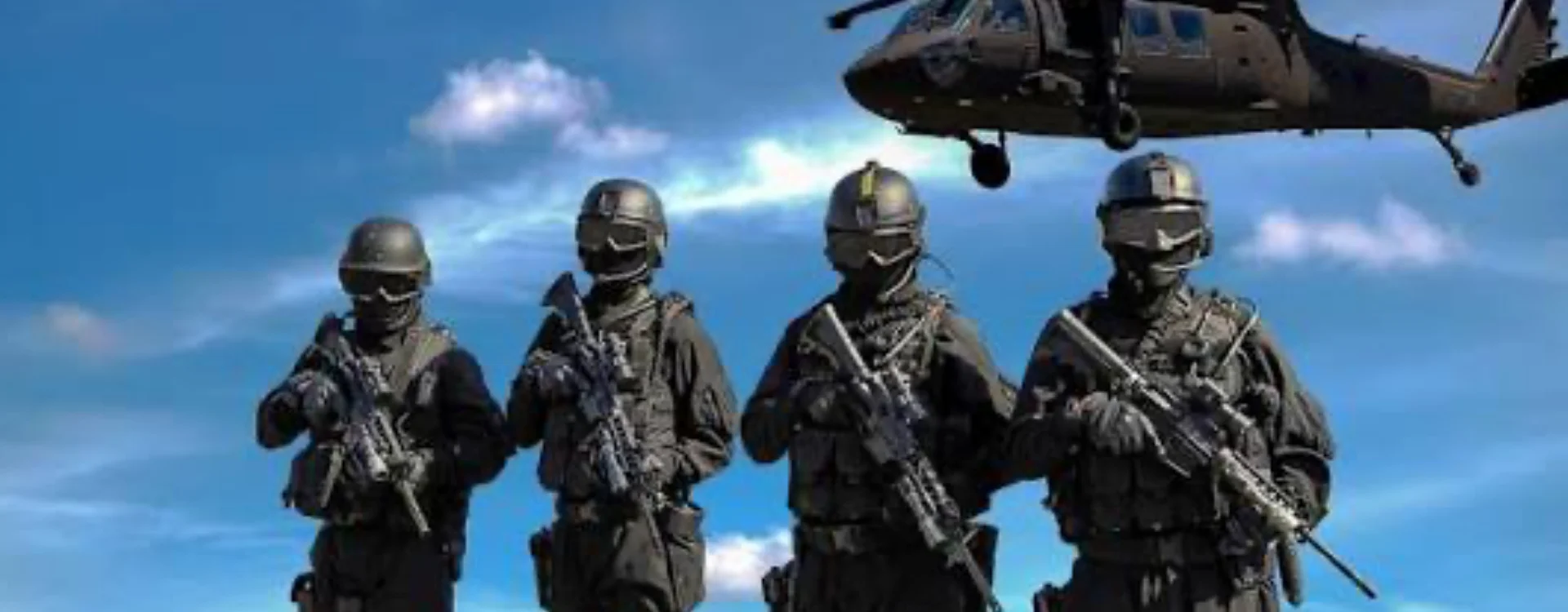
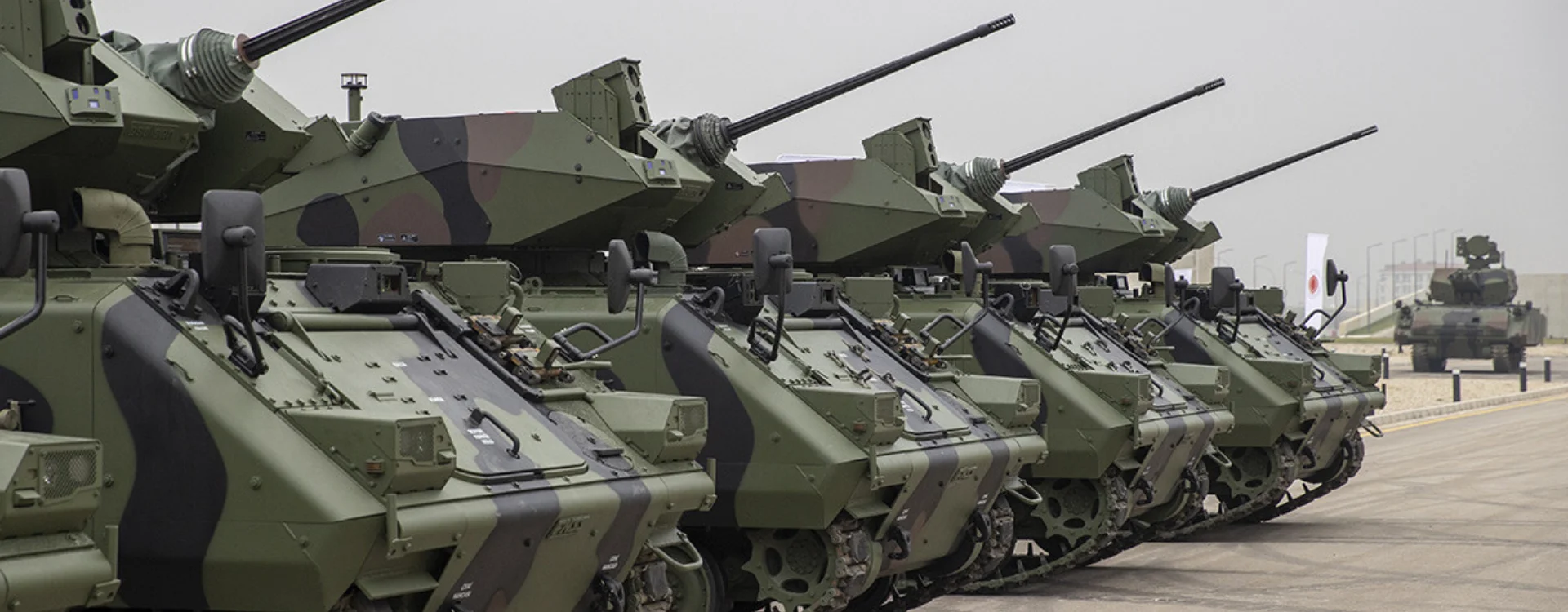
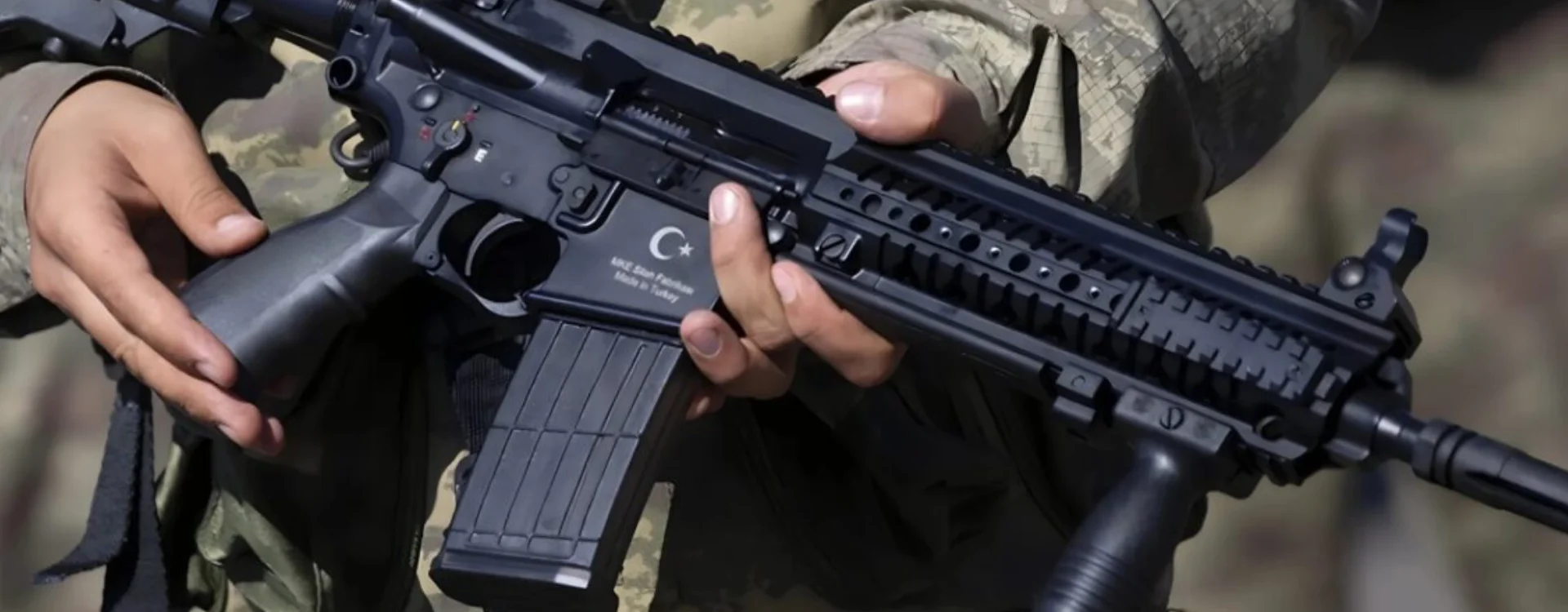
Armed forces are the general name for the military organization responsible for protecting a country’s sovereignty, territorial integrity, airspace, maritime zones and national security. In a modern state structure, armed forces are not only institutions that carry out defense activities; they also form a comprehensive structure that supports deterrence, contributes to crisis management, strengthens national security and can take part in humanitarian assistance and disaster support activities when necessary.
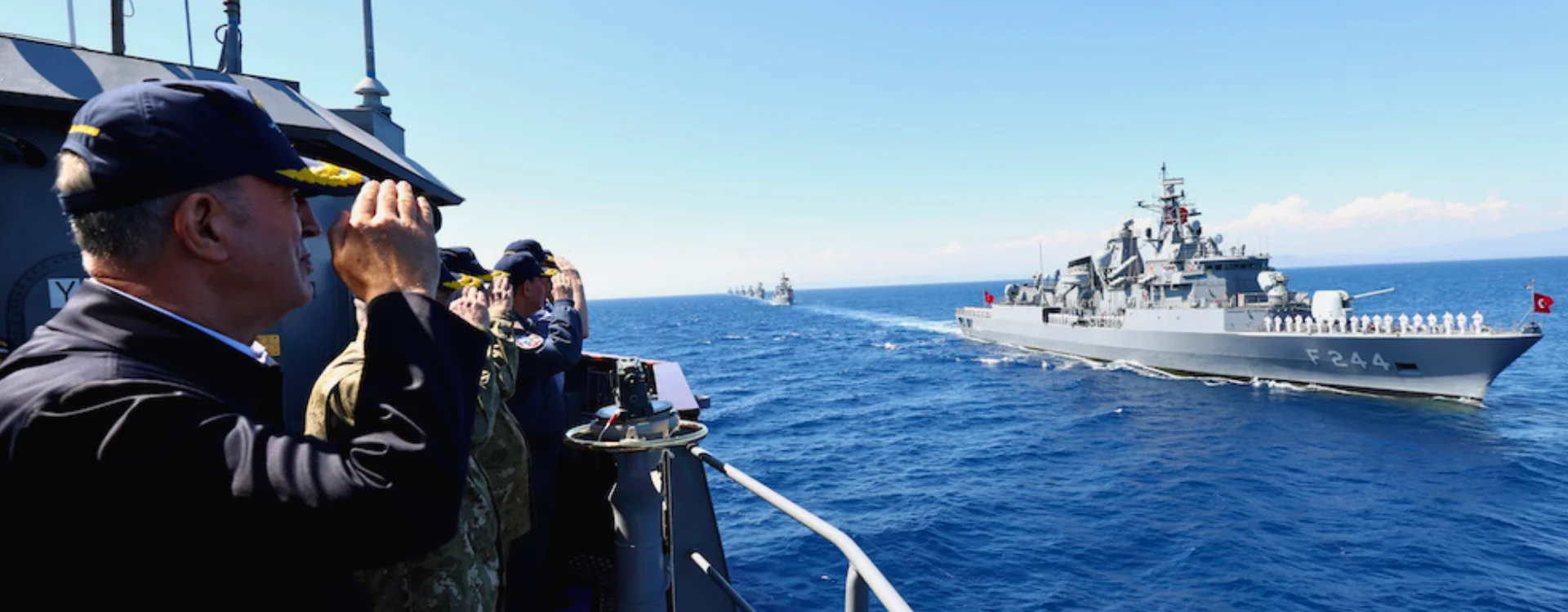
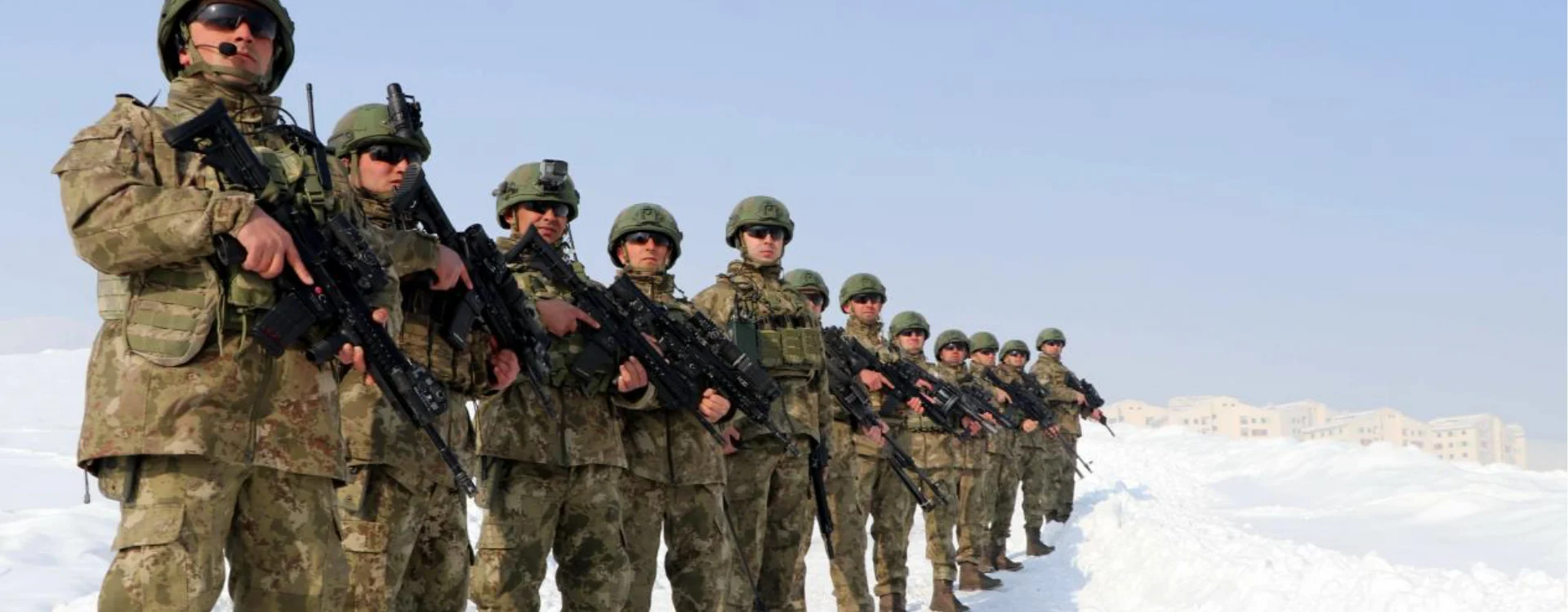
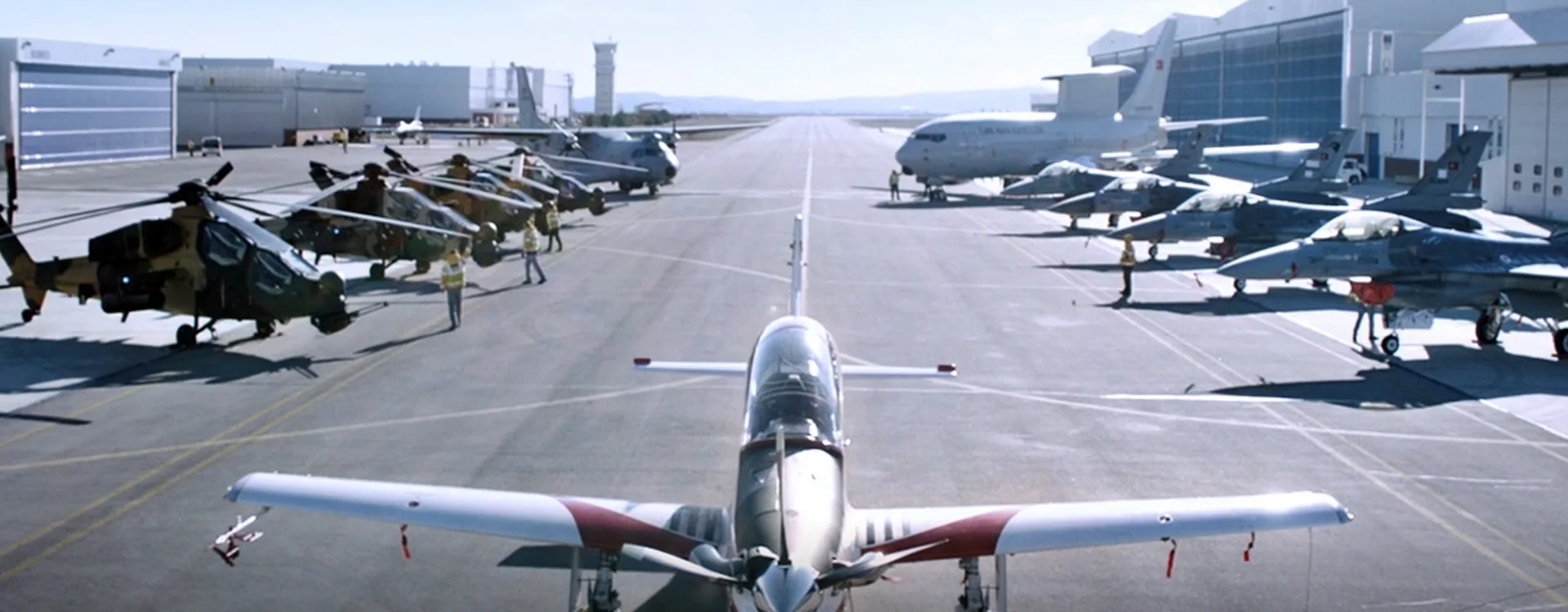
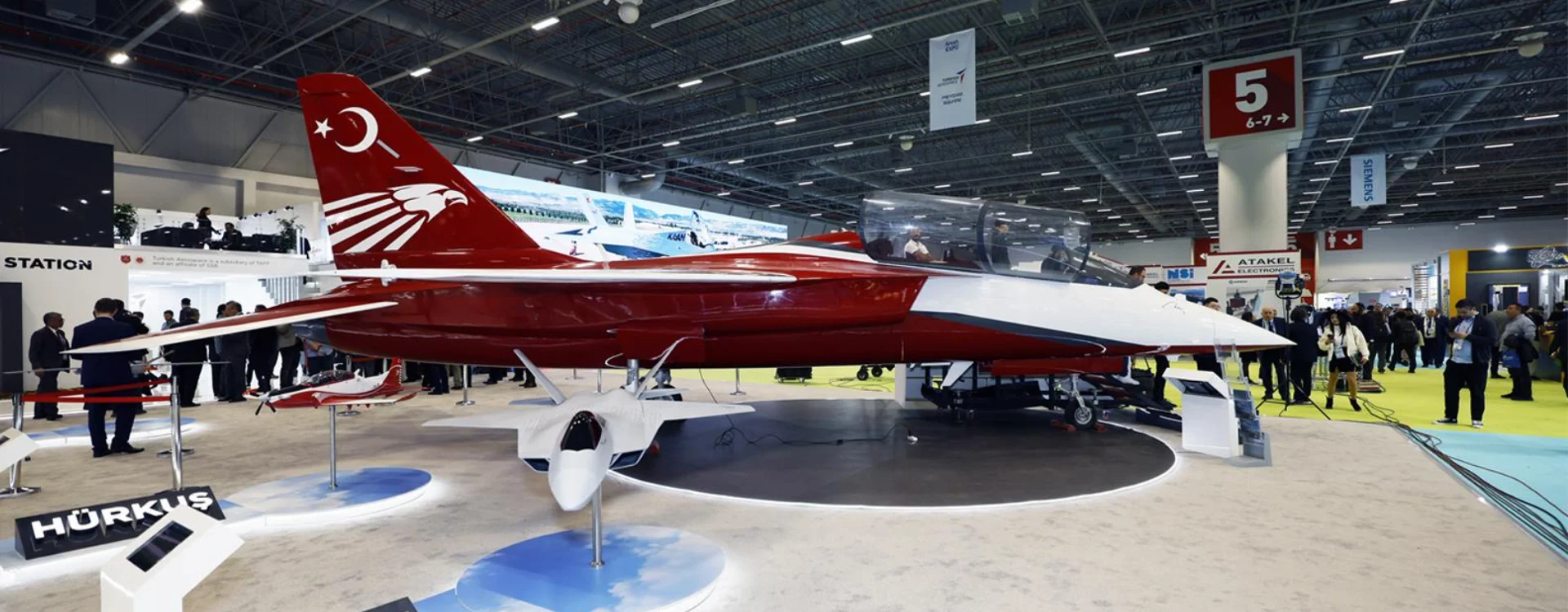
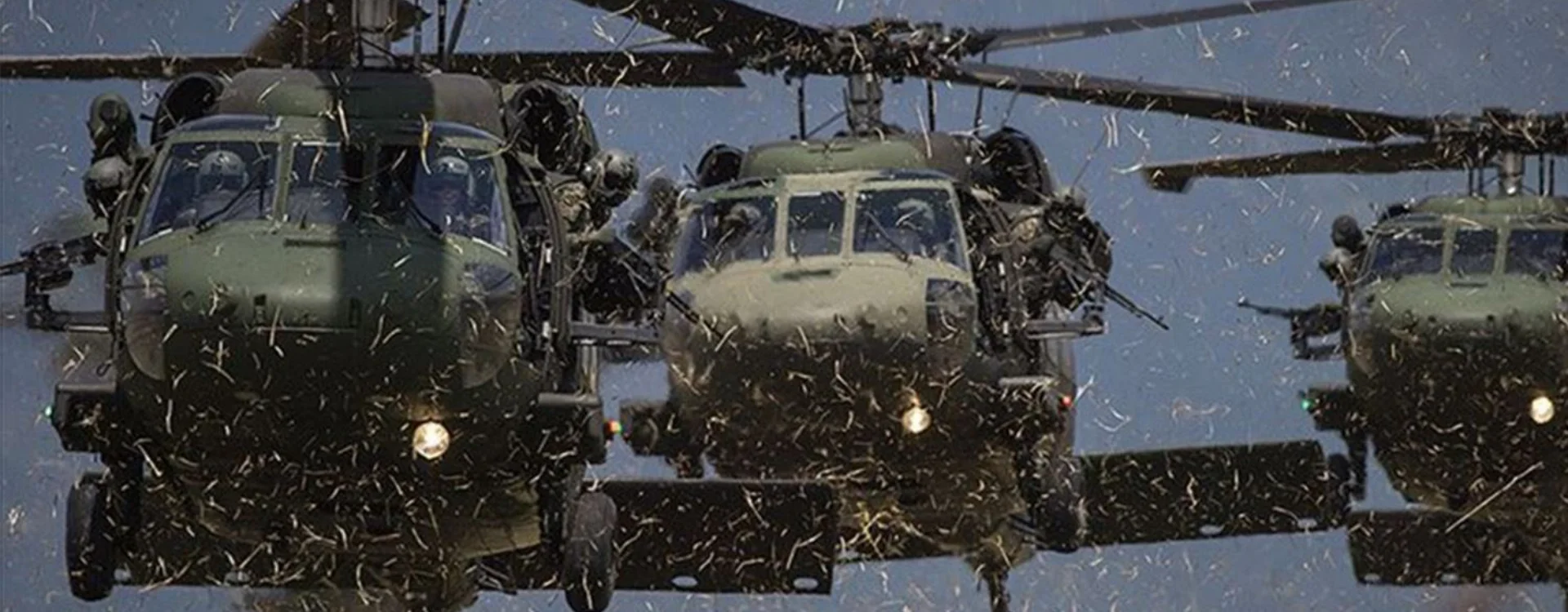
Armed forces generally consist of land, naval and air forces. While each force operates within its own area of responsibility, they work in coordination through common command and control systems. In modern defense, joint action between different forces, rapid information sharing and integrated operational capability are highly important.
One of the main duties of the armed forces is to support national defense and deterrence. In addition, protecting border security, monitoring airspace and maritime areas, contributing to the security of critical infrastructure and carrying out various tasks related to national security are also among their areas of responsibility. When required, they may also take part in international peace support missions and humanitarian aid operations.
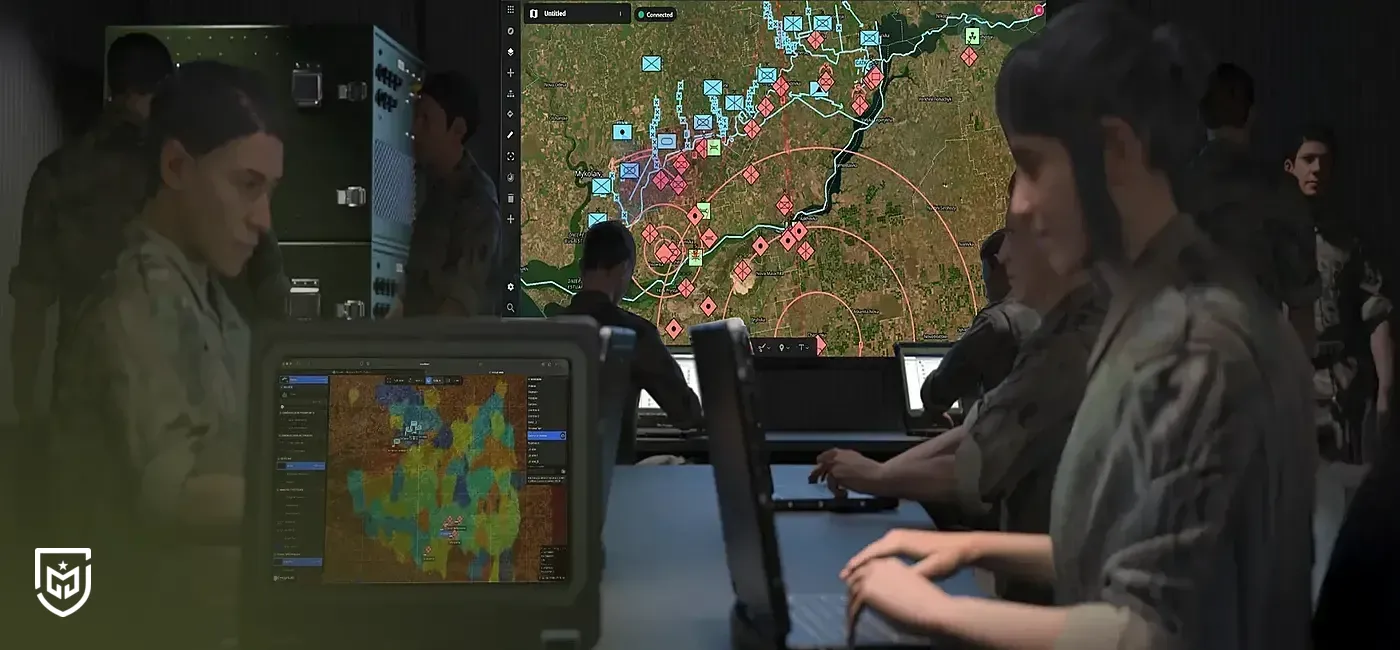
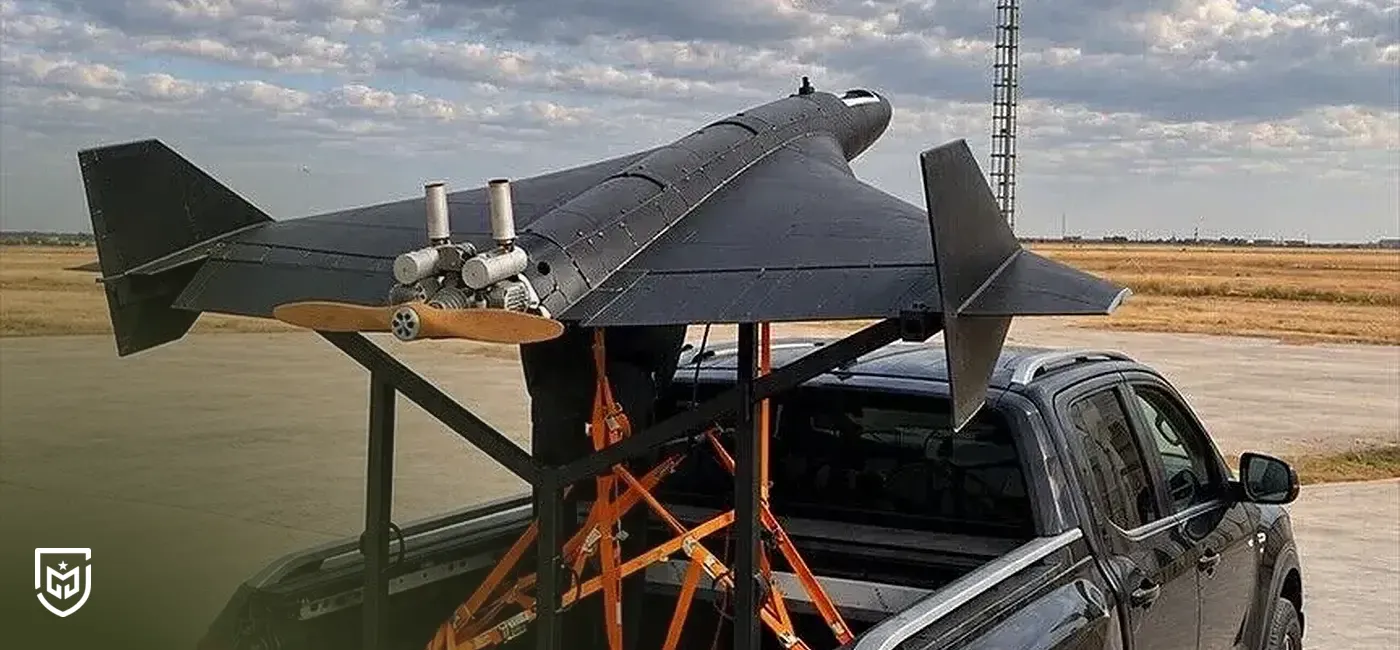
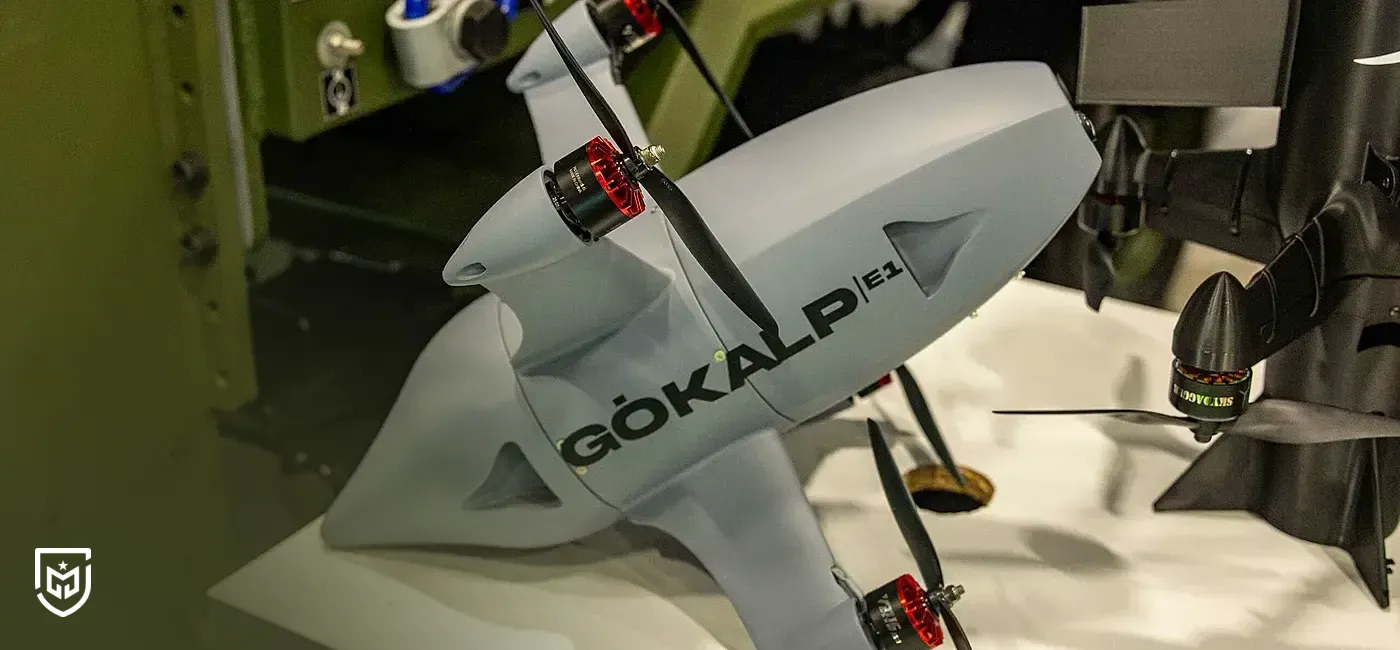
Technology is one of the most important power elements of modern armed forces. Radar systems, air defense solutions, unmanned aerial vehicles, satellite technologies, electronic sensors, secure communication systems and AI-supported analysis platforms can improve operational awareness and support faster decision-making processes.
Another important element is cybersecurity and electronic warfare technologies. Today, protecting communication infrastructures, ensuring the security of digital systems and using the electromagnetic spectrum effectively are among the main priorities of modern military organizations. Technological developments in these areas help defense systems operate more securely and in a more coordinated way.
The effectiveness of armed forces depends not only on technological infrastructure, but also on trained personnel, strong logistics systems, disciplined organizational structure and continuous training activities. Training, maintenance, supply and coordination processes are among the key elements that support the sustainability of defense capacity.
As a result, armed forces are not made up only of military units. They are a comprehensive security system in which human resources, the defense industry, advanced technology, artificial intelligence, cybersecurity, electronic warfare, logistics and strategic planning work together. In today’s changing security environment, armed forces continue to be among the most important institutions contributing to the protection of national security.


The cookies used on our website are used to provide you with a better user experience and to improve our website. You can manage your cookie preferences from the options below.




 Süheyla Yıldız