BREAKING NEWS

Helicopter carriers are among the strategic platforms that enable modern naval forces to gain flexible, rapid, and multi-mission operational capabilities. These vessels provide naval forces with significant freedom of maneuver in combat, crisis response, and humanitarian assistance operations. Although they may initially be perceived as platforms dedicated solely to helicopter deployment, helicopter carriers actually serve as core power-projection assets at the heart of naval operations. Their ability to support amphibious missions, conduct search and rescue, perform maritime surveillance, and provide logistical support allows navies to maintain effective sea control and deterrence.
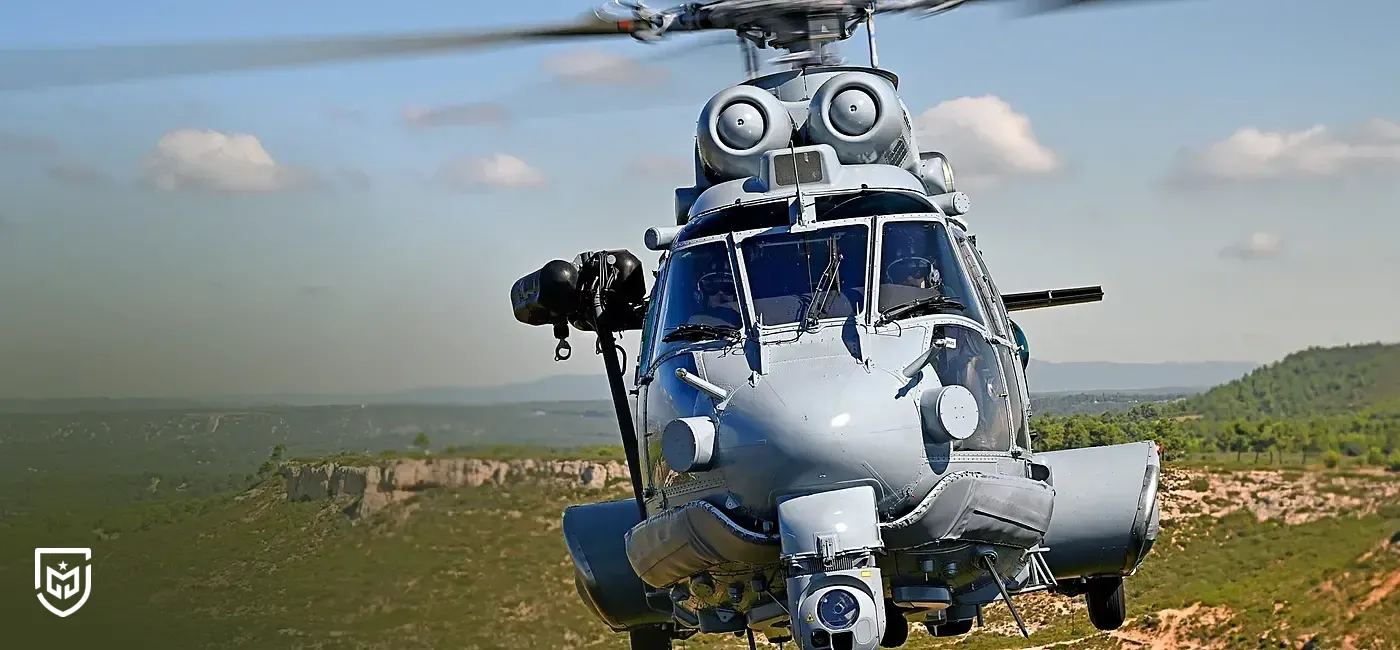
From a technical standpoint, helicopter carriers are equipped with expansive flight decks, hangar facilities, advanced command and control centers, and integrated logistical infrastructures. They can simultaneously operate multiple helicopter types for anti-submarine warfare, early warning, reconnaissance, and transport missions. In addition, by functioning as mobile sea bases during disaster relief and evacuation operations, they enable rapid response from sea to shore. The role of helicopter carriers extends beyond purely military functions, encompassing diplomatic visibility, regional stability, and humanitarian assistance capabilities. In this respect, helicopter carriers are regarded as indispensable components of future naval defense and power projection concepts.


The cookies used on our website are used to provide you with a better user experience and to improve our website. You can manage your cookie preferences from the options below.




 Rabia Kılıç