BREAKING NEWS
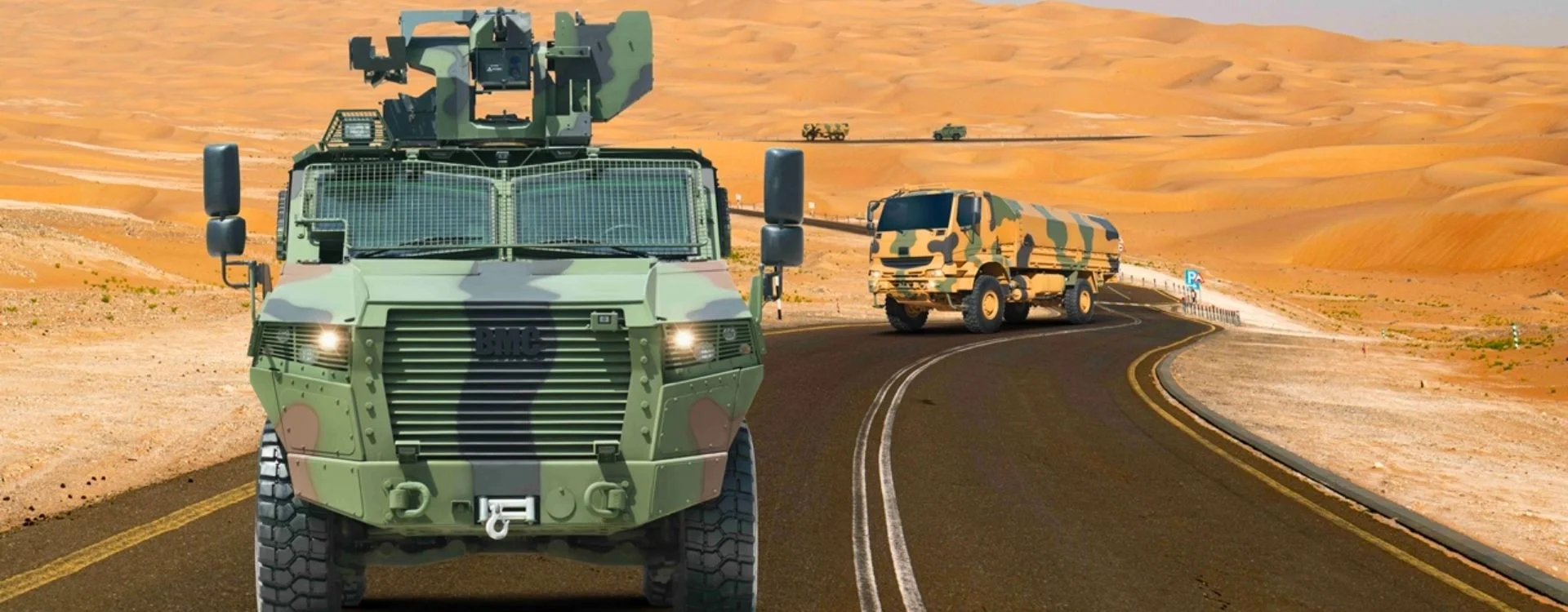
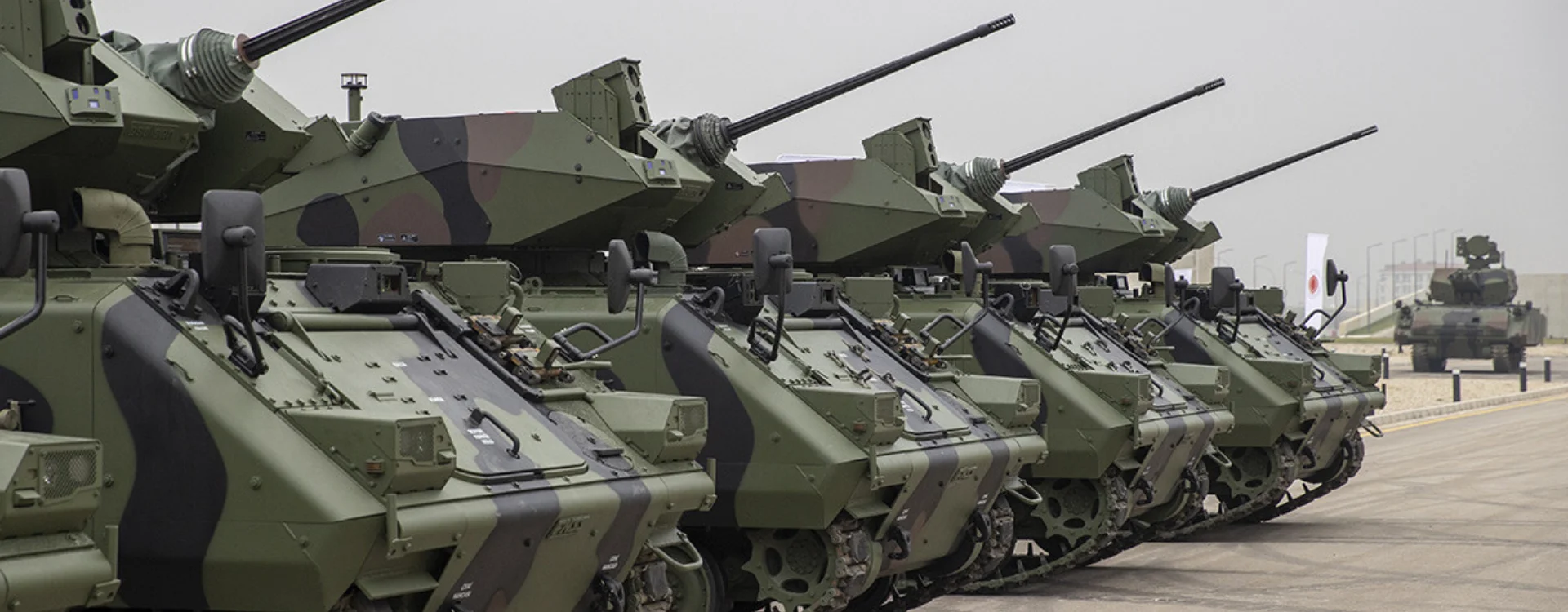
Tactical armored vehicles have become indispensable assets in today’s military and security operations, while evolving threat environments are fundamentally reshaping their design and operational concepts. In particular, asymmetric warfare, urban combat, and counter-terrorism missions have increased the demand for lighter, more agile, and multi-role armored platforms. Enhanced personnel protection, modular architectures, and mission-specific adaptability stand out as the defining characteristics of next-generation tactical armored vehicles.
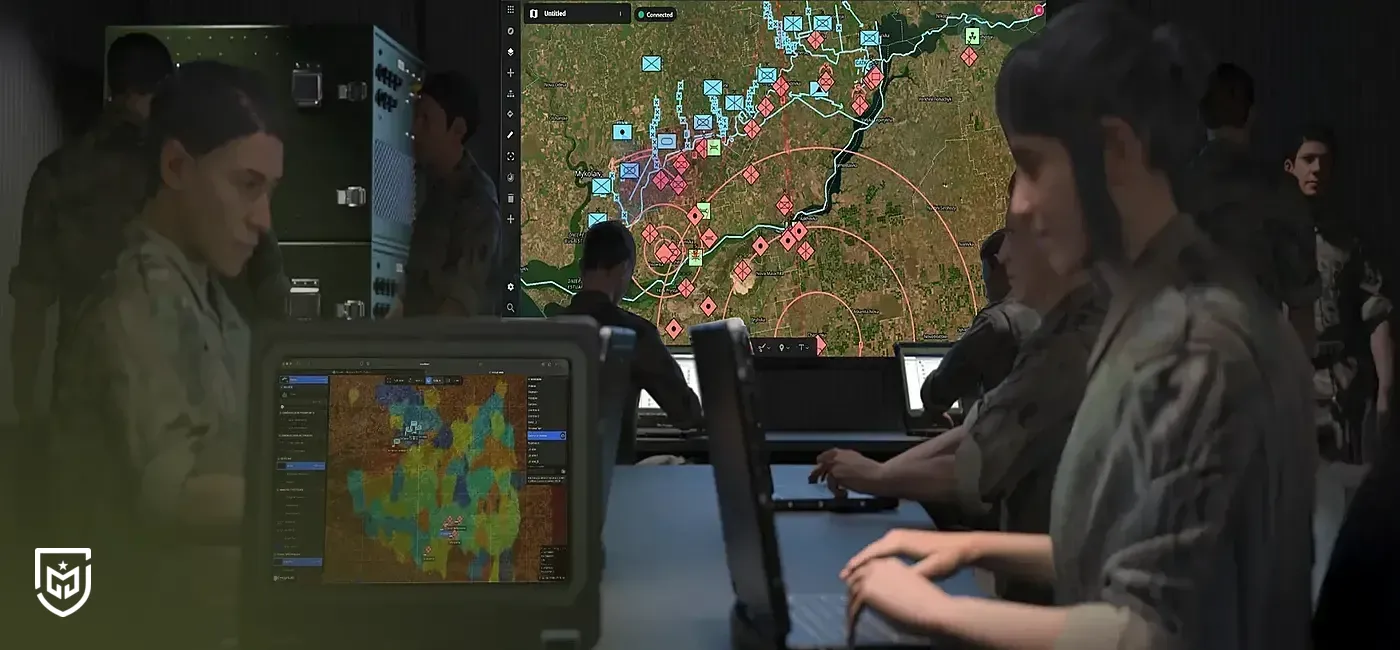
When current tactical armored vehicle trends are examined, key developments include improved ballistic and mine protection levels, hybrid and electric propulsion systems, advanced situational awareness sensors, and remote-controlled weapon stations. Furthermore, the integration of vehicles into network-centric warfare systems, real-time data sharing, and autonomous driving support significantly enhance operational effectiveness. Armored platforms capable of operating alongside unmanned ground vehicles aim to reduce personnel risk during high-threat missions, while logistical efficiency and ease of maintenance have become core design priorities. These trends clearly demonstrate that tactical armored vehicles are no longer merely transport assets, but multi-dimensional combat systems designed for modern battlefields.


The cookies used on our website are used to provide you with a better user experience and to improve our website. You can manage your cookie preferences from the options below.


 Rabia Kılıç