BREAKING NEWS
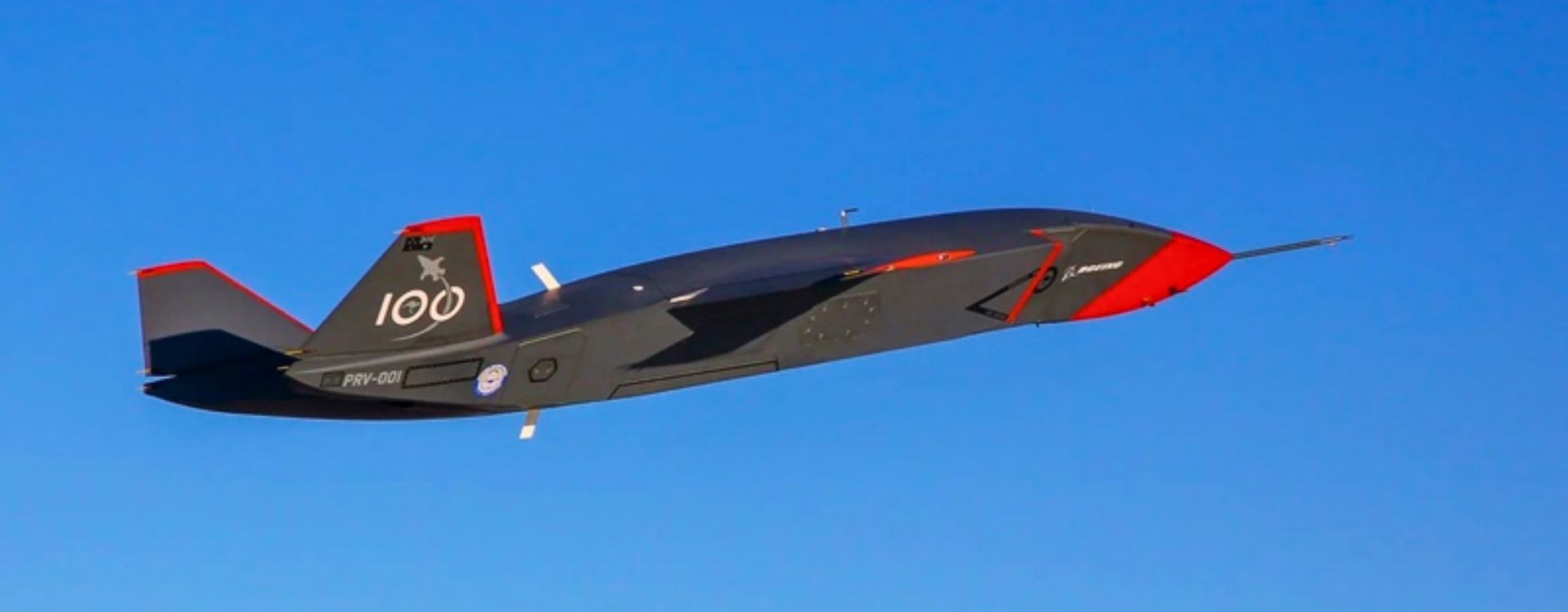
The concept of pilot-assisted unmanned combat aircraft represents an innovative approach that brings together human experience and AI-supported autonomous systems within modern air combat operations. In these systems, the aircraft remains open to pilot control during critical decision-making moments, while artificial intelligence and autonomous algorithms actively handle tasks such as reconnaissance, target tracking, threat analysis, and maneuver assistance. This structure reduces pilot workload, shortens reaction times, and minimizes human-factor–related errors during high-risk missions. The pilot-assisted model stands out as a significant force multiplier, particularly in air superiority, deep strike, and electronic warfare missions.
From a technical standpoint, pilot-assisted unmanned combat aircraft are equipped with advanced sensor fusion, decision-support software, real-time data processing, and network-centric warfare systems. Artificial intelligence analyzes battlefield threats and provides recommendations to the pilot or executes automatic maneuvers based on predefined scenarios. Historically, air combat doctrine has evolved from fully manned platforms toward unmanned systems, and this hybrid approach represents a new phase in that evolution. With flexibility, enhanced situational awareness, and increased operational safety, pilot-assisted unmanned combat aircraft are emerging as a strategic solution for future air forces.


The cookies used on our website are used to provide you with a better user experience and to improve our website. You can manage your cookie preferences from the options below.



 Rabia Kılıç