BREAKING NEWS
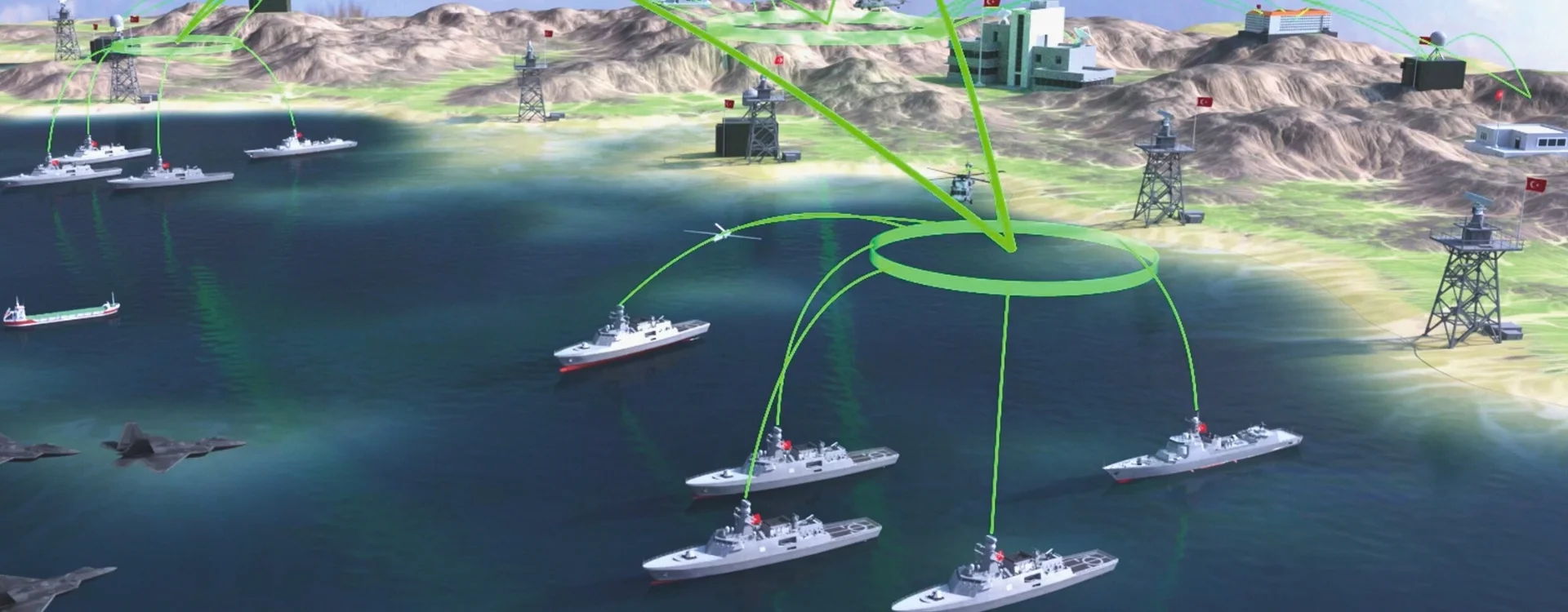
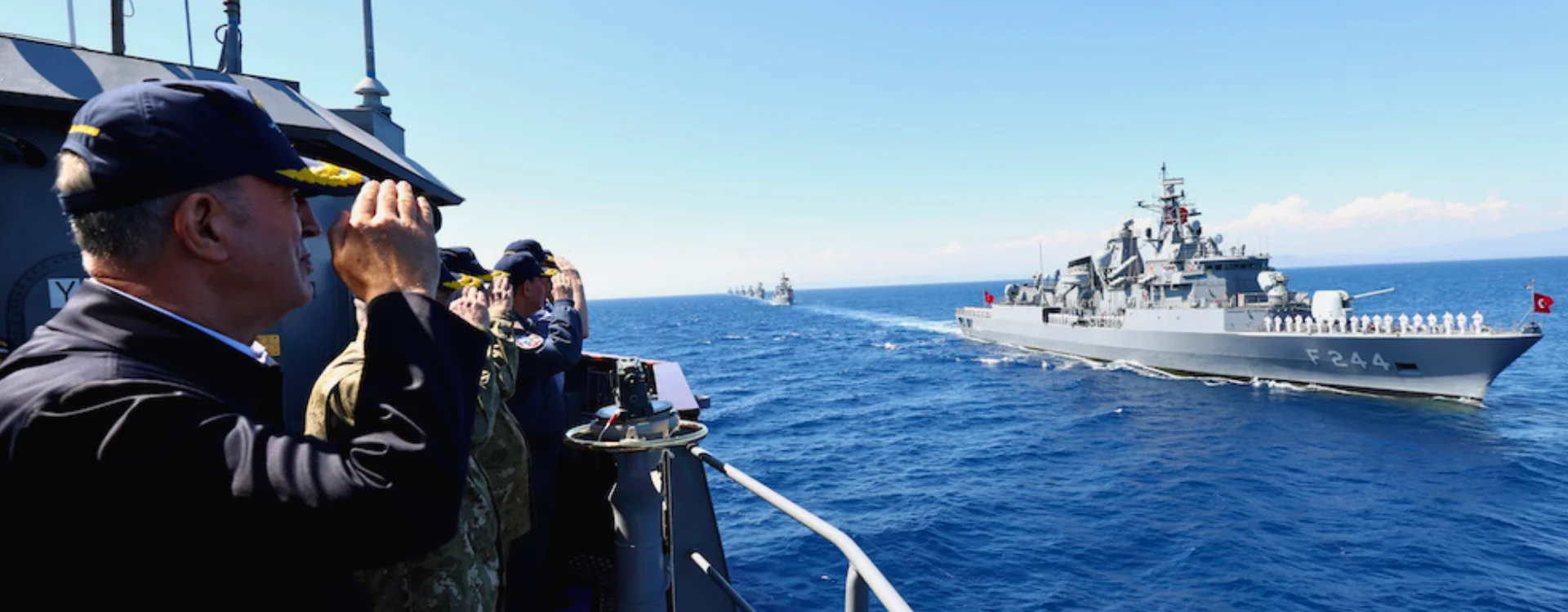
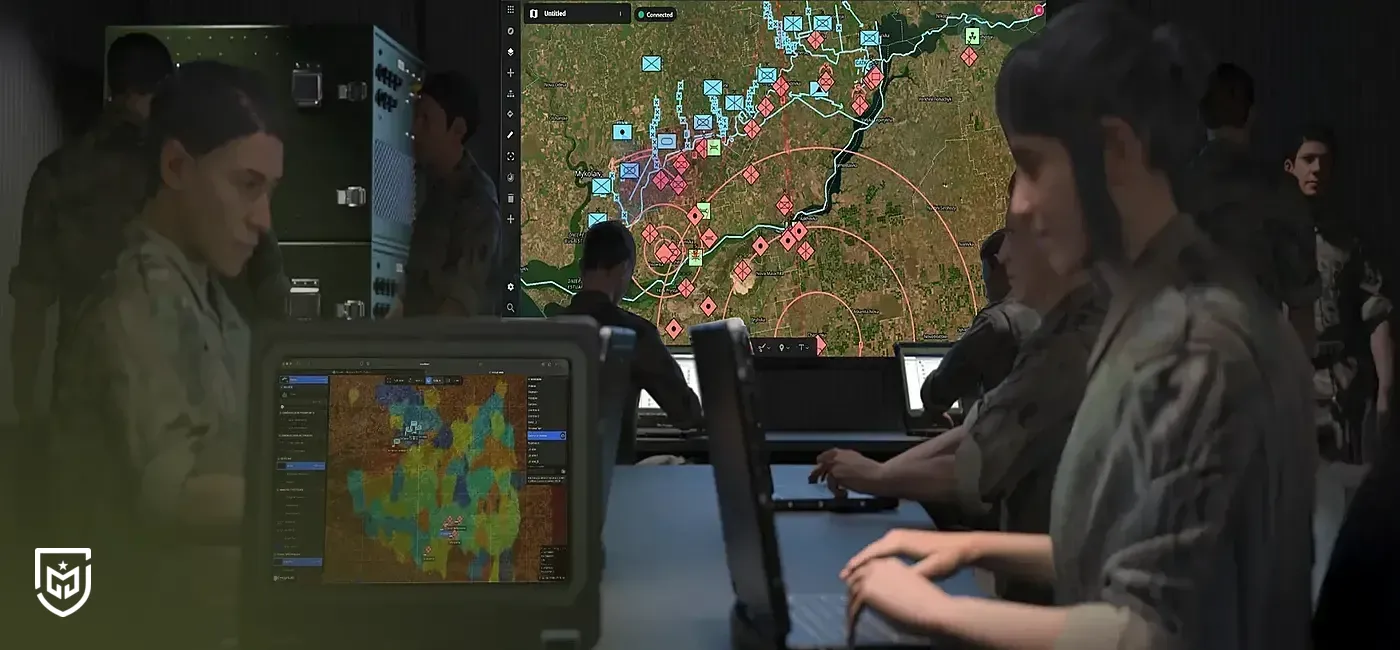
In Naval Forces, Network-Centric Warfare (NCW) is a modern warfare concept that connects all battlefield elements through digital networks, enabling real-time data sharing. Through this system, warships, submarines, unmanned aerial vehicles, and command centers operate on a unified digital backbone. The primary objective is to increase situational awareness, shorten decision-making time, and achieve operational superiority. While traditional naval warfare relied on individual platform capabilities, the network-centric approach ensures that all units operate based on a shared operational picture.
From a technical perspective, Network-Centric Warfare is built upon the integration of sensors, radar systems, satellite communications, data links, and command-and-control software. Advanced combat management systems and integrated radar networks enable target detection, threat analysis, and engagement decisions within seconds. For example, the Aegis combat system integrates radar and missile defense networks into a unified structure, allowing simultaneous defense against multiple threats. In this doctrine, the most critical element is information superiority. The side that accesses, processes, and distributes information the fastest gains a decisive strategic advantage at sea.
The network-centric structure is based on three fundamental components: Sensor Networks (ISR – Intelligence, Surveillance, Reconnaissance), Command and Control (C2), and Effectors (weapon systems). Sensors collect data, command centers analyze it, and weapon systems engage identified threats. All processes are synchronized through secure digital data links. This enables a target detected by one ship’s radar to be engaged by another platform, creating a significant force-multiplier effect.
In Naval Forces, Network-Centric Warfare plays a critical role in missile defense, naval air defense, anti-submarine warfare, and amphibious operations. Modern navies now compete not only through firepower but also through data transmission speed and network capacity. Cybersecurity is an integral component of this structure, as any disruption in the network could result in operational paralysis.
Ultimately, Network-Centric Warfare represents not merely a technological evolution but a doctrinal transformation for Naval Forces. The shift from a platform-centric structure to an information-centric architecture is reshaping the future of naval warfare. With increasing digital integration, unmanned systems and artificial intelligence-supported decision mechanisms are expected to further advance this concept.


The cookies used on our website are used to provide you with a better user experience and to improve our website. You can manage your cookie preferences from the options below.




 Süheyla Yıldız