BREAKING NEWS
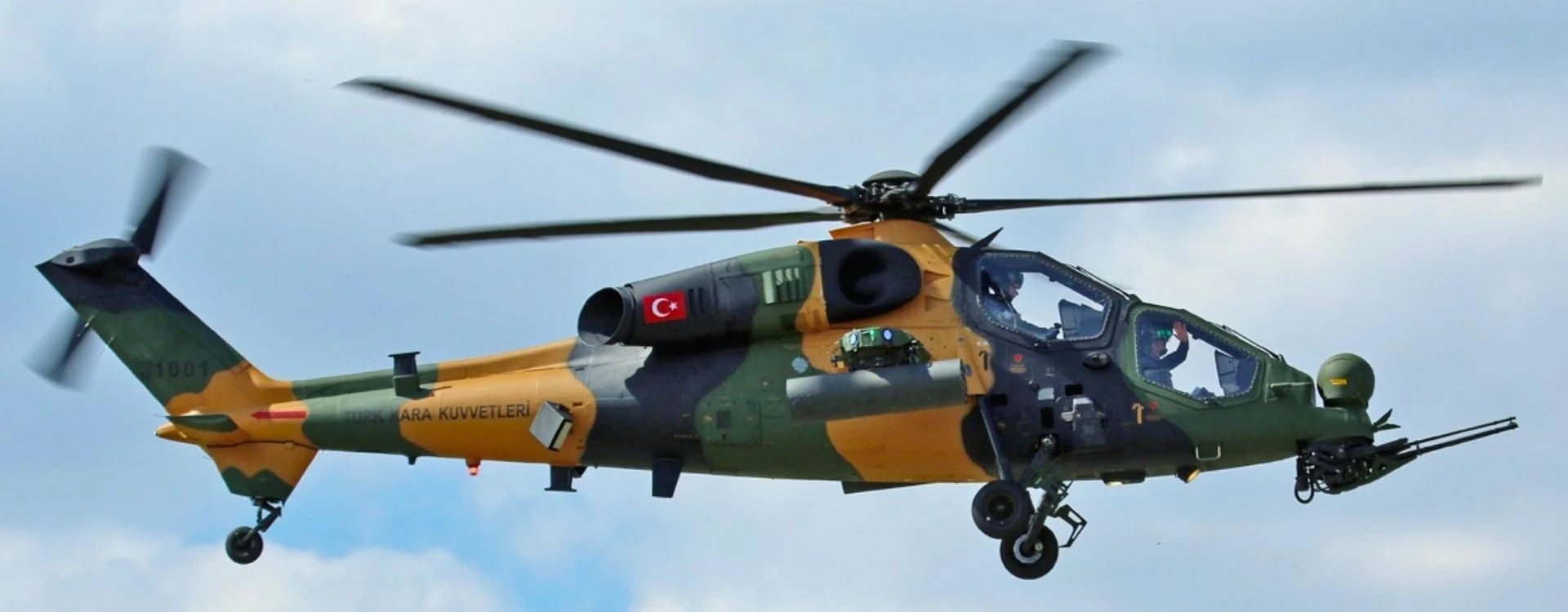
Counter-Terrorism Technologies have become a cornerstone of modern security strategies as threat structures evolve and asymmetric attack methods grow more complex. Relying solely on manpower is no longer sufficient; instead, advanced, technology-driven solutions play a decisive role. The primary objective of these technologies is to detect potential terrorist activities in advance, reduce risks, and enable rapid and precise intervention. At the initial stage, intelligence gathering, early warning mechanisms, and target analysis are significantly enhanced through technological integration, allowing security forces to act proactively rather than reactively.
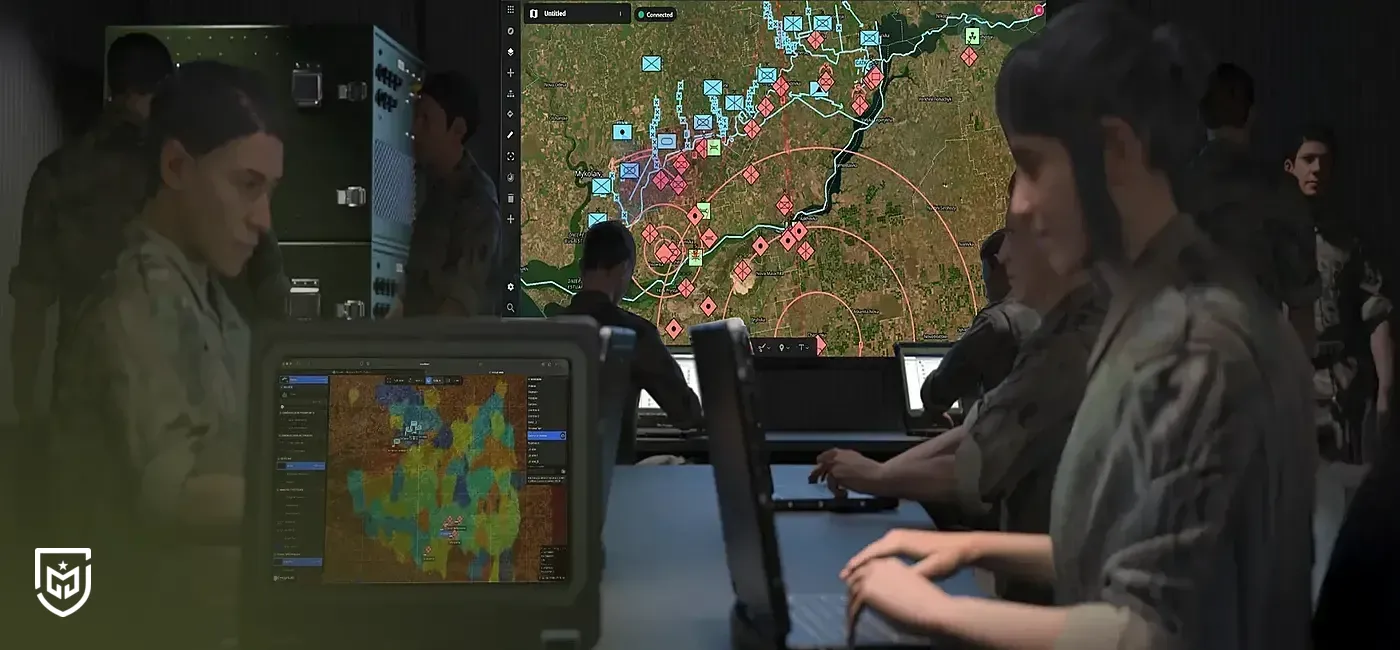
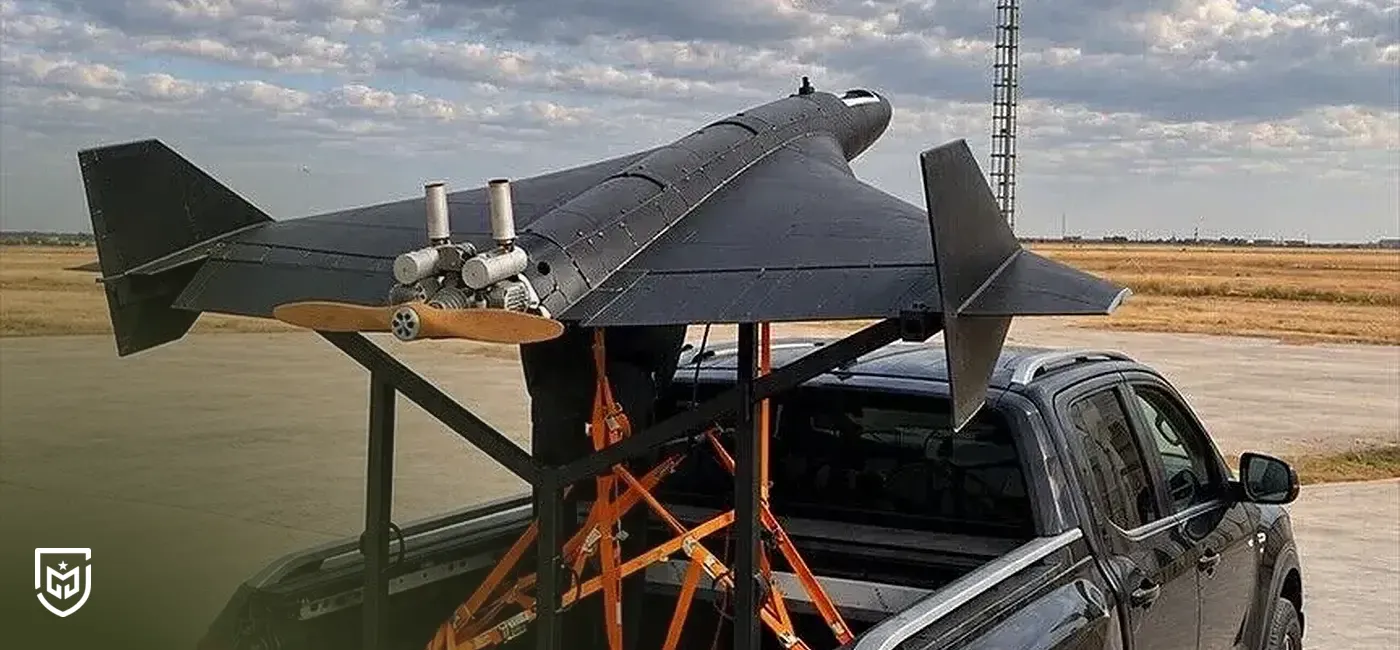
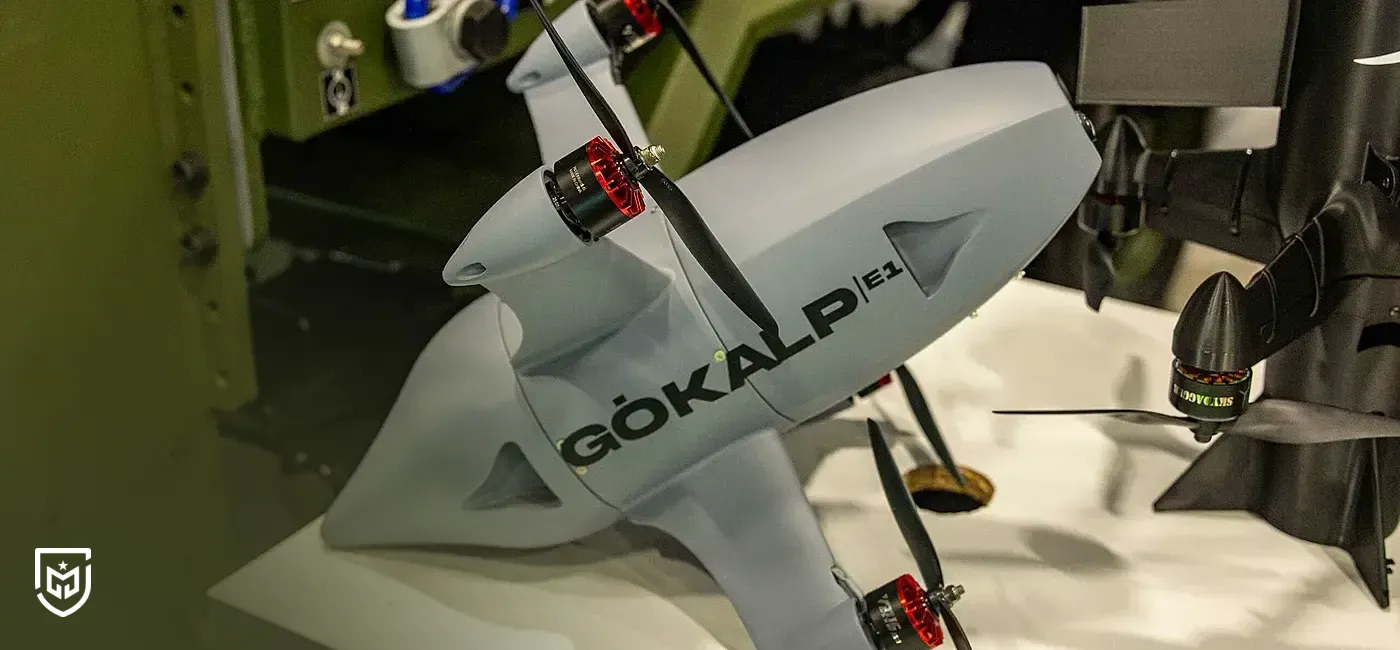
In contemporary counter-terrorism efforts, unmanned aerial vehicles (UAVs), facial recognition and biometric systems, big data analytics, artificial intelligence–based surveillance software, and signal and imagery analysis technologies are widely employed. These tools are used across a broad spectrum, from securing crowded public spaces to monitoring border regions and critical infrastructure. AI-powered algorithms can quickly identify suspicious behavior patterns and deliver real-time alerts to security units. Historically, counter-terrorism relied heavily on physical operations; today, however, digitalization and intelligent technologies have become the key factors shaping operational success. Counter-Terrorism Technologies provide both preventive and deterrent capabilities, making them indispensable elements of modern national and urban security frameworks.


The cookies used on our website are used to provide you with a better user experience and to improve our website. You can manage your cookie preferences from the options below.



 Rabia Kılıç