BREAKING NEWS
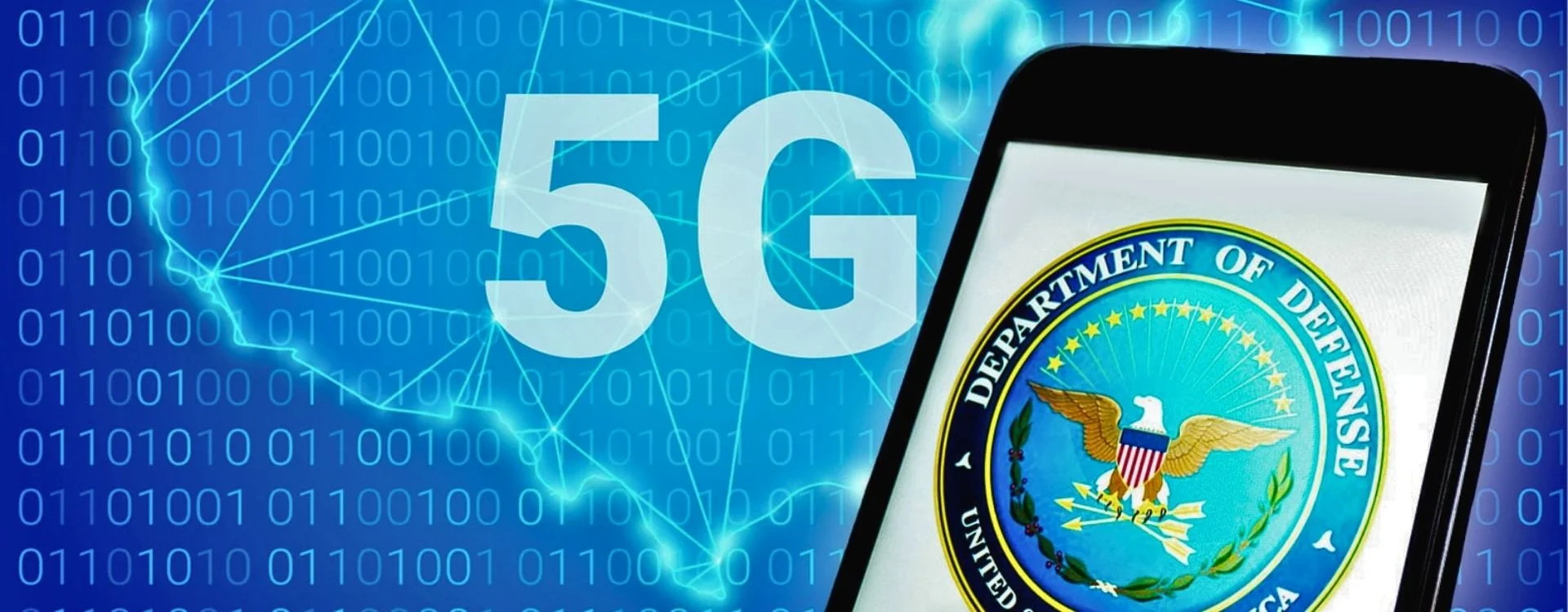
The military use of 5G has emerged as a strategic technology that fundamentally transforms communication, command-and-control, and operational capabilities of modern armed forces. While 5G is widely known in civilian life for its high speed and low latency, its role in military applications is far more critical. Real-time data transmission, control of autonomous systems, and uninterrupted connectivity between deployed units significantly increase the speed, accuracy, and effectiveness of military operations. With 5G, all elements on the battlefield can operate within a single, integrated digital ecosystem.
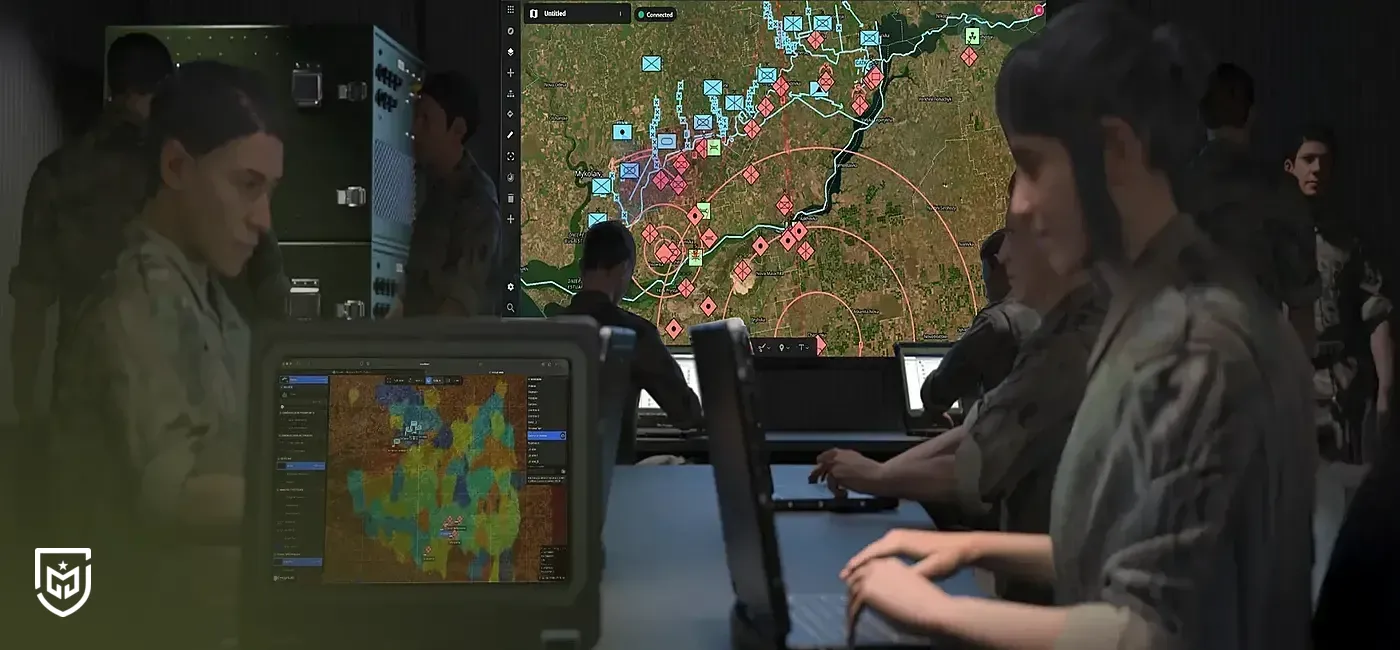
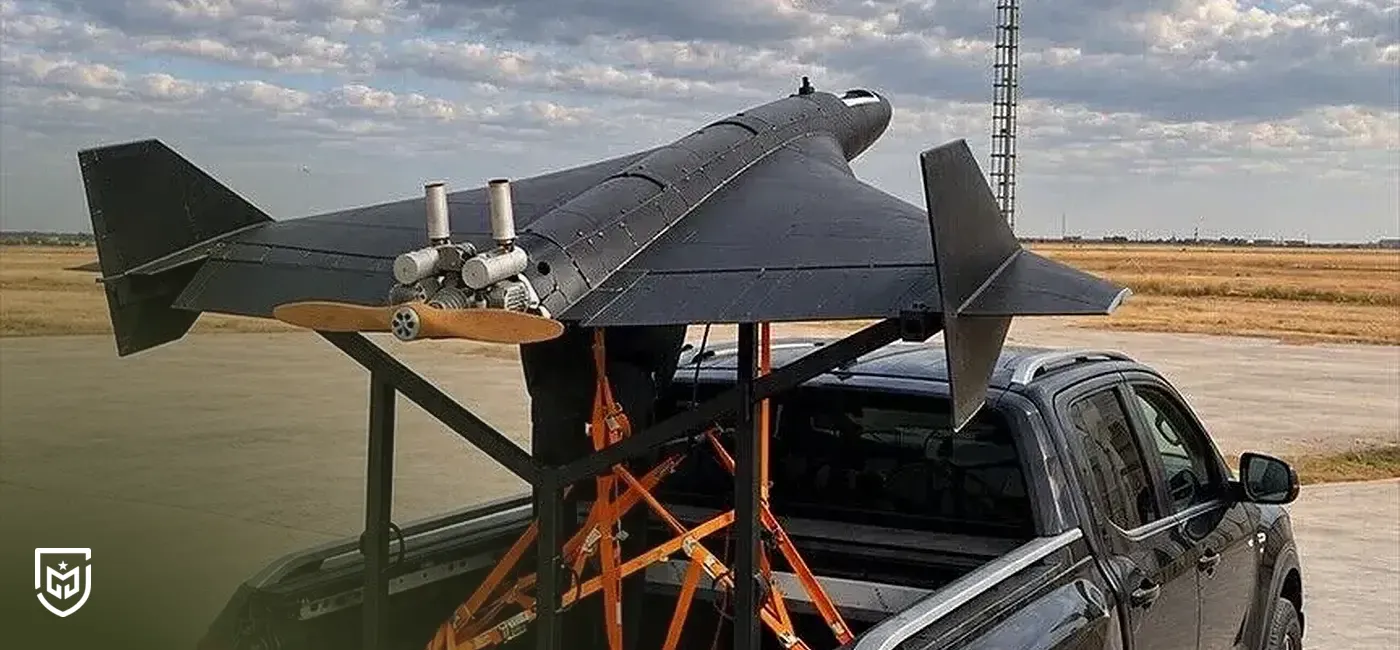
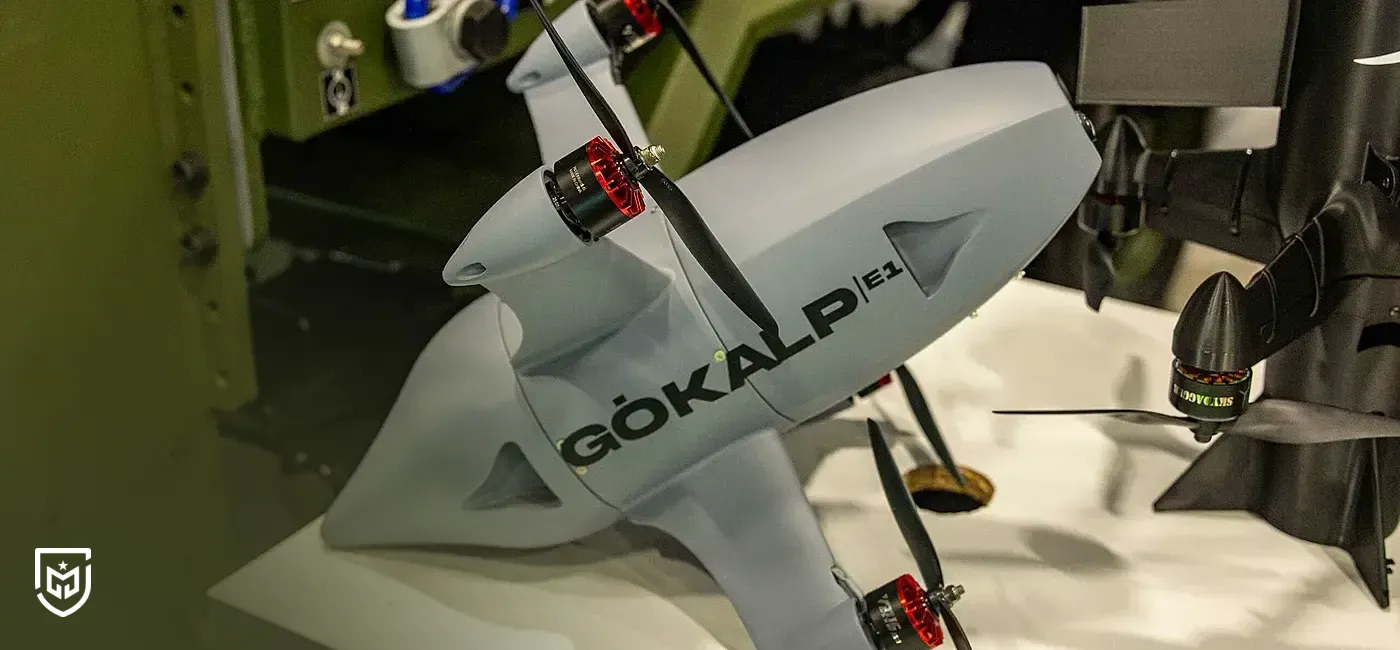
From a technical perspective, military 5G stands out with its ultra-low latency, high bandwidth, and ability to support a massive number of connected devices simultaneously. Unmanned aerial vehicles, autonomous ground platforms, wearable soldier technologies, and distributed sensor networks can transmit and receive data instantly over 5G infrastructure. In addition, dedicated military 5G networks offer closed, encrypted, and locally controlled architectures to counter cyber threats and electronic warfare risks. This structure elevates the concept of network-centric warfare to a higher level, providing armed forces with information superiority and a decisive advantage in decision-making.


The cookies used on our website are used to provide you with a better user experience and to improve our website. You can manage your cookie preferences from the options below.




 Rabia Kılıç