


Air Forces News
Electronic Systems


BREAKING NEWS
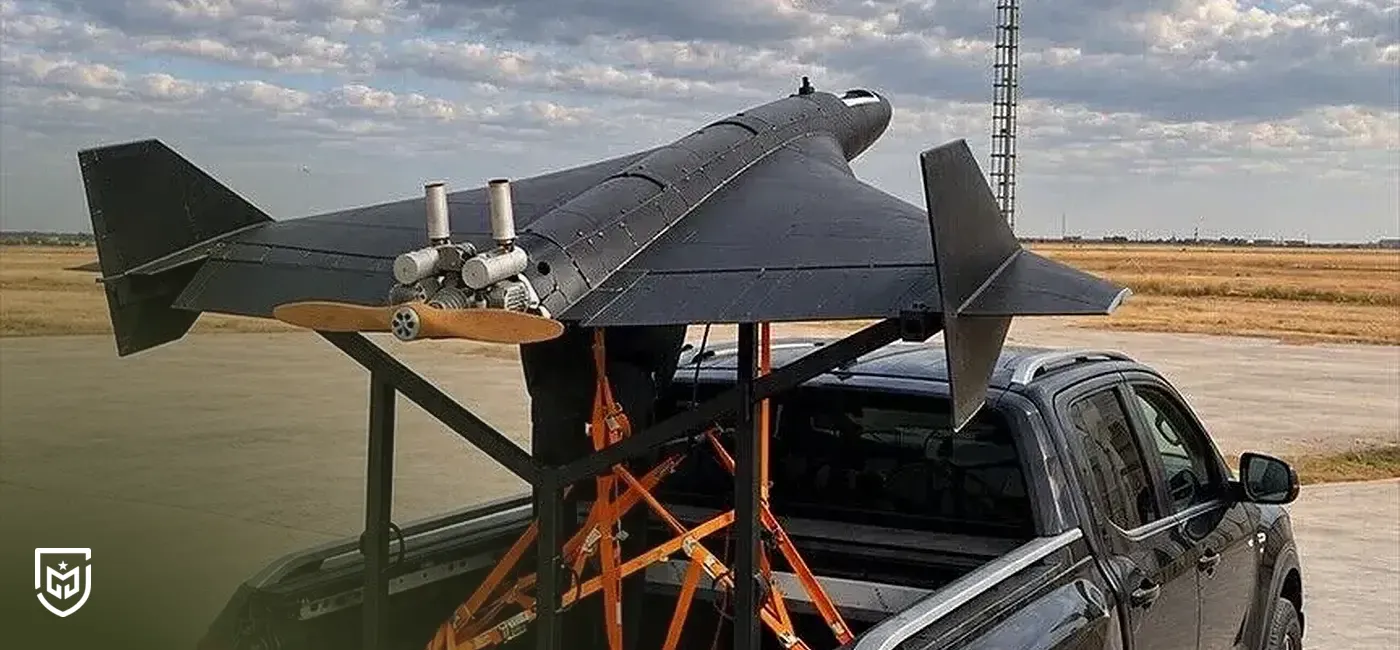
SolidAERO, a defense technology company, has operationalized the ÇEPNI fixed-wing tactical unmanned aerial vehicle family as a new addition to its UAV solutions portfolio. Named after the Oghuz Turks' ÇEPNI tribe, this new platform family stands out for its modular architecture capable of executing multiple missions from a common airframe design. The system was first deployed in field operations as a target aircraft for the development of a defense system solution.
SolidAERO's new product addresses the operational flexibility requirements of forward-deployed units in Turkish defense operations. Equipped with advanced technical infrastructure, ÇEPNI can be assembled and made mission-ready in under 30 minutes by a single operator from a containerized configuration. The system eliminates runway dependency through launch via vehicle-mounted ramps or pneumatic catapult systems, enabling rapid deployment in dispersed operational environments. These characteristics provide critical advantages in mobile and distributed operational scenarios.
The ÇEPNI family operates in three distinct operational variants thanks to its modular design philosophy. The ÇEPNI Midrange, developed for intelligence, surveillance, reconnaissance, and strike operations, achieves ranges of hundreds of kilometers. With a 15-kilogram payload capacity, this variant can integrate various mission-specific equipment or strike packages as required. The second family member, ÇEPNI Target, serves as a reusable aerial target for radar, missile, and artillery training of air defense systems. Operating at ranges exceeding 100 kilometers with a 5-kilogram payload capacity, this platform can rapidly transition between sorties thanks to its reinforced structure and deck-landing capability. The third variant, ÇEPNI Decoy, is configured to deceive enemy air defense networks and saturate radar capabilities in tactical environments.
ÇEPNI's technical architecture was designed considering the challenging electromagnetic environment of modern warfare with dense jamming conditions. The airframe, constructed from carbon fiber, presents a low radar cross-section and achieves a cruise speed of 185 kilometers per hour. The ÇEPNI Target variant, which plays a critical role particularly in training missions, can replicate enemy air defense signatures through specialized onboard modules. By reflecting radar signatures of fighter aircraft, helicopters, or missiles and simulating complex threat profiles, the platform plays an important role in air defense system training and evaluation.
Within the Turkish defense industry, ÇEPNI represents industrial diversification in the fixed-wing tactical UAV category. This platform family, offering logistical simplicity, rapid reaction capability, and high survivability from a single infrastructure, constitutes a new link in the multi-functional solutions provided in the operational domain. The modular design philosophy enables rapid adaptation to different operational scenarios, thereby increasing the effectiveness of system investment and operational deployment flexibility.


The cookies used on our website are used to provide you with a better user experience and to improve our website. You can manage your cookie preferences from the options below.
 Murat Yılmaz
Post Comment
Comments
No comments yet.
Related News
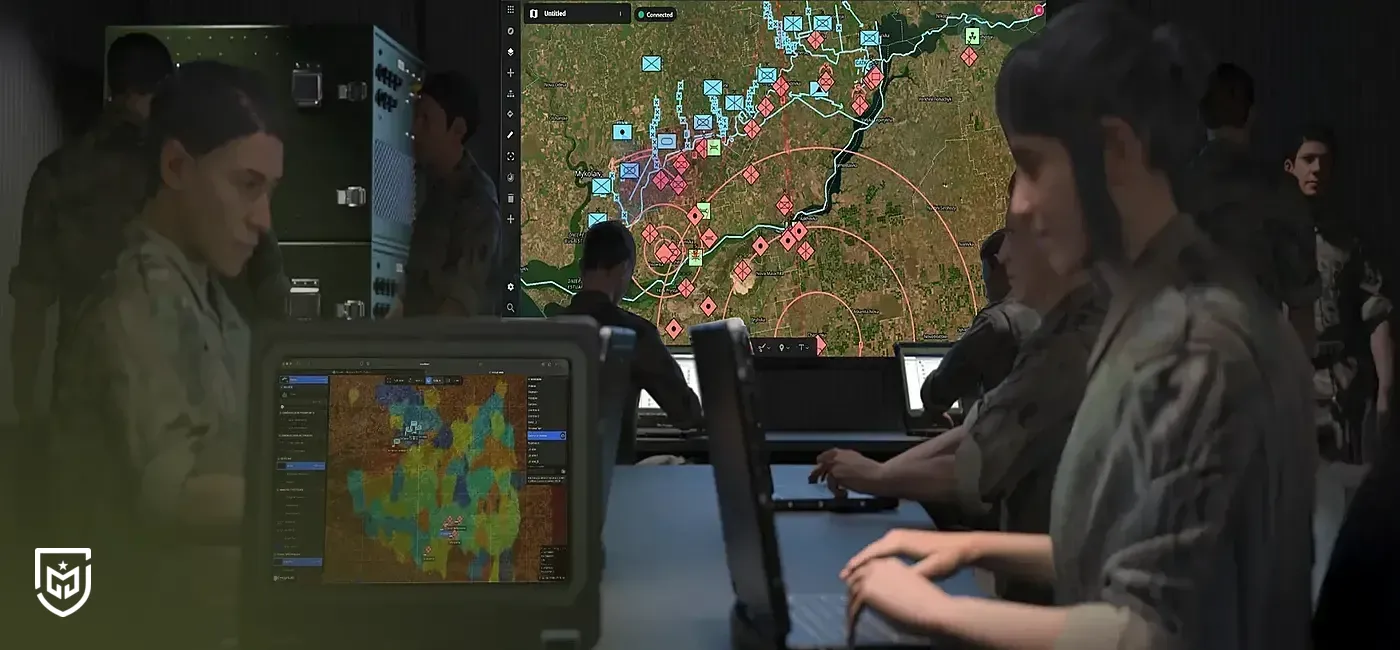
Thales Introduces HexaForce AI-Powered Command and Control System to Gulf Region
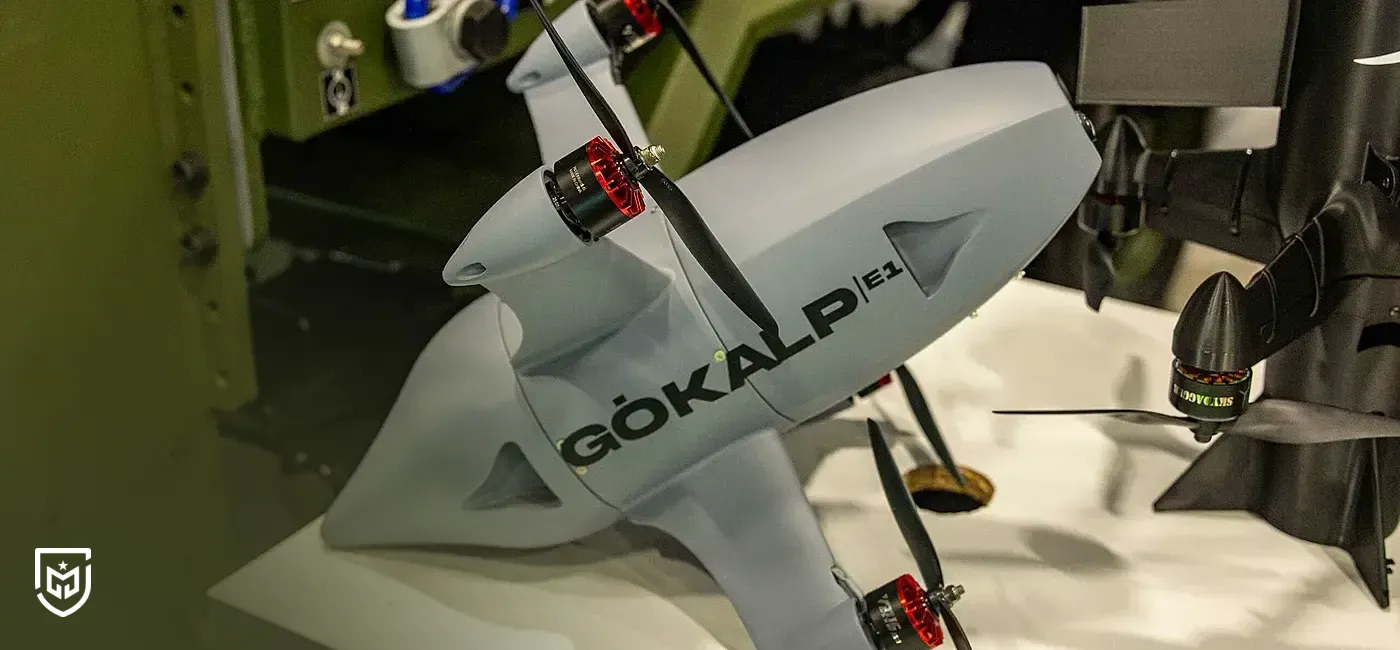
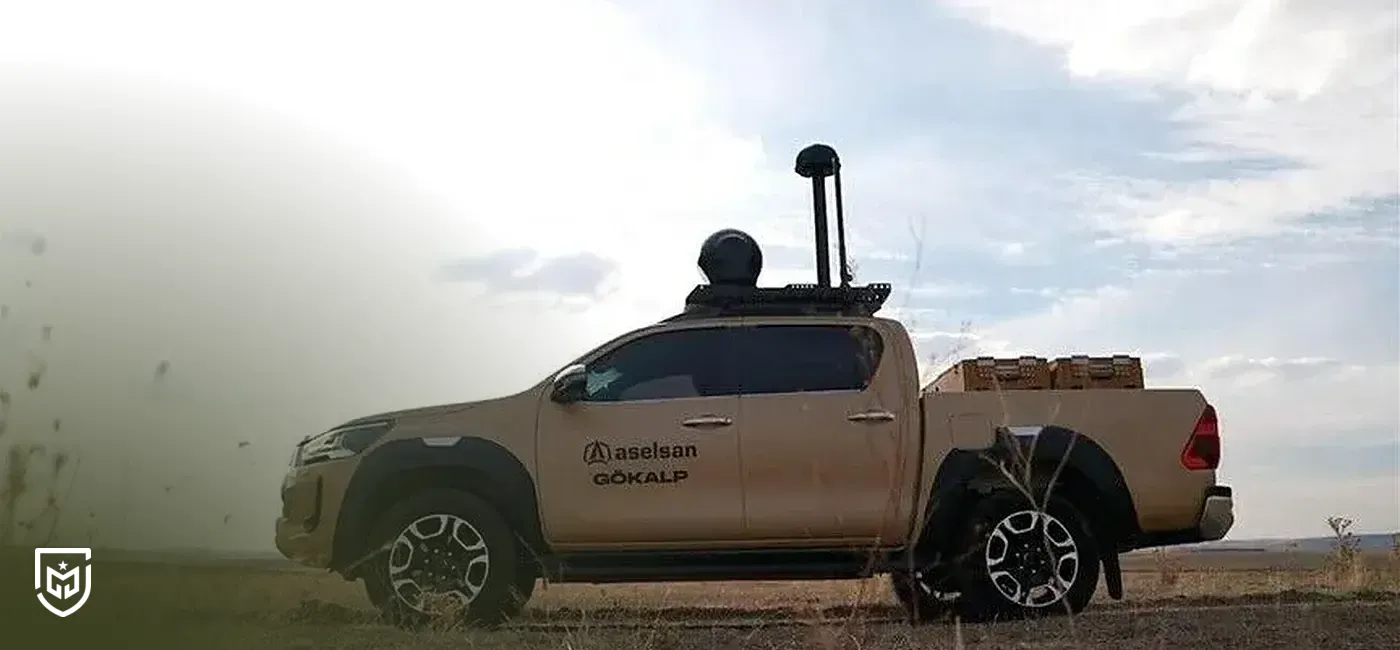
ASELSAN's Drone-Hunting System Completes Successful Demonstration
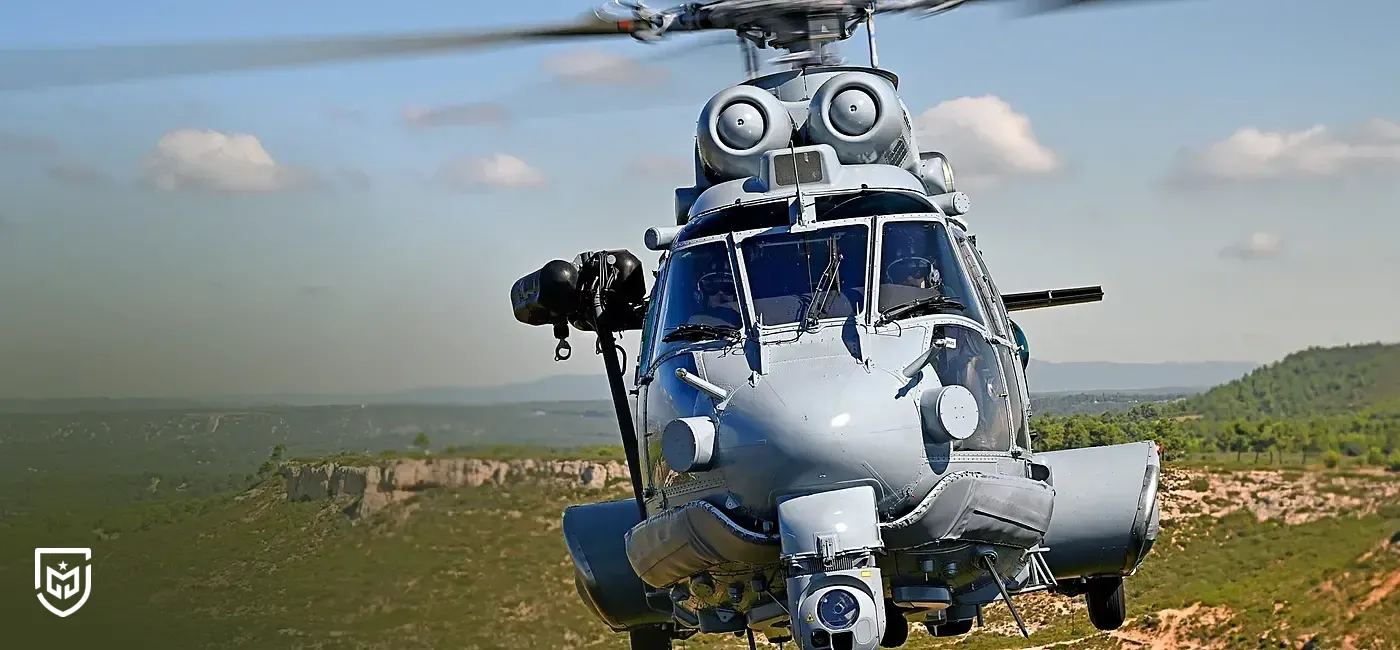
Romania Signs Contract for Airbus H225M Helicopter Procurement
ASELSAN's GÖKALP drone defense system completes successful demonstration
SSB Chief Görgün Warns Against Open Source Intelligence Risks
SSB Chief: Localization in Defense Projects Starts from Design Phase
AKINCI UAV Successfully Tested with MORFOZ Guidance Kit
Ireland selects Thales Ground Master radar for air surveillance capability