BREAKING NEWS
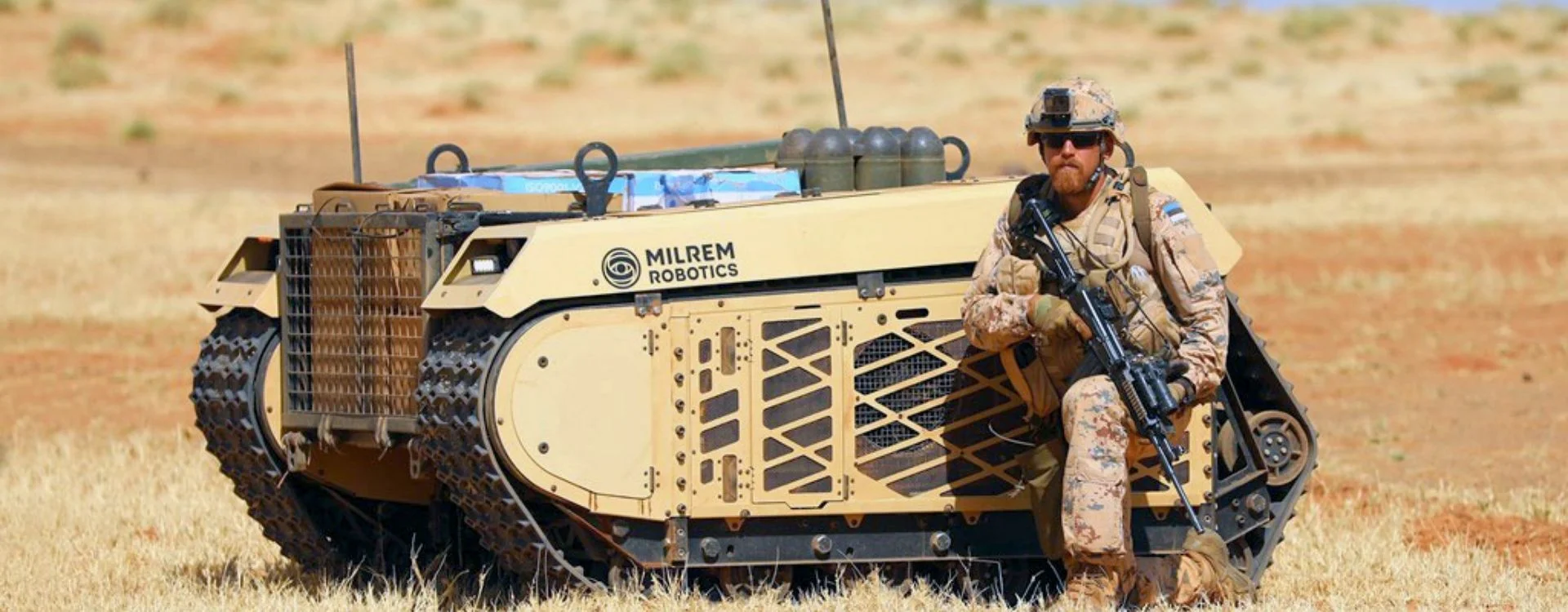
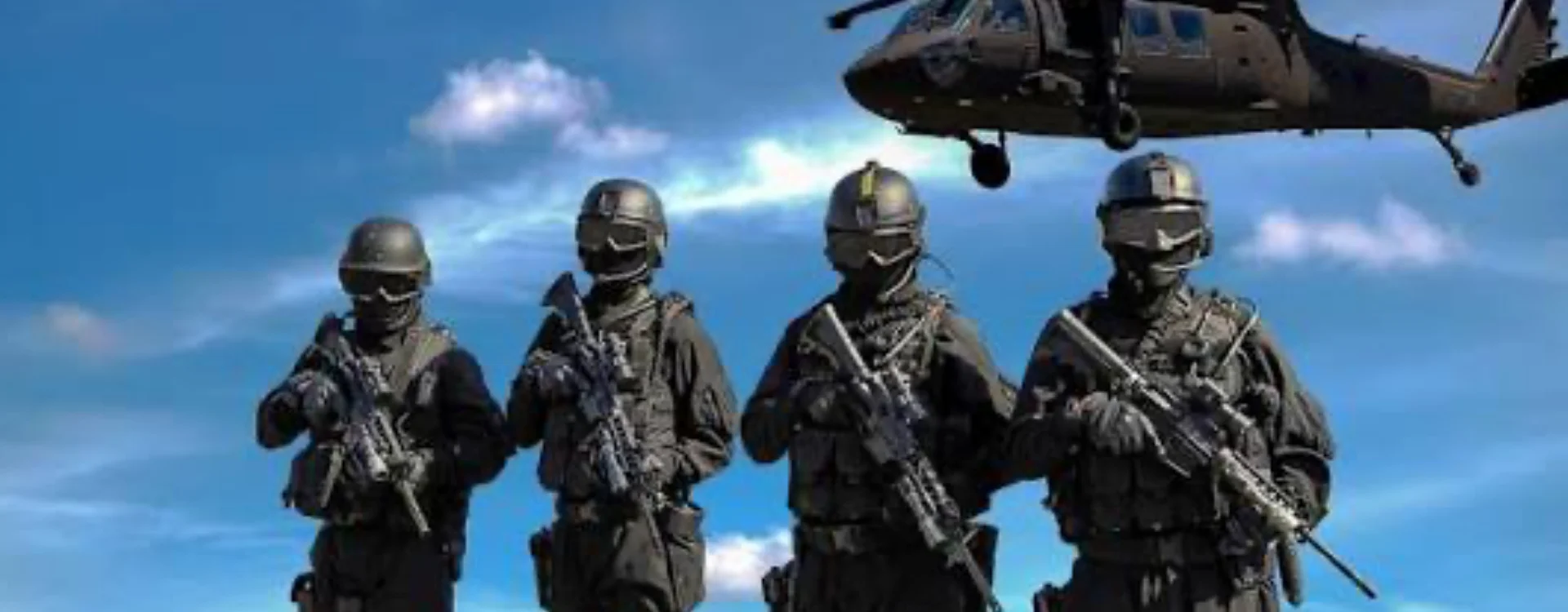
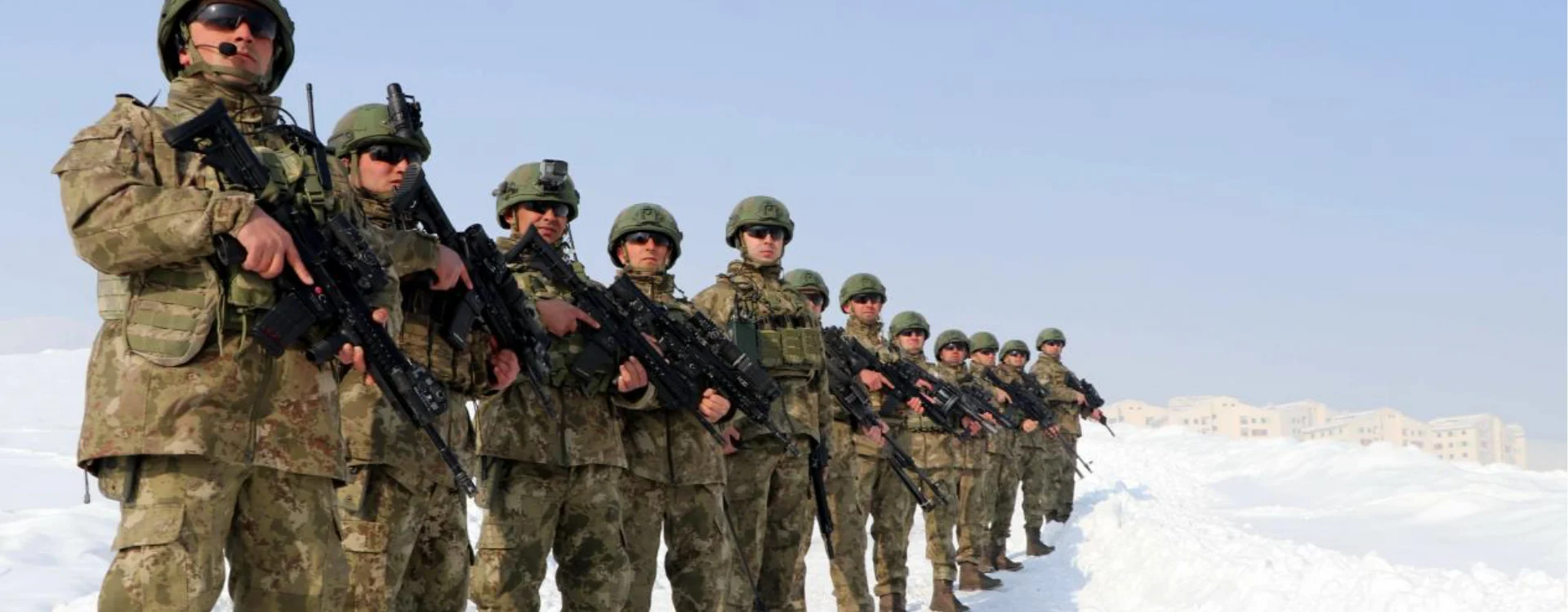
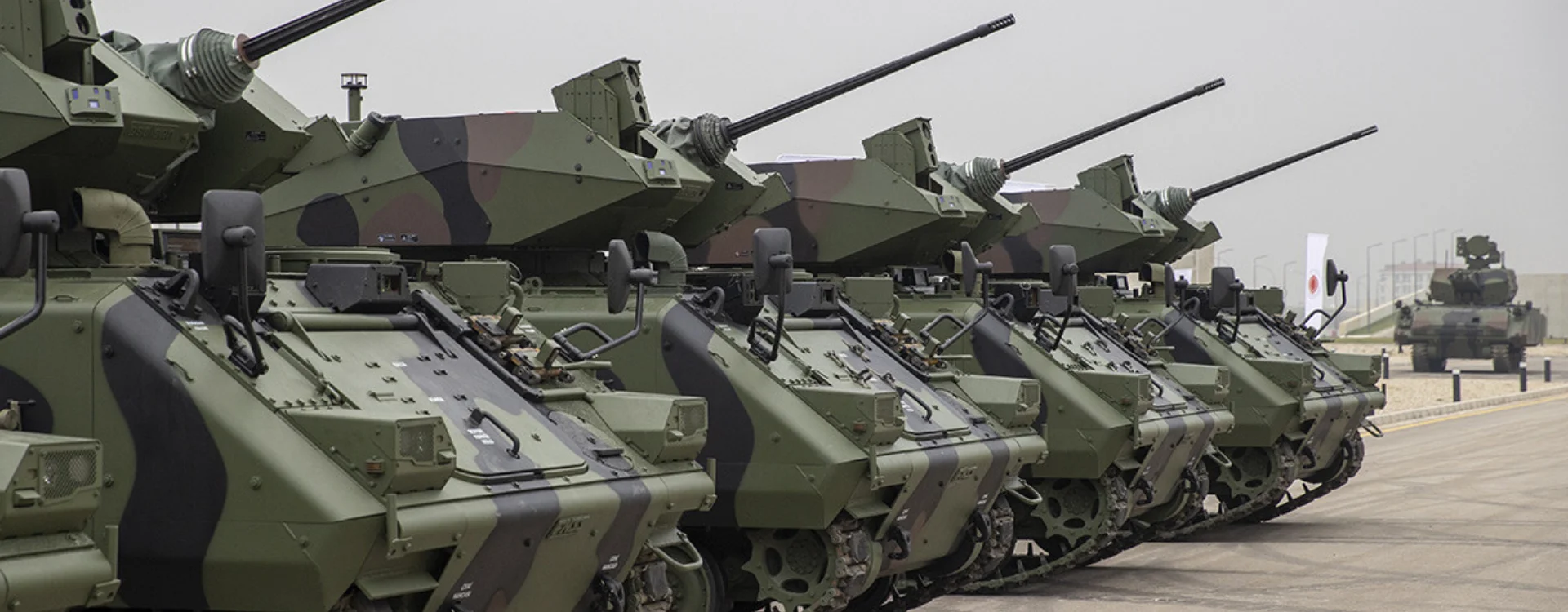
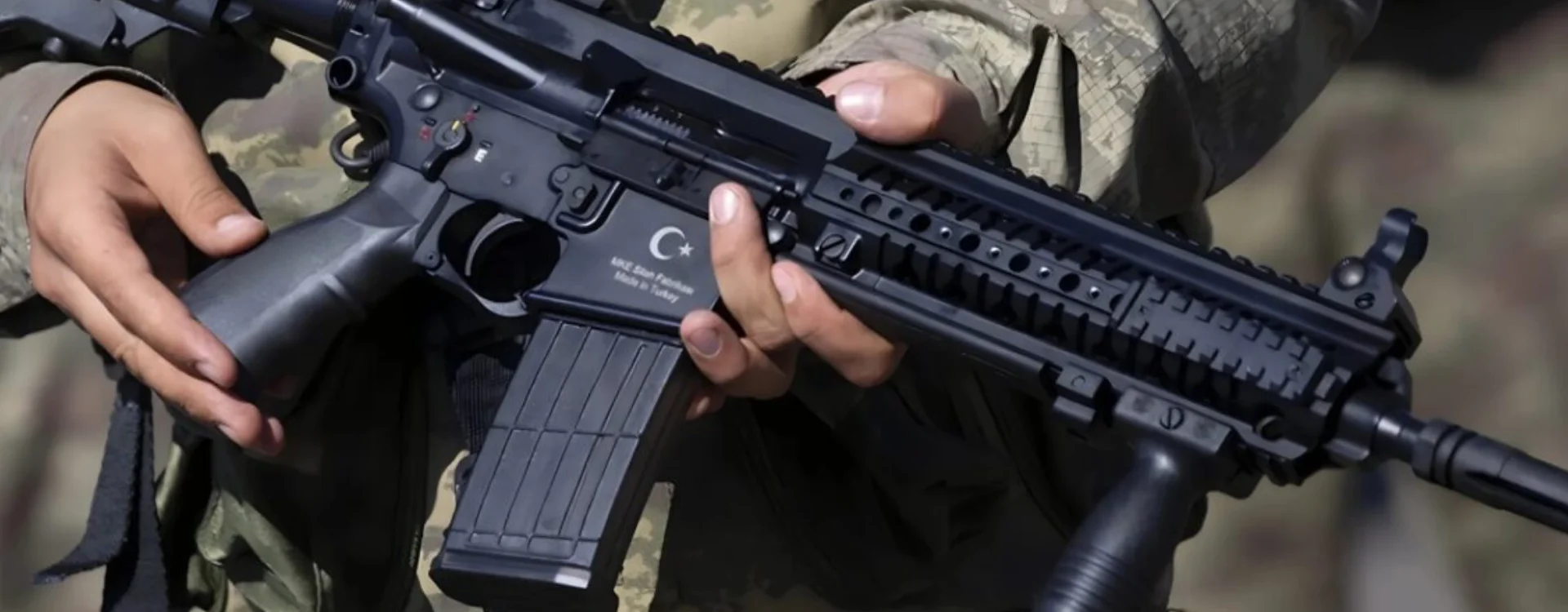
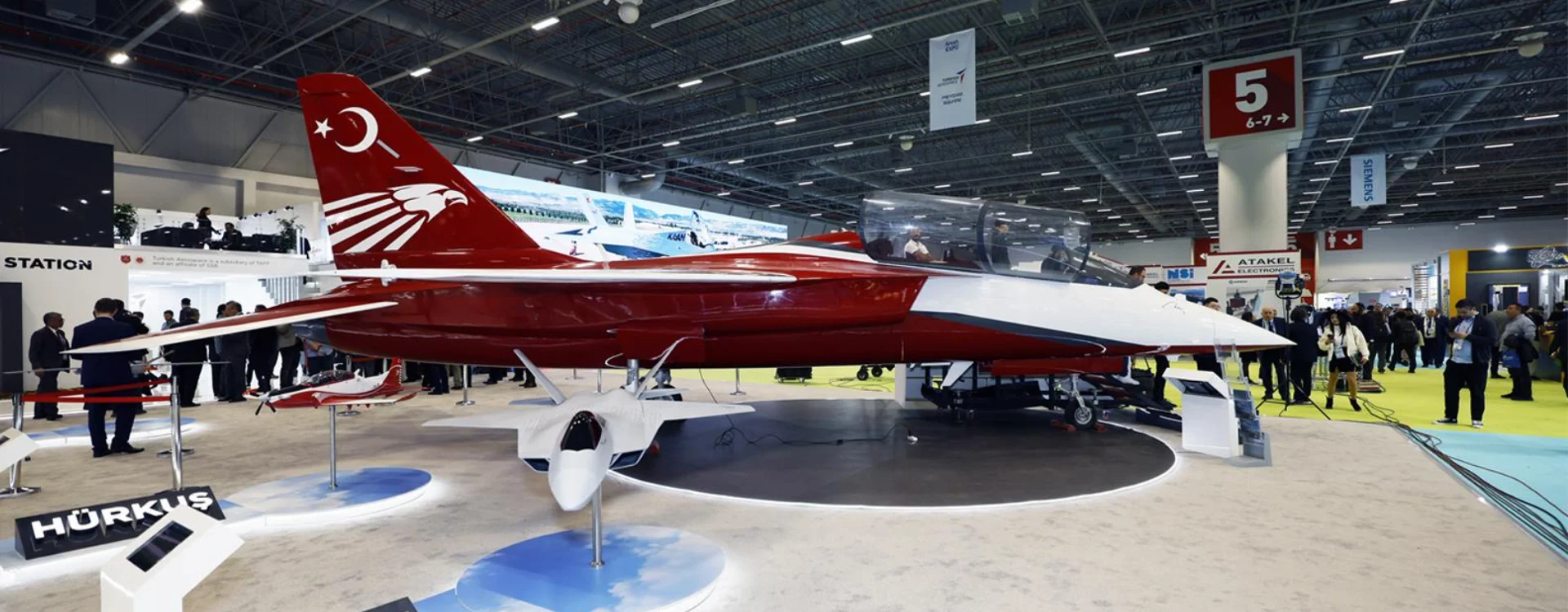
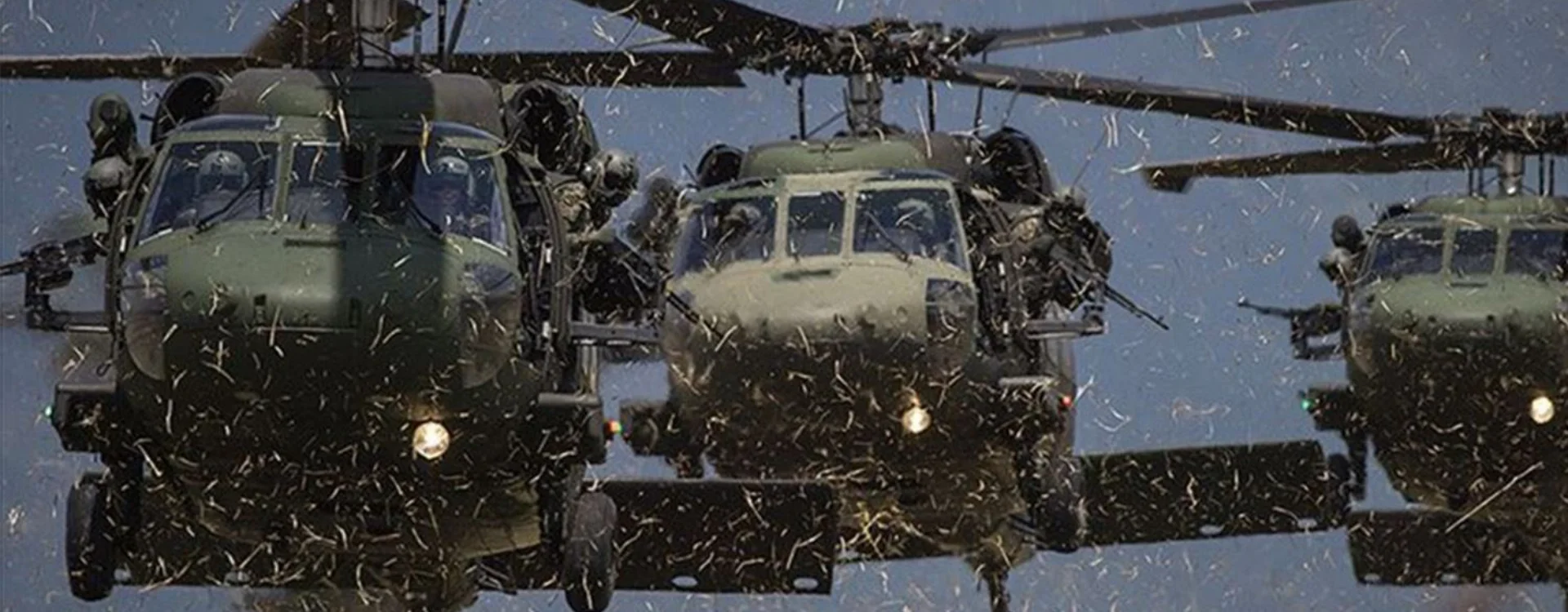
As the world moves toward 2030, military robotic systems are set to transform the nature of battlefields entirely. Autonomous ground vehicles, unmanned aerial systems, naval robots, and artificial intelligence–supported logistics platforms are becoming indispensable components of modern armed forces. These systems are not limited to combat roles; they are increasingly used for reconnaissance, surveillance, intelligence gathering, and maintenance tasks, with the primary goal of enhancing soldier safety. By 2030, robotic warfare concepts and human–machine collaboration will stand at the core of strategic military planning.
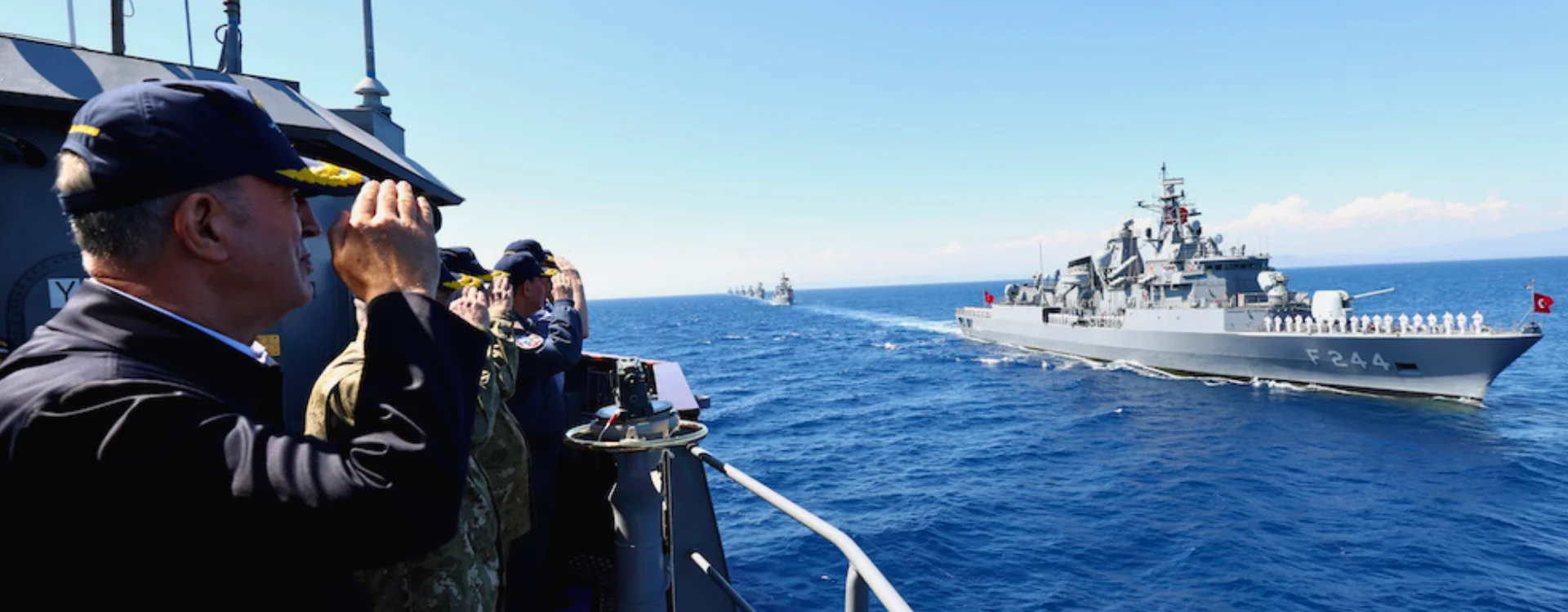
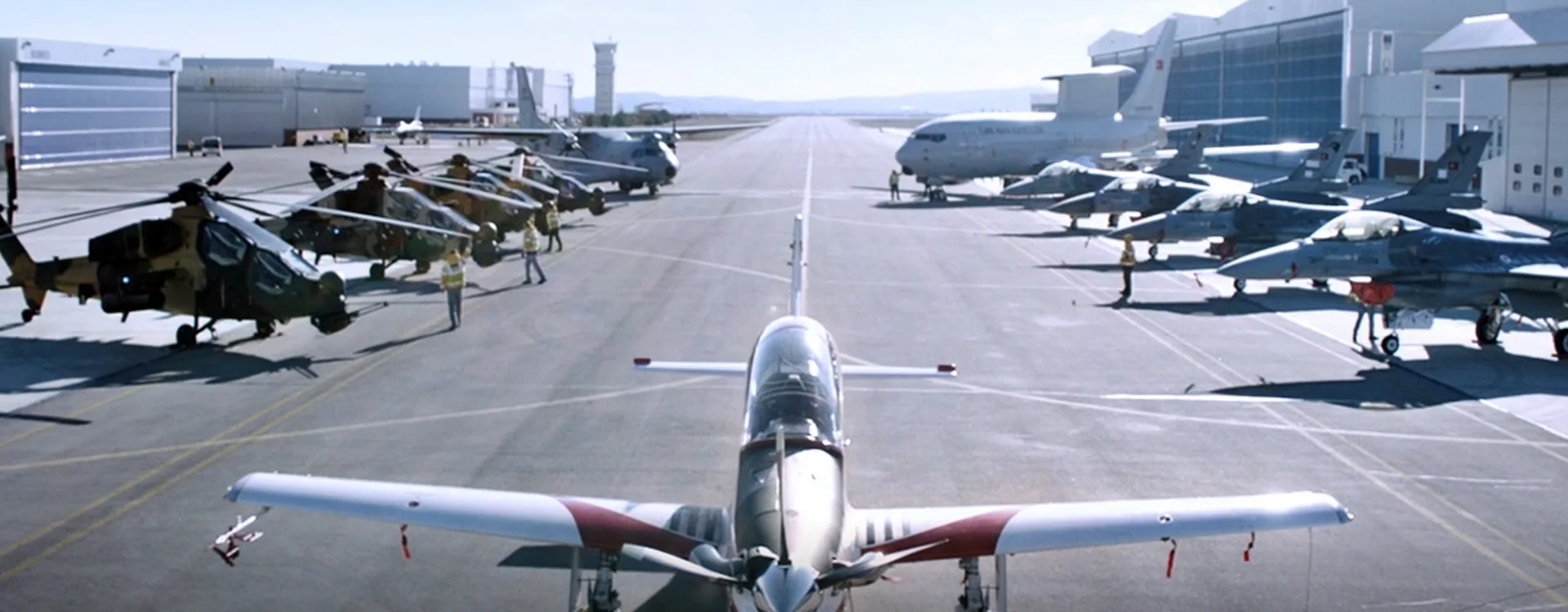
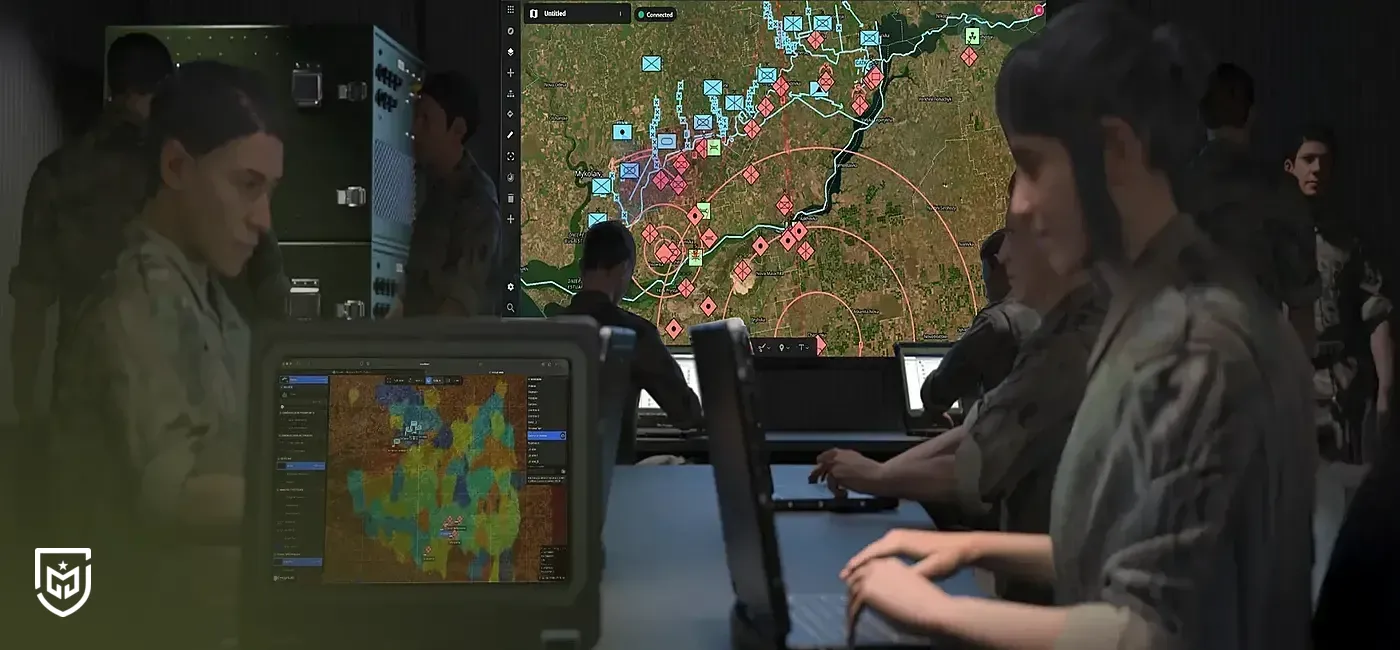
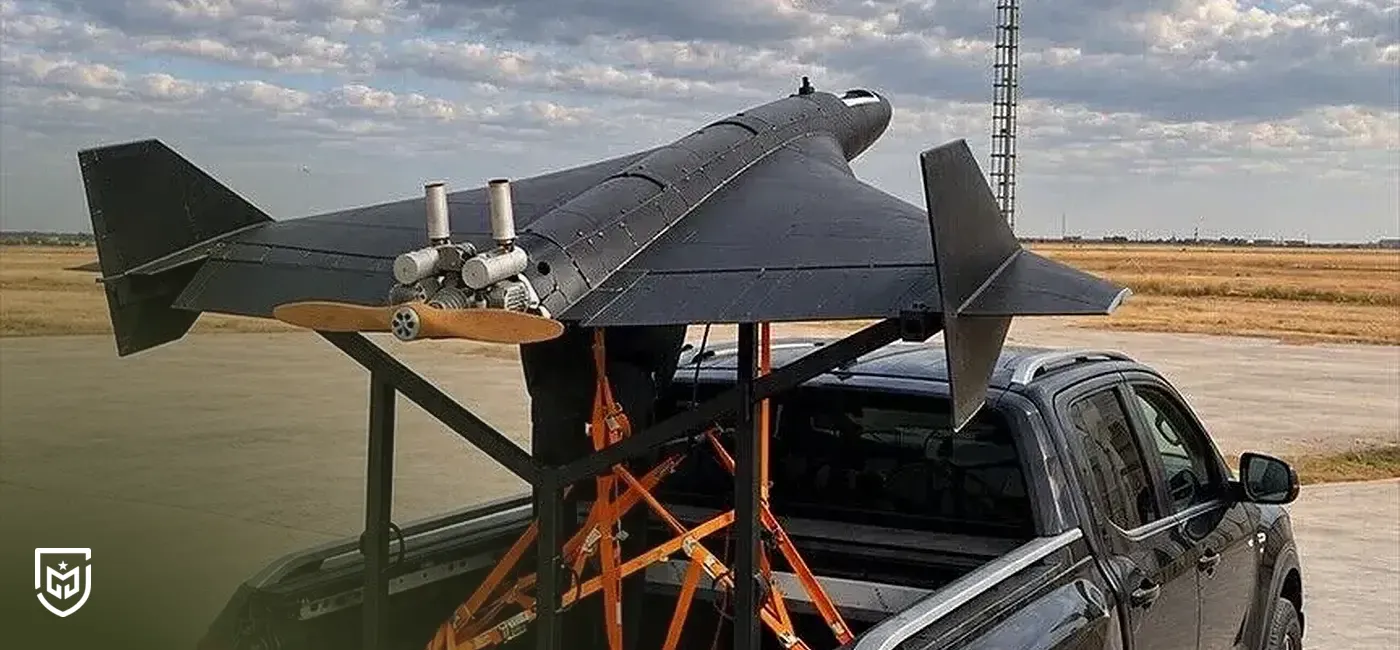
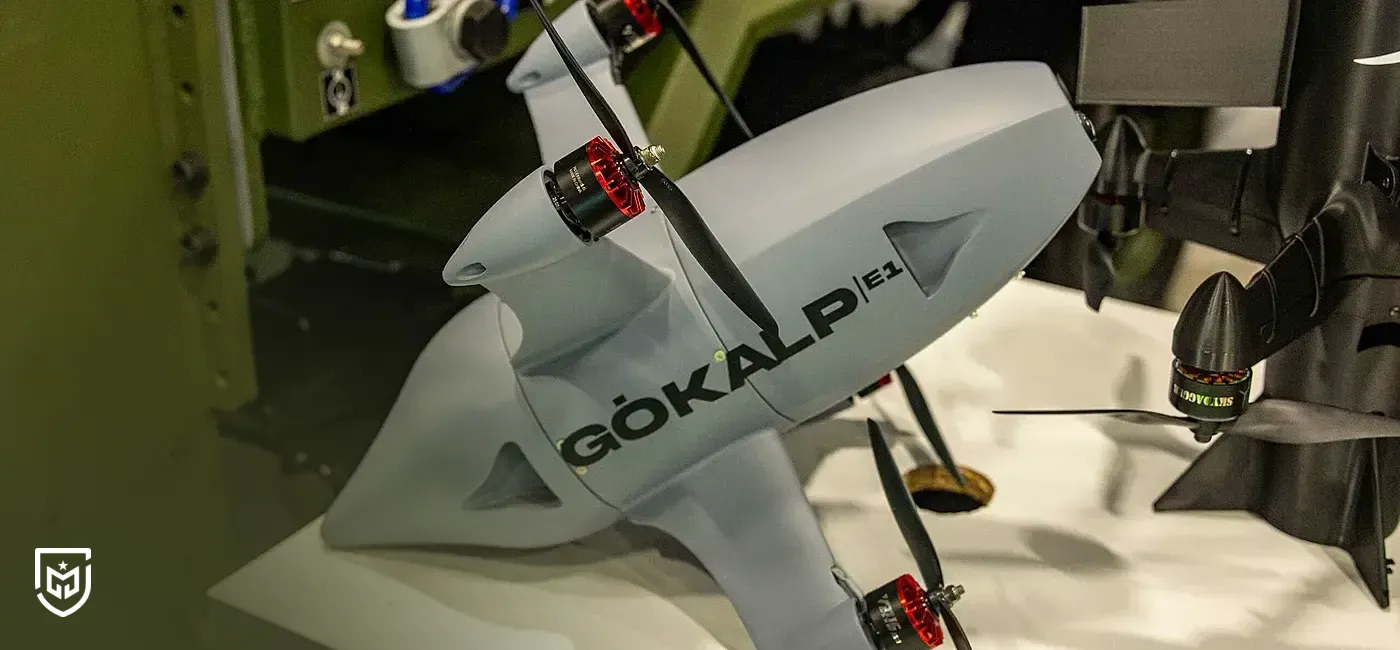
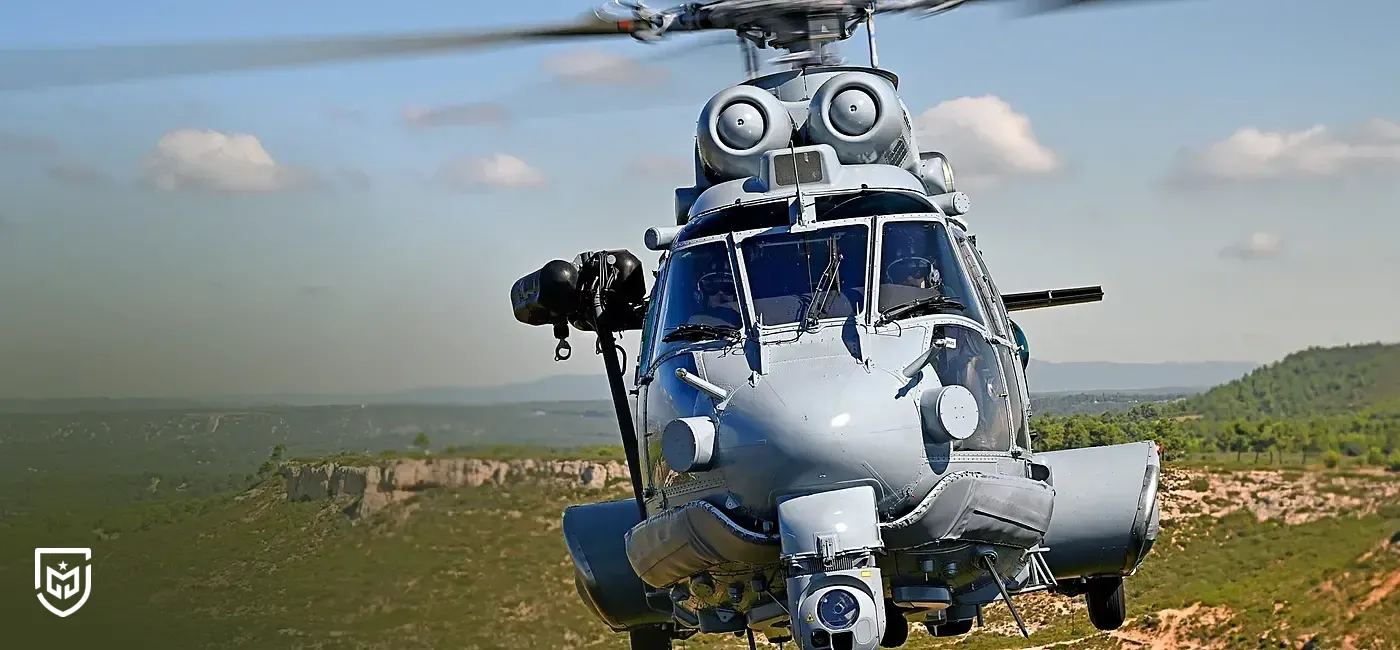
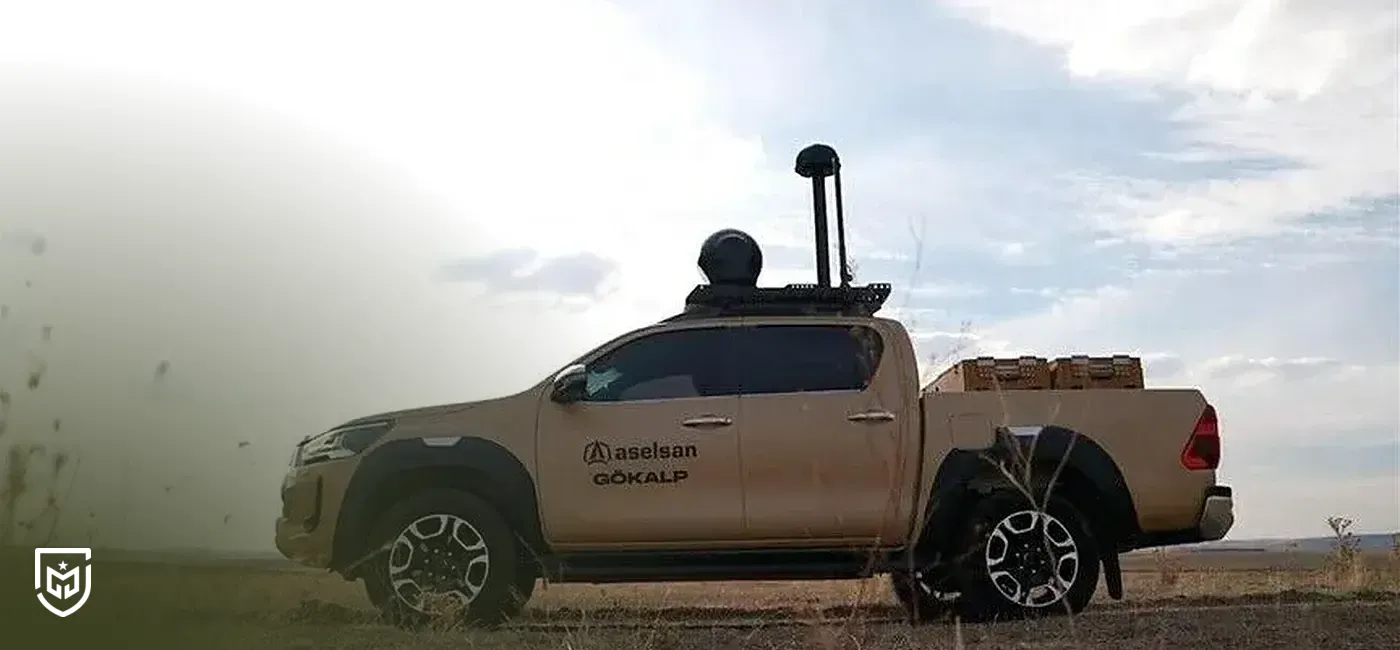
By 2030, military robotic systems will evolve into platforms capable of making far more independent decisions than those of today. One of their most critical features will be advanced artificial intelligence algorithms that enable real-time data analysis and environmental learning. Ground-based robotic platforms will conduct unmanned patrols and explosive ordnance disposal in high-risk areas, while autonomous aerial vehicles will perform long-range reconnaissance deep behind enemy lines. Maritime robots will be deployed to track submarines and secure critical sea lanes through unmanned operations. In addition, logistics and maintenance robots will support frontline supply chains while significantly reducing human casualties. Military robotic technologies in 2030 will enhance operational efficiency while delivering innovative solutions that minimize risk on the battlefield.


The cookies used on our website are used to provide you with a better user experience and to improve our website. You can manage your cookie preferences from the options below.



 Rabia Kılıç