BREAKING NEWS

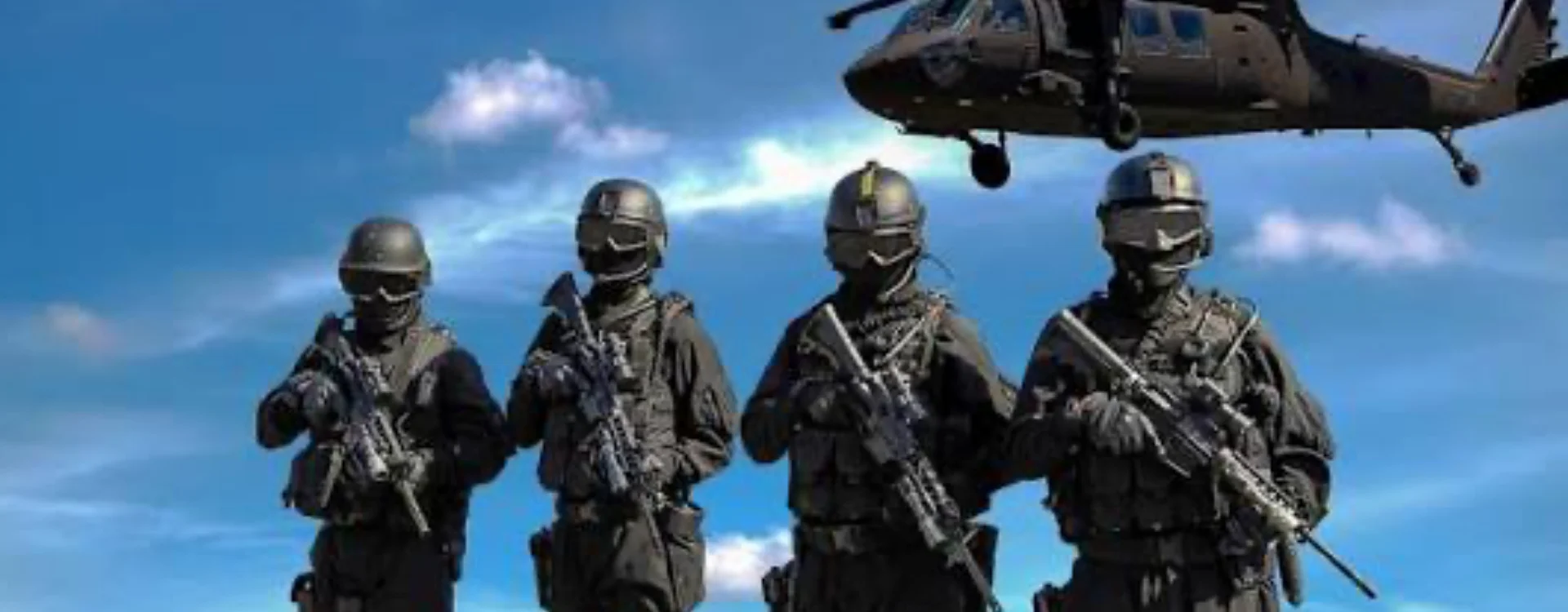
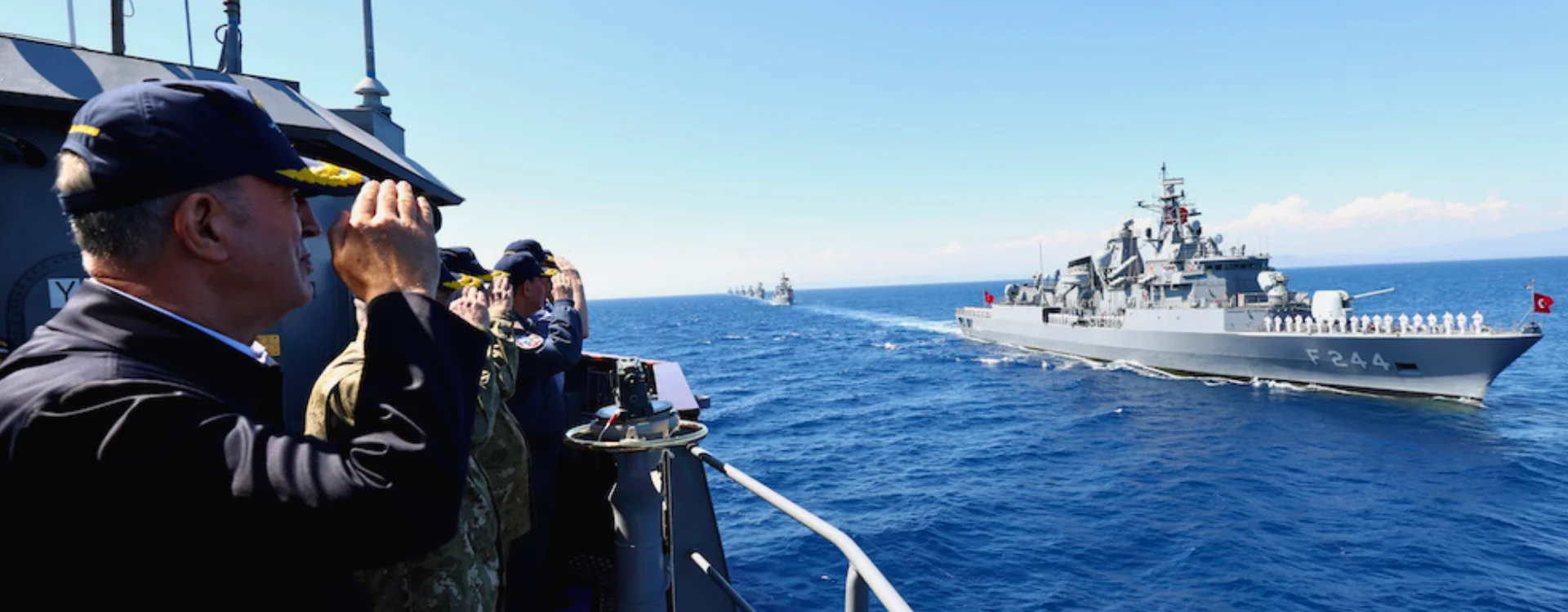
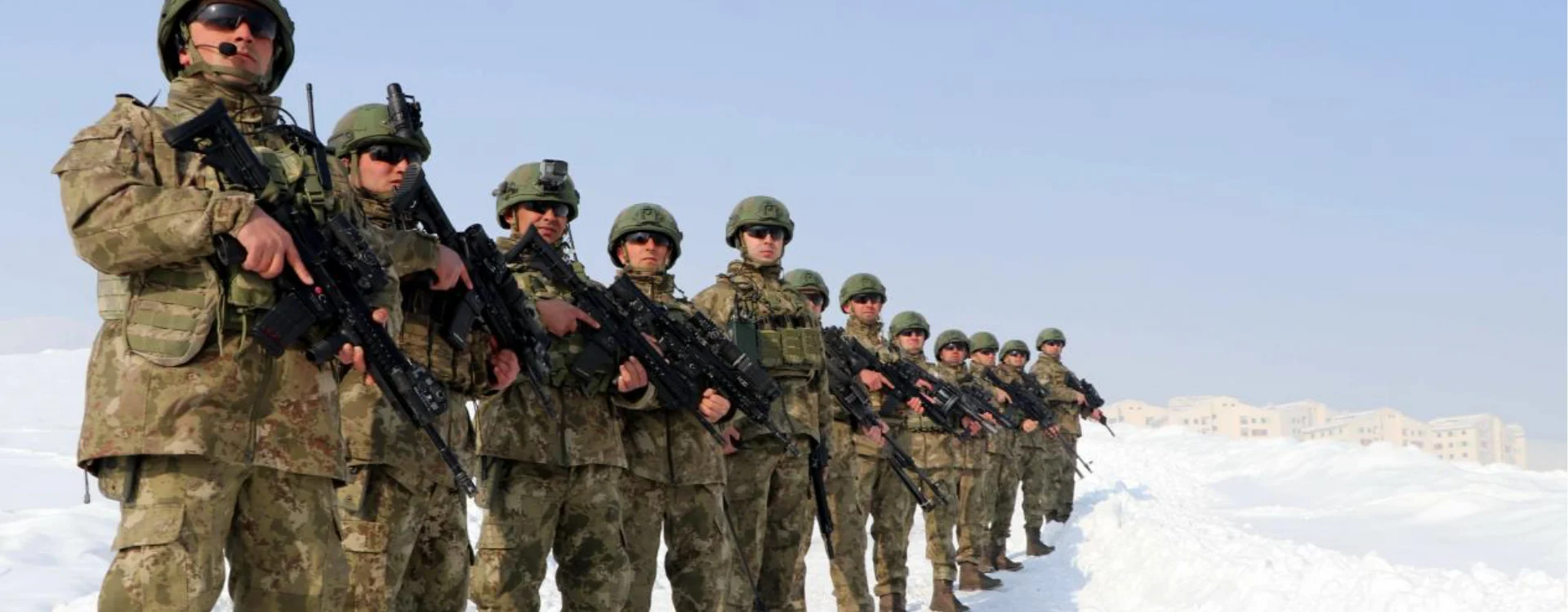
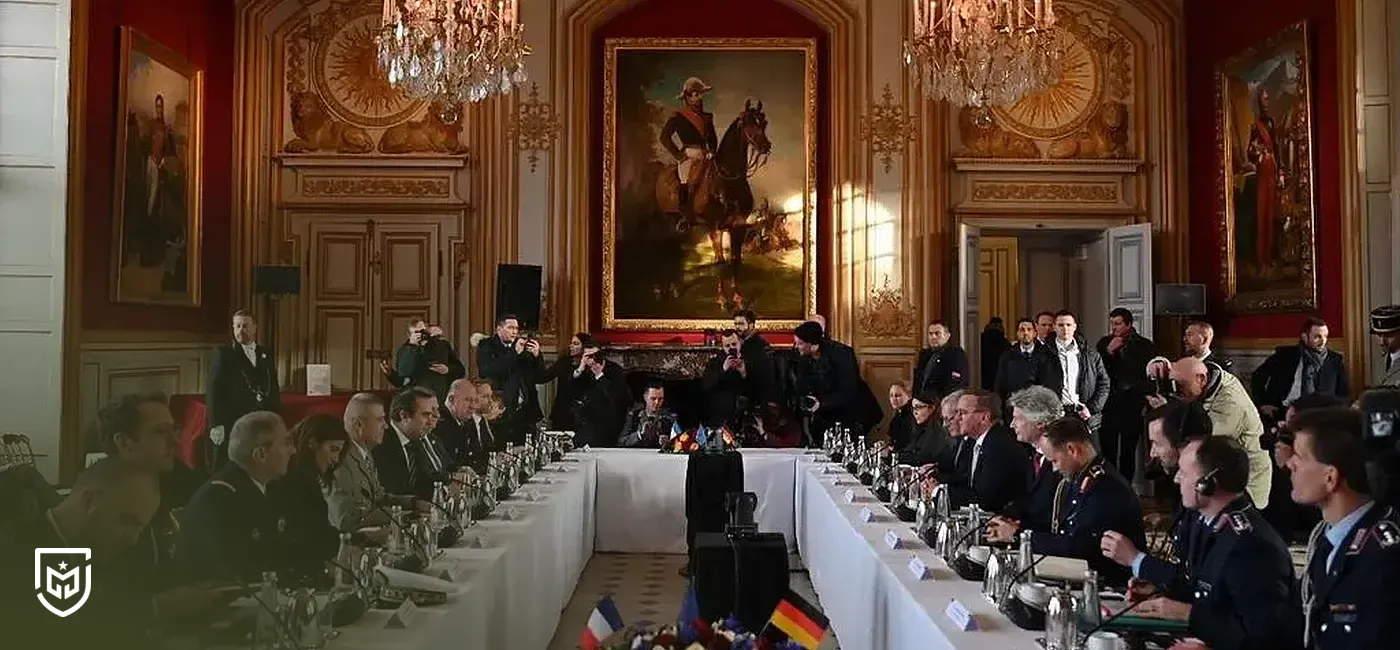
Military leadership models refer to the fundamental management approaches that ensure armed forces operate in a disciplined, organized, and effective manner. In modern defense structures, leadership is not limited to managing the chain of command; it also includes critical elements such as crisis management, strategic thinking, rapid decision-making, team coordination, and technological adaptation. Due to evolving warfare environments, hybrid threats, and digital transformation processes, military leaders today are expected to possess versatile skills. For this reason, the modern understanding of military leadership focuses not only on authority-based systems but also on leaders who have strong communication abilities, analytical thinking skills, and the capacity to motivate teams effectively.
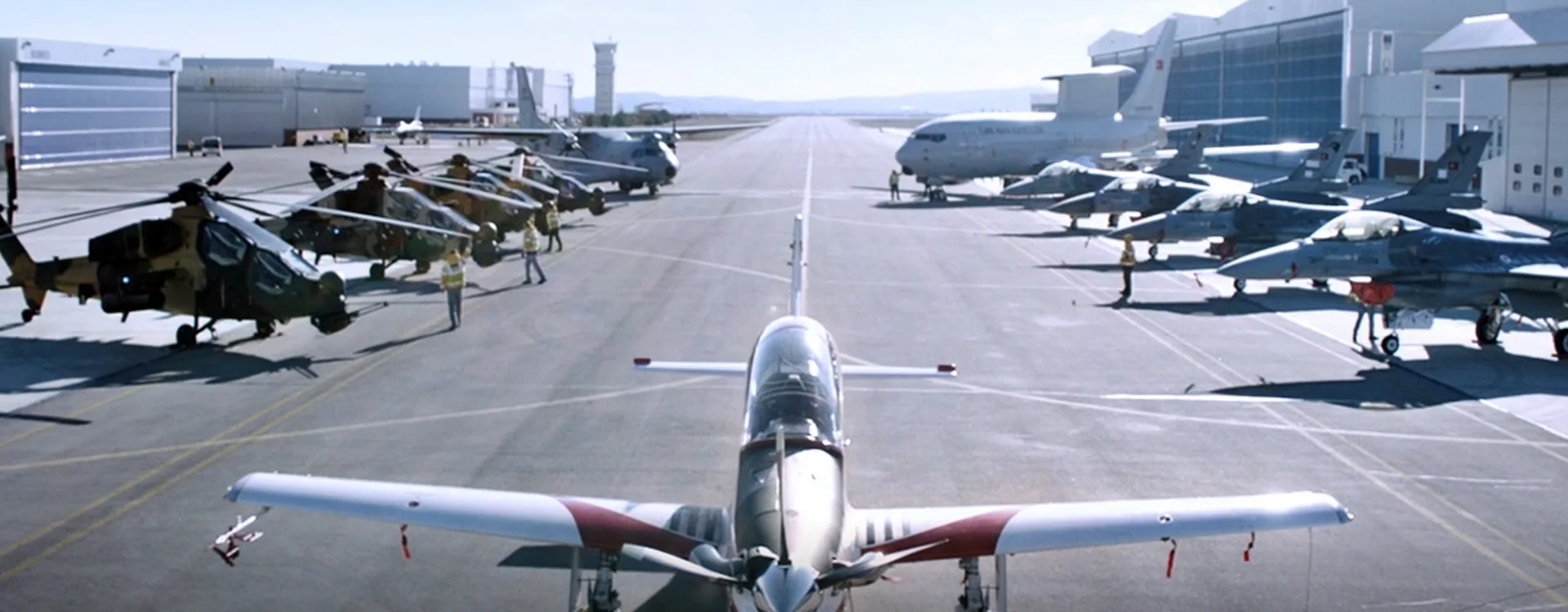
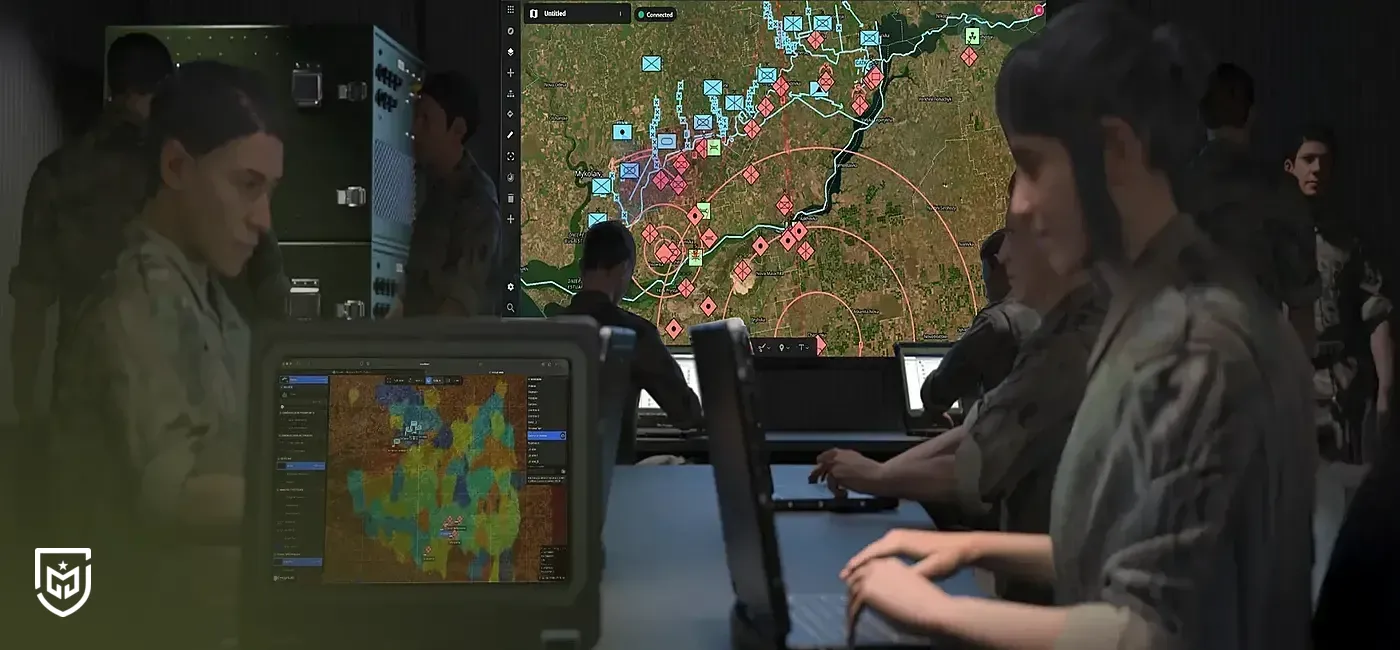
Alongside traditional hierarchical structures, military leadership models now include situational leadership, transformational leadership, and technology-oriented leadership approaches. The transformational leadership model aims to increase personnel motivation and build a shared sense of mission, while situational leadership provides flexible management strategies depending on operational conditions. With the increasing use of artificial intelligence, data analytics, and digital command-control systems, military leaders are also expected to develop expertise in technology management. In modern leadership, not only physical strength but also information management, psychological resilience, and strategic foresight play a crucial role. Therefore, military leadership models are considered a critical management field that strengthens defense capability, improves operational success, and adapts to the future needs of security environments.


The cookies used on our website are used to provide you with a better user experience and to improve our website. You can manage your cookie preferences from the options below.


 Süheyla Yıldız