BREAKING NEWS
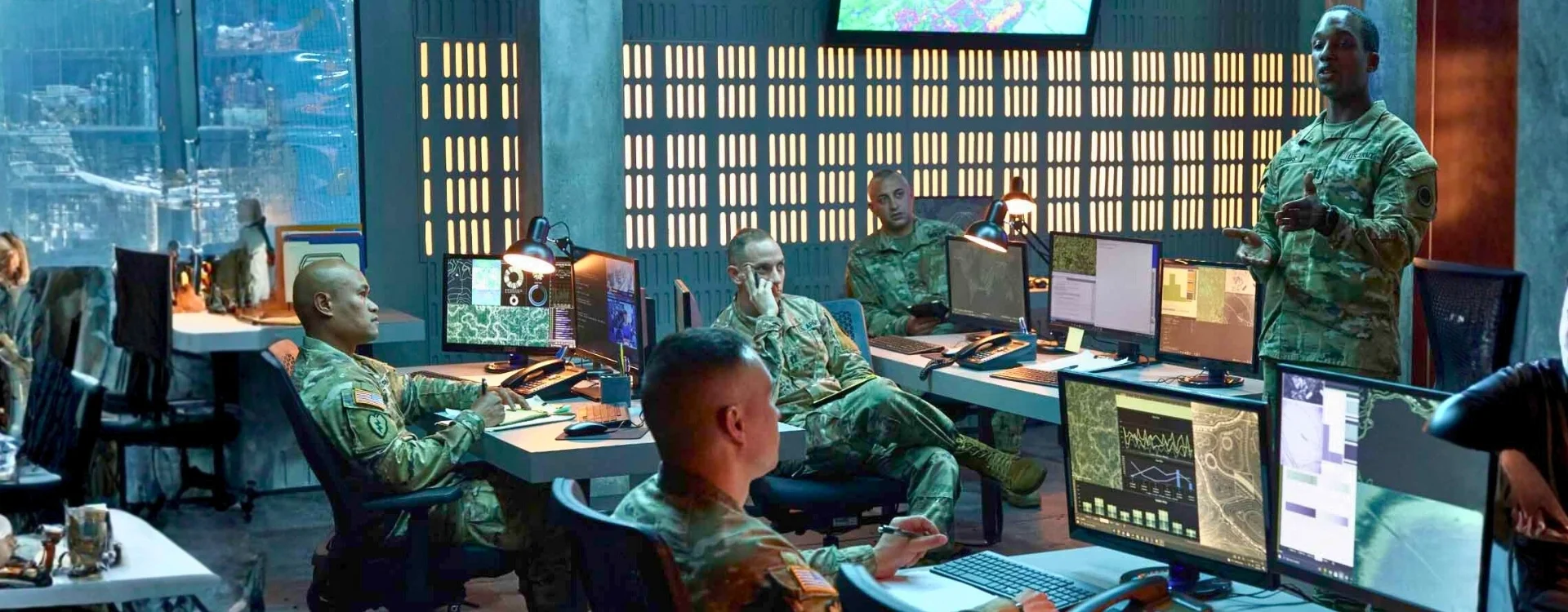
Military Information Warfare has become one of the most critical elements of modern military doctrine. Today, wars are no longer won solely with tanks, aircraft, and soldiers on the battlefield; they are increasingly determined by information dominance, data superiority, and perception management. States and military organizations focus on gaining informational advantage to influence decision-making processes, shape public opinion, and secure operational superiority. In this evolving landscape, a nation's strength is measured not only by its conventional forces but also by its intelligence capabilities, cyber power, and psychological operations capacity.
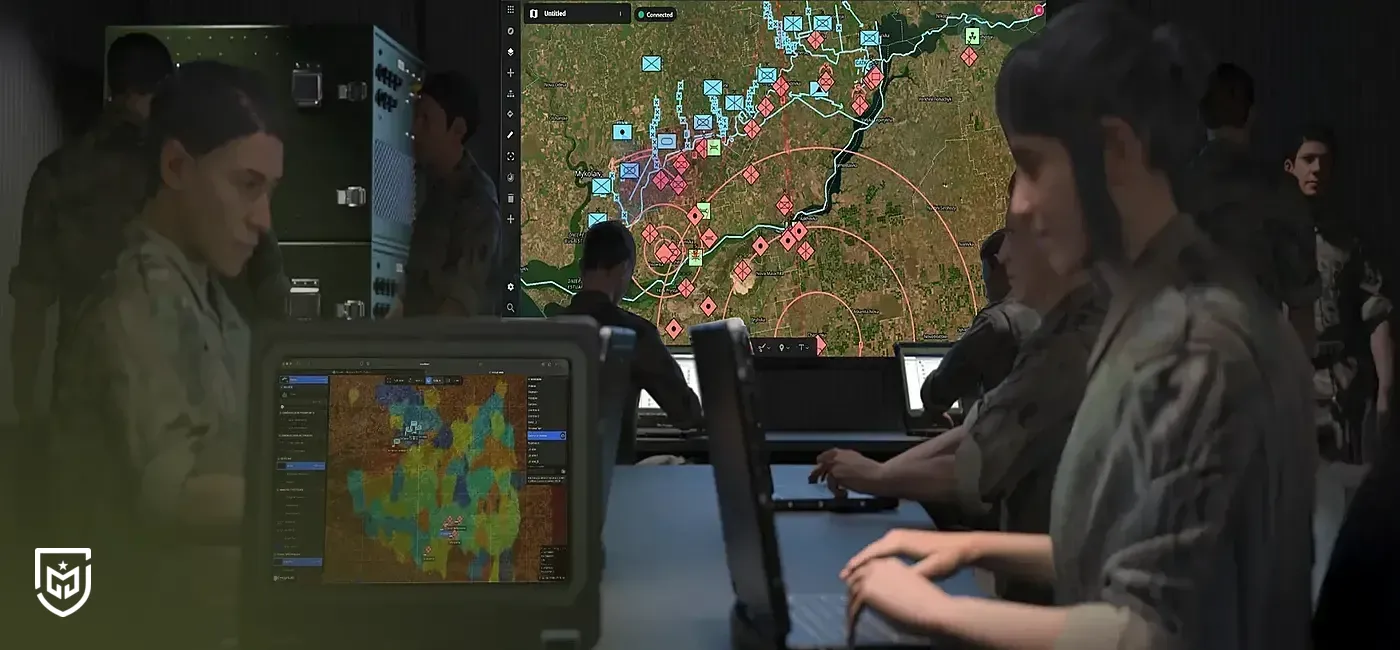
From a technical perspective, Military Information Warfare encompasses a multi-layered structure that includes cyber attacks, electronic warfare, psychological operations (PSYOPS), intelligence gathering, disinformation, and propaganda activities. With rapid digitalization in the 21st century, the battlefield has expanded beyond physical borders, transforming the internet and social media into new operational domains. During the Gulf War, U.S. military strategists emphasized the principle that “Those who control information control the battlefield,” highlighting the foundational philosophy of this concept. Today, advanced radar systems, satellite networks, AI-driven analytics platforms, and electronic countermeasure technologies directly impact operational success. For this reason, Military Information Warfare is no longer a complementary strategy to conventional operations; it is recognized as a central strategic force multiplier in modern conflict.


The cookies used on our website are used to provide you with a better user experience and to improve our website. You can manage your cookie preferences from the options below.






 Süheyla Yıldız