BREAKING NEWS
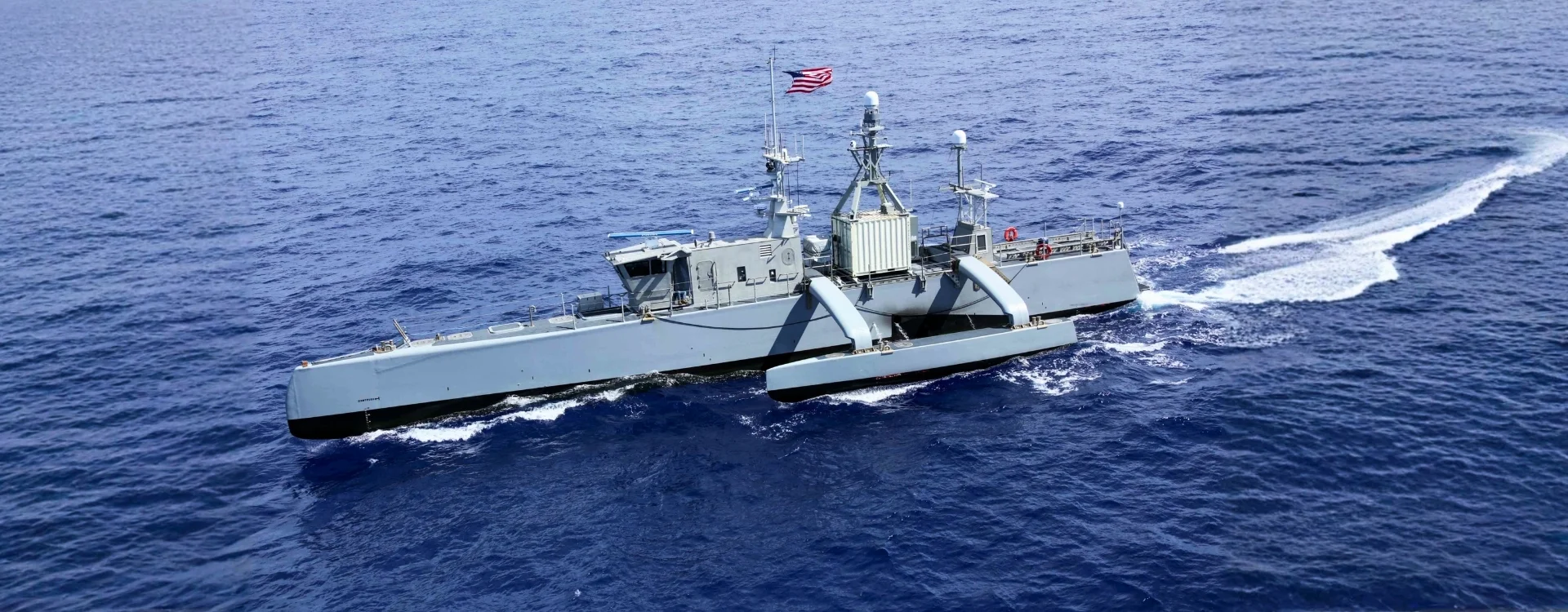
Maritime drone defense has rapidly become one of the most critical elements of modern naval security. The increasing use of unmanned aerial vehicles due to their low cost, high mobility, and difficulty in detection has forced naval forces to rethink traditional defense doctrines. Today, not only warships but also ports, offshore energy platforms, and commercial vessels must be protected against drone-based threats. Maritime drone defense systems create a multi-layered security shield by combining early detection, electronic countermeasures, and kinetic interception technologies.
From a technical perspective, maritime drone defense integrates advanced radar systems, electro-optical sensors, signal intelligence capabilities, and electronic warfare infrastructures. Low-altitude drones flying close to the sea surface pose significant detection challenges for conventional radar systems. To overcome this, modern naval vessels deploy advanced 3D radar technologies supported by AI-driven threat analysis software. Electronic countermeasure systems aim to disrupt communication between the drone and its operator, while Close-In Weapon Systems (CIWS) provide rapid-response kinetic solutions for physical neutralization.
One of the most pressing threats in contemporary hybrid warfare is the coordinated use of drone swarms. Multiple unmanned systems attacking simultaneously can overwhelm traditional defense mechanisms and compress reaction time. As a result, next-generation naval defense strategies now focus on algorithm-based swarm detection and automated response architectures. Directed energy weapons and naval laser systems are emerging as key technologies in maritime drone defense. Energy-based defense solutions offer cost-effective engagement capabilities and rapid response, positioning them as a cornerstone of future naval security frameworks.
Strategically, maritime drone defense extends beyond military applications. Energy infrastructure security, commercial shipping lanes, and critical maritime chokepoints are increasingly vulnerable to unmanned threats. Offshore oil platforms, LNG terminals, and strategic straits are now equipped with integrated drone defense strategies. In this context, maritime drone defense stands as one of the most significant investment areas for modern naval forces worldwide.


The cookies used on our website are used to provide you with a better user experience and to improve our website. You can manage your cookie preferences from the options below.






 Süheyla Yıldız