BREAKING NEWS
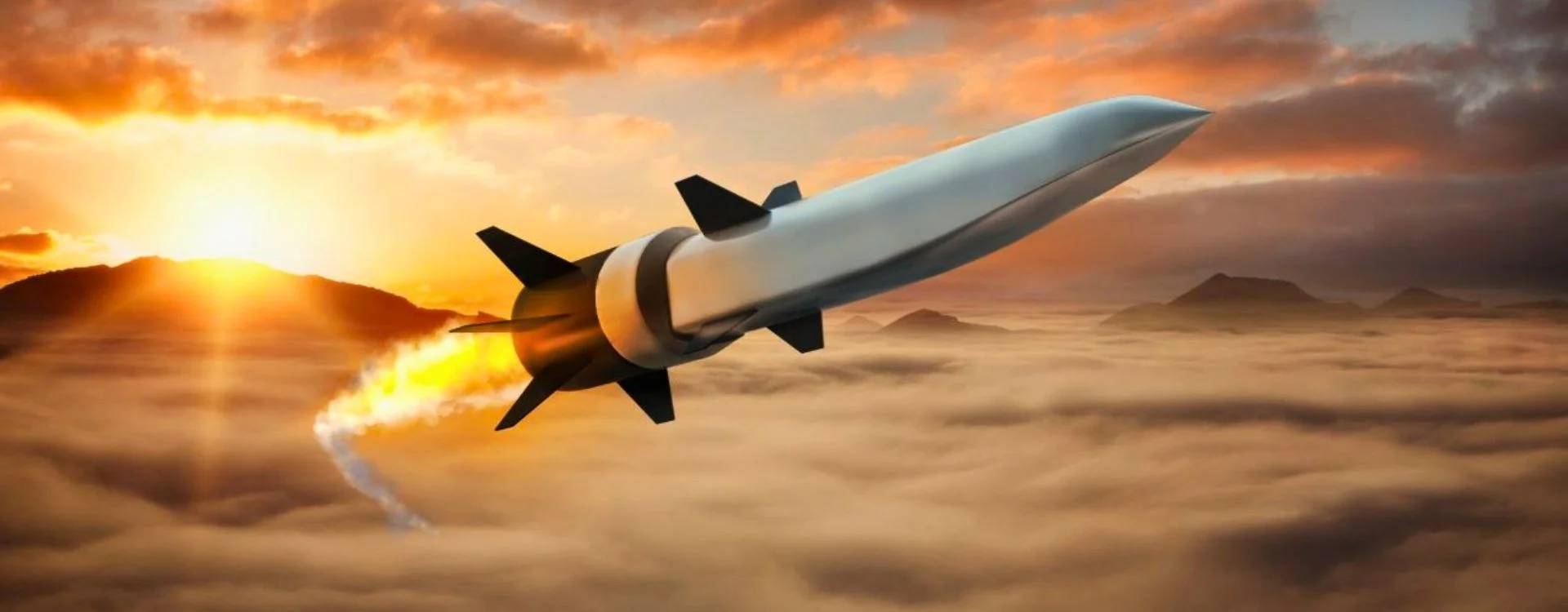
A hypersonic missile is an advanced weapon system capable of traveling at speeds of Mach 5 or higher, meaning at least five times the speed of sound. Beyond their extreme velocity, these missiles stand out for their ability to maneuver during flight, making them significantly harder to detect, track and intercept. Their low-altitude flight profiles and reduced radar signatures shorten reaction times for defense systems, giving hypersonic weapons a transformative impact on modern military strategies.
Technically, hypersonic missiles fall into two main categories: Hypersonic Cruise Missiles (HCM) and Hypersonic Glide Vehicles (HGV). HCMs use scramjet engines to maintain propulsion throughout the flight, while HGVs are launched into high altitudes by a rocket booster and then glide through the atmosphere toward their target with unpredictable, evasive maneuvers. Both types combine high speed with complex trajectories, allowing them to bypass traditional air and missile defense systems. As nations pursue greater strategic deterrence, hypersonic missiles have become one of the most significant technological advancements shaping the future of warfare.


The cookies used on our website are used to provide you with a better user experience and to improve our website. You can manage your cookie preferences from the options below.





 Rabia Kılıç